
Planning a dream escape to the tropical paradise of Hawaii often brings with it a flurry of questions, not least among them being the practicalities of travel documentation. For many prospective visitors, especially those residing within the mainland United States, a common query arises: is a passport required to embark on this journey? The simple answer, which will undoubtedly bring a sigh of relief to countless U.S. citizens, is no, a passport is not required for travel to Hawaii if you are a citizen of the United States traveling directly from another U.S. state or territory.
This seemingly straightforward answer is rooted in the unique status of Hawaii as the 50th state of the United States. Just as you wouldn’t need a passport to fly from New York to California, the same principle applies to inter-state travel to the Aloha State. However, while a passport isn’t a necessity for U.S. citizens, possessing the correct and current form of identification is paramount for navigating airport security and ensuring a smooth travel experience. For non-U.S. citizens, the requirements are different and hinge on their immigration status and country of origin. This guide will delve into the specifics of what identification is needed, explore scenarios for international travelers, and offer comprehensive advice for planning an unforgettable trip to Hawaii, covering everything from accommodations to cultural experiences.
The Simple Answer for U.S. Citizens: No Passport Required
For citizens of the United States traveling domestically to Hawaii, the good news is that your passport can stay tucked away. This makes planning a Hawaiian vacation remarkably similar to arranging a trip to any other U.S. state, simplifying the pre-travel checklist considerably.
Hawaii: A Domestic Destination
Hawaii’s geographical isolation in the Pacific Ocean often leads to the misconception that it’s an international destination. However, it has been an integral part of the United States since its statehood in 1959. This means all flights originating from the mainland United States to Hawaii are considered domestic flights. Consequently, the travel documentation requirements are identical to those for flying between, say, Texas and Florida, or Washington and Alaska. There are no customs checks or immigration procedures when arriving in Hawaii from another U.S. state, streamlining the arrival process and allowing you to immerse yourself in the islands’ beauty almost immediately. This domestic classification is a significant convenience for U.S. travelers, removing the need for an often time-consuming and costly passport application or renewal process before their trip.

Acceptable Forms of Identification for Domestic Travel
While a passport isn’t mandatory, a valid form of identification is absolutely essential for passing through security checkpoints at U.S. airports. The Transportation Security Administration (TSA) requires all adult passengers 18 years and older to present a federally compliant photo ID at the security checkpoint. The most commonly accepted forms of identification include:
- State-issued Driver’s License or Other State Photo Identity Card: These are the most prevalent forms of ID used for domestic air travel. However, it’s crucial to be aware of the REAL ID Act.
- REAL ID-Compliant Driver’s Licenses and State IDs: Effective May 7, 2025 (this date is subject to change, so always check the latest DHS guidelines), all travelers 18 years of age or older will need a REAL ID-compliant driver’s license or state ID, or another acceptable form of identification, to fly within the United States. These cards are typically marked with a star symbol. If your current driver’s license or state ID is not REAL ID compliant, you’ll need to obtain one from your state’s DMV or present an alternative acceptable document.
- U.S. Passport or Passport Card: While not required, a U.S. passport or passport card is a perfectly acceptable form of identification for domestic flights and serves as a REAL ID compliant document.
- Other Federally Approved IDs: These include U.S. military ID cards, Enhanced Driver’s Licenses, Permanent Resident Cards (Green Card), and some other specific government-issued IDs.
It’s always recommended to check the official TSA website for the most current and comprehensive list of acceptable identification documents before your trip, as requirements can occasionally be updated. Ensuring your ID is valid (not expired) and compliant will prevent any unnecessary stress or delays at the airport, allowing your Hawaiian adventure to begin on a positive note.
What About Non-U.S. Citizens or Special Circumstances?
While the passport requirement is waived for U.S. citizens traveling to Hawaii from the mainland, the situation differs significantly for non-U.S. citizens or those under specific international travel circumstances. Understanding these distinctions is critical for ensuring a hassle-free journey.
Green Card Holders and Other Legal Residents
For individuals who are not U.S. citizens but are legal permanent residents (holders of a Green Card) or other non-immigrant visa holders with legal status in the United States, domestic travel to Hawaii generally mirrors that of U.S. citizens in terms of airport security. You will need to present a valid, unexpired form of identification for TSA checkpoints.
- Permanent Resident Card (Green Card): This is the primary identification document for legal permanent residents and is fully acceptable for domestic flights, including those to Hawaii. It also satisfies REAL ID requirements.
- Foreign Passport with a valid visa: Non-immigrant visa holders (e.g., those on work, student, or tourist visas) should carry their unexpired foreign passport along with their valid U.S. visa or other appropriate documentation proving their legal status in the United States. This combination serves as valid identification for domestic air travel.
- Enhanced Driver’s License (EDL): Some states issue EDLs, which are acceptable for domestic air travel and for land and sea travel to Canada, Mexico, and some Caribbean countries. These are also REAL ID compliant.
It is always advisable for non-U.S. citizens to carry their primary immigration documents, such as their Green Card or passport with visa, even for domestic travel. While a state-issued driver’s license might be accepted at a TSA checkpoint, having your official U.S. immigration documentation readily available can prevent complications, especially if there are any questions regarding your identity or legal status.
International Visitors to the United States Traveling to Hawaii
For international visitors who have flown into the United States from another country and wish to continue their journey to Hawaii, the situation is slightly different but also straightforward. By the time you are ready for a domestic flight to Hawaii, you will have already cleared U.S. Customs and Border Protection upon your initial entry into the United States.
- Passport with U.S. Visa (if required) or ESTA: Your valid foreign passport, along with the necessary U.S. visa (if your nationality requires one) or an approved Electronic System for Travel Authorization (ESTA) under the Visa Waiver Program, serves as your primary identification. These documents are perfectly acceptable for domestic air travel within the United States, including flights to and from Hawaii.
- Always Carry Your International Travel Documents: It is imperative that international visitors keep their passport and any relevant U.S. visa or ESTA approval documents with them at all times, even when traveling domestically. These are the documents that establish your legal right to be in the United States, and you may be asked to present them at various points throughout your trip.
In essence, if you’ve already successfully entered the United States as an international visitor, your existing valid travel documents are sufficient for your subsequent domestic flight to Hawaii. There are no additional passport or visa requirements specific to Hawaii itself beyond what was needed for your initial entry into the country.
Planning Your Dream Hawaii Getaway: Beyond Documentation
Once the question of identification is settled, the real fun of planning your Hawaii vacation begins. From selecting the perfect island to finding the ideal place to stay, a successful trip requires thoughtful preparation. Leveraging resources for travel planning, accommodation booking, and understanding local tourism can transform your dream into a seamless reality.
Crafting Your Itinerary and Choosing Your Ideal Island
Hawaii is an archipelago of diverse islands, each offering a unique set of attractions and experiences. Deciding which island (or islands) to visit is often the first major decision in planning your itinerary.
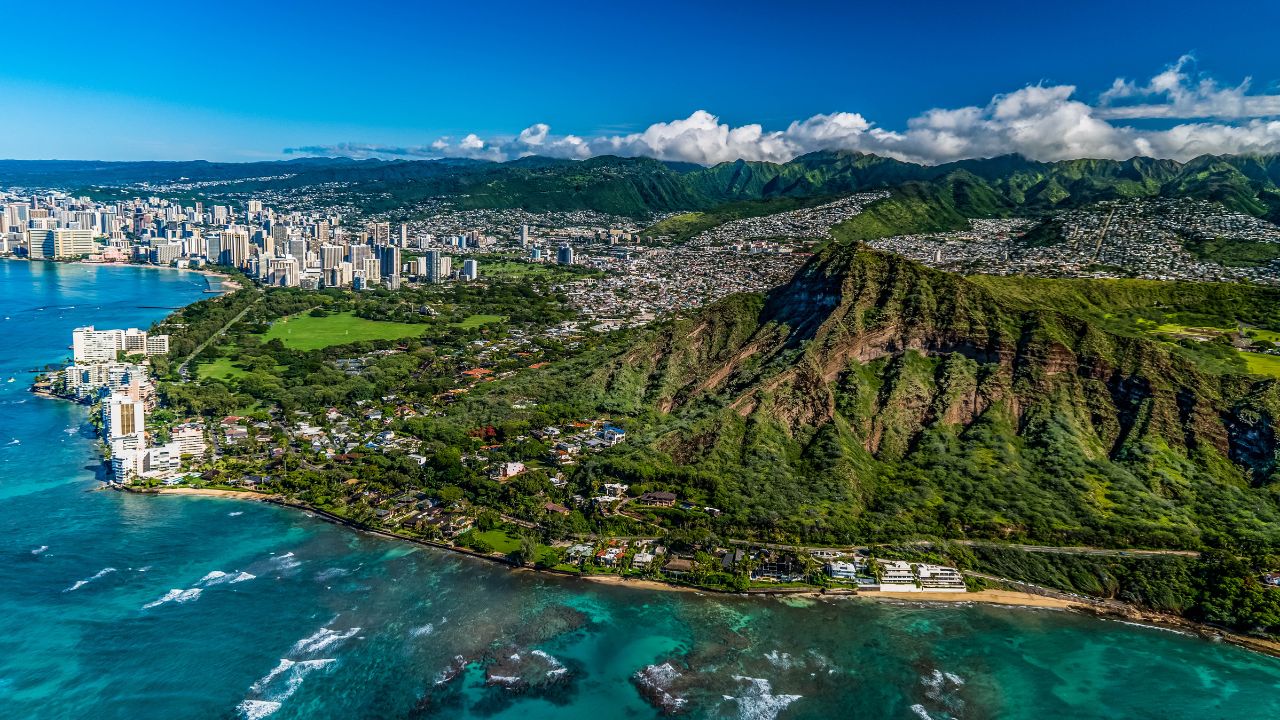
- Oahu: The Gathering Place – Home to the bustling capital city of Honolulu and the world-famous Waikiki Beach, Oahu offers a blend of vibrant city life, historical sites like Pearl Harbor, and iconic natural landmarks such as Diamond Head. It’s ideal for first-time visitors who want a taste of everything, from surfing lessons to cultural performances at the Polynesian Cultural Center.
- Maui: The Valley Isle – Renowned for its luxurious resorts, stunning beaches like Kaanapali Beach and those in Wailea, and the scenic Road to Hana, Maui is perfect for romance, family adventures, and outdoor enthusiasts. Watching the sunrise from the summit of Haleakala National Park is an unforgettable experience.
- Big Island: The Island of Hawaii – As its name suggests, it’s the largest island and is still growing thanks to the active Kilauea Volcano within Volcanoes National Park. It boasts incredible diversity, from black sand beaches near Kona to snow-capped mountains and lush rainforests. It’s a must for those seeking dramatic landscapes and geological wonders.
- Kauai: The Garden Isle – Famous for its verdant, jagged cliffs of the Na Pali Coast, deep canyons, and pristine beaches, Kauai appeals to nature lovers, hikers, and those seeking a more tranquil escape. Helicopter tours offer breathtaking views of its inaccessible interior.
Many visitors choose to island-hop, flying between islands to experience the unique charm of each. Inter-island flights are frequent and relatively short, making multi-island itineraries popular for longer stays. Be sure to factor in travel time between islands when crafting your schedule.
Accommodation Choices and Booking Strategies
Hawaii offers a vast array of accommodation options to suit every budget and lifestyle, from ultra-luxury resorts to charming vacation rentals and budget-friendly hotels.
- Luxury Resorts: For an indulgent experience, consider properties like the Four Seasons Resort Maui at Wailea or Aulani, A Disney Resort & Spa on Oahu. These offer world-class amenities, stunning oceanfront locations, and impeccable service, often catering to families, honeymooners, and those seeking a pampered escape. Other notable resorts include The Ritz-Carlton, Kapalua on Maui, Mauna Lani, Auberge Resorts Collection on the Big Island, and the Grand Hyatt Kauai Resort & Spa.
- Boutique Hotels and Mid-Range Options: For a balance of comfort and value, numerous boutique hotels and well-regarded chain hotels provide excellent services without the ultra-premium price tag. Look for properties in areas like Lahaina on Maui, Kona on the Big Island, or near Lihue on Kauai.
- Vacation Rentals (Apartments, Villas): Platforms like Airbnb and VRBO offer a wide range of vacation rentals, from cozy apartments to sprawling villas, providing more space, privacy, and often a kitchen for self-catering, which can be a budget-friendly option for families or longer stays.
- Budget Hotels and Hostels: For the budget-conscious traveler, especially in Honolulu, there are more economical hotel options and even a few hostels, allowing visitors to experience Hawaii without breaking the bank.
When booking, comparing prices across different platforms and directly with hotels or resorts can yield the best deals. Reading recent reviews is crucial for understanding the amenities, service quality, and overall experience. Consider factors like proximity to attractions, dining options, and transportation when making your choice. For long-term stays, vacation rentals often present a more comfortable and cost-effective solution than traditional hotels.
Embracing the Aloha Spirit: Activities, Culture, and Tips
Beyond the practicalities of travel, truly experiencing Hawaii means diving into its rich culture, exploring its natural wonders, and understanding the spirit of aloha. This is where the magic of a Hawaiian vacation truly comes alive.
Must-See Landmarks and Unforgettable Experiences
Hawaii is brimming with iconic landmarks and activities that cater to every interest:
- Natural Wonders: Marvel at the breathtaking cliffs of the Na Pali Coast on Kauai via a boat tour or helicopter ride. Witness the raw power of nature at Volcanoes National Park on the Big Island, where you might see active lava flows. Hike to the summit of Diamond Head for panoramic views of Waikiki Beach and Honolulu.
- Historical Sites: Pay respects at Pearl Harbor, a poignant reminder of history, including the USS Arizona Memorial.
- Beaches and Water Sports: Relax on the golden sands of Waikiki Beach, learn to surf, or snorkel in the vibrant coral reefs off Maui or Kauai. Kayaking, paddleboarding, and whale watching (seasonal) are also popular activities.
- Cultural Immersion: Attend a traditional luau, where you can enjoy kalua pig, poke, and other local delicacies while watching hula performances. Visit the Polynesian Cultural Center on Oahu to explore the diverse cultures of the Pacific. Explore local markets, art galleries, and small towns like Lahaina on Maui or Kona on the Big Island to experience the authentic Hawaiian lifestyle.
- Adventure: Hike through lush rainforests to hidden waterfalls, zipline over scenic valleys, or go scuba diving to explore underwater caverns and marine life.
Local Culture, Cuisine, and Responsible Tourism
Hawaii has a rich and unique culture rooted in the values of aloha, respect, and connection to the land (aina). Embracing these aspects enhances your visit.
- Respecting Local Customs: Always be mindful of local customs and traditions. Politeness, patience, and a genuine interest in the local way of life are greatly appreciated. Respect sacred sites and natural environments by adhering to marked trails and regulations.
- Savoring Hawaiian Cuisine: Don’t leave without trying authentic Hawaiian food. Beyond the luau staples, seek out local eateries for fresh poke, loco moco, shaved ice, and delicious tropical fruits. Farmers’ markets are excellent places to sample local produce and artisanal goods.
- Sustainable Tourism: Hawaii’s natural beauty is fragile. Practice responsible tourism by minimizing your environmental footprint. This includes using reef-safe sunscreen, conserving water, properly disposing of waste, and choosing tours and activities from operators committed to sustainable practices. Support local businesses and artisans to help the community thrive.
- Tips for Diverse Travelers: Whether you’re planning a luxury travel experience with high-end resorts and fine dining, a budget travel adventure utilizing hostels and food trucks, or a family trip with kid-friendly attractions, Hawaii has something for everyone. Research specific activities and accommodations that align with your travel style and preferences. Consider off-season travel (spring or fall) for fewer crowds and potentially better deals.
In conclusion, a journey to Hawaii from the United States is a domestic adventure for U.S. citizens, meaning no passport is required. A valid, REAL ID-compliant driver’s license or other acceptable government-issued photo ID is sufficient for airport security. For non-U.S. citizens, existing international travel documents (passport, visa, Green Card) are your key to unlocking the islands’ splendor. With the documentation sorted, you’re free to focus on crafting an unforgettable itinerary, choosing your ideal accommodation, and immersing yourself in the unparalleled beauty and warm hospitality that define the Hawaiian experience. Aloha, and happy travels!
LifeOutOfTheBox is a participant in the Amazon Services LLC Associates Program, an affiliate advertising program designed to provide a means for sites to earn advertising fees by advertising and linking to Amazon.com. Amazon, the Amazon logo, AmazonSupply, and the AmazonSupply logo are trademarks of Amazon.com, Inc. or its affiliates. As an Amazon Associate we earn affiliate commissions from qualifying purchases.