
While the question of when Hurricane Maria hit Puerto Rico might seem straightforward, its impact reverberates far beyond a simple date. This Category 5 storm, which made landfall on the island in September 2017, was a cataclysmic event that reshaped the landscape, challenged infrastructure, and profoundly affected the lives of Puerto Ricans. Understanding the timeline of its arrival and its immediate aftermath is crucial to appreciating the scale of the disaster and the long, arduous road to recovery.
The Approach and Landfall of a Monster Storm
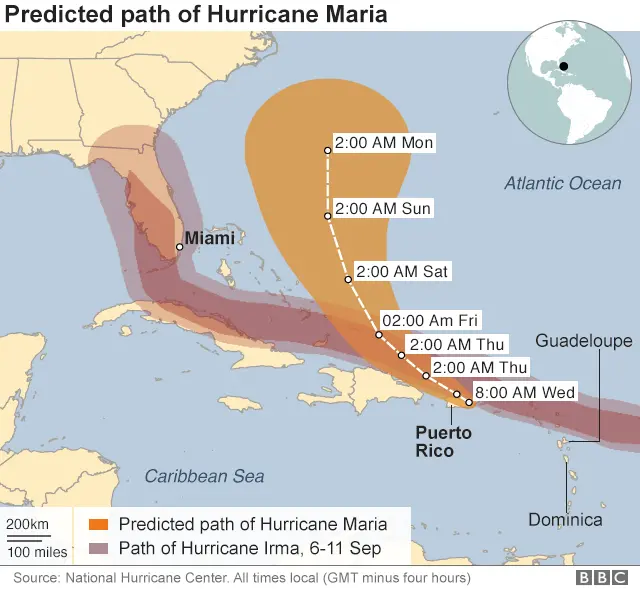
The formation of Hurricane Maria began as a tropical wave off the coast of Africa in mid-September 2017. It rapidly intensified, becoming a powerful hurricane as it churned through the Caribbean Sea. The storm’s trajectory set a direct course for Puerto Rico, a U.S. territory already recovering from the initial pass of Hurricane Irma just weeks earlier.
Initial Warnings and Preparations
As Maria approached, meteorological agencies issued dire warnings. Forecasters tracked its strengthening and predicted a direct hit, urging residents to take extreme precautions. Evacuation orders were issued for low-lying areas, and authorities worked to secure critical infrastructure. However, the island’s preparedness was already strained by the recent impact of Irma, which had caused significant damage and power outages. Many residents were still in the process of rebuilding and had limited resources to face another major storm. The sense of foreboding grew as the ominous swirling mass on weather radar edged closer, a harbinger of unprecedented devastation.
The Moment of Impact: September 20, 2017
Hurricane Maria made landfall on the southeastern coast of Puerto Rico near the municipality of Yabucoa in the early morning hours of Wednesday, September 20, 2017. It arrived as a monstrous Category 4 hurricane, with sustained winds of 155 miles per hour, just shy of Category 5 strength. The eyewall of the storm, a region of the most intense winds and rainfall, swept across the entire island for more than 12 hours.
The wind speeds were ferocious, tearing roofs off buildings, uprooting ancient trees, and transforming familiar landscapes into unrecognizable scenes of destruction. Power lines were downed en masse, plunging the entire island into darkness. The relentless rain caused widespread flooding, inundating homes and businesses and triggering devastating mudslides, particularly in the mountainous interior regions. The sheer power of the storm was unlike anything the island had experienced in modern history, leaving behind a trail of widespread devastation.
The Immediate Aftermath: A Crisis Unfolds
The immediate hours and days following Maria’s passage were marked by shock, isolation, and a burgeoning humanitarian crisis. The sheer scale of the damage made initial assessments incredibly difficult.

Communications Blackout
One of the most critical immediate impacts was the almost complete destruction of Puerto Rico’s communication infrastructure. Cell towers were toppled, and landlines were severed. This left millions of islanders unable to contact loved ones, report their needs, or receive crucial information about emergency services and aid. The lack of communication amplified the sense of isolation and fear, as residents were cut off from the outside world. For days, and in some cases weeks, families had no idea if their relatives on the island were safe.
Widespread Power Outages
The electrical grid, already fragile, was annihilated by Maria. The entire island of approximately 3.4 million people lost power, a blackout that would prove to be one of the longest in U.S. history. The absence of electricity had cascading effects, impacting everything from refrigeration and water purification to hospitals and communication systems. Hospitals struggled to operate on limited generator power, and the lack of air conditioning in the tropical heat added to the suffering of the population, especially the elderly and those with pre-existing health conditions.
Devastation to Infrastructure and Homes
Beyond the power grid, the storm ravaged Puerto Rico’s physical infrastructure. Roads were impassable due to fallen trees, debris, and flooding. Bridges were destroyed or rendered unsafe. The island’s water systems were severely compromised, leading to a widespread lack of potable water for many residents. Homes, from modest dwellings to more substantial structures, suffered catastrophic damage. Thousands were completely destroyed, leaving families homeless and displaced. The picturesque coastline was reshaped, with beaches eroding and coastal communities bearing the brunt of storm surges.
The Long Road to Recovery
The landfall date of Hurricane Maria on September 20, 2017, marked the beginning of a prolonged and challenging recovery period for Puerto Rico. The storm exposed deep-seated vulnerabilities in the island’s infrastructure and governance, while also revealing the remarkable resilience of its people.
Humanitarian Aid and Government Response
In the immediate aftermath, the U.S. federal government, along with international aid organizations, began to mobilize resources. However, the sheer scale of the disaster and the logistical challenges of reaching remote areas meant that aid delivery was often slow and insufficient in the initial weeks. Supplies like food, water, and medicine were critical, and their distribution was hampered by damaged infrastructure and a lack of effective coordination. Debates and criticisms arose regarding the speed and efficacy of the government’s response, both at the local and federal levels.

Rebuilding and Resilience
The recovery process has been a testament to the strength and determination of the Puerto Rican people. Residents worked together to clear debris, share resources, and support one another. Gradually, electricity was restored to different parts of the island, though it took months to achieve widespread power restoration, and even then, the grid remained susceptible to further disruptions. The rebuilding of homes, businesses, and critical infrastructure has been a multi-year endeavor. Many areas continue to grapple with the long-term consequences, including economic hardship and population displacement as some residents sought opportunities elsewhere. The memory of Hurricane Maria serves as a stark reminder of the vulnerabilities faced by island nations and the importance of robust disaster preparedness and resilient infrastructure in the face of escalating climate challenges. The date of its landfall remains etched in the collective memory as a turning point, signifying a period of immense hardship followed by an ongoing, determined effort toward rebuilding and a more resilient future for Puerto Rico.
LifeOutOfTheBox is a participant in the Amazon Services LLC Associates Program, an affiliate advertising program designed to provide a means for sites to earn advertising fees by advertising and linking to Amazon.com. Amazon, the Amazon logo, AmazonSupply, and the AmazonSupply logo are trademarks of Amazon.com, Inc. or its affiliates. As an Amazon Associate we earn affiliate commissions from qualifying purchases.