
The question “When did pot become legal in California?” is often one of the first inquiries for visitors intrigued by the state’s progressive stance on cannabis. While the answer points to a specific date, the broader story unfolds across decades, culminating in a recreational market that has profoundly reshaped the state’s tourism landscape, local culture, and activities. California, a pioneer in cannabis reform, has transitioned from a gray area to a regulated, multi-billion-dollar industry, offering unique experiences for tourists and integrating cannabis into its vibrant lifestyle. Understanding this evolution is key to appreciating the current state of cannabis tourism in the Golden State.

A Brief History of Cannabis Legalization in California
California’s journey toward cannabis legalization is a long and winding one, marked by groundbreaking legislation that continually challenged federal prohibition. This progressive path has ultimately positioned the state as a global leader in cannabis policy and a fascinating destination for cannabis tourism.
The Road to Medical Marijuana (1996)
The first significant shift occurred in 1996 with the passage of Proposition 215, also known as the Compassionate Use Act. This landmark legislation made California the first state in the nation to legalize medical cannabis. While not full recreational legalization, Proposition 215 created a framework for patients with qualifying medical conditions to legally obtain and use cannabis with a physician’s recommendation. This era saw the emergence of medical cannabis dispensaries, particularly in urban centers like San Francisco and Los Angeles, laying the groundwork for a regulated market and gradually shifting public perception. For over two decades, patients and their caregivers navigated this system, fostering a nascent cannabis culture that would eventually blossom into full recreational legality.
The Landmark Decision: Proposition 64 (2016)
The definitive answer to “When did pot become legal in California?” is November 8, 2016, with the overwhelming passage of Proposition 64, also known as the Adult Use of Marijuana Act (AUMA). This initiative legalized the recreational use of cannabis for adults aged 21 and older. While the vote occurred in 2016, the full retail market for adult-use cannabis didn’t officially open its doors until January 1, 2018.
Proposition 64 allowed adults to possess up to 28.5 grams (one ounce) of cannabis flower and 8 grams of concentrated cannabis, and to cultivate up to six cannabis plants for personal use. Crucially, it established a comprehensive regulatory framework for the cultivation, processing, distribution, and sale of cannabis, creating a legal, taxed, and highly controlled industry. This move transformed California into the world’s largest legal cannabis market, paving the way for a unique branch of tourism.
The Evolving Landscape of Cannabis Tourism in California
With recreational cannabis legal since 2018, California has become a hotspot for “cannabis tourism,” drawing visitors interested in exploring this burgeoning industry and its associated experiences. The state offers a diverse range of activities, from high-end dispensaries to immersive farm tours, all while contributing to a distinct facet of California’s local culture.
Dispensaries: A New Tourist Attraction
Gone are the days of secretive, back-alley transactions. Today, licensed cannabis dispensaries across California operate as legitimate, often upscale, retail establishments. For many tourists, visiting a dispensary is akin to exploring a local brewery or a specialty food market – an integral part of the travel experience. These establishments range from sleek, modern boutiques offering personalized consultations to large-scale retail outlets with a vast array of products.
Cities like Los Angeles, San Francisco, Oakland, and Palm Springs are particularly popular for their concentration of dispensaries, many of which cater to a discerning clientele with knowledgeable “budtenders” ready to guide customers through options like flower, edibles, vapes, tinctures, and topicals. The experience can be educational, showcasing the innovation in cannabis products and demystifying the plant for curious visitors.
Cannabis Tours and Experiences
Beyond simply purchasing cannabis, tourists in California can now partake in a variety of curated cannabis experiences. Tour operators have emerged, offering everything from “cannabus” tours that shuttle guests between dispensaries and cultivation sites, to educational farm visits in regions like Humboldt County, often referred to as the “Emerald Triangle” due to its rich history of cannabis cultivation.
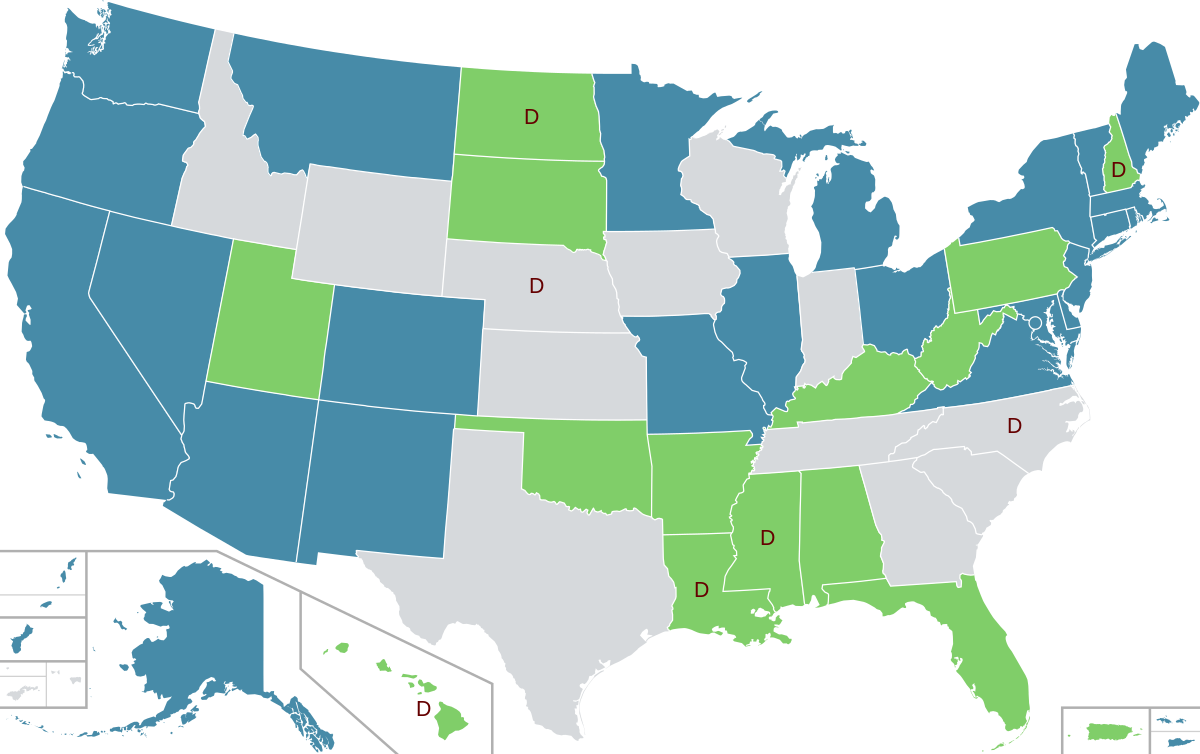
These tours provide insight into the cultivation process, from seed to sale, and offer a glimpse into the agricultural side of the industry. Other creative activities have also gained popularity, such as “puff and paint” classes, cannabis-infused cooking workshops, and even cannabis-friendly yoga sessions. These experiences integrate cannabis into recreational and wellness activities, aligning with California’s broader lifestyle and tourism trends.
Cannabis-Friendly Accommodations
While public consumption of cannabis remains largely restricted, a niche market for cannabis-friendly accommodations is slowly developing. Due to federal laws that still classify cannabis as illegal, major hotel chains are hesitant to explicitly permit consumption on their premises. However, a growing number of private rentals, boutique hotels, and dedicated cannabis resorts or bud and breakfasts are emerging. These establishments often provide designated consumption areas, offer cannabis-related amenities, and cater specifically to tourists seeking a more integrated cannabis experience. Tourists interested in consuming cannabis during their stay should always verify the accommodation’s policy beforehand to ensure compliance and avoid issues.
Navigating Cannabis Legality as a Tourist
While cannabis is legal in California, it’s crucial for tourists to understand the specific laws and regulations to ensure a safe and enjoyable visit. Misinformation or ignorance of the law can lead to fines or more serious consequences, diminishing the overall travel experience.
Key Regulations and Restrictions
- Age Limit: Only adults aged 21 and older with a valid government-issued ID can purchase or consume recreational cannabis.
- Purchase Limits: Tourists can purchase up to 28.5 grams of non-concentrated cannabis and up to 8 grams of concentrated cannabis per day.
- Public Consumption: It is illegal to consume cannabis in public places, including sidewalks, parks, beaches, restaurants, and bars. This also extends to federal lands, such as national parks and forests. Consumption is generally restricted to private residences or licensed cannabis consumption lounges (which are still relatively rare but growing).
- Driving Under the Influence (DUI): Driving while impaired by cannabis is illegal and carries severe penalties, similar to alcohol-related DUIs. It is also illegal to consume cannabis in a vehicle, whether driving or as a passenger.
- Transportation: It is illegal to transport cannabis across state lines, even if both states have legalized it, as cannabis remains federally illegal. Transporting cannabis across international borders is also strictly prohibited. Within California, cannabis must be in a sealed container or the trunk of a vehicle.
- Hotel Policies: Most hotels prohibit cannabis consumption on their property. Always check with your accommodation provider before consuming any cannabis products.
Responsible Consumption and Etiquette
For those new to cannabis, or trying products in a new environment, responsible consumption is paramount.
- Start Low, Go Slow: Especially with edibles, which can take longer to take effect and have more potent, prolonged effects, it’s advised to start with a low dose (e.g., 2.5-5 mg of THC) and wait at least an hour or two before considering more.
- Be Mindful of Surroundings: Always be respectful of non-consumers and local communities. Avoid consuming cannabis in areas where it might cause discomfort or be inappropriate.
- Understand Product Labeling: Familiarize yourself with THC and CBD content, as well as strain types (indica, sativa, hybrid) if applicable, to make informed choices that align with your desired experience.
- Storage: Keep cannabis out of reach of children and pets.
The Economic and Cultural Impact on California Tourism
The legalization of recreational cannabis has had a multifaceted impact on California’s economy and cultural identity, particularly within the tourism sector. This shift represents more than just a new product; it’s a new dimension of the California experience.
Boosting Local Economies
The cannabis industry generates substantial tax revenues for both the state and individual cities, which are then reinvested into public services and community development. Beyond direct sales, the industry supports a vast ecosystem of ancillary businesses, including security services, marketing agencies, packaging companies, and specialized consultants. This has led to the creation of thousands of jobs in cultivation, processing, retail, and hospitality, providing economic opportunities across various skill levels. Cannabis tourism specifically draws visitors who spend money not only on cannabis products but also on accommodations, food, entertainment, and other local attractions, further stimulating local economies.

Shaping California’s Identity
California has historically been at the forefront of cultural trends and progressive movements, and its leadership in cannabis policy further solidifies this identity. The integration of cannabis into mainstream culture, especially within the tourism sector, reflects a broader societal shift towards acceptance and normalization. Cannabis is increasingly viewed through lenses of wellness, lifestyle, and sophisticated connoisseurship, much like wine or craft beer. This perception reshapes how California is seen by the world, attracting a new demographic of tourists interested in exploring this evolving facet of local culture. The state continues to innovate, with new consumption lounges and experiential offerings emerging, positioning California as the definitive destination for cannabis-curious travelers.
The journey of cannabis legalization in California from a prohibited substance to a regulated recreational product is a testament to the state’s progressive spirit. While Proposition 64 in 2016 marked the pivotal moment, the subsequent years have seen the industry flourish, creating a vibrant cannabis tourism sector. For travelers, this means a unique opportunity to explore dispensaries, partake in specialized tours, and experience the plant in a legal, regulated environment. By understanding the regulations and embracing responsible consumption, tourists can safely and enjoyably immerse themselves in California’s dynamic and evolving cannabis culture.
LifeOutOfTheBox is a participant in the Amazon Services LLC Associates Program, an affiliate advertising program designed to provide a means for sites to earn advertising fees by advertising and linking to Amazon.com. Amazon, the Amazon logo, AmazonSupply, and the AmazonSupply logo are trademarks of Amazon.com, Inc. or its affiliates. As an Amazon Associate we earn affiliate commissions from qualifying purchases.