
The landscape of collegiate athletics underwent a seismic shift on July 1, 2012, when Texas A&M University officially became a member of the prestigious Southeastern Conference (SEC). This pivotal decision marked the end of an era for the Aggies in the Big 12 Conference and ushered in a new chapter filled with heightened competition, expanded national exposure, and significant economic implications for the university, its home city of College Station, and the broader region. The move was not merely a change of athletic affiliation; it represented a strategic repositioning that profoundly impacted everything from fan travel and tourism to local economies and the very lifestyle of college football enthusiasts. For travelers and sports tourists, Texas A&M’s entry into the SEC created fresh opportunities to explore new destinations, experience vibrant game-day cultures, and witness some of the most passionate rivalries in the United States.
The Road to the SEC: A Historic Shift in Collegiate Athletics
The decision for Texas A&M to depart the Big 12 Conference was a complex one, rooted in a confluence of factors that had been simmering for years. At the heart of it was a desire for greater independence and a clearer identity, often overshadowed by the larger-than-life presence of the University of Texas. The ongoing rivalry, while historic, frequently led to perceived imbalances in revenue distribution, media coverage, and conference influence, prompting Texas A&M to seek a new stage where it could forge its own path.
Financial considerations played a paramount role in the university’s calculus. The SEC, already a powerhouse in collegiate sports, offered significantly more lucrative media rights deals and a more stable financial outlook for its member institutions. Joining the SEC promised a substantial increase in revenue, which could be reinvested into athletic programs, facilities, and academic initiatives, thereby enhancing the university’s overall standing. Beyond finances, the move offered unparalleled brand visibility. The SEC’s robust national television contracts, particularly with networks like ESPN and CBS, guaranteed that Texas A&M athletics, and by extension the university itself, would gain exposure to millions more households across the country, boosting recruitment efforts for both athletes and students.
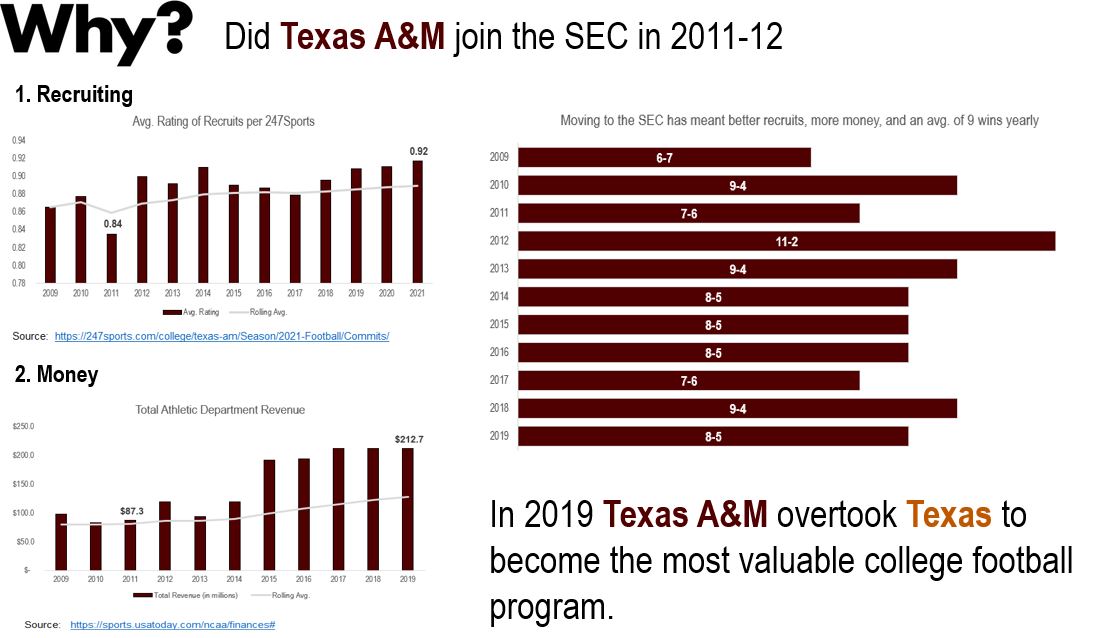
The process was meticulously navigated by university leadership, most notably by then-President Dr. R. Bowen Loftin, with the full support of the Texas A&M University System Board of Regents. Their vision was to position Texas A&M on a national stage commensurate with its aspirations and legacy. The SEC, in turn, saw an attractive opportunity for expansion. The addition of a major research university from the burgeoning Texas market represented a strategic move to broaden its geographic footprint and tap into one of the most talent-rich states for high school athletics. This expansion was not limited to Texas A&M alone; the University of Missouri simultaneously joined the conference, further solidifying the SEC’s presence in key media markets and strengthening its already formidable position in college sports.
A New Era for Aggie Nation and SEC Football
The immediate impact of Texas A&M’s transition to the SEC was palpable, particularly within its flagship sport, football. The Aggies were instantly thrust into a new echelon of competition, facing storied programs and passionate fan bases week in and week out. The initial season, 2012, proved to be an unexpected triumph, largely fueled by the breakout performance of quarterback Johnny Manziel, who would go on to win the Heisman Trophy. This immediate success not only galvanized the Aggie Nation but also sent a clear message to the rest of the conference that Texas A&M was ready to compete at the highest level.
For fans, the move brought a renewed sense of excitement and anticipation. Game days at Kyle Field transformed, if possible, into even more electrifying spectacles, drawing in both loyal Aggies and curious fans from other SEC schools. The challenges were immense, demanding an elevated commitment from athletes, coaches, and the entire athletic department, but the rewards—in terms of national recognition, recruiting prowess, and the sheer thrill of competing against the best—were undeniable. For the SEC, the inclusion of Texas A&M reinforced its reputation as the premier conference in college football, adding a vibrant new market and a fiercely loyal fan base to its already dominant portfolio. It cemented the conference’s position as a powerhouse, capable of attracting top talent and delivering compelling matchups that captivate a national audience.
The Economic and Tourism Boom: SEC Football’s Ripple Effect
Beyond the athletic contests themselves, Texas A&M’s entry into the SEC catalyzed a significant economic and tourism boom, illustrating how collegiate sports are deeply intertwined with local economies and the travel industry. SEC football, in particular, is not just a game; it’s a cultural phenomenon that drives millions of dollars in spending and creates memorable experiences for travelers.
Game Day Travel and Fan Experiences
The tradition of SEC game day travel is legendary, and Texas A&M’s inclusion amplified this trend. For Aggie fans, the move opened up a host of new destinations to explore for away games, transforming mundane weekends into exciting travel adventures. They began making pilgrimages to iconic SEC towns like Baton Rouge (LSU), Tuscaloosa (Alabama), Gainesville (Florida), and Athens (Georgia), each offering a unique regional flavor and game-day atmosphere. Conversely, fans from other SEC schools now had a new, vibrant destination to visit in College Station.
These game day trips are far more than just attending a football match. They involve comprehensive travel planning, from securing flights or mapping out road trips to booking accommodations and making reservations at local restaurants. The atmosphere in an SEC town on game day is unlike any other: streets are awash in team colors, the air is thick with anticipation and the scent of barbecue, and hospitality reigns supreme. For many, these trips are annual rituals, combining the thrill of competition with the joy of exploration and camaraderie. Fans actively seek out local experiences, whether it’s visiting historic landmarks, sampling regional cuisine, or simply soaking in the distinctive culture of each college town.

Boosting Local Economies and Accommodation
The influx of thousands of visiting fans for home games has a profound and immediate economic impact on host cities. For College Station, the transition to the SEC meant a significant boost in tourism revenue. Local businesses—restaurants, bars, retail shops, and gas stations—experience a surge in demand, often seeing their busiest weekends coincide with home football games. This economic injection supports local jobs and can stimulate further investment in the community.
The accommodation sector, in particular, feels the direct effects. Hotels in and around College Station often sell out months in advance for high-profile SEC matchups, with rates typically escalating due to demand. This has led to the development of new lodging options and the expansion of existing ones, catering to a diverse range of traveler preferences. From upscale boutique hotels like The George and Cavalry Court in the Century Square district, offering luxury stays and sophisticated amenities, to more budget-friendly options, vacation rentals, and even specialized RV parks for the dedicated tailgating crowd, the variety of accommodation has grown to meet the needs of traveling fans. This dynamic is replicated across every SEC campus, turning game weekends into mini-tourism booms for destinations throughout the Southeast. Beyond direct spending, the increased visibility of these towns through national broadcasts often encourages return visits from travelers who may initially come for a game but discover a charming destination worth exploring further.
Lifestyle of an SEC Fan: Beyond the Gridiron
Being an SEC fan is more than just following a team; it’s a lifestyle that intertwines sports with deep-rooted traditions, culinary adventures, and a strong sense of community. The move to the SEC integrated Texas A&M into this vibrant tapestry, offering Aggie fans and visitors alike a richer, more immersive experience.
Tailgating Culture and Culinary Adventures
The legendary tailgating scene is arguably one of the most defining aspects of the SEC lifestyle. Before every home game, the areas surrounding Kyle Field transform into a sprawling festival of food, music, and camaraderie. Tents of all sizes pop up, equipped with televisions, elaborate cooking setups, and comfortable seating, creating temporary outdoor living rooms. This is where friendships are forged, rivalries are respectfully debated, and the anticipation for the game builds. The food is often as much of a highlight as the game itself, ranging from classic Texas barbecue and chili to regional specialties that reflect the diverse culinary traditions of the South.
For traveling fans, tailgating offers a unique opportunity to immerse themselves in local culture and hospitality. Many long-standing tailgating groups are renowned for their generosity, often inviting passersby to share a meal and a drink. It’s a social event that extends far beyond kickoff, creating a festive atmosphere that is central to the overall game-day travel experience. Moreover, exploring the culinary landscape of SEC towns provides an additional layer of adventure. From upscale dining to beloved local diners, each destination boasts its own gastronomic delights, inviting visitors to savor the flavors of the region. Whether it’s the seafood of Louisiana, the barbecue of Georgia, or the Tex-Mex influences in Texas, the food scene is an integral part of the travel itinerary for many SEC enthusiasts.
Exploring SEC Destinations: Landmarks and Local Culture
For the discerning traveler, an SEC game-day trip is an ideal springboard for broader exploration. Beyond the stadium, each college town offers its own distinct character, history, and attractions waiting to be discovered. In College Station, visitors can delve into the rich history of the military and patriotic service at The Museum of the American G.I., or explore the George Bush Presidential Library and Museum, offering insights into a pivotal period of American history. The campus itself, with its iconic Military Walk and academic landmarks, is worth a leisurely stroll.
When traveling to other SEC venues, the opportunities for cultural immersion are equally compelling. In Baton Rouge, home of the LSU Tigers, one might visit the Louisiana State Capitol, tour the Old State Capitol, or explore the natural history exhibits at the Louisiana State University Museum of Natural Science. In Tuscaloosa, the Paul W. Bryant Museum offers a deep dive into the legendary history of Alabama football, while the Moundville Archaeological Park provides a glimpse into ancient Native American cultures. These cities, often vibrant hubs of academic life and Southern charm, offer a blend of historical landmarks, natural beauty, and contemporary attractions that enhance the overall travel experience. The SEC game day becomes not just about the score, but about the journey, the discoveries made, and the unique cultural tapestry woven into each destination.
Texas A&M University’s move to the Southeastern Conference on July 1, 2012, marked a watershed moment in collegiate athletics, transforming the university’s trajectory and reshaping the landscape of college sports. This strategic realignment brought forth a new era of intense competition, significant financial growth, and unparalleled national exposure for the Aggies. Beyond the athletic realm, the decision created a profound ripple effect across travel, tourism, and local economies. It spurred increased demand for accommodation, from luxury hotels to quaint vacation rentals, in host cities like College Station, and enriched the travel experience for thousands of fans embarking on game-day excursions. The vibrant lifestyle associated with SEC football, characterized by legendary tailgating, diverse culinary explorations, and the opportunity to discover new landmarks and local cultures, has become an integral part of the fan experience. Ultimately, Texas A&M’s entry into the SEC not only solidified the conference’s dominance but also profoundly enhanced the travel and lifestyle opportunities for sports enthusiasts across the United States, proving that college football is truly more than just a game—it’s an adventure.
LifeOutOfTheBox is a participant in the Amazon Services LLC Associates Program, an affiliate advertising program designed to provide a means for sites to earn advertising fees by advertising and linking to Amazon.com. Amazon, the Amazon logo, AmazonSupply, and the AmazonSupply logo are trademarks of Amazon.com, Inc. or its affiliates. As an Amazon Associate we earn affiliate commissions from qualifying purchases.