
When visitors embark on a journey to New York City, their minds often conjure images of towering skyscrapers in Manhattan, the vibrant arts scene of Brooklyn, or the eclectic cultural mosaic of Queens. Yet, one of the city’s most historically rich, culturally diverse, and naturally abundant boroughs often remains an intriguing question mark for many: “Where is Bronx in New York?” The answer unveils a unique corner of the Big Apple, a borough teeming with attractions, green spaces, and a distinct identity that sets it apart.
The Bronx, proudly positioned as the northernmost borough of New York City, holds a significant place not just geographically but also culturally and historically. It is the only one of the five boroughs primarily located on the North American mainland, connected to the contiguous United States. This geographical distinction, along with its rich narrative, vibrant communities, and expansive natural beauty, makes the Bronx an essential destination for anyone seeking to truly understand the multifaceted spirit of NYC. Far from being merely a residential area, the Bronx offers an immersive experience, blending urban grit with sprawling parks, historic architecture with cutting-edge culture, and a culinary scene as diverse as its population. This guide delves into the essence of the Bronx, inviting travelers to explore its iconic landmarks, savor its distinct flavors, and discover why this borough is a treasure trove waiting to be uncovered.

Locating the Bronx: Geography, History, and Identity
Understanding the Bronx begins with grasping its unique position and the historical forces that shaped its character. Its location on the mainland, separated from Manhattan Island by the Harlem River, immediately sets it apart. This connection to the mainland has influenced its development, offering a blend of urban density and suburban tranquility that is distinct within the five boroughs.
A Unique Position on the Mainland
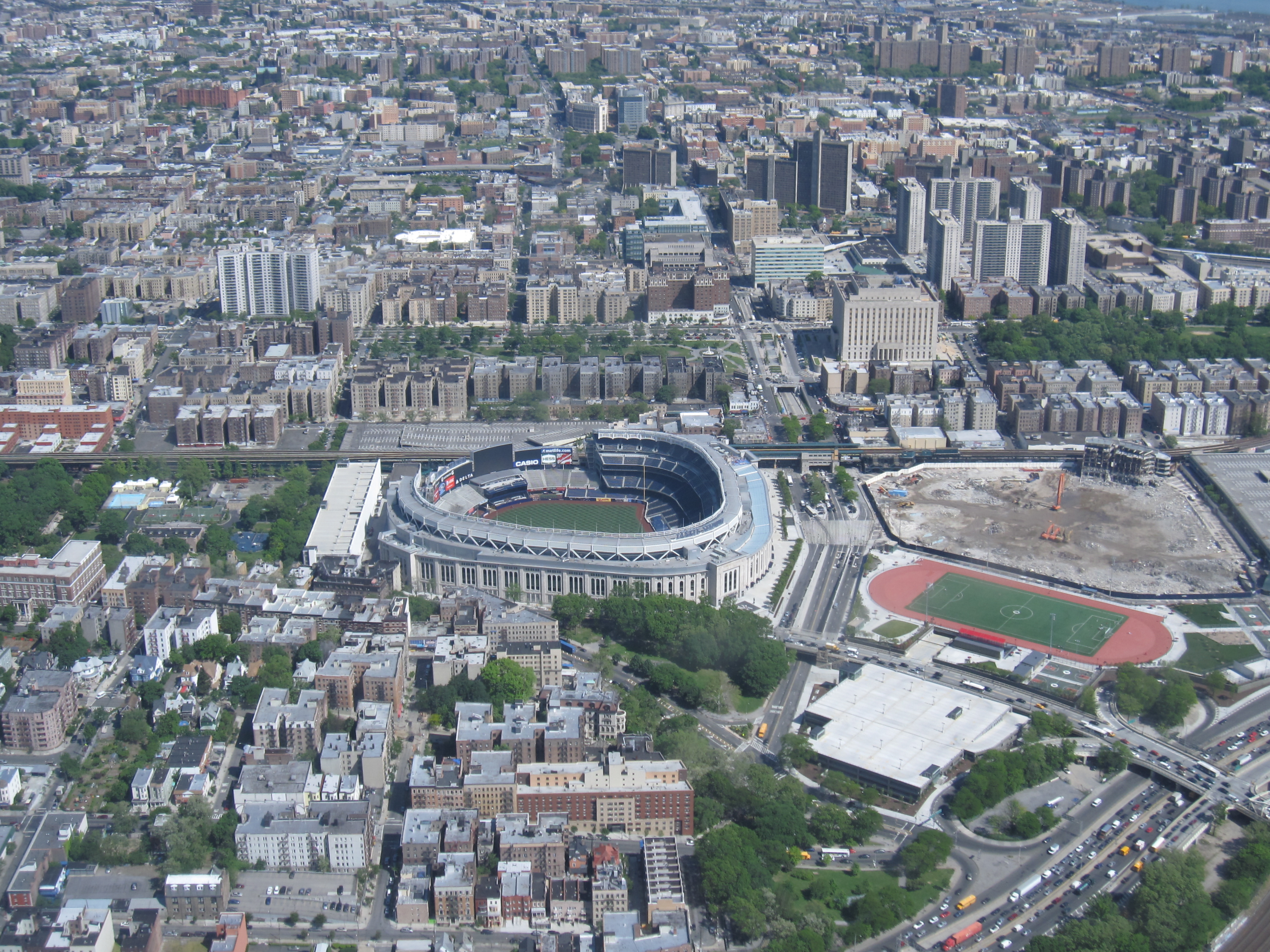
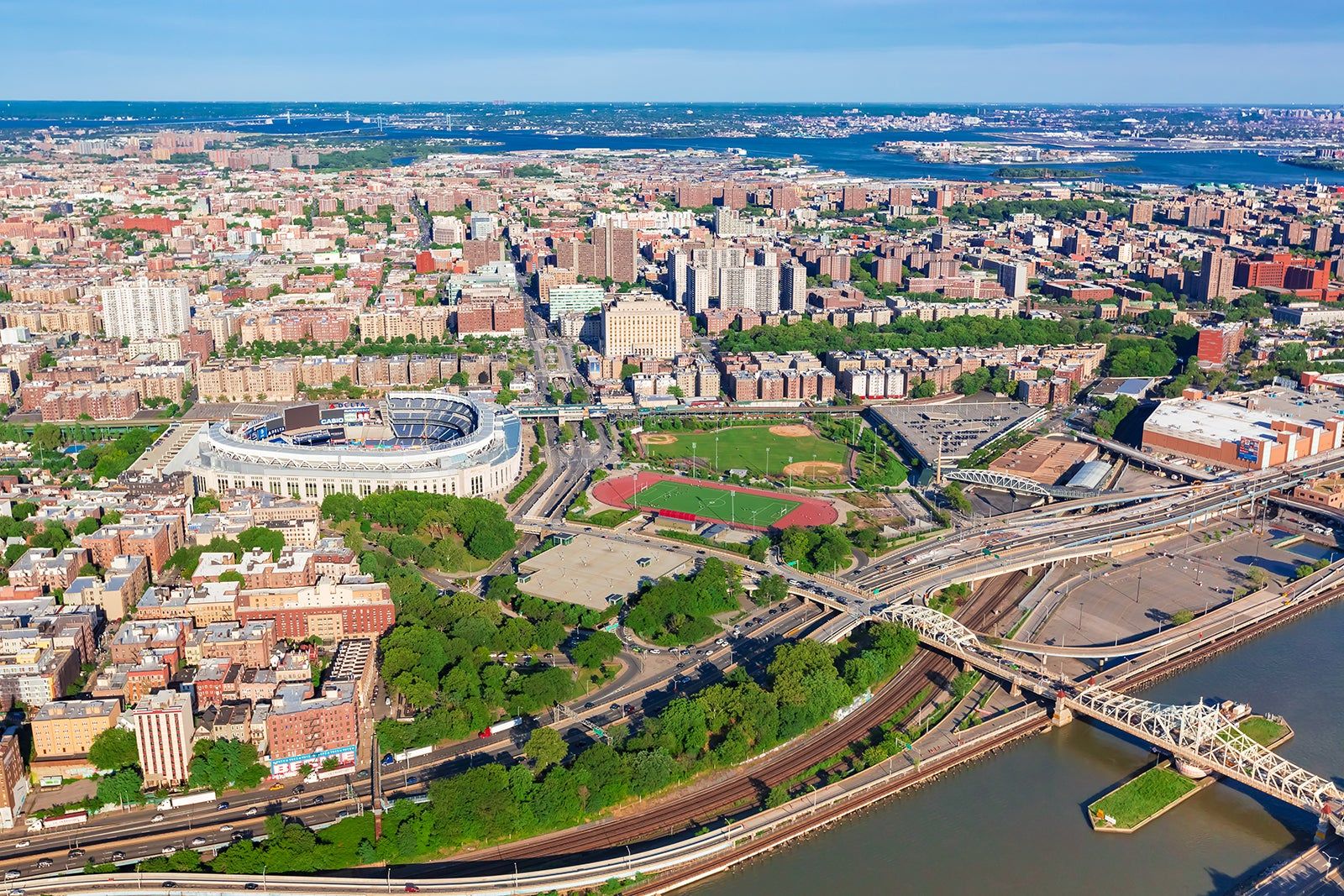
Geographically, the Bronx is bordered by the Hudson River to the west, the East River and Long Island Sound to the southeast, and Westchester County to the north. Its northern position means it serves as a gateway to New York City from points north, making it a crucial transit hub. This strategic location also means it boasts a remarkable amount of green space for an urban environment. With over 7,000 acres of parkland, the Bronx offers a significant natural escape, providing residents and visitors with access to rivers, forests, and some of the city’s most expansive parks. This abundance of nature contributes to a lifestyle often associated with suburban living, yet it remains firmly within the vibrant pulse of one of the world’s greatest cities. The landscape transitions from dense urban neighborhoods in the south to more residential, almost bucolic areas in the north, showcasing the borough’s diverse offerings.
Historical Roots and Cultural Tapestry
The history of the Bronx is as rich and complex as the city itself. Named after Jonas Bronck, a Swedish sea captain who established the first European settlement in the area in 1639, the borough’s narrative is one of constant evolution. From early Dutch and English settlements to a pivotal role in the American Revolution, and then its rapid urbanization with the advent of the railroads and the subway system, the Bronx has always been a place of change and growth. The 19th and early 20th centuries saw massive immigration, transforming the Bronx into a melting pot of cultures. Irish, Italian, Jewish, and later African American and Latino communities, each left an indelible mark, shaping the borough’s unique character.
This historical layering has forged a distinctive cultural tapestry. The Bronx is often celebrated as the birthplace of Hip Hop, a global cultural phenomenon that originated from its vibrant street corners and community centers in the 1970s. This legacy continues to infuse the borough with a dynamic energy, reflected in its art, music, and local traditions. The spirit of resilience and community is palpable, offering visitors a glimpse into the authentic heart of New York City away from the more commercialized tourist hubs. Its neighborhoods, each with its own distinct flavor, tell stories of perseverance, artistic innovation, and a deep-seated pride in local heritage.
Unveiling the Bronx’s Iconic Landmarks and Attractions
Beyond its geographical location and rich history, the Bronx truly shines through its impressive array of landmarks and attractions. From expansive natural oases to significant cultural institutions and world-renowned sports venues, the borough offers an experience that caters to every interest, making it a prime destination for travelers seeking diverse experiences.
Natural Wonders and Green Spaces
The Bronx is a verdant paradise within an urban sprawl, boasting some of New York City’s most magnificent green spaces.
The crown jewel is undoubtedly the New York Botanical Garden. Spanning 250 acres, this National Historic Landmark is a living museum, research center, and educational institution dedicated to plant science. Its breathtaking collections include a 50-acre old-growth forest, the historic Enid A. Haupt Conservatory (a stunning Victorian glasshouse), and a diverse range of themed gardens, from the serene Japanese Rock Garden to the vibrant Peggy Rockefeller Rose Garden. It’s a perfect destination for nature lovers, photographers, and anyone seeking tranquility amidst the city’s hustle.
Adjacent to the Botanical Garden lies the world-famous Bronx Zoo. Covering 265 acres, it is one of the largest metropolitan zoos in the world and home to over 6,000 animals across 700 species. The zoo is renowned for its naturalistic habitats, such as the Congo Gorilla Forest, Wild Asia Monorail, and JungleWorld, offering immersive experiences that transport visitors to diverse ecosystems across the globe. It’s not just an attraction but a leading institution in wildlife conservation and education, making it an ideal family-friendly destination for both entertainment and learning.
Beyond these two giants, the Bronx is home to other expansive parks. Pelham Bay Park, at 2,772 acres, is New York City’s largest park, offering miles of hiking and biking trails, a golf course, and the popular Orchard Beach, affectionately known as “the Riviera of New York City.” Van Cortlandt Park, the city’s third-largest, boasts diverse landscapes, including forests, wetlands, and open fields, perfect for sports, horse riding, and exploring historical sites like the Van Cortlandt House Museum.
Cultural Hubs and Historical Sites
The Bronx also offers a rich tapestry of cultural and historical landmarks that tell the story of its past and present.
One such gem is the Edgar Allan Poe Cottage in Poe Park. This modest wooden farmhouse was the final home of the legendary American writer Edgar Allan Poe from 1846 to 1849, where he penned some of his most famous works, including “Annabel Lee” and “The Bells.” Visitors can step back in time and imagine the life of the literary master, gaining insight into the conditions that inspired his haunting verses.
The Grand Concourse is another iconic landmark, a magnificent boulevard often compared to Paris’ Champs-Élysées. Built in the early 20th century, it is renowned for its stunning Art Deco architecture, showcasing an impressive collection of buildings designed in this distinctive style. A stroll along the Concourse is like a journey through architectural history, with each building telling a story of the borough’s gilded age and its subsequent transformations.
For a completely different vibe, City Island offers a quaint, maritime escape. This small island, connected to the mainland Bronx by a bridge, feels more like a New England fishing village than a part of New York City. It’s famous for its seafood restaurants, antique shops, and a charming, laid-back atmosphere, making it a popular destination for a day trip or a leisurely meal.
Sports and Entertainment Mecca
No discussion of Bronx landmarks would be complete without mentioning Yankee Stadium. Home to the legendary New York Yankees baseball team, this iconic venue is a pilgrimage site for sports enthusiasts worldwide. Beyond baseball games, the stadium hosts concerts, football matches, and other major events. Even for non-sports fans, a visit offers a taste of American sporting culture and a chance to soak in the electric atmosphere of a historic venue. Guided tours provide an inside look at the stadium’s storied past, including its monument park and museum, which celebrates the team’s incredible legacy.
Experiencing the Bronx: Culture, Cuisine, and Community
The true essence of the Bronx lies in its vibrant culture, diverse culinary scene, and the warmth of its communities. Exploring these facets offers a deeper, more authentic understanding of the borough and its enduring appeal.
A Culinary Journey
The Bronx’s culinary landscape is a testament to its multicultural heritage. The most famous food destination is undoubtedly Arthur Avenue in the Belmont neighborhood, often hailed as the “Real Little Italy of New York.” Here, visitors can indulge in authentic Italian-American cuisine, from traditional pasta dishes and wood-fired pizzas to artisanal cheeses, cured meats, and freshly baked pastries. The area boasts historic delis, bakeries, fish markets, and butcher shops, many run by families for generations, offering a sensory experience that transports diners directly to the streets of Italy.
Beyond Arthur Avenue, the Bronx offers an incredible range of international flavors. Thanks to its significant Latin American and Caribbean populations, the borough is a haven for delicious Puerto Rican, Dominican, Mexican, and West African cuisines. From savory mofongo and empanadas to jerk chicken and vibrant curries, the food scene is an adventure in itself, inviting travelers to explore a world of tastes and aromas. Local food trucks and bustling markets further enrich this gastronomic journey, providing authentic, affordable, and incredibly flavorful options that showcase the borough’s diverse palate.
Arts, Music, and Local Vibes
The Bronx pulses with an undeniable artistic energy, particularly as the birthplace of Hip Hop. The genre’s origins can be traced to parties in the South Bronx in the 1970s, where DJs like DJ Kool Herc pioneered techniques that laid the foundation for a global cultural movement. Visitors can delve into this history through guided tours focusing on Hip Hop landmarks or by simply absorbing the vibrant street art and music that continue to thrive in the borough.
Beyond Hip Hop, the Bronx supports a thriving contemporary art scene, with galleries and community art spaces showcasing local talent and thought-provoking exhibitions. The Bronx Museum of Art (known as the BXMA) is a pivotal institution, dedicated to collecting, preserving, and exhibiting modern and contemporary art, with a focus on artists of African, Asian, and Latin American descent, and artists from the Bronx and wider New York City. Throughout the year, numerous festivals and community events celebrate the borough’s diverse heritage, from Puerto Rican Day Parades to Irish cultural festivals, offering immersive experiences that highlight the borough’s vibrant communal spirit.
Planning Your Stay: Accommodation and Travel Tips
For those planning to explore the Bronx, understanding the accommodation options and best travel practices is key to a seamless and enjoyable visit. The borough, while less saturated with mega-hotels than Manhattan, offers suitable choices that cater to various preferences and budgets, along with efficient transportation links.
Finding the Perfect Stay
While the Bronx might not have the sheer volume of luxury hotels seen in other parts of New York City, it does provide a range of comfortable and convenient accommodation options. Travelers will find reputable chain hotels, such as the Residence Inn by Marriott or the Wingate by Wyndham, particularly near major thoroughfares and attractions like Yankee Stadium or in areas with good access to public transportation. These hotels typically offer modern amenities, comfortable rooms, and often include complimentary breakfast, making them suitable for both short stays and longer trips.
For those seeking a more local experience or long-term stay, various apartments and vacation rentals are available through platforms specializing in Accommodation booking and Reviews. These options can provide a sense of immersion into local neighborhoods, offering more space and the flexibility of self-catering. While dedicated boutique hotels are less common, the charm of the Bronx often lies in discovering smaller, community-focused guest houses or bed-and-breakfasts, though these require more thorough research. When considering where to stay, areas with easy subway access are highly recommended, as they allow for convenient exploration of both the Bronx and other New York City boroughs. Comparison websites and reviews are invaluable tools for finding the best fit for your lifestyle and travel needs, whether you’re on a budget travel adventure or a family trip.
Navigating the Bronx
Getting around the Bronx and to other parts of New York City is relatively straightforward thanks to the extensive public transportation network. The MTA subway system is the most efficient way to travel, with several lines (2, 4, 5, 6, D) serving various parts of the borough, connecting it directly to Manhattan and Brooklyn. A single MetroCard provides access to both subways and buses, which cover routes not reached by trains, making intra-borough travel convenient.
For those who prefer driving, the Bronx is accessible via major highways like the Major Deegan Expressway and the Bronx River Parkway. However, parking can be challenging, especially in denser neighborhoods, and traffic can be heavy during peak hours. Taxis and ride-sharing services are also readily available.
When planning your visit, consider the best times of year to experience the Bronx’s outdoor attractions. Spring and fall offer pleasant weather for exploring parks and gardens, while summer is ideal for Orchard Beach and outdoor festivals. Always prioritize personal safety, especially when exploring new neighborhoods, and stay aware of your surroundings, just as you would in any major city. Leveraging local guides or experiences can provide deeper insights and a richer understanding of the borough’s nuances.
In conclusion, the question “Where is Bronx in New York?” opens the door to a truly remarkable and often underestimated part of New York City. From its unique geographical position as the only mainland borough to its vibrant cultural legacy as the birthplace of Hip Hop, the Bronx offers a compelling narrative. Its expansive green spaces, world-class attractions like the New York Botanical Garden and the Bronx Zoo, and a culinary scene that tantalizes with global flavors, ensure that every visit is filled with discovery. For travelers seeking an authentic, diverse, and enriching New York City experience that extends beyond the typical tourist trails, the Bronx stands ready to welcome and surprise. It’s a borough that embodies resilience, creativity, and community spirit, inviting you to explore its hidden gems and vibrant heart.
LifeOutOfTheBox is a participant in the Amazon Services LLC Associates Program, an affiliate advertising program designed to provide a means for sites to earn advertising fees by advertising and linking to Amazon.com. Amazon, the Amazon logo, AmazonSupply, and the AmazonSupply logo are trademarks of Amazon.com, Inc. or its affiliates. As an Amazon Associate we earn affiliate commissions from qualifying purchases.