
The history of Texas is as vast and compelling as its sprawling landscapes, a rich tapestry woven from diverse cultures, fierce independence, and pivotal moments that shaped not only the Lone Star State but the entire United States. For travelers and history enthusiasts, understanding “When Did Texas Join The United States?” unlocks a deeper appreciation for the unique character of this destination, revealing layers of historical significance embedded in its landmarks, cuisine, and local traditions. The simple answer is Texas joined the United States on December 29, 1845, becoming the 28th state. However, the journey to statehood was anything but simple, marked by centuries of geopolitical shifts, revolutionary fervor, and complex political maneuvering.
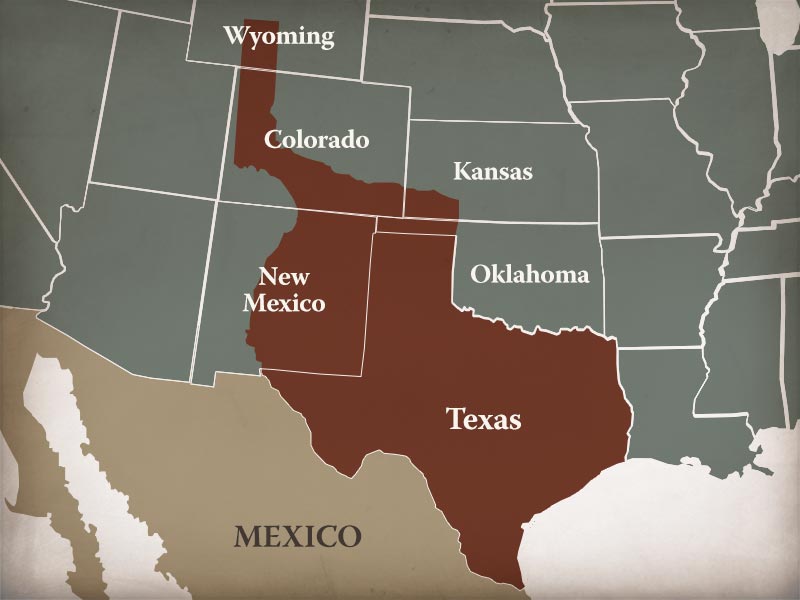
This article delves into the fascinating saga of Texas’s path to annexation, exploring the historical context, the key players, and the lasting impact that continues to draw visitors from around the globe. Beyond the dates and treaties, we’ll uncover how this history influences modern Texas tourism, offering insights into iconic destinations, unique cultural experiences, and recommendations for making your historical journey through the state truly unforgettable.
A Journey Through Texas’s Early History: From Spanish Rule to Republic
The story of Texas predates its integration into the United States by centuries, beginning with the indigenous peoples who thrived on its lands for millennia. European involvement commenced in the 16th century when Spanish explorers, including Álvar Núñez Cabeza de Vaca, first set foot on its shores. For over three centuries, Texas remained a remote and often contested outpost of New Spain, characterized by a sparse population, scattered missions, and military presidios designed to protect against French incursions and Native American resistance.
Travelers today can trace these early roots by visiting the five Spanish colonial missions in San Antonio, including the iconic Alamo, which collectively form a UNESCO World Heritage Site. These missions, such as Mission San José and Mission Concepción, offer a poignant glimpse into the lives of early missionaries and indigenous converts, showcasing remarkable architecture and a sense of enduring history. Staying in San Antonio, one can find accommodation that blends history with luxury, such as the historic Mokara Hotel & Spa on the River Walk, providing an immersive experience just steps away from these historical treasures.
Mexican Independence and the Rise of Anglo Immigration
The early 19th century brought significant change with Mexico‘s declaration of independence from Spain in 1821. Texas became part of the newly formed Mexican nation, which, seeking to populate and develop its northern frontier, encouraged immigration. It was during this period that Stephen F. Austin, often hailed as the “Father of Texas,” led the first wave of Anglo-American settlers into the region. These colonists, many from the southern United States, were granted land in exchange for pledging loyalty to Mexico and converting to Catholicism.
However, cultural differences, disagreements over slavery (which Mexico had abolished), and concerns about growing American influence led to increasing friction between the Texan colonists and the Mexican government. This tension culminated in the Texas Revolution of 1835-1836.
The Texas Revolution and the Republic of Texas
The Texas Revolution was a dramatic and bloody struggle for independence. Key battles like the Siege of the Alamo, where a small band of Texan defenders made a heroic last stand, and the Battle of San Jacinto (where General Sam Houston’s forces decisively defeated Santa Anna’s Mexican army in just 18 minutes), are etched into the state’s collective memory. On March 2, 1836, while the Alamo was still under siege, delegates gathered at Washington-on-the-Brazos to declare Texas’s independence.
For nearly a decade, from 1836 to 1845, Texas existed as an independent nation – the Republic of Texas. This period was marked by diplomatic challenges, financial instability, and ongoing conflicts with Mexico and Native American tribes. Travelers can visit Washington-on-the-Brazos State Historic Site to immerse themselves in the birthplace of Texan independence, exploring reconstructed buildings and exhibits that bring this pivotal era to life. For a peaceful country stay, nearby charming bed and breakfasts offer a serene escape after a day of historical exploration.
The Path to Statehood: Debates, Annexation, and Becoming the 28th State
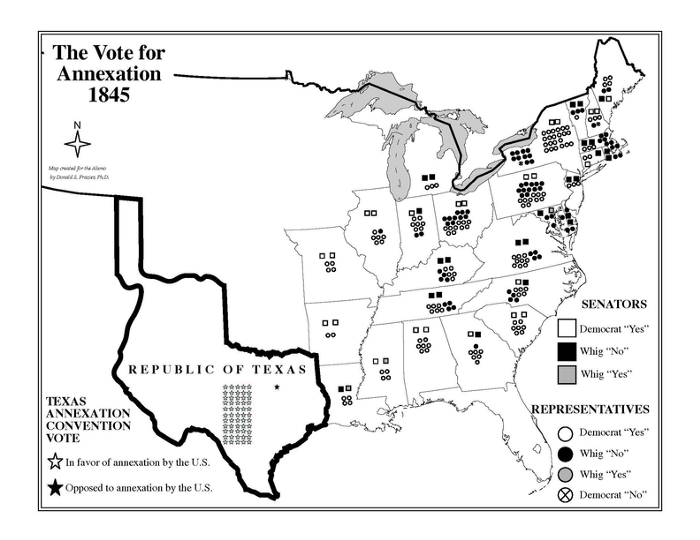
The decision for Texas to join the United States was not a foregone conclusion, nor was it a quick process. From the moment the Republic of Texas was established, many Texans, including its first president, Sam Houston, advocated for annexation by the United States. However, the issue became a fiercely debated topic within American politics, primarily due to concerns over slavery and potential conflict with Mexico.
The Thorny Issue of Slavery and Geopolitical Concerns
At the time, the United States was grappling with the delicate balance between free states and slave states. Admitting Texas as a slave state would upset this balance, sparking heated opposition from abolitionists and Northern politicians. There were also significant geopolitical anxieties. Mexico still considered Texas a rebellious province and warned that annexation would be an act of war. Furthermore, some American politicians worried about extending the nation’s borders too far, fearing it would dilute national identity and create an unwieldy expanse.
Despite these concerns, the allure of Manifest Destiny – the belief in America’s divinely ordained expansion westward – was a powerful force. The possibility of Texas forging alliances with European powers like Great Britain or France also loomed, presenting a strategic threat to American interests.
The Presidential Push for Annexation
The tide began to turn with the election of James K. Polk to the American presidency in 1844. Polk, a staunch expansionist, ran on a platform that included the annexation of Texas and the acquisition of Oregon and California. His victory was widely interpreted as a mandate from the American people for expansion.
Before Polk even took office, the outgoing President John Tyler, keen to secure the annexation before his term ended, used a joint resolution of Congress rather than a treaty (which would require a two-thirds Senate majority) to admit Texas into the Union. This maneuver circumvented the abolitionist opposition in the Senate.
December 29, 1845: Texas Becomes the 28th State
On December 29, 1845, President Polk officially signed the joint resolution, making Texas the 28th state of the United States. This date is a cornerstone of American history, signifying a monumental territorial expansion and setting the stage for the Mexican-American War (1846-1848), which would further redefine the southwestern borders of the United States.
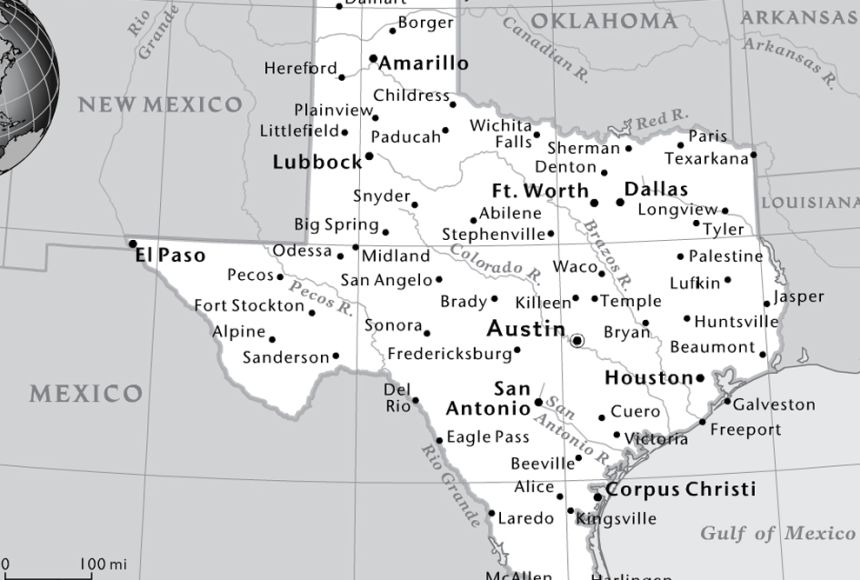
Today, visitors can experience the grandeur of the Texas State Capitol in Austin, a magnificent building that stands as a testament to the state’s proud history and its place within the federal system. Guided tours offer insights into the legislative process and the historical figures who shaped Texas’s destiny. For accommodation in Austin, historic luxury hotels like the Driskill Hotel offer a blend of opulent charm and proximity to the downtown historical sites, perfect for those seeking a lifestyle experience with a touch of the past.
Experiencing Texas History Today: Iconic Landmarks and Cultural Heritage
The annexation of Texas into the United States is not just a historical footnote; it’s a living, breathing part of the state’s identity that informs its culture, its landmarks, and its vibrant tourism industry. From historic battlefields to bustling modern cities steeped in tradition, Texas offers an array of experiences for every type of traveler.
San Antonio: Cradle of Texan Independence
No historical tour of Texas is complete without a deep dive into San Antonio. Beyond the Alamo and the mission trail, the city’s River Walk is a destination in itself, lined with historical buildings, charming hotels, and world-class restaurants serving authentic Tex-Mex cuisine, a delicious legacy of the city’s bicultural heritage. History buffs can visit the Casa Navarro State Historic Site, the former home of José Antonio Navarro, a prominent Tejano figure who signed the Texas Declaration of Independence.
Accommodation options in San Antonio cater to all preferences, from luxurious resorts like the JW Marriott San Antonio Hill Country Resort & Spa, offering expansive amenities and a taste of the Texas Hill Country, to boutique hotels in historic districts providing an intimate and culturally rich stay. The city is also a hub for family travel, with attractions like Six Flags Fiesta Texas and Natural Bridge Caverns blending adventure with educational opportunities.
Austin: The Capital City’s Historical Heartbeat
Austin, the capital of Texas, not only houses the majestic Texas State Capitol but also boasts a vibrant music scene and a “Keep Austin Weird” ethos that belies its deep historical roots. Beyond legislative chambers, visitors can explore the Bullock Texas State History Museum, which vividly narrates the story of Texas from prehistoric times to the present day, with immersive exhibits and a significant collection of artifacts.
For those interested in lifestyle travel, Austin offers a unique blend of outdoor activities – hiking and swimming in Zilker Park – alongside its rich cultural offerings. Luxury accommodation in Austin often comes with stunning views of Lady Bird Lake or the cityscape, providing a sophisticated base for exploring both history and modernity.
Beyond the Major Cities: Exploring Rural Texas History
The historical narrative of Texas extends far beyond its major metropolitan areas.
- Houston: While known for its space center and oil industry, Houston is home to the San Jacinto Battleground State Historic Site, featuring the towering San Jacinto Monument and the Battleship Texas, offering a powerful experience of the battle that won Texas its independence. Nearby, luxury hotels like The Houstonian Hotel, Club & Spa provide an upscale retreat after a day of exploration.
- Dallas and Fort Worth: These twin cities showcase a blend of Wild West heritage and sophisticated urban living. Fort Worth’s Stockyards National Historic District offers daily cattle drives and rodeos, transporting visitors back to the era of cowboys and cattle barons, a lifestyle deeply rooted in the state’s post-annexation development. Dallas’s Sixth Floor Museum at Dealey Plaza provides a different historical perspective, focusing on the more recent past.
- Texas Hill Country: Charming towns like Fredericksburg and New Braunfels showcase German heritage, contributing another layer to Texas’s diverse cultural tapestry. Visitors can enjoy wine tastings, historic main streets, and unique accommodations ranging from rustic cabins to elegant inns.
Planning Your Historical Texas Getaway: Accommodation and Travel Tips
Embarking on a historical journey through Texas requires thoughtful planning to maximize your experience. The state’s vastness means that road trips are often the best way to connect different historical sites and regions.
Accommodation:
Texas offers an incredible range of accommodation options. In major cities like San Antonio, Austin, and Houston, you’ll find everything from budget-friendly hotels to luxurious five-star resorts and boutique hotels that often incorporate historical elements into their design and service. For a unique experience, consider staying in a historic bed and breakfast in smaller towns like Gruene or Galveston Island, which offer a more intimate connection to the past. Many resorts, such as the Hyatt Regency Hill Country Resort and Spa near San Antonio, combine historical aesthetics with modern amenities, perfect for family trips or a relaxing getaway after days of exploring.
Travel Tips for History Enthusiasts:
- Plan Your Route: Due to the large distances, grouping historical sites by region (e.g., San Antonio missions, Austin Capitol, Houston battleground) will save travel time.
- Factor in Time: Allow ample time at each site. Many offer extensive exhibits, guided tours, and interactive displays that deserve more than a quick stop.
- Embrace the Outdoors: Many historical sites, like Palo Duro Canyon State Park (though not directly related to annexation, it showcases deep historical layers of the land) or Big Bend National Park, offer outdoor activities alongside their historical significance. Consider combining historical tours with hiking, kayaking, or enjoying Texas’s beautiful natural scenery.
- Taste the History: Food is an integral part of Texas’s culture. Sample authentic BBQ, Tex-Mex, and other regional specialties that have evolved alongside the state’s diverse population. Consider food tours in cities like Austin or Dallas to get a taste of local history.
- Check for Events: Many historical sites and towns host reenactments, festivals, and special events throughout the year, especially around significant dates like Texas Independence Day (March 2) or San Jacinto Day (April 21). These events offer a living history experience that truly brings the past to life.
Understanding “When Did Texas Join The United States?” is more than just knowing a date; it’s unlocking the story of a state whose journey to statehood was fraught with challenges, rich in character, and ultimately, profoundly influential. For the modern traveler, this history provides an unparalleled backdrop for exploring stunning landscapes, engaging with diverse cultures, and creating unforgettable memories across the vast and captivating state of Texas. Whether you’re seeking a luxurious resort experience, an immersive cultural adventure, or an educational family trip, Texas’s historical legacy offers a compelling narrative for every visitor.
LifeOutOfTheBox is a participant in the Amazon Services LLC Associates Program, an affiliate advertising program designed to provide a means for sites to earn advertising fees by advertising and linking to Amazon.com. Amazon, the Amazon logo, AmazonSupply, and the AmazonSupply logo are trademarks of Amazon.com, Inc. or its affiliates. As an Amazon Associate we earn affiliate commissions from qualifying purchases.