
The city of Boston, a beacon of American history and innovation, is renowned globally for many things: its pivotal role in the American Revolution, its prestigious universities, its vibrant cultural scene, and, perhaps most passionately, its storied sports franchises. Among these, the Boston Celtics stand as giants, a name synonymous with basketball excellence and an unparalleled dynasty. For visitors and locals alike, understanding the depth of Boston’s identity often involves delving into the narratives of its sports teams. The question of “When did the Boston Celtics win their first championship?” is more than a simple query about a sporting event; it’s an invitation to explore a defining moment that deeply impacted the city’s spirit, culture, and, by extension, its enduring appeal as a tourism destination.

The answer to this foundational question is 1957. This victory wasn’t merely the first title for a fledgling basketball franchise; it was the genesis of a legend, a catalyst for civic pride, and a cornerstone of Boston’s identity that continues to draw tourists eager to experience a piece of that legacy. This article will explore how this landmark achievement shaped the local culture, influenced tourism activities, and offers invaluable insights for those wishing to immerse themselves in the authentic spirit of Boston.
The Dawn of a Dynasty: A Turning Point for Boston’s Tourism Landscape
The mid-20th century saw Boston in a period of transition, much like many American cities. Amidst this backdrop, a professional basketball team, the Boston Celtics, was slowly but surely building something special. Their inaugural championship in 1957 was a seismic event, not just for sports fans, but for the collective psyche of the city, inadvertently laying groundwork for future cultural tourism.
The 1956-1957 Season: Building the Legend
The 1956-1957 season marked a pivotal moment in basketball history, largely due to the strategic brilliance of Boston Celtics coach Red Auerbach and the arrival of a transformative rookie named Bill Russell. While Russell’s draft acquisition was initially met with skepticism by some, his immediate impact on the team’s defense and rebounding was undeniable. Paired with existing talents like Bob Cousy, Bill Sharman, and Tom Heinsohn, the team began to coalesce into a formidable force. This era represented a critical cultural juncture for Boston. The city, with its deep roots in tradition, was embracing a modern, fast-paced sport. The energy surrounding the team started to percolate beyond the confines of the old Boston Garden, drawing casual observers into the fold and creating a nascent sense of collective excitement. This build-up, this anticipation of something great, became an unspoken part of the city’s weekly rhythm, a communal experience that would eventually define a significant aspect of Boston’s local culture. For today’s tourist, understanding this formative period provides context for the fervent fan base and deep historical appreciation found in the city.
The Pivotal 1957 Finals: A City United
The journey to the 1957 NBA Finals was arduous, culminating in a dramatic seven-game series against the St. Louis Hawks. This wasn’t just a contest between two basketball teams; it was a rallying cry for the city of Boston. Throughout the series, the city held its breath, its residents glued to radios and televisions, and those lucky enough to secure tickets packed the venerable Boston Garden. The atmosphere within the arena was electric, a palpable blend of tension and exhilaration that reverberated through the streets of Boston.
Game 7, played on April 13, 1957, was a double-overtime thriller that pushed both teams to their limits. The city collectively roared with every basket, every defensive stop, every free throw. The eventual victory, a narrow 125-123 triumph, unleashed an outpouring of joy that transformed the city’s public spaces into impromptu celebration zones. This moment wasn’t merely a win; it was a catharsis, a shared experience that solidified a bond between the team and its city. For future tourism, this communal celebration became part of the city’s lore, inspiring visitors to seek out places where such history was made, and to feel the echoes of that collective spirit.
The Victory and Its Immediate Aftermath
The immediate aftermath of the 1957 championship was a whirlwind of joyous celebration. Parades snaked through the city’s historic streets, drawing crowds of euphoric fans. The players, once merely athletes, became local heroes, their faces plastered across newspapers and their names on everyone’s lips. This victory transcended sports; it imbued Boston with a fresh sense of pride and identity. It marked the beginning of a golden age for the Boston Celtics and, by extension, a golden age for the city’s connection to professional sports.
This initial championship also served as an unintentional blueprint for civic celebrations, showcasing how major sports victories could transform a city into a vibrant hub of communal activity and jubilant gatherings. For tourists planning a visit, especially during playoff season, understanding this historical precedent helps to explain the infectious atmosphere and the depth of loyalty Boston sports fans display. The traditions of communal celebration, the green-and-white regalia, and the general celebratory fervor during successful sports seasons all trace their lineage back to that seminal victory in 1957.
Legacy Beyond the Hardwood: Celtics’ Influence on Boston’s Cultural Tourism
The 1957 championship was not just a historical event; it was the foundation upon which the entire Boston Celtics legend was built. This legacy profoundly influences Boston’s cultural tourism, offering unique experiences for visitors interested in sports, history, and local identity.
Historic Sports Venues: Tracing the Celtics’ Footsteps
For any sports enthusiast visiting Boston, tracing the footsteps of the Boston Celtics is a compelling activity. The original Boston Garden, though no longer standing, holds a mythical status. It was the arena where the 1957 championship was won, and where countless subsequent triumphs solidified the team’s dynasty. While the physical structure is gone, its spirit is preserved in the memories of generations and in various historical accounts and memorabilia throughout the city.
Today, the team plays at the state-of-the-art TD Garden, built adjacent to where the original arena stood. TD Garden is more than just a sports venue; it’s a modern landmark that continues the tradition of championship basketball. Tours of TD Garden offer a behind-the-scenes look at the locker rooms, the championship banners, and the storied parquet floor. Adjacent to the arena is “The Sports Museum,” which houses an extensive collection of artifacts and exhibits dedicated to all of Boston’s professional sports teams, with a significant section devoted to the Boston Celtics and their journey, starting from that pivotal 1957 win. These venues and museums are vital attractions, drawing tourists interested in sports history and the evolution of a legendary franchise.
Immerse Yourself in Celtics Fan Culture
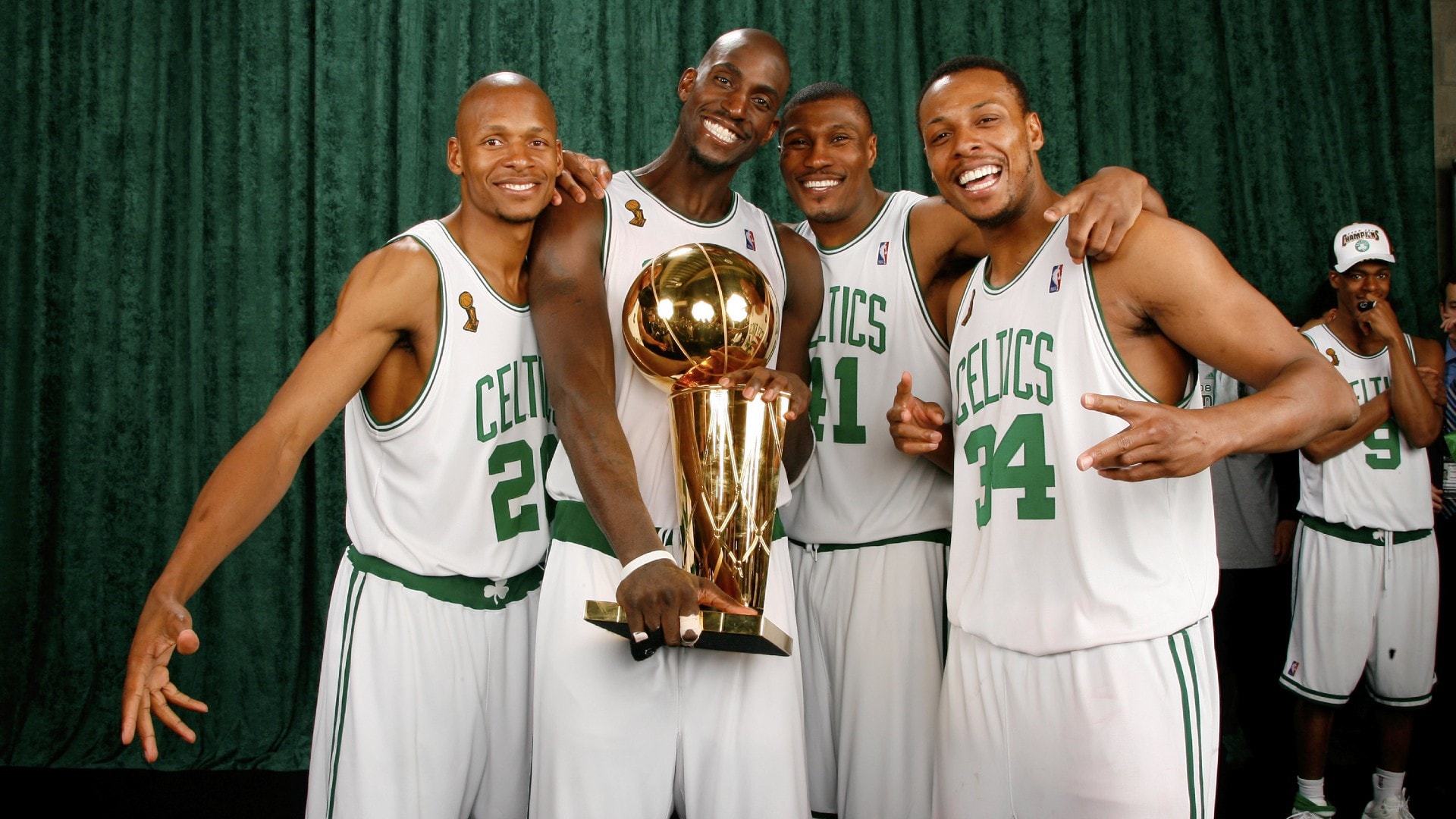
One of the most vibrant aspects of Boston tourism is the opportunity to immerse oneself in its local culture, and Boston Celtics fan culture is a significant part of that. The deep-rooted pride stemming from championships like the one in 1957 has cultivated a fan base renowned for its loyalty and passion. Visitors can experience this firsthand by attending a game, where the roar of the crowd and the sea of green jerseys create an unforgettable atmosphere.
Beyond the arena, numerous sports bars and pubs across the city serve as hubs for fans to gather, watch games, and discuss the team’s fortunes. Establishments near TD Garden often become lively pre-game and post-game destinations, offering a chance to mingle with passionate locals. Exploring official team stores or local sports memorabilia shops also provides a tangible connection to this culture, allowing tourists to take home a piece of Boston’s enduring sports legacy. This vibrant fan culture isn’t just about basketball; it’s about community, tradition, and the collective identity forged over decades of shared victories, all tracing back to that first taste of glory.
From History Books to Walking Tours: Sports as a Narrative
The story of the Boston Celtics, particularly their breakthrough in 1957, is seamlessly woven into the broader historical narrative of Boston. While many tourists flock to see colonial landmarks or follow the Freedom Trail, a growing number are interested in experiences that highlight the city’s modern cultural heritage, which prominently features its sports achievements.
Many city tours, both guided and self-guided, now incorporate elements of Boston’s sports history, including anecdotes about the Boston Celtics. Discussions about the transformation of the Boston Garden into TD Garden, the significance of championship parades that have historically culminated at sites like Faneuil Hall, and the impact of legendary players on the city’s morale offer a different lens through which to view Boston. This integration of sports history into mainstream tourism showcases how deep the team’s roots run within the city’s fabric, offering visitors a holistic understanding of Boston’s rich and multifaceted identity.
Planning Your Celtics-Inspired Trip to Boston
For visitors eager to explore the city through the lens of its legendary basketball team, a Celtics-inspired itinerary offers a unique blend of history, culture, and exhilarating experiences. The first championship in 1957 serves as the origin point for a journey into the heart of Boston’s sports identity.
Must-Visit Spots for the Sports Enthusiast
Beyond attending a game at TD Garden (which is a priority during the basketball season), several locations in Boston hold significant appeal for the sports enthusiast. As mentioned, “The Sports Museum” within TD Garden is indispensable, providing historical context and memorabilia from the 1957 win and subsequent dynasties. A stroll around the North End and Waterfront areas, particularly near the TD Garden, allows visitors to absorb the vibrant pre-game atmosphere.
The iconic Faneuil Hall marketplace, a historical site itself, has also been a traditional gathering point for championship rallies. Although the 1957 celebration may not have had the modern scale of today’s events, it established a precedent for civic pride that makes Faneuil Hall a symbolic stop for understanding Boston’s celebratory traditions. Visiting sports-themed bars and restaurants like “The Greatest Bar” or “Sullivan’s Tap” allows for a more casual, immersive experience into the city’s fan culture, often adorned with Boston Celtics memorabilia and echoing with lively debates about current and past teams.
Experiencing Local Cuisine: A Taste of Bostonian Pride
The culinary scene in Boston offers more than just delicious food; it provides another avenue to connect with the local culture and its sports pride. Many traditional New England eateries and contemporary restaurants proudly display Boston Celtics paraphernalia, especially around the downtown and North End areas. Dining in these establishments, particularly on game nights, allows tourists to experience the communal energy that permeates the city.
Consider seeking out classic Boston fare like clam chowder or lobster rolls in a setting where local sports talk flows freely. Pubs and taverns, many with deep historical roots, often double as unofficial Boston Celtics fan zones, especially during playoff runs. This integration of local cuisine with sports culture offers a holistic travel experience, where a meal isn’t just sustenance but a moment to absorb the unique flavor of Boston’s collective identity, first ignited by that 1957 championship.
Best Times to Visit for a Sporting Vibe
To fully appreciate the Boston Celtics legacy and its impact on the city, timing your visit is key. The NBA regular season runs from October to April, offering numerous opportunities to catch a game and experience the electric atmosphere. If possible, a visit during the playoffs (April to June) offers the most intense and memorable fan experience, although tickets become much harder to acquire. Even if you can’t attend a game, being in Boston during playoff season, especially if the team is performing well, guarantees a palpable buzz throughout the city.
Visiting during the off-season still allows for tours of TD Garden and “The Sports Museum,” as well as explorations of historical sites connected to the team’s past. However, for a true immersion into the living, breathing fan culture that stemmed from the 1957 victory, a trip during the active season is highly recommended. It’s when the city truly comes alive with the spirit of the Boston Celtics, a spirit forged over decades of excellence that began with their first triumphant season.
The Enduring Spirit: How the First Championship Defined a City
The 1957 championship was more than just a victory; it was a foundational event that helped define the competitive, resilient, and proud character of Boston. It proved that a city known for its colonial history could also become a powerhouse in modern sports, setting a precedent for excellence that continues to resonate with locals and attract visitors.
A Symbol of Resilience and Excellence
The Boston Celtics’ first championship became a powerful symbol of resilience and excellence for the city. It demonstrated that through perseverance, strategic planning, and teamwork, monumental achievements were possible. This ethos became ingrained in Boston’s cultural fabric, influencing not just its sports teams but also its approach to innovation, education, and community development. For tourists, this translates into encountering a city with a strong sense of self, a destination that celebrates its achievements and embraces a competitive spirit in all its endeavors. The pride that emanates from such a storied past is infectious, contributing to the engaging and dynamic atmosphere that makes Boston a sought-after place to visit.

Inspiration for Future Generations
The legacy of the 1957 Boston Celtics continues to inspire future generations, not only of athletes but also of citizens and visitors. It established a benchmark for success and ignited a passion for basketball that has been passed down through families for decades. This intergenerational connection is a unique aspect of Boston’s local culture, creating a strong sense of continuity and shared heritage. Tourists are often struck by the deep-seated loyalty and knowledge of sports history displayed by Boston residents. This isn’t just about cheering for a team; it’s about celebrating a continuous narrative of triumph and identity that began with that first, unforgettable championship. Understanding this makes a trip to Boston not just a sightseeing tour, but an immersion into a living history shaped significantly by its iconic sports heroes and their legendary victories.
In conclusion, the Boston Celtics won their first championship in 1957. This victory was far more than a simple entry in the sports record books. It was a pivotal moment that cemented the team’s place in history, ignited a dynasty, and, most importantly for tourism, indelibly shaped the local culture of Boston. From historic venues like the former Boston Garden and the modern TD Garden, to the vibrant fan culture, integrated historical narratives, and unique culinary experiences, the legacy of that first championship continues to enrich the tourist experience in this extraordinary city. For anyone seeking to understand the true spirit of Boston, exploring the story of its beloved Boston Celtics and their inaugural triumph is an essential journey into the heart of its captivating identity.
LifeOutOfTheBox is a participant in the Amazon Services LLC Associates Program, an affiliate advertising program designed to provide a means for sites to earn advertising fees by advertising and linking to Amazon.com. Amazon, the Amazon logo, AmazonSupply, and the AmazonSupply logo are trademarks of Amazon.com, Inc. or its affiliates. As an Amazon Associate we earn affiliate commissions from qualifying purchases.