
Understanding the exact time in a bustling metropolis like New York Manhattan is more than just a trivial pursuit; it’s a crucial element for anyone planning a trip, coordinating business affairs, or simply trying to connect with friends and family in this iconic urban landscape. As the heart of the United States, New York City operates on a distinct time zone, impacting everything from flight schedules to dinner reservations. This exploration delves into the temporal nuances of Manhattan, shedding light on its time zone, the reasons behind its observance, and practical implications for travelers and residents alike.

Understanding the Eastern Time Zone
At the core of determining the time in New York Manhattan lies its adherence to the Eastern Time Zone (ET). This vast geographical region spans a significant portion of the eastern half of North America, encompassing major cities like New York City, Washington D.C., Miami, and Boston. The Eastern Time Zone is characterized by its relationship to Coordinated Universal Time (UTC).
Standard Time: Eastern Standard Time (EST)
During the winter months, New York Manhattan observes Eastern Standard Time (EST). This designation means that the local time is UTC-5. In essence, when it is 12:00 PM UTC (Coordinated Universal Time), it is 7:00 AM EST in New York. This period typically runs from the first Sunday in November until the second Sunday in March. EST provides a consistent temporal reference point during the colder months, allowing for predictable scheduling across various industries and daily activities. The shift to EST is a nationwide practice in many countries, aiming to standardize timekeeping and facilitate global communication and commerce.
Daylight Saving Time: Eastern Daylight Time (EDT)
As the days lengthen and spring approaches, New York Manhattan, like much of the United States, transitions to Eastern Daylight Time (EDT). This shift, known as Daylight Saving Time (DST), moves the clock forward by one hour. Consequently, EDT is UTC-4. When it is 12:00 PM UTC, it is 8:00 AM EDT in New York. Daylight Saving Time typically begins on the second Sunday in March and concludes on the first Sunday in November. The primary rationale behind DST is to make better use of natural daylight. By advancing clocks in the spring, the period of daylight in the evenings is extended, which proponents argue can lead to energy savings and increased opportunities for outdoor activities.
Navigating Time Zones for Travelers
For any visitor venturing to New York Manhattan, understanding the time zone is paramount to a seamless travel experience. The constant fluctuation between EST and EDT, coupled with the six-hour difference between New York and California (Pacific Time), necessitates careful planning.
Planning Your Itinerary
When booking flights, consider the time difference to avoid arriving or departing at inconvenient hours. For instance, a flight departing Los Angeles at 9:00 AM PST will arrive in New York at 5:00 PM EST (or EDT, depending on the season). This accounts for the three-hour time difference and the flight duration. Similarly, scheduling meetings or tours requires a clear understanding of the local time in Manhattan to ensure punctuality. Many online travel agencies and flight booking platforms automatically adjust for these time differences, but it’s always wise to double-check.
Connecting with Loved Ones

Staying in touch with friends and family across different time zones can be challenging. If you’re in New York and trying to call someone in London, which observes Greenwich Mean Time (GMT) or British Summer Time (BST), you’ll need to factor in the 5-hour difference (during EST) or 4-hour difference (during EDT). Likewise, reaching someone on the West Coast of the United States requires an understanding of the 3-hour gap. Utilizing time zone converter apps or websites can be incredibly helpful for coordinating calls, video conferences, or simply sending a message at an appropriate hour for everyone involved.
The Rationale Behind Time Zones and DST
The establishment of standardized time zones and the practice of Daylight Saving Time are not arbitrary decisions. They are rooted in a history of attempts to synchronize activities and maximize societal benefits.
Historical Context of Time Zones
Before the widespread adoption of standardized time zones, each town or city often operated on its own local solar time. This led to significant confusion and inefficiency, particularly with the advent of railroads in the 19th century. Trains traveling between cities had to constantly adjust their schedules, making travel and transportation a logistical nightmare. In response, standardized time zones were proposed and eventually adopted, dividing the Earth into 24 zones, each approximately 15 degrees of longitude wide, to correspond to the 24 hours in a day. This system brought order to travel and communication, forming the basis of the timekeeping we use today.
The Debate Surrounding Daylight Saving Time
Daylight Saving Time, while widely practiced, remains a subject of ongoing debate. Proponents point to potential energy savings, increased daylight for recreational activities, and a potential reduction in traffic accidents during evening hours. However, critics argue that the energy savings are minimal or even non-existent, and the disruption to sleep patterns can have negative health consequences. Studies have explored links between the shift in DST and increases in heart attacks and strokes immediately following the transition. As a result, there are continuous discussions and legislative efforts in various regions to either permanently adopt standard time, permanently adopt daylight saving time, or abolish the practice altogether. For New York Manhattan, the annual transition between EST and EDT is a deeply ingrained rhythm of urban life, influencing everything from the daily commute to the timing of major events.
Practical Considerations for Daily Life in New York Manhattan
Beyond travel and inter-city communication, the time in New York Manhattan subtly shapes the rhythm of daily life for its residents and workers.
Business and Finance
As a global financial hub, New York City operates at the epicenter of international markets. The opening and closing of the New York Stock Exchange are critical global events, influencing financial markets worldwide. The time difference between New York and other major financial centers like London and Tokyo means that trading hours overlap, facilitating continuous global commerce. Business operations, conference calls, and international client meetings are meticulously scheduled to account for these temporal variations.
Cultural and Entertainment Schedules
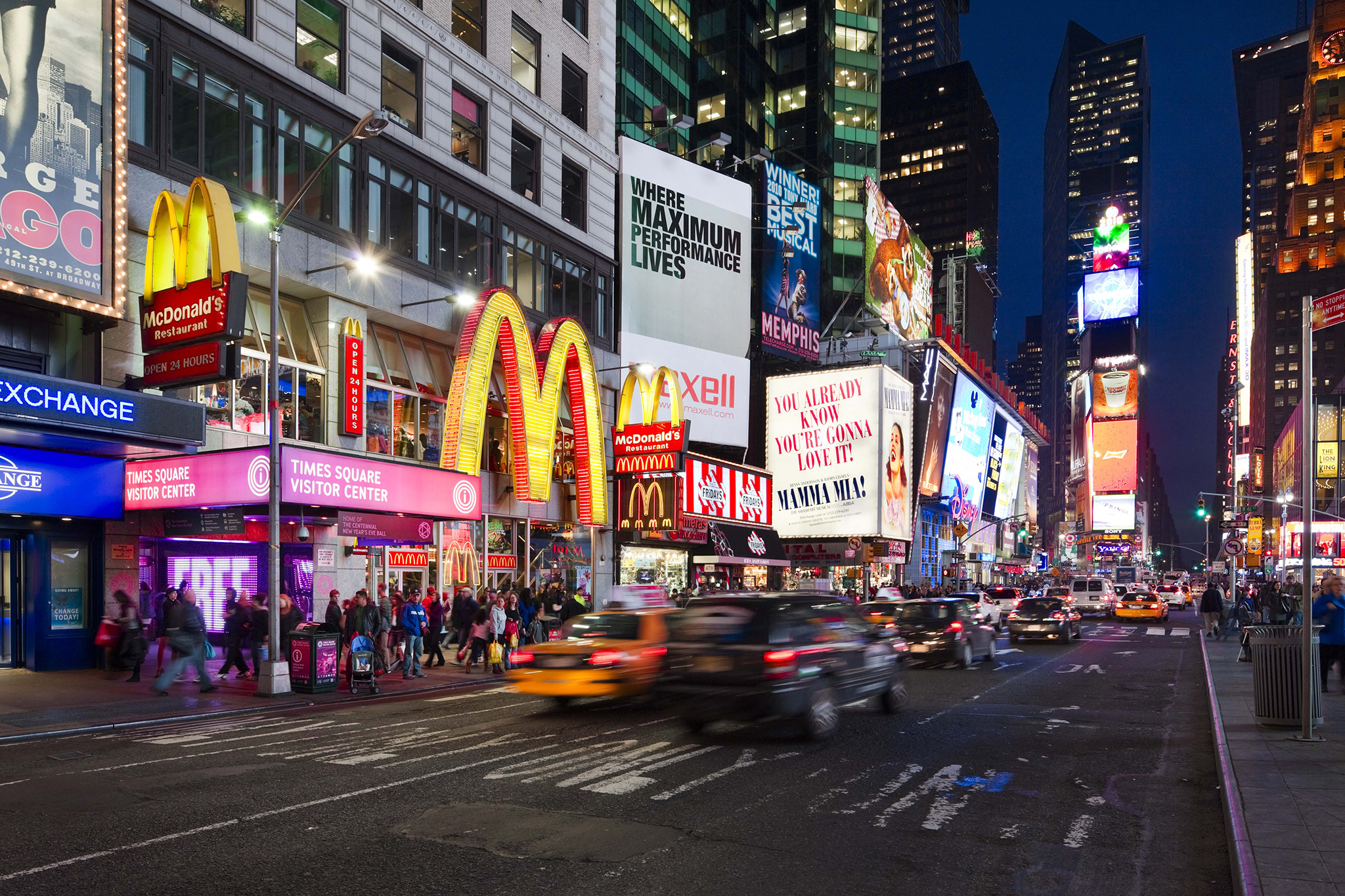
The vibrant cultural and entertainment scene in Manhattan is also intrinsically linked to its time zone. Broadway shows, restaurant reservations, museum operating hours, and sporting events are all set according to Eastern Time. Understanding whether it’s EST or EDT can influence the perceived length of daylight for evening activities, such as catching a sunset from a rooftop bar or enjoying an outdoor concert in Central Park. The city’s energetic pace is often amplified by the anticipation of events scheduled for specific times, all anchored by the reliable ticking of the clock in the Eastern Time Zone.
LifeOutOfTheBox is a participant in the Amazon Services LLC Associates Program, an affiliate advertising program designed to provide a means for sites to earn advertising fees by advertising and linking to Amazon.com. Amazon, the Amazon logo, AmazonSupply, and the AmazonSupply logo are trademarks of Amazon.com, Inc. or its affiliates. As an Amazon Associate we earn affiliate commissions from qualifying purchases.