
The California Gold Rush was a pivotal period in American history, an event that single-handedly transformed California from a sparsely populated frontier territory into a burgeoning state, attracting hundreds of thousands of dreamers from across the globe. For anyone interested in the rich tapestry of American history, the origins and timeline of this extraordinary event are fundamental. But beyond mere dates, understanding the Gold Rush means comprehending its profound impact on the landscape, economy, demographics, and culture of California, setting the stage for the vibrant travel destinations and diverse lifestyle experiences we enjoy today.

While the “rush” itself implies a frantic, compressed period, the Gold Rush was a phenomenon with distinct beginning, middle, and end phases, spanning roughly seven to eight years of intense activity, followed by decades of lasting influence. At its core, the Gold Rush officially commenced with a fateful discovery in early 1848 and saw its most frenzied years through the early to mid-1850s. This period reshaped not just the West, but the very notion of American expansion and opportunity, leaving an indelible mark that continues to draw visitors to its historic sites and cities, eager to explore the legends and legacies of those golden years.
The Spark: A Discovery That Changed the World
The genesis of the California Gold Rush is a story of serendipity, ambition, and the rapid spread of astonishing news. It began quietly in a sawmill, a project intended to provide lumber for an agricultural empire, but instead stumbled upon the very substance that would attract a global migration.
The Genesis at Sutter’s Mill
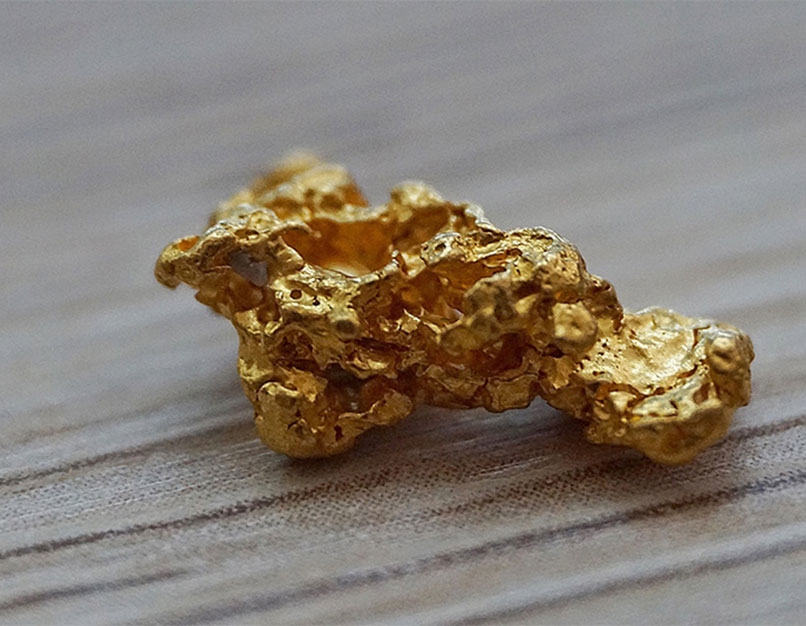
The exact moment that ignited the Gold Rush occurred on a chilly morning, January 24, 1848. It was on this date that James W. Marshall, a carpenter overseeing the construction of a sawmill for his employer, John Sutter, discovered shiny flecks of metal in the tailrace of the mill. The location was near present-day Coloma, along the American River, a tributary of the Sacramento River. Marshall initially tried to keep his discovery a secret, testing the metal for malleability and luster, confirming it was indeed gold. He brought his findings to Sutter, who also attempted to suppress the news, fearing a gold strike would jeopardize his vast agricultural holdings and disrupt his workforce.
The land where the discovery was made was part of Sutter’s Fort, a sprawling ranch near what is now Sacramento. Sutter had envisioned an agricultural utopia, a private empire, but the glimmering flecks of gold would shatter that dream, ironically making his name synonymous with the very phenomenon that dismantled his plans. Today, visitors can explore the reconstructed Sutter’s Fort State Historic Park in Sacramento, a tangible link to the dawn of the Gold Rush, offering a glimpse into early California life and the pivotal moments that led to its transformation. The original Sutter’s Mill site in Coloma is also a significant landmark, preserved within the Marshall Gold Discovery State Historic Park, where visitors can literally walk in the footsteps of history, connecting with the origins of this monumental event. These sites are essential travel destinations for those seeking to understand the historical context of California’s development and its rich cultural heritage.
News Spreads Like Wildfire
Despite Sutter’s attempts to contain it, news of the gold discovery could not be suppressed for long. The pivotal figure in publicizing the find was a savvy merchant named Sam Brannan. In May 1848, Brannan marched through the streets of San Francisco, waving a bottle filled with gold dust and shouting, “Gold! Gold! Gold from the American River!” His dramatic announcement served as the catalyst, turning quiet whispers into a deafening roar. Suddenly, San Francisco, then a sleepy port town, erupted as its population dropped drastically overnight, everyone rushing to the goldfields.
Within months, the news had traversed the globe. The initial wave of gold seekers comprised locals from California and the surrounding territories, followed swiftly by people from Oregon, Mexico, and Hawaii. By December 1848, President James K. Polk confirmed the discovery in his State of the Union address, transforming a regional curiosity into a national obsession. This official endorsement sparked a mass exodus from the eastern United States and beyond, marking the true beginning of the Gold Rush as a global phenomenon.
The routes to California were arduous, defining an era of challenging travel that stands in stark contrast to today’s seamless journeys. Prospective “49ers” (named for the year 1849, when the influx truly peaked) faced three main paths:
- Overland Trails: Thousands braved the perilous journey across the North American continent, following trails like the California Trail. This grueling overland route, often taking 4-6 months, subjected travelers to extreme weather, disease, and Native American encounters. It was a test of endurance, a stark lesson in primitive travel and accommodation.
- Sea Route Around Cape Horn: A longer but often safer sea voyage took ships around the southern tip of South America, Cape Horn. This journey could last anywhere from five to eight months, a testament to the dedication of those seeking their fortune.
- Isthmus of Panama Crossing: A quicker, though equally dangerous, combined sea and land route involved sailing to Panama, crossing the treacherous Isthmus of Panama (often by canoe and mule), and then finding another ship on the Pacific side to sail up to California. This route drastically reduced travel time but exposed travelers to tropical diseases like cholera and malaria.
These journeys highlight the sheer determination and adventurous spirit that defined the Gold Rush lifestyle, a raw form of budget travel where survival was the primary luxury. Modern travelers exploring California today, staying in luxurious resorts or boutique hotels, can scarcely imagine the primitive conditions endured by those first gold seekers, yet their legacy shaped the very infrastructure and allure of the state as a prime destination.
The Golden Years: Life and Legacy During the Rush
From 1849 to roughly 1855, California experienced an unprecedented boom. This period was characterized by dramatic population growth, the chaotic birth of new towns, and a melting pot of cultures converging in the pursuit of wealth.
Boomtowns and the Birth of Cities
The relentless flow of gold seekers led to the rapid establishment of numerous settlements, many of which earned the moniker “boomtowns.” These ephemeral communities sprang up almost overnight wherever gold was discovered, often consisting of tents, shanties, and hastily constructed wooden buildings. Places like Hangtown (now Placerville), Rough and Ready, and Whiskeytown exemplify the spontaneous and often lawless nature of these early settlements.
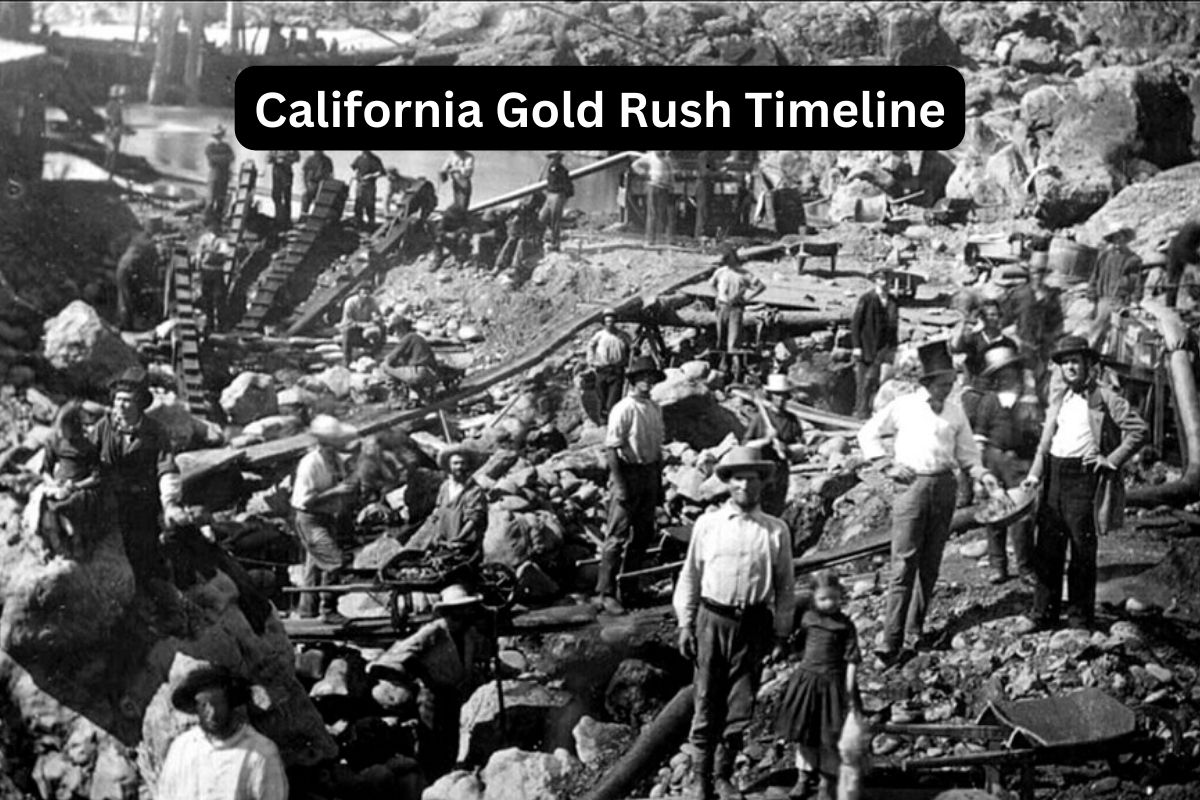
However, the Gold Rush also accelerated the growth of existing settlements and the emergence of permanent cities. San Francisco, initially a small village, exploded into a bustling metropolis. Its strategic location as a port of entry for goods and people made it the primary supply hub for the goldfields. The city’s population skyrocketed from around 1,000 residents in 1848 to over 25,000 by 1850. This rapid expansion meant rudimentary infrastructure, with hotels and accommodation options being scarce and expensive. Boarding houses, saloons, and gambling halls became the de facto social centers, catering to the transient population of prospectors. Similarly, Sacramento and Stockton, situated closer to the northern and southern goldfields respectively, also saw incredible growth as supply depots and transport hubs.
The development of these cities was chaotic yet transformative. Roads were carved out, rudimentary docks built, and industries like shipping, merchandising, and hospitality began to flourish, driven by the demand of the ever-growing population. While many boomtowns faded into ghost towns as the gold ran out, cities like San Francisco and Sacramento laid the foundations for enduring urban centers. Today, visitors to these cities can explore historic districts that retain echoes of this era. For instance, the architecture of Jackson Square in San Francisco, or the old town area of Sacramento, offers a tangible connection to the vibrant, tumultuous early years of the Gold Rush, providing unique travel experiences and a deep dive into California’s foundational history. Many hotels in these areas now offer luxurious accommodation in buildings that might have witnessed the Gold Rush firsthand, blending historical charm with modern amenities.
The Diverse Faces of the Rush
The Gold Rush was not just a story of American expansion; it was a global migration event that brought people from every corner of the world to California. The promise of instant wealth drew individuals from China, Mexico, Chile, Peru, Australia, and various countries in Europe, particularly Ireland, Germany, and France. This incredible diversity created a unique cultural landscape, a bustling polyglot society where different languages, customs, and cuisines mingled in the mining camps and nascent cities.
However, this influx of diverse populations was not without its challenges. While many found common ground in the shared pursuit of gold, the period was also marked by significant racial tensions, discrimination, and violence. Native American populations, already displaced, suffered immensely from disease and conflict with newcomers. Mexican and Chinese miners, in particular, faced prejudice and restrictive laws, such as the Foreign Miners’ Tax, designed to limit their access to mining claims. Despite these hardships, many Chinese immigrants went on to establish successful businesses, forming the bedrock of San Francisco’s vibrant Chinatown, a celebrated landmark and cultural destination today.
The “lifestyle” of a gold miner was arduous and often disappointing. Dreams of striking it rich often clashed with the harsh realities of backbreaking labor, poor sanitation, rampant disease, and the elusive nature of gold itself. Yet, the promise persisted, fueling an entrepreneurial spirit that extended beyond mining. Individuals found success by providing goods and services to the miners: laundry, cooking, general stores, saloons, and even entertainment. Women, though few in number, played vital roles as entrepreneurs, innkeepers, and domestic workers, often finding more financial success in these support roles than men did in the diggings. The Gold Rush was a dynamic, albeit brutal, crucible where individual fortunes were made and lost, and the foundations of a new, diverse society were laid. It offers a fascinating historical perspective for those interested in the social dynamics and cultural interactions that shaped early American tourism and settlement.
Beyond the Gold: The Rush’s End and Lasting Impact
While the romantic image of the individual prospector panning for gold is enduring, the most intense period of the Gold Rush was relatively short-lived. By the mid-1850s, the easily accessible placer gold began to diminish, signaling a shift in both mining techniques and the overall character of California.
The Decline of Placer Mining and Technological Shifts
The peak years of the Gold Rush, primarily 1849-1852, saw individual prospectors using simple tools like pans, rockers, and sluice boxes to extract gold from rivers and streambeds. This “placer mining” was accessible to anyone with a shovel and a strong back. However, by 1853-1855, the surface gold became increasingly scarce. This decline didn’t mean the end of mining, but rather a significant transformation in its methods and organization.
The shift was towards more capital-intensive and technologically advanced techniques. “Hard rock” or “quartz mining” involved digging deep underground to extract gold-bearing veins from solid rock, requiring heavy machinery, stamp mills, and significant investment. This moved mining away from the individual entrepreneur towards corporate ventures. Even more impactful was the rise of hydraulic mining, beginning in the early 1850s. This method used powerful jets of water to blast away hillsides and expose gold deposits. While incredibly efficient, hydraulic mining caused devastating environmental damage, silting up rivers, destroying farmlands, and fundamentally altering the landscape of the Mother Lode region.
The transition from individual placer mining to large-scale industrial operations effectively marked the end of the “rush” phase. While gold mining continued in California for decades, it was no longer the domain of everyman, but rather of organized companies. The goldfields became less a chaotic free-for-all and more structured industrial sites, permanently altering the character of the region and its economy. This evolution from individual endeavor to corporate industry is a key historical lesson for those interested in the development of American business and the intersection of natural resources with economic growth.
California’s Transformation: A Modern Travel Destination is Forged
The Gold Rush’s impact extended far beyond the immediate acquisition of wealth; it fundamentally reshaped California into the vibrant, diverse, and economically powerful state it is today. Perhaps the most immediate political consequence was California’s rapid admission into the Union as a state in 1850, bypassing the traditional territorial phase due to its unprecedented population boom.
Economically, while gold was the initial draw, the rush fostered diversification. The immense population growth created a massive market, stimulating agriculture, manufacturing, and trade. Farmers grew crops to feed the miners, merchants imported goods, and nascent industries sprung up to support the burgeoning population. The financial institutions established during the Gold Rush laid the groundwork for California’s future as a financial hub. The state’s unique cultural tapestry, born from the global migration, continues to be one of its defining characteristics. Legends, folklore, and literary works from authors like Mark Twain captured the spirit of the era, contributing to the enduring mystique of the Golden State.
Today, the legacy of the California Gold Rush is a significant draw for tourism and travel, shaping many of the state’s most compelling landmarks and experiences:
- Historic Towns and Parks: The Mother Lode region, encompassing many former mining towns, is a prime destination. Columbia State Historic Park offers a remarkably preserved glimpse into a 1850s mining town, complete with historical buildings, stagecoach rides, and gold panning opportunities. Sutter’s Fort State Historic Park and Marshall Gold Discovery State Historic Park (where the gold was first found) are essential visits for those seeking direct connections to the rush’s origins. These sites provide immersive experiences, allowing families and history enthusiasts to connect with the past, making them perfect spots for enriching family trips.
- Urban Landmarks: Cities like San Francisco owe their initial boom to the Gold Rush. Visitors can explore areas like Jackson Square Historic District, which largely escaped the city’s many fires and retains some of its 19th-century charm. While not directly Gold Rush-era, iconic landmarks like the Presidio of San Francisco (a former military outpost) or even a boat tour past Alcatraz Island provide context to the strategic importance and rapid development of the bay area post-Gold Rush. The architecture and street names in these historic areas whisper tales of ambitious prospectors and entrepreneurs.
- Accommodation and Lifestyle: The hospitality industry in California has evolved dramatically from the rudimentary boarding houses of the Gold Rush. Today, travelers can find everything from luxurious resorts in wine country (a region whose viticulture roots ironically predate and then flourished post-Gold Rush) to charming boutique hotels in renovated historic buildings within former mining towns. Many hotels now offer themed stays, blending modern amenities with a touch of Gold Rush flair, catering to both luxury travel and budget travel preferences. The emphasis on unique experiences, local culture, and high-quality accommodation reflects the long journey from simple canvas tents to world-class hospitality.
- Cultural Experiences: Beyond historic sites, the Gold Rush continues to inspire. From local museums showcasing artifacts and stories to historical reenactments and festivals, the spirit of the Gold Rush lives on. Food tourism in California also reflects the cultural melting pot born from the rush, with diverse culinary traditions contributing to a world-renowned gastronomic scene.
The California Gold Rush, from its accidental beginning in January 1848 through its frenetic peak in the early 1850s, concluded its most intense phase by around 1855, giving way to more industrialized mining. However, its true end is perhaps immeasurable, as its profound impact permanently etched itself into the identity of California, shaping its economy, demographics, and culture. What started as a chaotic pursuit of precious metal transformed a frontier into a global destination, offering today’s travelers a wealth of historical landmarks, unique experiences, and a vibrant lifestyle rooted in a gilded past.
LifeOutOfTheBox is a participant in the Amazon Services LLC Associates Program, an affiliate advertising program designed to provide a means for sites to earn advertising fees by advertising and linking to Amazon.com. Amazon, the Amazon logo, AmazonSupply, and the AmazonSupply logo are trademarks of Amazon.com, Inc. or its affiliates. As an Amazon Associate we earn affiliate commissions from qualifying purchases.