
California, a land renowned for its stunning diverse landscapes, from the sun-drenched beaches of Southern California to the majestic forests of the Sierra Nevada and the vibrant cities of San Francisco and Los Angeles, is also unfortunately synonymous with another powerful natural phenomenon: wildfires. The question “When did the fire start in California?” isn’t always about a single event but often refers to the recurring, seasonal challenge that impacts its natural beauty, communities, and critically, its thriving tourism industry. Understanding the timing and nature of these blazes is crucial for anyone planning to visit or live in the Golden State, helping them navigate safety, appreciate resilience, and engage in responsible tourism.
Wildfires in California are not a new occurrence; they are an inherent part of the state’s ecosystem, historically playing a role in natural forest regeneration. However, in recent decades, their frequency, intensity, and destructiveness have escalated, largely due to a complex interplay of climate change, historical land management practices, and urban expansion into wildland-urban interface areas. For tourists, this means that the “fire season” has become an increasingly significant factor in planning their adventures, influencing everything from air quality in destinations like Lake Tahoe to accessibility of iconic national parks such as Yosemite National Park and Redwood National Park. The timing of these fires, often concentrated from late spring through autumn, has a profound ripple effect across the state’s diverse tourism offerings, making informed awareness an essential tool for any traveler.
Understanding California’s Wildfire Landscape
The narrative of “when” fires start in California is deeply rooted in the state’s unique geography and ecological makeup. It’s less about a singular ignition point and more about a confluence of factors that create prime conditions for widespread blazes.
A History of Flammable Landscapes
California’s native plant communities, particularly chaparral and conifer forests, are naturally adapted to fire. Historically, low-intensity fires, often ignited by lightning or intentionally by indigenous peoples, cleared underbrush and promoted healthy ecosystems. These fires typically occurred during the dry season, which stretches from late spring to late fall. However, over a century of aggressive fire suppression policies led to an accumulation of dense vegetation, creating a massive fuel load. This, combined with periods of prolonged drought, transforms vast areas into tinderboxes. For instance, the majestic landscapes around Big Sur or the national forests surrounding Palm Springs are particularly vulnerable due to their dense vegetation and rugged terrain. Understanding this historical context helps tourists appreciate the complex challenges faced by land managers and local communities in preserving these beloved destinations.
The Role of Climate and Human Activity
While natural factors set the stage, modern wildfires are exacerbated by human activity and climate change. Rising global temperatures contribute to longer and more intense dry seasons, leading to parched vegetation that ignites easily and burns fiercely. Furthermore, the infamous “Santa Ana winds” in Southern California and the “Diablo winds” in Northern California act as powerful accelerators, spreading embers rapidly and making containment incredibly challenging. Human ignitions, whether accidental (e.g., downed power lines, discarded cigarettes, campfires) or intentional, account for a significant percentage of wildfires. This includes fires that have threatened urban centers like Santa Rosa and Malibu, impacting residential areas and tourism infrastructure alike. Recognizing these contributing factors allows travelers to be more vigilant and responsible during their visits, especially when engaging in outdoor activities.
Key Historical Wildfires and Their Beginnings
To truly address “When did the fire start in California?”, it’s essential to look at specific, impactful events that have shaped the state’s understanding of wildfire risk and response. These fires serve as stark reminders of the vulnerability of even the most popular tourist regions.
The Camp Fire: A Devastating Event
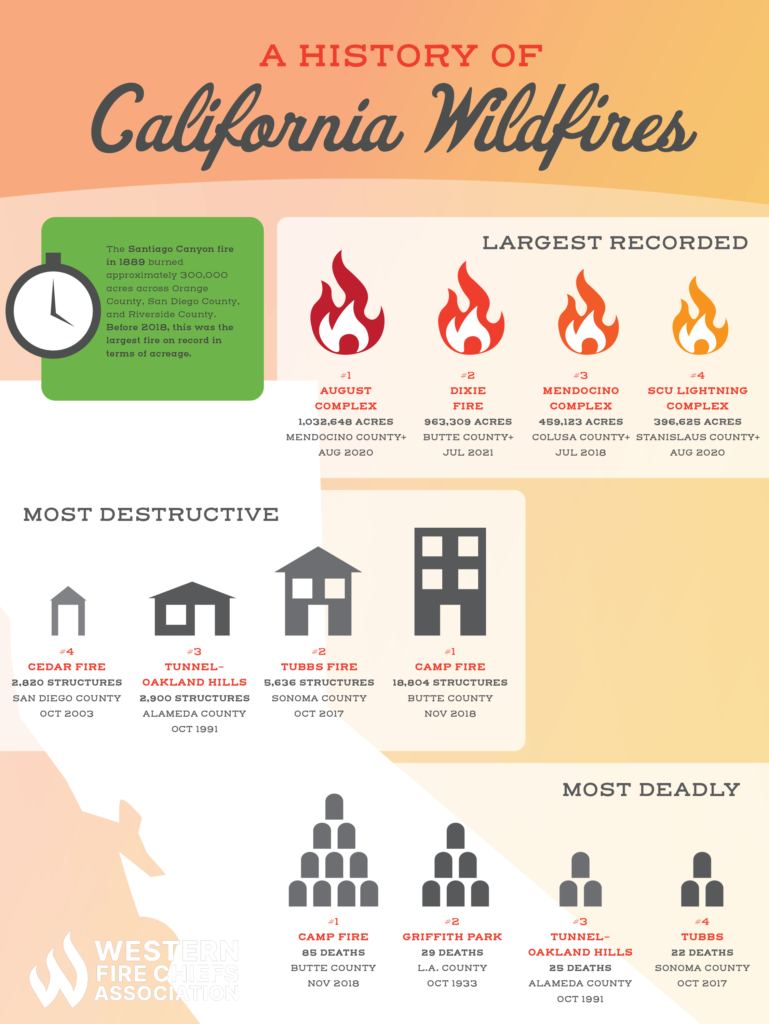
One of the most destructive fires in California history, the Camp Fire, ignited on the morning of November 8, 2018, in Butte County, near the town of Paradise. Driven by strong winds, it rapidly engulfed Paradise, causing immense loss of life and property. The timing, late in the traditional fire season, highlighted how extreme drought and high winds can extend the period of high risk. While Paradise itself was not a major tourist hub, its proximity to natural attractions and the scale of the devastation sent shockwaves through the state, underscoring the potential for catastrophic impact even far from major urban centers, affecting travel sentiment statewide.
The Tubbs Fire: Impact on Wine Country
The Tubbs Fire, which started on October 8, 2017, was one of the most devastating blazes during the “Northern California firestorm” of that year. Igniting in Sonoma County and quickly spreading into Napa Valley and Santa Rosa, it devastated communities and threatened the heart of California’s world-renowned wine region. The start of this fire in early October, a prime harvest and tourist season for wine country, resulted in significant closures of wineries, hotels, and restaurants, causing substantial economic losses to a vibrant tourism sector. The rapid spread and destruction served as a stark lesson on how quickly a seemingly idyllic vacation can be disrupted by such events.
Other Noteworthy Blazes

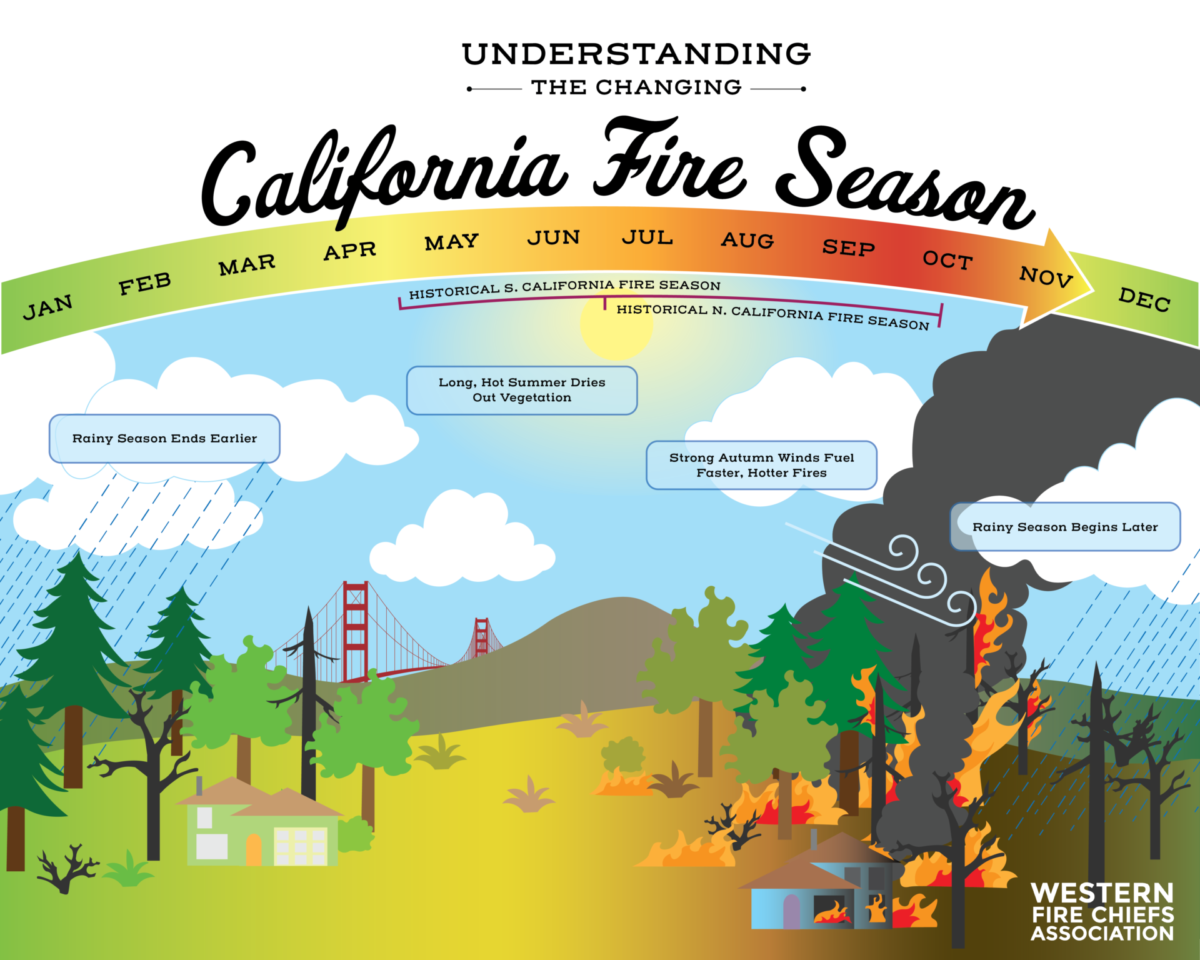
Beyond these two, numerous other fires have left their mark, often starting in the peak of summer or early fall. The Creek Fire, which began on September 4, 2020, near Shaver Lake in the Sierra Nevada, forced evacuations from popular recreation areas and burned for months, impacting access to national parks and forests. Similarly, fires near Lake Tahoe and in Orange County have repeatedly threatened popular tourist destinations, often starting due to human causes or dry lightning strikes. These incidents emphasize that the risk of wildfires in California is not confined to one region or a single month but is a broad seasonal concern from roughly June to November, sometimes extending earlier or later depending on drought conditions.
The Tangible Impact on California’s Tourism
The onset of a major wildfire in California extends far beyond the immediate burn zone, creating a cascade of effects that impact the state’s vital tourism industry. From direct threats to a drop in visitor confidence, these blazes reshape travel patterns and economic realities.
Direct Threats to Destinations and Attractions
When fires start, the most immediate impact on tourism is the closure of affected areas. National parks like Yosemite National Park, state parks, and popular hiking trails are frequently shut down for safety reasons, sometimes for extended periods, as was the case during fires near Sequoia National Park and Kings Canyon National Park. Iconic coastal drives, such as sections of Highway 1 near Big Sur, can be closed due to active fires or mudslides that follow. Hotels, resorts, and vacation rentals in threatened zones, including those in Palm Springs or near Santa Barbara, face mandatory evacuations, leading to cancellations and significant financial losses. The natural landscapes that draw millions of visitors, from ancient redwood groves in Humboldt County to the rolling vineyards of Napa Valley, are directly vulnerable to destruction, altering the very experience tourists seek.
Economic Repercussions and Recovery
The economic fallout from wildfires is substantial. Beyond immediate property damage, tourism-dependent businesses suffer from a drastic reduction in visitors. Wineries in Sonoma County, boutique shops in Carmel-by-the-Sea, and adventure tour operators statewide can face months or even years of recovery. Reduced tax revenues impact local governments, affecting public services. While the resilience of California’s tourism sector is remarkable, with many communities actively rebuilding and welcoming visitors back, the path to full recovery can be long and arduous. Tourists who return to affected areas, perhaps by staying in a local boutique hotel or dining at a rebuilt restaurant, play a crucial role in supporting these communities’ revitalization efforts.
Air Quality and Visitor Experience
Even if a specific destination is not directly in the path of a fire, smoke and poor air quality can blanket vast regions. This has become an increasingly common issue, affecting major metropolitan areas like San Francisco and Sacramento, and even iconic natural areas like Lake Tahoe, hundreds of miles from the ignition source. Poor air quality can severely diminish the visitor experience, leading to cancellations, reduced outdoor activity, and health concerns, especially for vulnerable populations. The vibrant blue skies that are a hallmark of California tourism can turn hazy and orange, fundamentally altering the aesthetic and enjoyment of a trip. Travel alerts and advisories often focus on air quality as much as fire proximity during peak season.
Navigating California Tourism During Fire Season
For those planning a trip to California, especially during the traditional fire season from late spring through autumn, understanding how to navigate the potential impacts of wildfires is paramount. Responsible and informed travel can ensure a safer and more enjoyable experience while supporting the state’s resilience.
Planning Ahead: Resources and Alerts
The key to safe travel during fire season is proactive planning and staying informed. Before and during your trip, regularly check official sources for wildfire status, air quality reports, and road closures. Websites from Cal Fire (the California Department of Forestry and Fire Protection), the National Park Service, and local county emergency services are invaluable resources. Sign up for local emergency alerts in the areas you plan to visit. Consider flexible booking options for accommodation and activities, as plans may need to change rapidly. Destinations like Monterey or San Diego, while generally less prone to direct fire impact, can still experience smoke, so checking regional air quality is always a good idea.
Responsible Tourism and Safety
Practicing responsible tourism is more critical than ever during fire season. This includes being extremely cautious with any potential ignition sources: never discarding cigarettes, ensuring campfires are only lit in designated areas and fully extinguished, and being mindful of vehicle exhaust in dry grass. Adhere strictly to any fire bans or restrictions, which are often in place in national forests and wilderness areas. If you receive an evacuation order, follow it immediately and without hesitation. Having an emergency kit in your vehicle, with water, snacks, and a full tank of gas, is also a prudent measure. By exercising diligence, tourists can contribute to prevention efforts and ensure their own safety and that of the communities they visit, whether exploring the urban attractions of San Jose or the natural beauty of Mendocino.
Supporting Affected Communities
When planning your travels, consider how you can support communities that have been impacted by wildfires. Visiting areas once affected, such as Napa Valley or Sonoma County after the 2017 fires, helps local businesses recover and thrive. Many towns proudly showcase their resilience and offer unique experiences. Choosing to stay in local hotels, dine at independent restaurants, and purchase from local artisans directly injects funds into the local economy. Researching charities that support wildfire relief or community rebuilding efforts is another way to contribute. By being a thoughtful and informed traveler, you not only enjoy the wonders of California but also become a part of its ongoing story of resilience and recovery, appreciating the deeper meaning behind the question, “When did the fire start in California?”
LifeOutOfTheBox is a participant in the Amazon Services LLC Associates Program, an affiliate advertising program designed to provide a means for sites to earn advertising fees by advertising and linking to Amazon.com. Amazon, the Amazon logo, AmazonSupply, and the AmazonSupply logo are trademarks of Amazon.com, Inc. or its affiliates. As an Amazon Associate we earn affiliate commissions from qualifying purchases.