
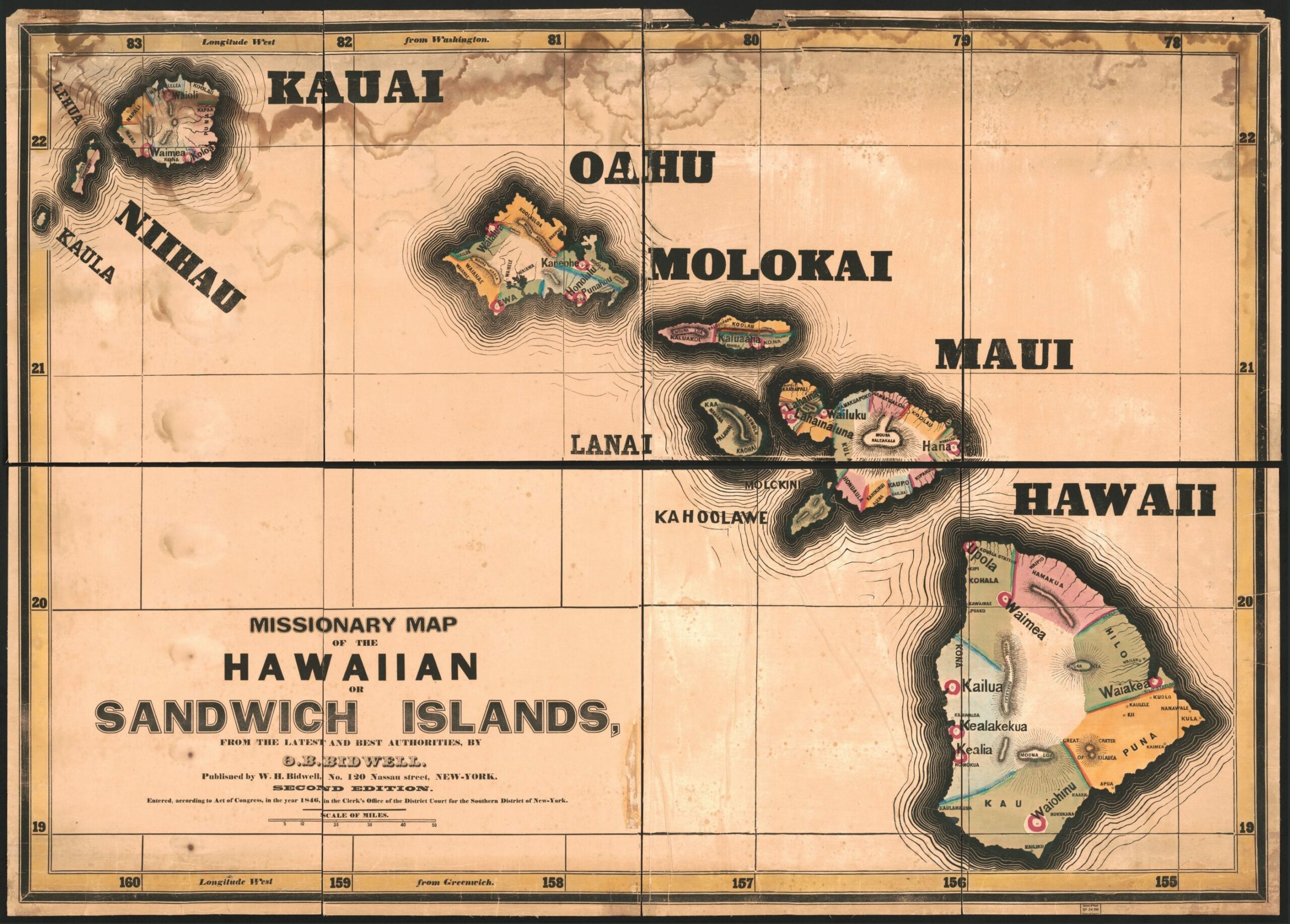
The question of when the United States “bought” Hawaii is a complex one, often simplified in popular understanding. The reality is a multifaceted historical process involving annexation rather than a straightforward purchase, a distinction that carries significant weight when exploring the narrative of Hawaii becoming a U.S. state. Understanding this pivotal moment requires delving into the political machinations, the erosion of Hawaiian sovereignty, and the ultimate establishment of American control. This exploration will focus on the historical context and the events that led to the annexation of the Kingdom of Hawaii, a process that concluded in 1898.
The Seeds of Annexation: Erosion of Hawaiian Sovereignty
The journey towards annexation was not an abrupt event but a gradual process that began decades earlier, fueled by increasing American economic and political influence in the Hawaiian Islands. The strategically important location of Hawaii in the Pacific, coupled with its valuable agricultural resources, particularly sugar, made it an attractive prospect for foreign powers, with the United States emerging as the dominant force.
The Rise of American Influence and Economic Interests
From the early 19th century, American missionaries and businessmen began establishing a significant presence in Hawaii. They introduced Western customs, education, and, crucially, new economic models. The cultivation of sugar plantations, often owned by American-backed companies, became the cornerstone of the Hawaiian economy. This economic dependence gradually intertwined with political aspirations. American businessmen sought favorable trade agreements, particularly the Reciprocity Treaty of 1875, which allowed Hawaiian sugar to enter the United States duty-free in exchange for certain trade concessions and, significantly, ceded exclusive rights to the U.S. to use Pearl Harbor as a naval base. This treaty, later renewed and expanded, cemented American economic leverage and set the stage for deeper political entanglement.
The Bayonet Constitution and its Aftermath
The growing power of American landowners and business interests led to demands for greater political control. In 1887, a group of primarily American and European businessmen, backed by a militia known as the “Honolulu Rifles,” presented King Kalākaua with an ultimatum. Under duress, King Kalākaua was forced to sign a new constitution, often referred to as the “Bayonet Constitution.” This document significantly curtailed the monarch’s power, disenfranchised native Hawaiians, and granted substantial voting rights to foreign property owners. The Bayonet Constitution marked a critical turning point, effectively transforming Hawaii into a constitutional monarchy with a de facto oligarchy dominated by foreign interests. The resentment and resistance among native Hawaiians grew, but the power imbalance was undeniable.
The Overthrow of the Monarchy
The culmination of decades of increasing foreign influence and political maneuvering was the overthrow of the Hawaiian monarchy. This event, orchestrated by American businessmen with the tacit support of U.S. officials, permanently altered the course of Hawaiian history.
The Role of the Committee of Safety and U.S. Marines
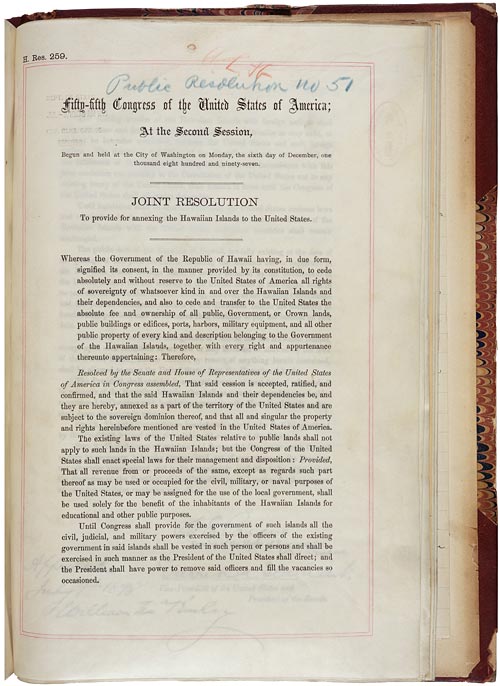
In January 1893, the Committee of Safety, a group of American and European businessmen who had benefited from the Bayonet Constitution, launched a coup against Queen Liliʻuokalani, who had ascended to the throne in 1891. Queen Liliʻuokalani sought to restore power to the monarchy and enact a new constitution that would re-enfranchise native Hawaiians. Fearing the loss of their economic and political dominance, the Committee of Safety, with the active support of U.S. Minister John L. Stevens, landed troops from the USS Boston at Honolulu Harbor. These U.S. Marines, ostensibly deployed to protect American lives and property, effectively provided military backing to the coup, surrounding the ʻIolani Palace and preventing any resistance to the overthrow.
Queen Liliʻuokalani’s Abdication and the Provisional Government
Faced with overwhelming U.S. military force and the threat of further bloodshed, Queen Liliʻuokalani made the agonizing decision to abdicate her throne. She issued a statement under protest, declaring that she yielded her authority “to the superior force of the United States of America” rather than resort to armed conflict. Following her abdication, the Committee of Safety established a Provisional Government, with Sanford B. Dole, an American lawyer and businessman, as its president. This Provisional Government immediately began the process of seeking annexation by the United States, arguing that it was the will of the people of Hawaii. However, this claim was highly contested, as the vast majority of native Hawaiians opposed annexation and the methods used to depose their queen.
The Path to Annexation: A Formal, Not a Purchase
The overthrow of the monarchy paved the way for the formal annexation of Hawaii by the United States. This was not a transaction involving a monetary “purchase” of land or sovereignty, but rather a legislative act by the U.S. Congress.
The Treaty of Annexation and its Failure
Immediately after the overthrow, representatives of the Provisional Government, led by Sanford B. Dole, traveled to Washington D.C. to negotiate a treaty of annexation. A treaty was indeed signed in February 1893, but it faced significant opposition in the U.S. Senate. President Grover Cleveland, who succeeded Benjamin Harrison, was an ardent opponent of the annexation, viewing the overthrow of the monarchy as an illegal act of aggression. He withdrew the treaty from the Senate and ordered an investigation, which concluded that the U.S. had acted improperly. Cleveland sought to restore Queen Liliʻuokalani to her throne, but the Provisional Government refused to relinquish power.
The Newlands Resolution and the 1898 Annexation
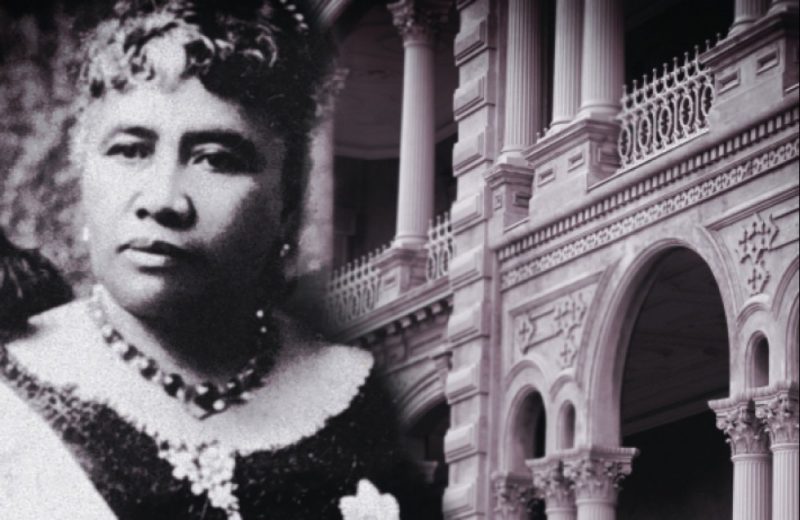
The push for annexation continued, particularly during the administration of President William McKinley, who was more amenable to the idea. The Spanish-American War, beginning in 1898, significantly heightened the strategic importance of Hawaii as a naval coaling station and military outpost for U.S. forces in the Pacific. Faced with the exigency of war and the continued lobbying efforts of the annexationists, Congress ultimately bypassed the treaty process, which required a two-thirds majority in the Senate, and opted for a joint resolution. On July 7, 1898, President McKinley signed the Newlands Resolution, which formally annexed the Republic of Hawaii (the successor to the Provisional Government) to the United States. This was followed by the Organic Act of 1900, which established the Territory of Hawaii, marking the official beginning of American territorial rule. The question of a “buyout” is therefore a misnomer; Hawaii was annexed through a political act, not a financial purchase.
LifeOutOfTheBox is a participant in the Amazon Services LLC Associates Program, an affiliate advertising program designed to provide a means for sites to earn advertising fees by advertising and linking to Amazon.com. Amazon, the Amazon logo, AmazonSupply, and the AmazonSupply logo are trademarks of Amazon.com, Inc. or its affiliates. As an Amazon Associate we earn affiliate commissions from qualifying purchases.