
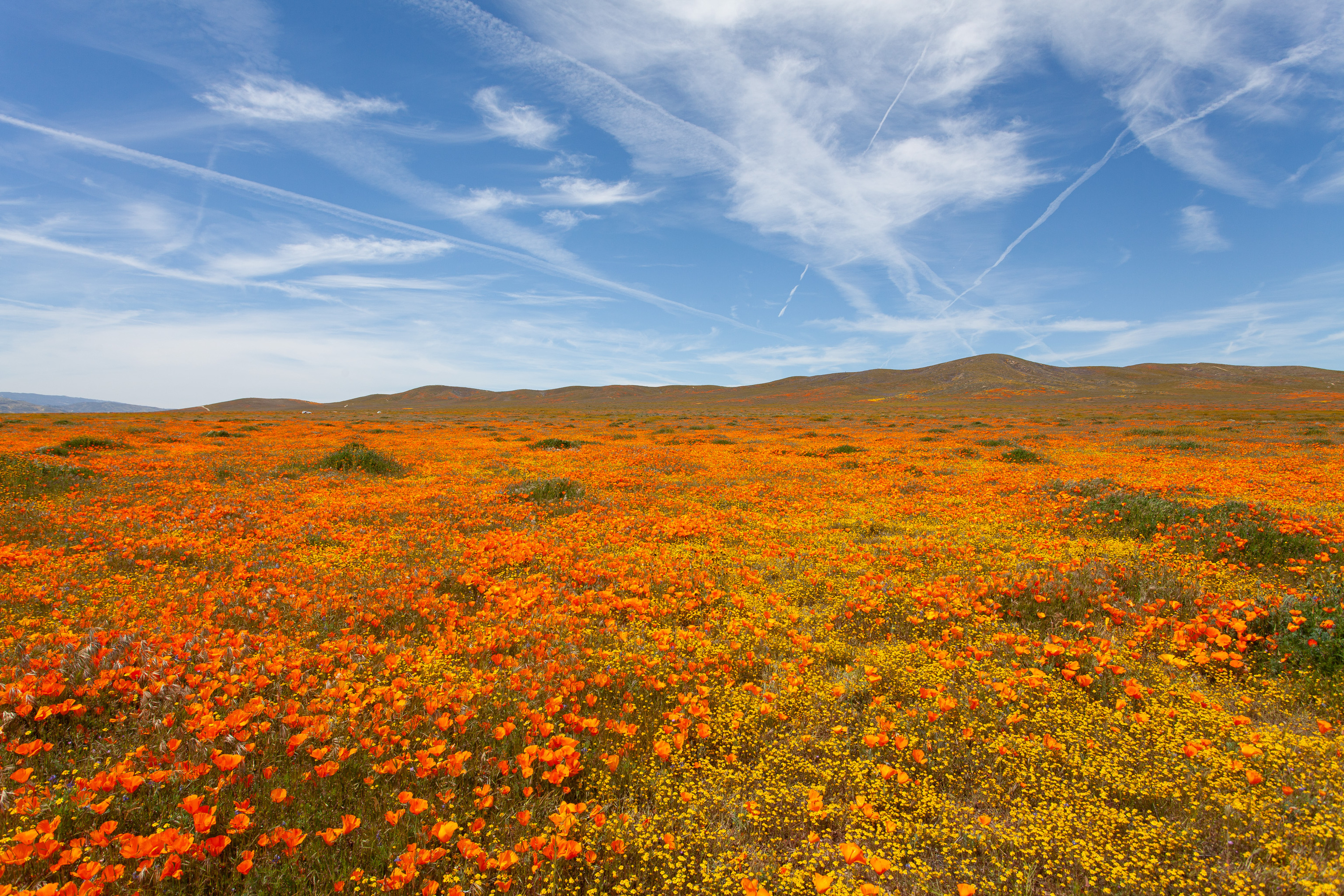
The sight of rolling hills bathed in a vibrant, undulating sea of orange is one of California’s most breathtaking natural spectacles. The state flower, the California Poppy (Eschscholzia californica), transforms landscapes into ethereal tapestries of color, drawing visitors from around the globe. For those dreaming of witnessing this incredible natural phenomenon, the most crucial question is, “When do California Poppies bloom?” Understanding the timing is paramount for planning a successful travel itinerary, ensuring your journey aligns perfectly with nature’s most dazzling display. This comprehensive guide will illuminate the mysteries of the poppy season, detailing optimal viewing times, prime destinations, and essential travel tips to make your poppy-chasing adventure unforgettable.

Unraveling the Golden Season: The Science of the Bloom
The blooming of California Poppies is a delicate dance choreographed by nature, heavily influenced by environmental factors. It’s not a fixed date on the calendar but rather a dynamic window that shifts annually, making diligent planning essential for travelers.
The Ideal Climate Conditions
At the heart of a spectacular poppy bloom are specific climatic conditions. The seeds of the California Poppy lie dormant in the soil, awaiting a precise trigger to spring to life. This trigger is typically a combination of sufficient winter rainfall followed by mild spring temperatures and ample sunshine. A good soaking rain during the colder months ensures the soil has enough moisture to germinate the seeds and sustain the nascent plants. As spring arrives, warmer, but not excessively hot, temperatures encourage growth, while abundant sunlight is vital for the poppies to unfurl their vibrant petals each morning. Too much rain in spring can lead to fungal issues, and sudden heatwaves can prematurely end the bloom.
Typical Blooming Period
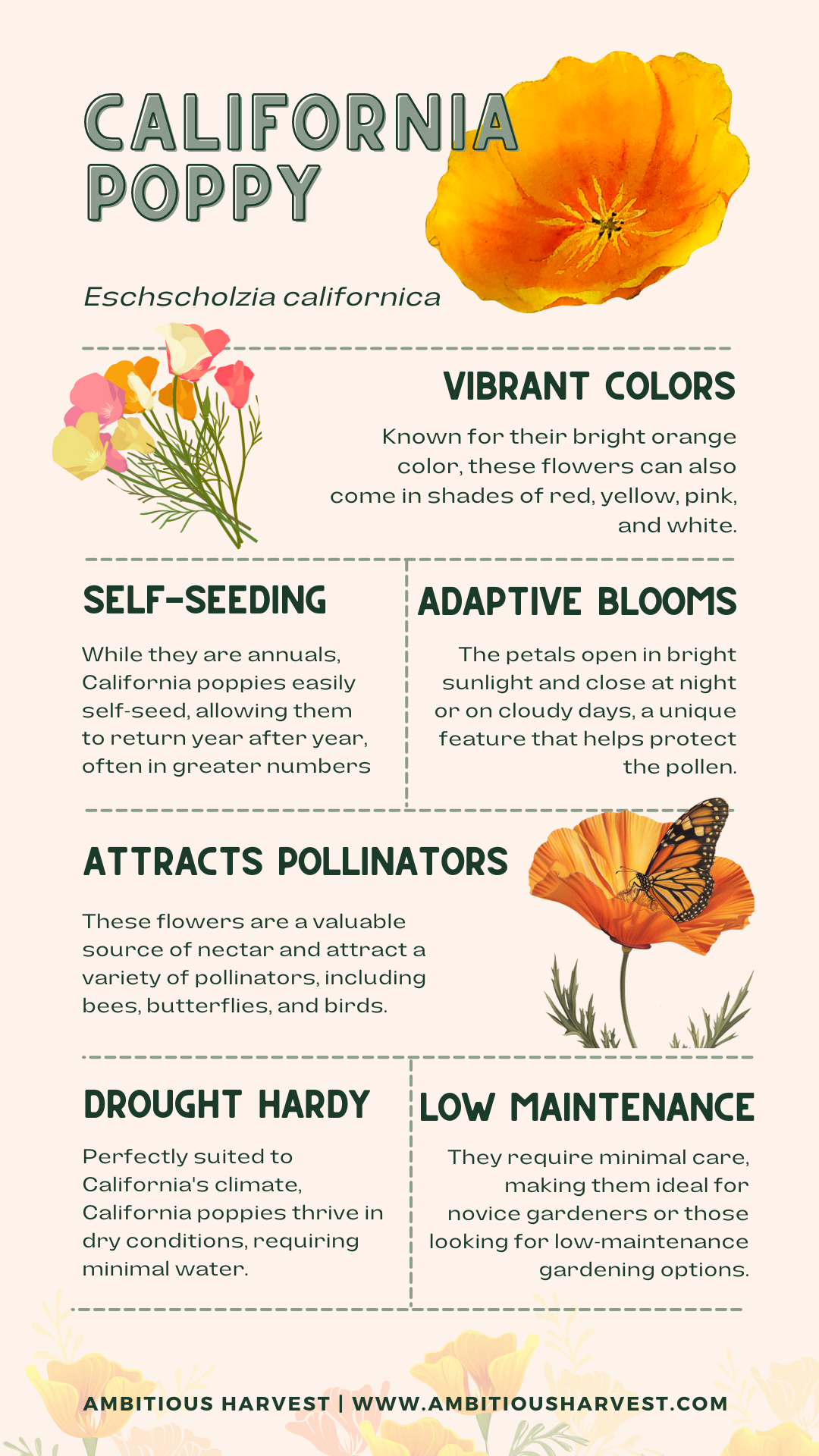
Generally, the California Poppy season begins in early spring, typically around late February or March, and can extend through April and into May. The peak bloom, when the fields are at their most brilliant and widespread, often occurs in mid-March to mid-April. However, this is a generalization. In areas with higher elevations or cooler microclimates, the bloom might start a bit later and last longer. Coastal regions might also see slightly different timing compared to inland deserts. The poppies are heliotropic, meaning their petals open with the sun’s warmth and close in the evening or on cloudy days, making sunny mid-mornings to early afternoons the best time for viewing.
Factors Influencing Variability: From Drought to Superblooms
The unpredictability of California’s weather means the poppy bloom varies significantly year to year.
- Drought years can result in sparse or non-existent blooms, as the lack of adequate winter rainfall prevents germination.
- Conversely, exceptionally wet winters, sometimes fueled by an El Niño weather pattern, can lead to what is famously known as a “superbloom.” These rare events see vast expanses of wildflowers explode simultaneously, covering entire hillsides and valleys in a breathtaking tapestry of color. A superbloom is truly a bucket-list travel experience, but they don’t happen every year.
- Local microclimates, soil composition, and even fire history can also play a role in how a particular area experiences its bloom. Travelers should therefore not rely on a single, fixed forecast but rather monitor conditions as their travel date approaches.
Top Destinations for Experiencing the Poppy Spectacle
While California Poppies can appear in many parts of the state, certain locations are renowned for their spectacular displays, offering dedicated visitor facilities and expansive fields perfect for a travel expedition.
The Quintessential Antelope Valley California Poppy Reserve
Undoubtedly the most famous destination for poppy viewing, the Antelope Valley California Poppy Reserve, located near Lancaster in northern Los Angeles County, is specifically preserved for the protection of California Poppies and other native wildflowers. This state park offers 8 miles of clearly marked trails, including a paved section for wheelchair access, allowing visitors to immerse themselves in the golden fields without disturbing the delicate ecosystem. A visitor center provides educational exhibits and up-to-date bloom information. The reserve’s high desert elevation and specific climate make it consistently one of the best spots to witness a significant bloom, often peaking from mid-March to late April.
Carrizo Plain National Monument: For the Adventurous Traveler
For those seeking a more remote and often more dramatic superbloom experience, the Carrizo Plain National Monument, east of San Luis Obispo and Bakersfield, is an unparalleled destination. This vast, undeveloped landscape is one of California’s best-kept secrets for wildflowers. During superbloom years, the plain transforms into an almost psychedelic explosion of color, with poppies, phacelia, lupine, and other wildflowers creating stunning vistas. However, the Carrizo Plain National Monument is rustic, with limited facilities and requires more planning for accommodation and supplies. Its beauty lies in its raw, untamed nature, offering an incredible photographic opportunity for dedicated nature photographers and travelers.
Other Notable Spots and Coastal Variations
While Antelope Valley and Carrizo Plain are headline attractions, other locations also offer beautiful poppy viewing opportunities, particularly during strong bloom years.
- Lake Elsinore, located in Riverside County, famously experienced an overwhelming superbloom in 2019 that drew unprecedented crowds. While not an annual guarantee, its surrounding hills can still offer good displays.
- Chino Hills State Park in Orange County provides another excellent option, often less crowded than the more famous reserves, with rolling hills blanketed in poppies and other wildflowers.
- Along the coast, spots like Point Dume State Preserve in Malibu or various trails in Big Sur can feature the less common coastal poppy varieties, often blooming slightly later and offering spectacular ocean backdrops. These diverse locations allow travelers to tailor their poppy experience to their desired level of adventure and proximity to major cities.
Planning Your Poppy-Chasing Adventure
A successful trip to see the California Poppies requires more than just knowing when they bloom; it demands careful planning to maximize your viewing pleasure and ensure a responsible visit.
Best Time to Visit and Avoiding Crowds
The optimal time for viewing poppies is generally from mid-morning (around 10 AM) to early afternoon (before 3 PM) on a sunny day. During these hours, the poppies are fully open, basking in the sunlight. To avoid the heaviest crowds, especially during peak bloom weeks, consider visiting on weekdays rather than weekends. Arriving right at opening time or slightly before closing can also offer a more serene experience, though the poppies may not be fully open first thing in the morning. Weekends, particularly during superblooms, can see significant traffic and long waits for parking at popular reserves.
Essential Packing List
Prepare for a day outdoors in the California sun. Your packing list should include:
- Water: Staying hydrated is crucial, especially in exposed fields.
- Sun Protection: A wide-brimmed hat, sunscreen, and sunglasses are non-negotiable.
- Comfortable Walking Shoes: You’ll be doing a fair amount of walking on uneven trails.
- Camera: To capture the incredible beauty, but remember to look up from your viewfinder and soak it in!
- Layered Clothing: Spring weather can be unpredictable; mornings might be cool, but afternoons warm up quickly.
Respecting the Environment: Leave No Trace
The increasing popularity of poppy viewing, especially during superblooms, has unfortunately led to incidents of environmental damage. It is imperative that all visitors adhere to Leave No Trace principles:
- Stay on Designated Trails: Never step off trails or fences into the poppy fields. This protects the delicate plants and soil, allowing them to return year after year. Poppies are fragile, and even a single step can crush hundreds of flowers and their seeds, preventing future blooms.
- Do Not Pick Flowers: It is illegal to pick wildflowers on public lands in California, and doing so diminishes the beauty for others and prevents seed dispersal for the next season.
- Pack It In, Pack It Out: Take all trash with you, leaving nothing behind.
- Keep Pets on Leash: If pets are allowed (check specific park rules), ensure they are leashed and their waste is properly disposed of.
Checking Bloom Status: Your Digital Compass
Given the variability of the bloom, the single most important travel tip is to check the current bloom status before you go.
- Official Park Websites: The Antelope Valley California Poppy Reserve website, for instance, provides daily updates, photos, and live webcams during the season.
- Social Media: Follow local tourism boards, park accounts, and hashtag #californiapoppies for real-time updates and traveler photos.
- Local Tourism Boards: Websites for cities like Lancaster, Palmdale, or San Luis Obispo often provide regional wildflower reports.
Beyond the Poppies: Enhancing Your California Spring Travel
A trip to see the California Poppies can easily be integrated into a larger California spring itinerary, offering opportunities to explore the state’s diverse attractions and experiences.
Nearby Attractions and Activities
While the poppies are a primary draw, their prime viewing locations are often near other worthwhile destinations.
- If visiting Antelope Valley, consider exploring the nearby Edwards Air Force Base (though access is restricted) or the unique landscapes of the Mojave Desert.
- For those venturing to Carrizo Plain National Monument, the historic Highway 101 corridor and the renowned Paso Robles wine region are within a reasonable drive, offering opportunities for wine tasting and scenic coastal drives.
- Areas around Chino Hills State Park or Lake Elsinore provide access to a myriad of Southern California attractions, from theme parks to beaches. Incorporating these into your travel plans can enrich your overall experience.
Accommodation Options for Every Traveler
Depending on your chosen poppy destination, accommodation options vary.
- Near the Antelope Valley California Poppy Reserve, the cities of Lancaster and Palmdale offer a range of hotels, from budget-friendly chains to more comfortable mid-range options. Booking in advance, especially during peak bloom, is highly recommended.
- For the Carrizo Plain National Monument, lodging is sparse. Travelers often opt for camping within the monument or staying in towns like Bakersfield, San Luis Obispo, or Santa Maria, which are further drives but offer more amenities.
- Closer to Los Angeles and Orange County, the range of hotels, vacation rentals, and resorts is extensive, catering to all preferences and budgets.
Local Cuisine and Experiences
Don’t forget to indulge in local flavors! Many California towns near poppy viewing areas boast charming farmers markets, farm-to-table restaurants, and unique local eateries. Spring brings fresh produce, and many communities host local festivals or events that coincide with the wildflower season. Exploring the local cuisine and engaging with the community can add another layer of richness to your poppy-chasing travel adventure.
Witnessing the California Poppies in full bloom is a truly magical travel experience, a vibrant testament to nature’s artistry. By understanding the optimal blooming periods, choosing the right destinations, and adhering to responsible travel practices, you can ensure your journey to the golden fields is not only successful but also deeply enriching. Keep an eye on those bloom reports, pack your camera, and prepare to be mesmerized by California’s unparalleled spring spectacle.
LifeOutOfTheBox is a participant in the Amazon Services LLC Associates Program, an affiliate advertising program designed to provide a means for sites to earn advertising fees by advertising and linking to Amazon.com. Amazon, the Amazon logo, AmazonSupply, and the AmazonSupply logo are trademarks of Amazon.com, Inc. or its affiliates. As an Amazon Associate we earn affiliate commissions from qualifying purchases.