
For avid skiers and snowboarders, the unofficial start of winter is eagerly anticipated months in advance. The annual question, “When do Colorado ski resorts open?” sparks a flurry of excitement and planning. Colorado, renowned for its majestic Rocky Mountains and world-class ski terrain, typically kicks off its ski season earlier than many other regions in North America. While there’s no single, fixed date, a combination of natural factors, resort capabilities, and strategic planning dictates the grand unveiling of the slopes each year. Understanding these dynamics is crucial for anyone hoping to carve the first tracks of the season or simply secure an early-season getaway.
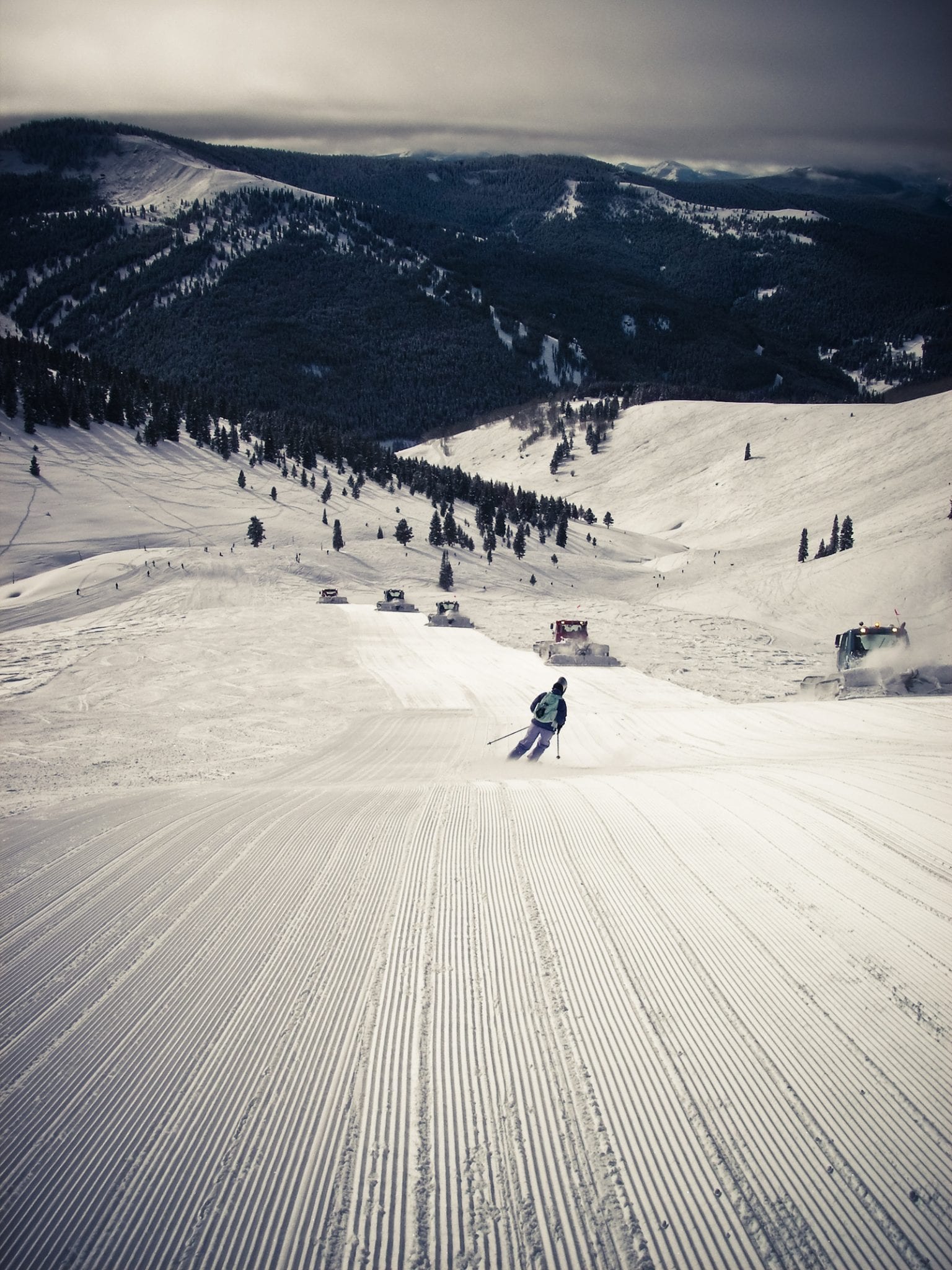
The Factors Influencing Ski Resort Openings
The precise timing of ski resort openings is a complex interplay of natural phenomena and human effort. Several critical elements must align for resorts to welcome guests safely and enjoyably.
Natural Snowfall: The Primary Driver
At the heart of any ski season is natural snow. Early season storms, particularly those that deliver substantial moisture and cold temperatures, are the most significant contributors to opening dates. Resorts in Colorado’s high-altitude environments, like those situated along the Continental Divide, are often the first to accumulate a natural snow base. A solid base is not just about aesthetics; it’s vital for protecting the underlying terrain from damage and ensuring sufficient depth for skiing and snowboarding. While a dusting might look picturesque, resorts require several feet of consolidated snow to open even limited terrain. Monitoring long-range forecasts for early October and November snow patterns becomes a daily ritual for resort operators and powder hounds alike.
Snowmaking Capabilities: Supplementing Nature
In an era of variable weather patterns, snowmaking has evolved from a supplemental luxury into an essential component of opening day preparations. Colorado’s premier resorts invest heavily in state-of-the-art snowmaking systems, featuring thousands of high-tech snow guns. These systems require specific climatic conditions: sustained cold temperatures (typically below 28 degrees Fahrenheit or -2 degrees Celsius) and low humidity. When natural snowfall is scarce, resorts can leverage these systems to lay down a foundational layer of snow on key trails, ensuring at least some terrain is ready for the first skiers. Resorts like Keystone Resort and Breckenridge Ski Resort are particularly known for their extensive snowmaking fleets, which play a pivotal role in their consistent early openings. The ability to make snow provides a critical buffer against erratic weather, allowing resorts to commit to opening dates with greater confidence.
Operational Readiness and Staffing
Beyond snow, a ski resort is a massive operation requiring extensive preparation. Lifts must undergo rigorous inspections and testing by regulatory bodies. Ski patrol, lift operations, guest services, rental shops, and food and beverage teams must be hired, trained, and ready. This logistical undertaking often begins months before the first flakes fly. Staffing challenges, particularly in mountain towns, can sometimes influence a resort’s ability to open full terrain or even on time. Safety is paramount, and every aspect of the resort must be deemed safe and operational before guests are welcomed.
Economic Considerations and Marketing
There’s also a significant economic and marketing drive behind opening dates. The desire to capture the lucrative early season market, especially around the Thanksgiving holiday weekend, encourages resorts to open as early as possible. Being one of the first resorts to open in Colorado can generate substantial media buzz and attract enthusiastic visitors eager to kick off the season. This competitive spirit, while beneficial for skiers, adds another layer of complexity to the opening day decision-making process.
Anticipated Opening Dates for Major Colorado Resorts
While specific dates fluctuate annually, Colorado resorts generally follow a predictable pattern for their season kick-offs.
The Earliest Birds: The Race to Open
The unofficial “first to open” title is a coveted honor in Colorado, often going to two high-altitude gems: Arapahoe Basin (A-Basin) and Loveland Ski Area. Due to their extreme elevation and favorable microclimates that trap cold air and early snowfall, these resorts frequently open in mid-October, sometimes even pushing into late September in banner years. They typically start with one or two runs serviced by a single lift, but the enthusiasm is undeniable. Skiers from across the state, and indeed the country, flock to witness or participate in the ceremonial first chair of the season.
Mid-November Mainstays
The bulk of Colorado’s major resorts aim for a mid-to-late November opening, often targeting the week leading up to Thanksgiving or the weekend immediately following. This includes some of the most popular destinations:
- Keystone Resort: Frequently one of the earliest large resorts, thanks to extensive snowmaking, often opens in early to mid-November.
- Breckenridge Ski Resort: Another major player that typically targets mid-November for its initial opening, drawing significant crowds.
- Vail Ski Resort: The iconic Vail usually joins the fray around mid-November, often with limited terrain to start.
- Copper Mountain: A popular choice for early season training, Copper also aims for a mid-November debut.
- Eldora Mountain Resort: Located conveniently close to Boulder and Denver, Eldora typically opens in mid-November as well.
These resorts strategically align their openings to capture the holiday travel surge, even if initial terrain is limited.
Late November to Early December Entrants
A third wave of resorts typically opens in late November or the first week of December. These destinations might be more reliant on natural snowfall or choose to wait until they can offer a more robust terrain package.
- Steamboat Resort: Famous for its “Champagne Powder,” Steamboat usually opens just before Thanksgiving or in early December.
- Winter Park Resort: A favorite for families and front range residents, Winter Park also typically targets late November or early December.
- Aspen Snowmass: Comprising Snowmass, Aspen Mountain, Aspen Highlands, and Buttermilk, Aspen Snowmass generally opens its first mountains (Snowmass and Aspen Mountain) around Thanksgiving or early December, with the others following suit.
- Telluride Ski Resort: Nestled in the dramatic San Juan Mountains, Telluride typically opens in late November or early December.
- Crested Butte Mountain Resort: Known for its extreme terrain and charming town, Crested Butte also generally opens in early December.
- Purgatory Resort: Located near Durango in southern Colorado, Purgatory usually opens its doors in late November or early December.
- Sunlight Mountain Resort: A more local-focused resort near Glenwood Springs, Sunlight also typically opens in early December.
These later openings often coincide with more consistent cold temperatures and the potential for greater natural snowfall, allowing for a more extensive initial offering of terrain.
Beyond the Opening Day: What to Expect in Early Season

While the opening day is a celebration, early season skiing comes with its own unique set of characteristics.
Variable Snow Conditions
Even with extensive snowmaking, early season snow can be highly variable. Expect a mix of man-made snow, which tends to be denser and firmer, and natural powder if storms have passed through. Coverage may be thin in spots, particularly off-piste. The term “rock skis” often comes to mind, referring to an older pair of skis or board you don’t mind getting scratched by exposed rocks or hidden obstacles. However, early season also holds the potential for incredible, uncrowded powder days if a significant storm hits.
Limited Terrain and Lift Access
Resorts rarely open their entire mountain on day one. Typically, only a handful of key runs and a limited number of lifts will be operational. As more snow falls and conditions improve, additional terrain will be progressively opened. Skiers should manage expectations and be prepared for less variety in runs during the first few weeks of the season. The upper mountain areas, which require significantly more snow, often remain closed until December or even January.
Quieter Crowds (Initially)
One of the major perks of early season skiing, especially before the Thanksgiving rush and the major holiday period from Christmas through New Year’s, is fewer crowds. This means shorter lift lines, more open space on the slopes, and a generally more relaxed atmosphere. For those who prioritize solitude and can tolerate potentially less terrain, the early weeks of November can offer a fantastic experience. However, be prepared for a spike in visitors around the Thanksgiving holiday weekend.
Festive Atmosphere
Opening day at a Colorado ski resort is always a festive occasion. Resorts often host events, give out prizes to the first chair riders, and feature live music. There’s an undeniable buzz in the air as everyone celebrates the return of winter sports. Even in the weeks following, the energy remains high as people reconnect with their passion for skiing and snowboarding.
Planning Your Early Season Ski Trip to Colorado
A successful early season trip to Colorado requires a bit of strategic planning.
Flexibility is Key
Given the unpredictable nature of early season weather, flexibility is your greatest asset. If possible, opt for refundable flights and accommodations. Having a backup plan or being open to skiing at a different resort than your initial choice can save your trip if one mountain experiences delays. Keep an eye on the forecasts and be ready to pivot.
Monitoring Resort Announcements
Stay glued to the official websites and social media channels of your target resorts. They provide real-time updates on opening dates, snow conditions, lift operations, and terrain availability. Many resorts also offer live webcams, allowing you to visually assess the snow coverage. Signing up for email newsletters can also provide timely alerts. Websites like OnTheSnow or Ski-Resorts.com aggregate information, but direct resort sources are always best for definitive plans.
Booking Accommodation and Flights
While early season often means fewer crowds, popular weekends like Thanksgiving can still see high demand. Booking flights and accommodation well in advance, even for early November or December, can secure better rates and availability. Consider staying in nearby valley towns like Frisco, Dillon, or Silverthorne for potentially more affordable lodging options with easy access to multiple resorts.
Gear Preparation
Ensure your skis or snowboard are tuned and waxed, and bindings are checked. Early season conditions can be unpredictable, so sharp edges are crucial. Dress in layers, as temperatures can vary widely from cold mornings to milder afternoons. Don’t forget your helmet, goggles, and waterproof outerwear.
Historical Trends and Future Outlook
Looking back at past seasons provides context for current predictions, while looking forward reveals emerging challenges.
Past Season Variability
Historically, Colorado has seen significant year-to-year variability in opening dates. Some years bring an abundance of early October snowfall, leading to record-early openings. Other years see persistent warm temperatures into November, pushing openings closer to December. This variability underscores why resorts emphasize flexibility and robust snowmaking capabilities. Over the past decade, resorts have generally maintained consistent opening windows, thanks in large part to technological advancements in snowmaking.
The Impact of Climate Change
The longer-term outlook for ski season openings is increasingly influenced by climate change. Warmer average temperatures mean a shorter window for natural snowfall and for snowmaking. This could lead to a greater reliance on snowmaking, particularly in the shoulder seasons of November and April. Resorts are actively investing in more efficient snowmaking technology and exploring sustainable practices to mitigate their environmental footprint. While the spirit of early season skiing in Colorado remains strong, adapting to evolving climate patterns will continue to be a significant challenge for the industry. Skiers might find the sweet spot of consistent snow shifting slightly later into December or [January](https://lifeoutofthebox.com/january] in future decades, making early season even more dependent on strategic planning and flexible travel.
In conclusion, knowing when Colorado ski resorts open is a dynamic quest influenced by nature’s whims and human ingenuity. While mid-to-late November remains the target for most major destinations, the earliest enthusiasts can often find turns as early as October. With careful planning, flexibility, and a keen eye on the weather, an unforgettable early season ski adventure in the Rocky Mountains awaits.
LifeOutOfTheBox is a participant in the Amazon Services LLC Associates Program, an affiliate advertising program designed to provide a means for sites to earn advertising fees by advertising and linking to Amazon.com. Amazon, the Amazon logo, AmazonSupply, and the AmazonSupply logo are trademarks of Amazon.com, Inc. or its affiliates. As an Amazon Associate we earn affiliate commissions from qualifying purchases.