
As the vibrant colors of summer begin to fade into the crisp, golden hues of autumn, residents and nature enthusiasts across New York often find themselves scanning their backyard feeders for a familiar, frantic blur of wings. The Ruby-throated Hummingbird, the only species that breeds in the Eastern United States, is a quintessential symbol of the region’s warmer months. Understanding their migratory patterns is not just a matter of curiosity; it is a fundamental aspect of appreciating the rich biodiversity found in the Northeast.
The Seasonal Departure Timeline
The exodus of hummingbirds from the Empire State is not a single, synchronized event. Instead, it is a gradual process that spans several weeks, driven primarily by physiological changes and environmental cues.

Understanding the Trigger
Migration in birds is largely triggered by photoperiodism—the change in the length of daylight. As the days shorten in late August, these tiny avian athletes experience hormonal shifts that signal the need to put on fat reserves. In New York State, most Ruby-throated Hummingbirds begin their southward journey by mid-September. While some may linger into early October, particularly if the weather remains unseasonably mild, the vast majority are well on their way to their wintering grounds in Mexico and Central America by the end of the first week of October.
Regional Variations
Geography plays a significant role in when you might see the last of these hummingbirds. Hummingbirds in northern regions like the Adirondack Mountains or near the Canadian border typically depart earlier than those in the warmer climates of Long Island or New York City. The urban heat island effect and the coastal moderation of Long Island Sound can sometimes provide enough warmth to sustain late-departing stragglers, though the biological imperative to migrate remains universal.
Preparing for the Long Migration
The physical demands placed on a hummingbird during migration are nothing short of miraculous. To traverse the vast distances between their summer nesting grounds in places like the Hudson Valley and their southern habitats, these birds must undergo radical physiological transformations.
The Role of Hyperphagia
Before departure, hummingbirds enter a state of hyperphagia, a period of excessive feeding where they consume vast amounts of nectar and tiny insects to nearly double their body weight. By gorging on high-energy sugar sources, they create the necessary fuel to sustain non-stop flights. For homeowners in Westchester County or the Catskill Mountains, keeping feeders clean and full during early September is a vital service that provides these birds with the caloric density required to survive the initial stages of their journey.
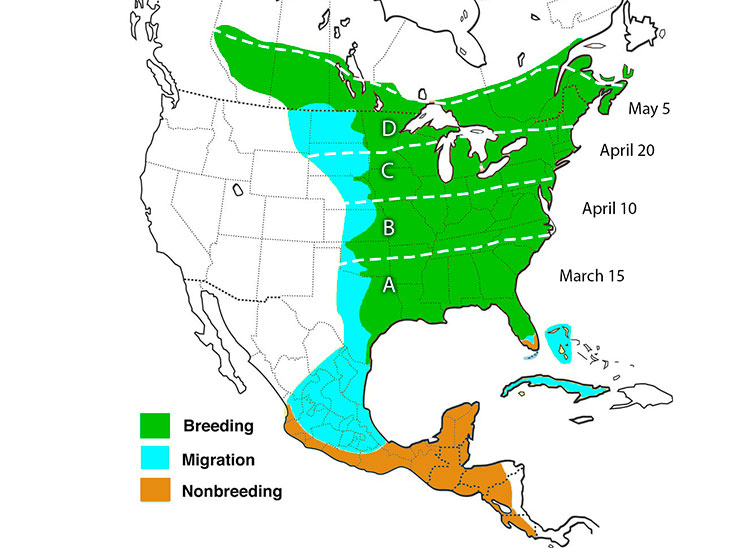
Navigating the Gulf of Mexico
The most daunting leg of their journey is the Gulf of Mexico. While many birds choose to hug the coastline, others undertake a direct, non-stop flight across the open water. This feat requires immense stamina. Those that stop in gardens across North America on their way south are essentially refueling at critical “gas stations” that support their survival. Providing a reliable source of hydration and nutrition in suburban Buffalo or Syracuse gardens can make the difference between a successful migration and a lost life.
Creating a Bird-Friendly Habitat
To support hummingbirds throughout their stay and prepare them for their departure, creating a habitat that mimics their natural preferences is essential. By integrating native plants and thoughtful gardening practices, you can attract more hummingbirds and provide them with the best possible start to their southern migration.
Native Plant Selection
While artificial feeders are excellent, they should be viewed as a supplement to a robust native garden. Native flora such as bee balm, cardinal flower, and trumpet vine are perfectly evolved to meet the nutritional needs of hummingbirds in North America. These plants provide a constant source of nectar that is rich in the specific sugars these birds require. Planning your landscape in Albany or the Finger Lakes region with these species ensures that your garden remains an attractive pit stop.
Ethical Feeding Practices
If you choose to use nectar feeders, maintain them with rigorous hygiene. Use a simple ratio of one part white granulated sugar to four parts water. Avoid using red dyes or organic honey, as these can be harmful to the birds. Clean your feeders every few days, especially in the humid heat of late summer, to prevent the growth of mold and harmful bacteria. By maintaining a clean environment, you contribute to the overall health of the hummingbird population as they gather their strength to exit New York.
Debunking Migration Myths
Common misconceptions often lead people to believe they need to take their feeders down too early, fearing that providing food will “trick” the birds into staying through the winter. This is a myth that needs to be addressed for the sake of the birds’ well-being.
The “Don’t Feed Them” Fallacy
There is a prevailing belief that leaving feeders out after Labor Day will prevent hummingbirds from migrating. This is scientifically inaccurate. Migration is driven by the internal biological clock and the changing quality of light, not by the availability of food. In fact, if a bird is injured or delayed, a lingering feeder in a backyard in Rochester or Ithaca could provide the critical energy needed to allow it to recover and continue its journey.

Identifying Rare Visitors
Occasionally, people in the Northeast report seeing hummingbirds well into November or December. In almost every case, these are not the native Ruby-throated Hummingbirds, but rather western species like the Rufous Hummingbird that have taken a “wrong turn” during migration. These birds are hardier than their eastern counterparts and are increasingly documented in New York State during the late autumn. If you spot a hummingbird after the first frost, it is often best to keep your feeder available and contact a local wildlife expert or the Cornell Lab of Ornithology to report the sighting, as these birds may need specialized human intervention to survive the winter.
By staying observant and maintaining your garden late into the season, you participate in the complex, beautiful, and sometimes mysterious life cycle of one of the world’s most fascinating creatures. As they depart the fields and forests of the Empire State, they carry with them the energy you helped provide, a testament to the interconnectedness of our local environment and the wild beauty of the Western Hemisphere.
LifeOutOfTheBox is a participant in the Amazon Services LLC Associates Program, an affiliate advertising program designed to provide a means for sites to earn advertising fees by advertising and linking to Amazon.com. Amazon, the Amazon logo, AmazonSupply, and the AmazonSupply logo are trademarks of Amazon.com, Inc. or its affiliates. As an Amazon Associate we earn affiliate commissions from qualifying purchases.