
Nestled in the heart of the Pacific Ocean, Molokai remains one of the most enigmatic and untouched gems of the Hawaiian Islands. Often referred to as the “Friendly Isle,” this destination offers a profound departure from the bustling crowds of Oahu or the rapid development found on parts of Maui. To understand the location of Molokai, one must look toward the center of the island chain, situated just eight miles across the Pailolo Channel from the northwest coast of Maui and separated from Oahu by the Kaiwi Channel.
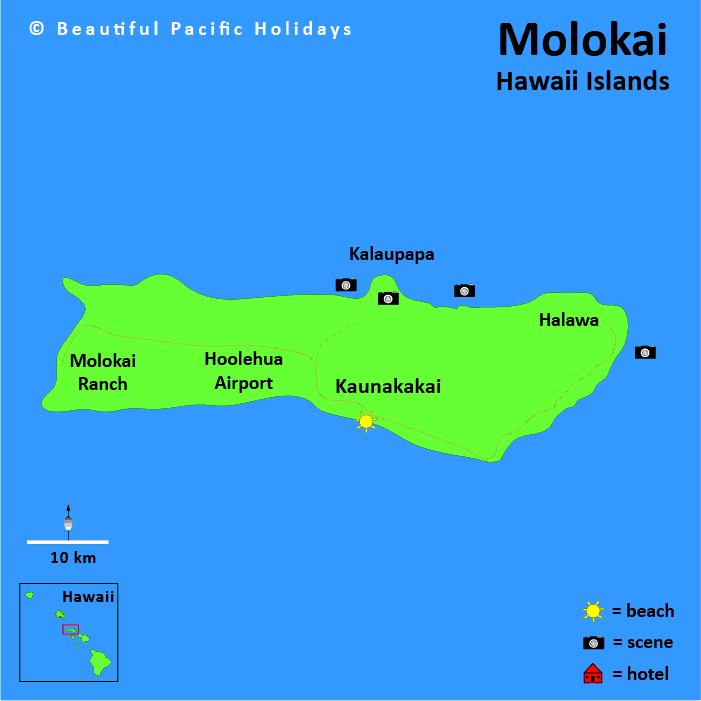
Geographically, Molokai is long and narrow, stretching roughly 38 miles from east to west and 10 miles from north to south. Its position within the archipelago places it firmly within Maui County, making it a central point of navigation for those traversing the waters between the major islands of the state of Hawaii.

The Unique Geography and Isolation of the Friendly Isle
The physical placement of Molokai is defined by its dramatic topography. The island is essentially composed of two shield volcanoes: East Molokai and West Molokai. The eastern portion is significantly higher and features the dramatic sea cliffs of Kalaupapa, which are widely considered to be among the tallest in the world, rising over 3,000 feet above the crashing surf of the Pacific Ocean.
Navigating to the Heart of the Pacific
Traveling to Molokai requires a deliberate shift in perspective. Unlike the high-frequency air travel connecting major hubs like Honolulu to international destinations, the journey to Molokai Airport often involves smaller commuter aircraft. These flights provide a spectacular aerial perspective of the island’s rugged coastline and dense, green interior. The relative isolation of the island is not a logistical oversight; it is a purposeful feature that has allowed the local population to preserve their culture and environment with remarkable consistency.
Environmental Boundaries
The location of Molokai places it within a unique climate zone, influenced by the northeast trade winds that bring moisture to the windward eastern cliffs. Because of its specific latitude and exposure, the northern coast is largely inaccessible by road, leaving the vast majority of the island’s northern reaches protected and pristine. This geographical barrier has ensured that the island remains a bastion of native species and historical significance.
Understanding the Regional Context of Hawaii
To fully grasp where Molokai is, one must appreciate its proximity to its larger neighbors. Sitting in the central Hawaiian Islands, the island acts as a tranquil buffer zone.
The Influence of the Kaiwi Channel
To the west, the Kaiwi Channel acts as a deep-water separator between Molokai and Oahu. While Oahu serves as the urban and political core of Hawaii, Molokai offers a stark contrast. The visual distance between the two—visible on clear days from the western shores of Molokai—highlights the immense divide in lifestyle and tourism development between the capital and the quiet, rural eastern neighbor.
Connections to Maui Nui
Historically, Molokai was part of a larger landmass known as Maui Nui, which included Maui, Lanai, and Kahoolawe. Rising sea levels eventually separated these landmasses, leaving Molokai as a distinct island. Its connection to Maui remains strong in terms of administrative governance and modern travel patterns, though Molokai maintains its own distinct identity that is fiercely protected by its residents.
Points of Interest Near and Within Molokai
If you are orienting yourself toward the most significant landmarks on the island, the focus often turns toward Kalaupapa National Historical Park. This site, located on the Kalaupapa Peninsula, serves as a poignant reminder of the state’s complex history. Accessible only by mule, foot, or small aircraft, its isolated placement at the base of the towering cliffs is a testament to the island’s overall character.
Southern Shores and Barrier Reefs
Moving away from the precipitous north, the southern coast of Molokai faces the Molokai Channel and boasts the longest fringing coral reef in the United States. This reef system is a vital component of the island’s marine ecosystem and is a primary destination for those exploring the waters of the South Pacific. The proximity of this reef to the shore allows for unique opportunities to observe marine life, provided one respects the ecological fragility of the area.
Cultural Centers
The town of Kaunakakai serves as the island’s central hub. Located on the southern coast, this is where the majority of residents live and where essential services are concentrated. Unlike the resort-heavy towns on neighboring islands, Kaunakakai reflects the everyday life of the local community. It is a place where time seems to slow down, and visitors are encouraged to engage with the local culture through the Molokai Community Health Center area and local markets.
Navigating the Island Culture
The location of Molokai cannot be discussed without referencing its cultural importance as the birthplace of the Hula. The Papohaku Beach Park on the west end is one of the largest white-sand beaches in the state and serves as a focal point for both residents and visitors who value the preservation of natural landscapes.
Respecting the Environment
Because the island is relatively small and maintains a close-knit population, the “where” of Molokai implies a responsibility for visitors. The infrastructure is not designed for mass tourism, and the residents are deeply protective of their ancestral lands. Understanding that you are visiting a place that prioritizes heritage over modern commercialism is essential. Whether you are exploring Halawa Valley or traveling toward the Kamakou Preserve, the expectation of stewardship remains the same.

Why Location Defines the Experience
Ultimately, the location of Molokai defines the nature of its tourism. By being physically separated from the main paths of heavy commercial travel, it remains a sanctuary. It is a place where you go not to be entertained by luxury chains or expansive shopping districts, but to connect with the raw, untamed beauty of Polynesia. Its position in the Pacific provides a cooling breeze, a dramatic sunset, and a quietude that is increasingly difficult to find in the modern world.
When considering a visit, know that Molokai is a destination for the intentional traveler. It rewards those who take the time to learn the layout of the land, respect the boundaries of its historical sites, and immerse themselves in the quiet rhythm of island life. You will find that its location—tucked between the high-energy centers of the archipelago—is perfectly suited to those seeking to rediscover what it truly means to experience the essence of the islands. Whether it is the trek to Kalaupapa or the simple act of standing on the shore at Kaunakakai, the location of this island is its greatest gift to the traveler who is willing to look beyond the surface.
LifeOutOfTheBox is a participant in the Amazon Services LLC Associates Program, an affiliate advertising program designed to provide a means for sites to earn advertising fees by advertising and linking to Amazon.com. Amazon, the Amazon logo, AmazonSupply, and the AmazonSupply logo are trademarks of Amazon.com, Inc. or its affiliates. As an Amazon Associate we earn affiliate commissions from qualifying purchases.