
The sun-drenched landscapes of Florida offer a year-round appeal for travelers, from the vibrant energy of Miami to the tranquil shores of the Florida Keys. However, for those considering a visit or planning long-term stays in the Sunshine State, understanding the nuances of its environment is crucial for a comfortable and enjoyable experience. Among the less glamorous, but nevertheless important, environmental factors to consider are the seasonal activities of certain insects, most notably, termites. While not a direct tourist attraction, understanding termite swarming seasons in Florida can inform accommodation choices and travel planning, especially for those seeking to minimize potential nuisances or protect their property.
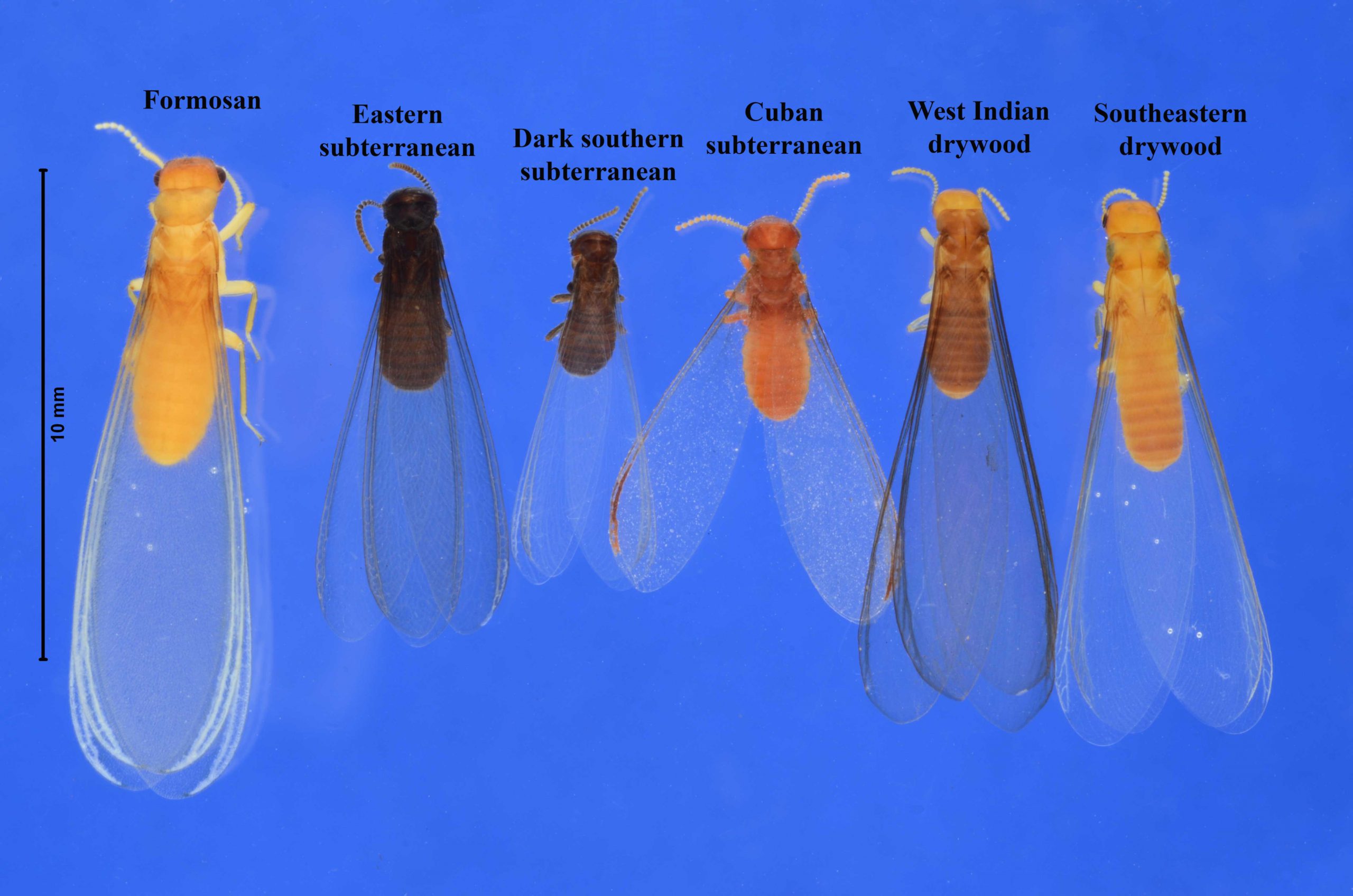
Understanding Termite Swarming in the Sunshine State
Termite swarming, often referred to as a termite “nuptial flight,” is a critical part of the termite life cycle. During this period, winged reproductive termites (alates) emerge from their colonies to mate and establish new colonies. For homeowners and visitors alike, a swarm can be a startling sight, often resembling a dark cloud of insects around lights or windows. In Florida, the warm and humid climate provides ideal conditions for termites to thrive, leading to distinct swarming periods throughout the year, varying slightly by species.
The Two Main Culprits: Subterranean and Drywood Termites
Florida is home to several termite species, but the most prevalent and problematic are subterranean termites and drywood termites. Each has its preferred habitat and, consequently, its own swarming schedule, which can impact different regions and types of structures across the state.
Subterranean Termites: The Damp Lovers
Subterranean termites, such as the eastern subterranean termite, are the most common and destructive in Florida. They live in underground colonies and build mud tubes to travel between their food source (wood) and their nests. Their swarming activity is typically triggered by specific environmental cues, primarily rainfall and temperature changes.
Peak Swarming Seasons for Subterranean Termites
The primary swarming period for subterranean termites in Florida generally occurs in the spring. This is when the soil has warmed sufficiently after winter, and increased humidity and rainfall create optimal conditions for alate development and emergence.
- Spring Swarms: From late March through May, you are most likely to observe subterranean termite swarms. These events are often associated with warm, humid evenings following a good rain. Many residents in areas like Orlando or along the coast will notice increased activity during this time.
- Secondary Swarms: While less intense, secondary swarms can occur in late summer or early fall, typically August or September. These are often smaller and might be triggered by isolated heavy rainfall events in warmer months.
Drywood Termites: The Arid Dwellers
Drywood termites, unlike their subterranean counterparts, do not require contact with soil or moisture to survive. They infest dry, seasoned wood, such as that found in attics, furniture, and structural lumber of homes. Their colonies are smaller and live entirely within the wood they consume.
Swarming Patterns of Drywood Termites
Drywood termites have a more varied swarming schedule, often influenced by specific weather patterns and daylight hours.
- Late Spring to Early Fall: Drywood termite swarms are more spread out throughout the warmer months. While they can swarm at any time when conditions are favorable, peak activity is often noted from April through November.
- Daylight Activity: Unlike subterranean termites, drywood termites tend to swarm during daylight hours, often attracted to lights at night. This can make them more visible and potentially more intrusive to those staying in vacation rentals or hotels during these periods. Specific species, like the southeastern drywood termite, have been observed to swarm more frequently in the late afternoon.
Factors Influencing Swarm Activity
While general patterns exist, several environmental and geographical factors can influence when and where termites swarm in Florida. Understanding these can help anticipate potential issues and make informed decisions about travel or accommodation.
Temperature and Humidity: The Essential Triggers
Termites are cold-blooded insects, highly sensitive to temperature and humidity. Swarming is most likely to occur when these factors reach specific thresholds, signaling favorable conditions for reproduction and colony establishment.
- Ideal Temperatures: For most Florida termite species, temperatures in the range of 75-85°F (24-29°C) are conducive to swarming.
- Humidity’s Role: High humidity, often following rainfall, is a critical trigger, especially for subterranean termites. It helps mature the alates within the colony and provides a moist environment for their initial survival.
Rainfall: The Catalyst for Emergence

Rainfall plays a significant role, particularly for subterranean termites. Not only does it increase humidity, but it also helps soften the soil, making it easier for alates to emerge. Isolated heavy rain showers, especially after dry spells, can trigger swarms even outside the peak seasons. This is why a sudden downpour in August might lead to an unexpected swarm in cities like Tampa.
Light Attraction: A Nocturnal and Diurnal Phenomenon
Both subterranean and drywood termites can be attracted to light during swarming.
- Subterranean termites often swarm on warm, humid evenings and are drawn to outdoor and indoor lights. This can result in swarms appearing around streetlights in Jacksonville or outdoor patio lights at resorts.
- Drywood termites, on the other hand, are more prone to daytime swarming but can also be attracted to artificial lights after dusk. This means that even after sunset, you might notice activity around illuminated buildings.
Geographical Location within Florida
While the overall climate is conducive to termites throughout the state, there can be subtle variations in swarming times based on proximity to coastlines, elevation, and microclimates. For example, areas with higher average humidity or more consistent rainfall might experience slightly earlier or more prolonged swarming periods compared to drier inland regions. However, the general spring and summer peaks remain consistent across the state, from the Panhandle to the Keys.
Impact on Travel and Accommodation Choices in Florida
While termites are a natural part of the Florida ecosystem, understanding their swarming seasons can be beneficial for travelers and those seeking accommodation, particularly for longer stays or specific types of lodging.
Choosing Accommodation: Hotels vs. Vacation Rentals
The type of accommodation chosen can influence the likelihood of encountering swarms.
- Modern Hotels and Resorts: Larger hotels and resorts, particularly those with robust pest management programs, often have measures in place to mitigate the impact of termite swarms. While swarms can still occur externally, their intrusion into guest rooms or common areas might be less frequent. Properties in areas like Orlando, often catering to international tourists, typically prioritize guest comfort and employ professional pest control services.
- Vacation Rentals and Older Properties: Vacation rentals, especially older homes or smaller establishments, might have less frequent or less rigorous pest control. During peak swarming seasons, particularly if the property is surrounded by trees or has a history of termite issues, visitors might be more likely to encounter swarms. Staying in a well-maintained villa or apartment complex with a proactive management company might offer more peace of mind.
Planning Activities and Travel Dates
While you can’t predict a swarm with absolute certainty, being aware of the general swarming periods can inform travel planning, especially for those who are particularly sensitive to insects.
- Avoiding Peak Swarm Months: If encountering termites is a significant concern, consider planning trips outside the peak spring and summer months. Late fall or winter in Florida generally sees significantly reduced termite activity.
- Outdoor Activities: For those planning extensive outdoor activities, especially in the evenings during swarm seasons, be prepared. While not harmful, a swarm can be an annoyance. Many of Florida’s attractions, like theme parks in Orlando or beaches along the Gulf Coast, are primarily outdoor experiences.
Proactive Measures and What to Expect
Even with awareness, termite swarms are a natural phenomenon in Florida. For residents and frequent visitors, understanding how to manage or report them is key.
Recognizing a Termite Swarm
A termite swarm is characterized by a large number of winged insects emerging from wood structures or the ground. They are often mistaken for ants, but termites have a straighter body, thicker waist, and straight antennae, whereas ants have a pinched waist, bent antennae, and elbowed antennae. After swarming, termites shed their wings, and piles of shed wings are a tell-tale sign of a past swarm.
When to Seek Professional Advice
For homeowners in Florida, the appearance of a swarm is a clear indication that professional pest control is necessary. Prompt action can prevent significant structural damage. For travelers, if a swarm significantly impacts their stay at a hotel or rental property, they should bring it to the attention of management. Reputable establishments will have protocols in place to address such issues.

The Natural Cycle and Environmental Importance
It’s important to remember that termites, while often perceived as pests, also play a role in the ecosystem. They are decomposers, breaking down dead wood. Their swarming is a natural and vital part of their reproductive cycle, essential for the continuation of their species. For visitors to Florida, understanding this natural process adds another layer to appreciating the state’s diverse environment, from its stunning coastlines to its lush inland ecosystems. While not as glamorous as the Everglades or the theme parks of Orlando, recognizing and respecting the natural cycles, including termite swarming, contributes to a fuller understanding of the unique Florida experience.
LifeOutOfTheBox is a participant in the Amazon Services LLC Associates Program, an affiliate advertising program designed to provide a means for sites to earn advertising fees by advertising and linking to Amazon.com. Amazon, the Amazon logo, AmazonSupply, and the AmazonSupply logo are trademarks of Amazon.com, Inc. or its affiliates. As an Amazon Associate we earn affiliate commissions from qualifying purchases.