
The majestic beauty of San Francisco, with its iconic Golden Gate Bridge and fog-kissed hills, draws millions of tourists each year. Visitors flock to experience its unique local culture, savor its world-class food scene, and explore its diverse attractions. However, like many vibrant metropolises nestled in naturally diverse landscapes, San Francisco faces inherent environmental challenges. One of the most significant concerns, especially during drier seasons, is the potential threat of wildfires. Understanding the city’s preparedness and the risks involved is crucial for anyone planning a visit or considering a stay, ensuring a safe and enjoyable experience.
Understanding the Wildfire Threat Landscape
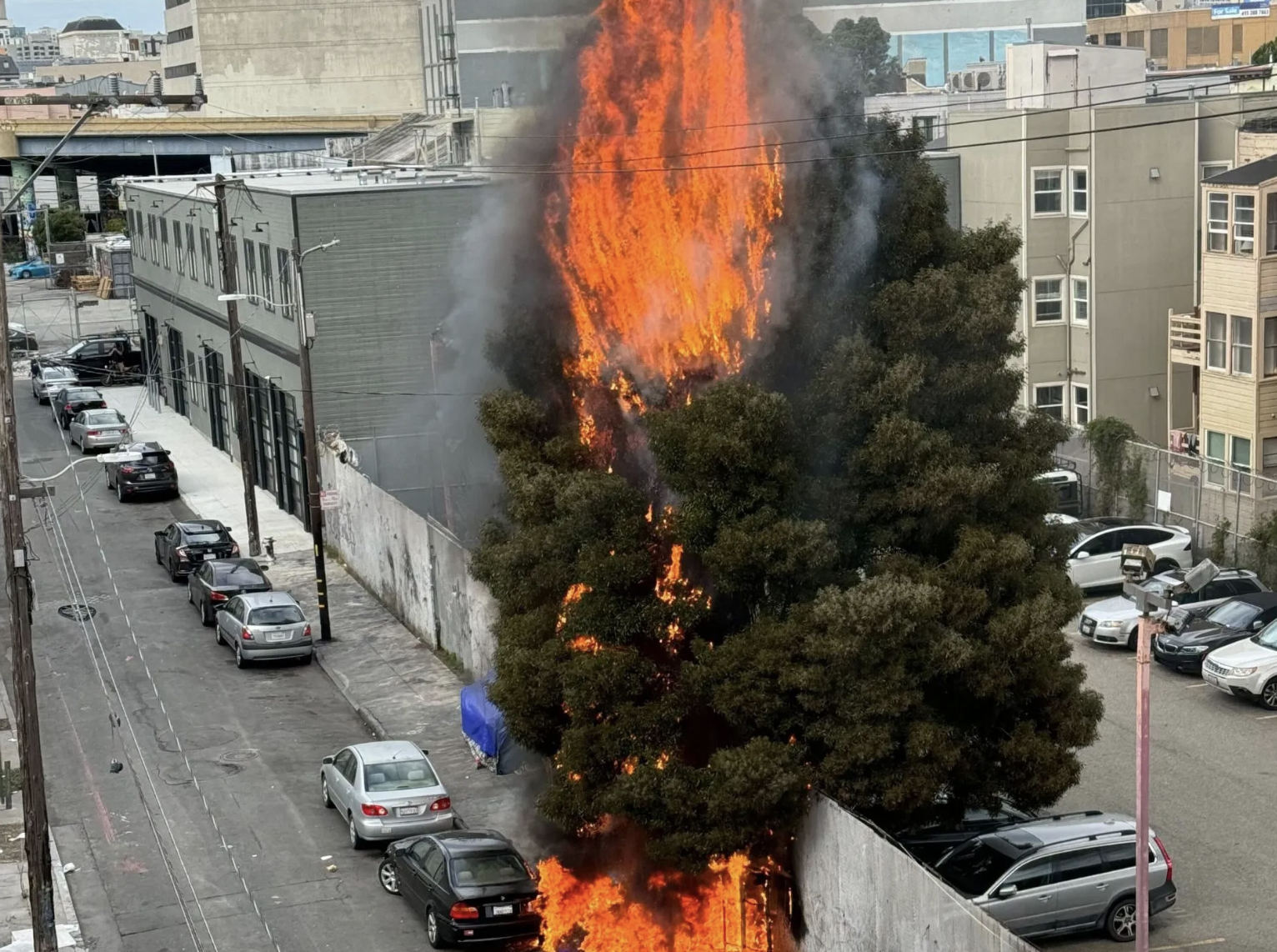
While San Francisco itself is largely an urban environment, its surrounding natural areas, particularly the vast expanses of California’s wildlands, are susceptible to fires. These fires can, under certain meteorological conditions, pose a threat to the urban core.
Geographic Vulnerability
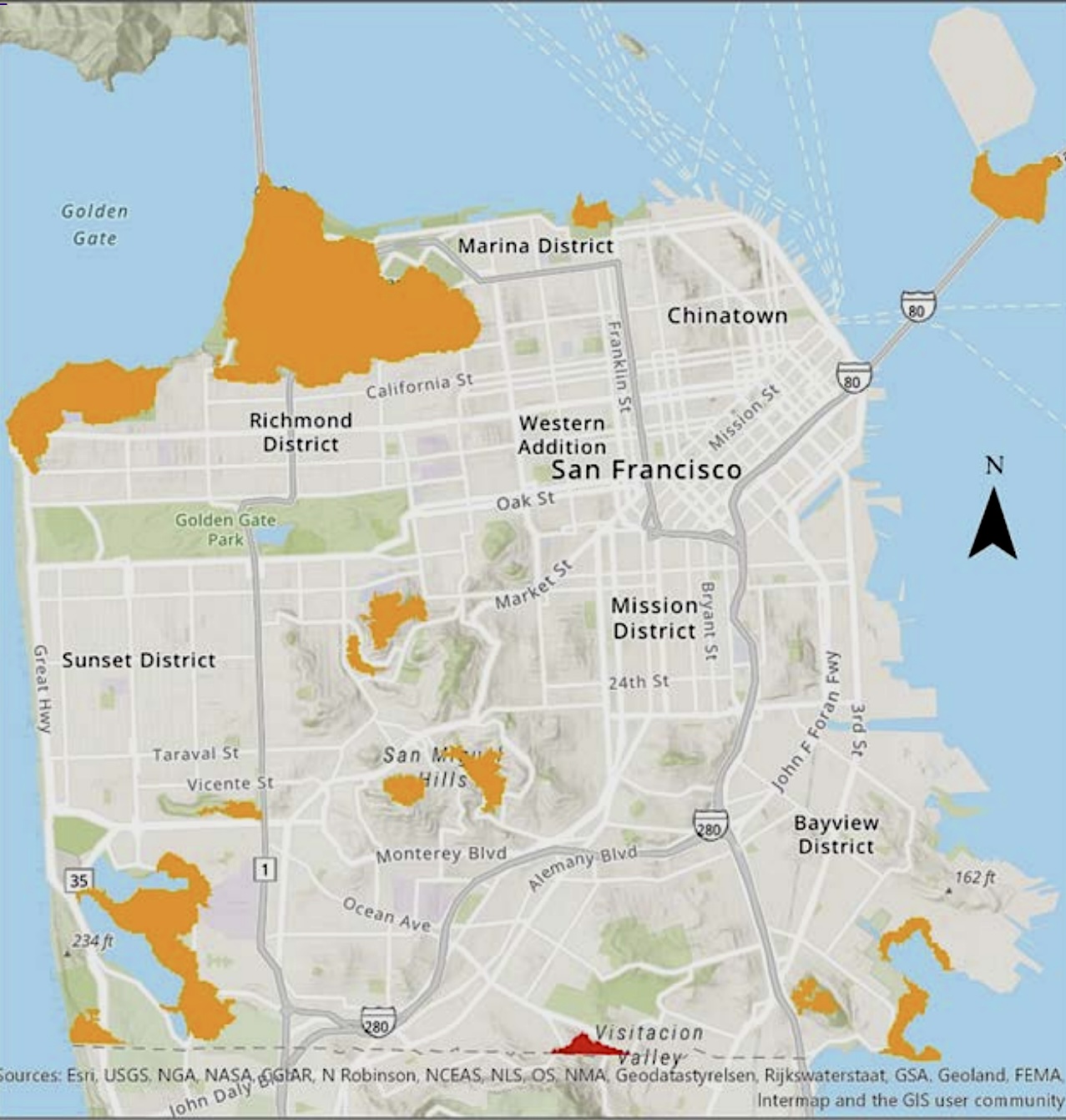
The city is bordered by the Pacific Ocean to the west and San Francisco Bay to the east, limiting direct overland fire encroachment from larger continental fires. However, the undeveloped and vegetated areas within the city limits, such as Golden Gate Park and the Presidio, along with the surrounding hills and open spaces in Marin and San Mateo counties, can act as fuel sources. Historically, these areas have been managed to mitigate fire risk, but the increasing intensity and frequency of wildfires across California due to climate change necessitate ongoing vigilance.
Climate and Weather Patterns
San Francisco’s famous fog often acts as a natural fire retardant during the summer months, keeping temperatures moderate and humidity high. This microclimate significantly reduces the likelihood of fires igniting and spreading within the immediate urban areas. However, as the dry season progresses, typically from late spring through fall, the vegetation dries out, and weather patterns can shift. Strong, dry offshore winds, known as “diablo winds” (similar to the Santa Ana winds in Southern California), can rapidly spread embers and flames if a fire ignites in or near vegetated zones. The risk is amplified during periods of drought, which have become more common and severe in recent years.
Historical Context and Notable Incidents
While devastating wildfires like those that have impacted Sonoma and Napa counties are not a direct threat to the dense urban core of San Francisco, smaller-scale incidents have occurred. These often involve vegetation fires within the city’s larger parklands or along its periphery. The most significant fire event in San Francisco history, the Great Earthquake and Fire of 1906, was a conflagration of unprecedented scale, exacerbated by damaged infrastructure and widespread fires, though not primarily a wildfire in the modern sense. Modern wildfire threats are more aligned with the ignition and spread of fires in wildland-urban interface areas.
City Preparedness and Mitigation Strategies
San Francisco employs a multi-faceted approach to wildfire preparedness and mitigation, leveraging its unique geography and advanced urban planning.
Fire Department Capabilities and Resources
The San Francisco Fire Department is highly trained and equipped to handle a range of emergencies, including structural fires and, when necessary, wildland interface fires. They work closely with regional agencies, such as CAL FIRE, to coordinate resources and response efforts during larger incidents. The department maintains a robust network of fire stations strategically located throughout the city. Their focus includes rapid response to any ignition and the implementation of strategies to protect residential and critical infrastructure areas.
Urban Planning and Green Space Management
City planners and park authorities play a vital role in managing fire risk. This includes:
- Defensible Space: In areas where developed areas meet natural vegetation, efforts are made to create “defensible space.” This involves clearing dry brush, managing tree canopies, and creating fuel breaks to slow or stop the advance of flames. This is particularly relevant around the edges of Golden Gate Park and near residential neighborhoods bordering open spaces.
- Vegetation Management: Regular maintenance of parks and open spaces involves the removal of dead vegetation and the planting of less flammable species where appropriate. This proactive approach helps reduce the overall fuel load.
- Building Codes and Infrastructure: San Francisco has stringent building codes designed to enhance fire resistance, especially in historically vulnerable areas. The city’s infrastructure, including water systems, is maintained to ensure adequate supply for firefighting efforts.
Early Detection and Public Awareness Campaigns
Effective wildfire management relies on early detection. San Francisco utilizes various methods for monitoring fire risk and potential ignitions.
- Public Reporting: Encouraging residents and visitors to report any signs of smoke or fire immediately is crucial. The emergency services number, 911, is the primary channel for such reports.
- Weather Monitoring: Local authorities closely monitor weather forecasts, paying particular attention to high wind events and low humidity conditions that increase fire danger.
- Public Information: The city disseminates information about fire safety, especially during high-risk periods. This includes advisories on outdoor burning, the use of fireworks, and general fire prevention tips for residents and visitors enjoying the natural beauty of the region.
Navigating San Francisco Safely: Tips for Travelers
For visitors, understanding the potential for wildfires and how to stay informed is part of responsible travel. While the likelihood of a tourist being directly impacted by a major wildfire within the city is low, awareness is always beneficial.
Staying Informed During Your Visit
- Local News and Emergency Alerts: Keep abreast of local news reports and subscribe to any available emergency alert systems provided by the city or county. Many San Francisco tourism websites or official city channels offer updates on conditions.
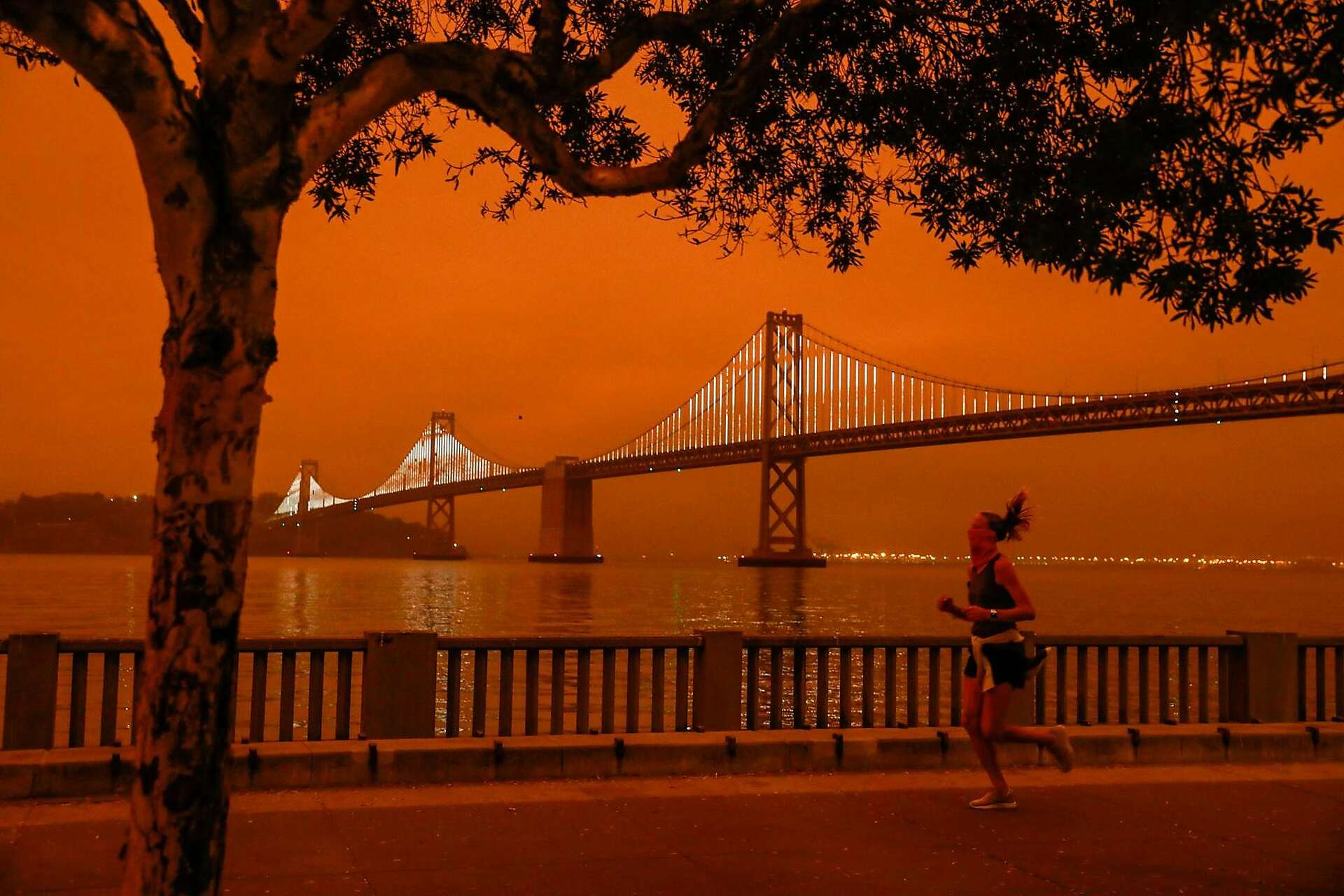
- Air Quality Monitoring: In the event of nearby fires, air quality can be affected even if the fire is distant. Websites and apps that track air quality index (AQI) can provide valuable information, especially for individuals with respiratory sensitivities.
- Transportation Updates: If fires do impact areas outside the city, it could affect travel routes to and from San Francisco, including airport operations or road closures.
Activities and Considerations
- Outdoor Excursions: When planning outdoor activities, such as hiking in areas like Muir Woods National Monument (just across the Golden Gate Bridge in Marin County) or exploring Angel Island State Park, always check for any fire restrictions or closures. Park websites are the best source for current information.
- Accommodation Choices: While most hotels and accommodations in the urban core are inherently safe from wildfire threats, those opting for stays in more remote or vegetated outskirts should inquire about local fire safety measures. Major hotels, from the historic Fairmont San Francisco to modern establishments like the St. Regis San Francisco, maintain comprehensive safety protocols for all emergencies.
Conclusion: A Resilient City Facing Environmental Realities
San Francisco stands as a testament to urban resilience. Its strategic location, coupled with proactive fire management strategies and the natural moderating influence of its coastal climate, significantly mitigates direct wildfire threats to its densely populated areas. While the broader challenge of climate change and increasing wildfire activity in California remains a concern, the city is well-prepared to respond and protect its residents and visitors. For travelers, San Francisco continues to be a vibrant and safe destination, offering unparalleled experiences, with ongoing efforts ensuring the enduring beauty and security of this iconic West Coast gem. Visitors can confidently plan their trips, confident in the city’s preparedness and its commitment to safeguarding its unique environment.
LifeOutOfTheBox is a participant in the Amazon Services LLC Associates Program, an affiliate advertising program designed to provide a means for sites to earn advertising fees by advertising and linking to Amazon.com. Amazon, the Amazon logo, AmazonSupply, and the AmazonSupply logo are trademarks of Amazon.com, Inc. or its affiliates. As an Amazon Associate we earn affiliate commissions from qualifying purchases.