
The journey to independent driving in California is a rite of passage for many, a significant step towards newfound freedom and responsibility. Central to this process is obtaining a learner’s permit, a crucial document that allows supervised driving practice. Understanding the timelines and requirements for securing this permit is essential for both aspiring young drivers and their guardians. This guide delves into the specifics of when and how to obtain your permit in the Golden State, offering clarity and comprehensive information to navigate this exciting phase.
Eligibility and Prerequisites for a California Learner’s Permit
Before even considering an application, prospective permit holders must meet several key eligibility criteria. These prerequisites are designed to ensure a baseline level of readiness and adherence to legal requirements, prioritizing safety on the road.
Age Requirements
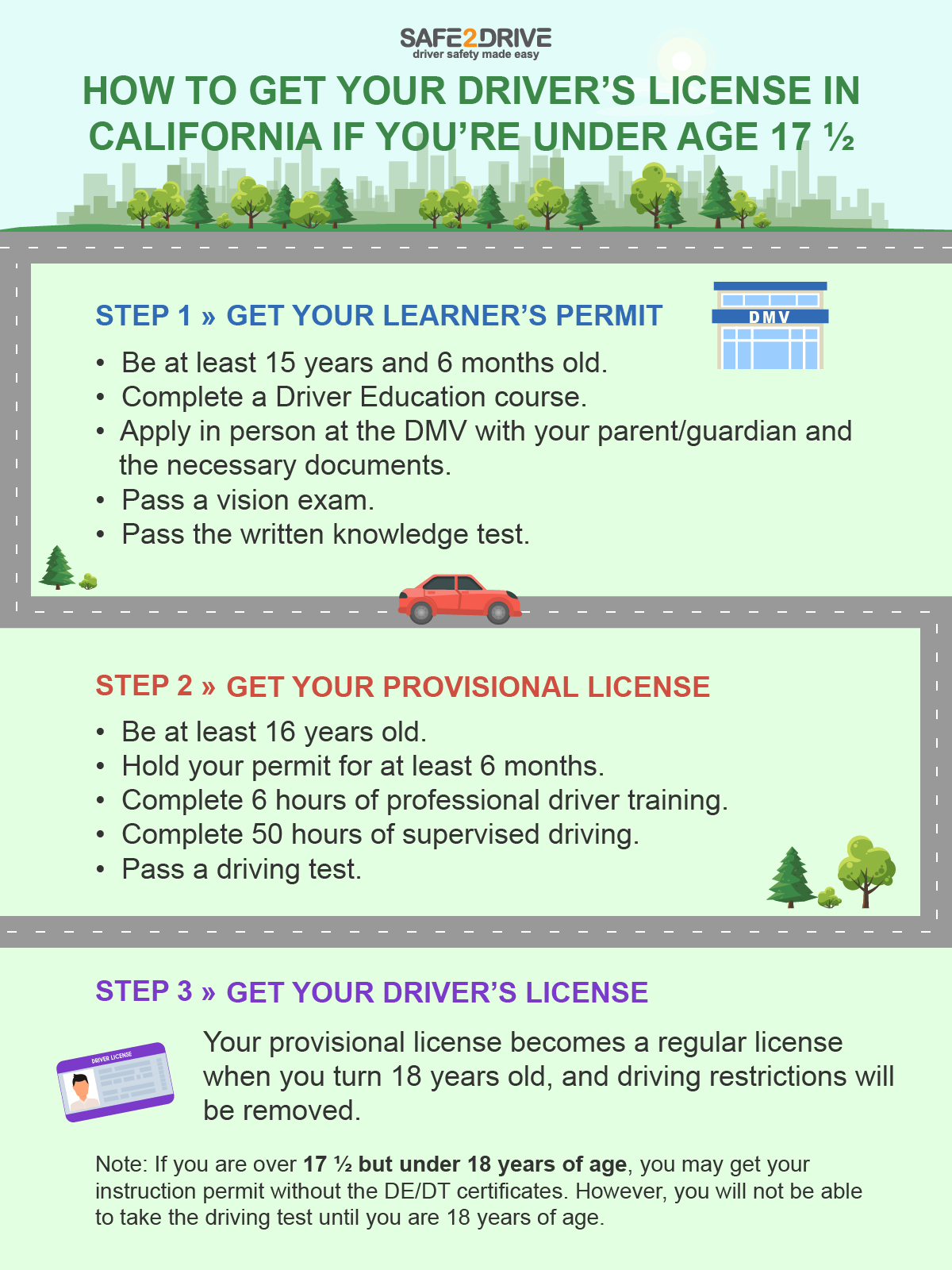
The primary determinant for obtaining a learner’s permit in California is age. Applicants must be at least 15 and a half years old at the time of application. This age threshold is not arbitrary; it reflects a societal understanding of developmental maturity and the cognitive abilities required to begin learning the complex skill of driving. It’s important to note that turning 15 and a half is the earliest one can apply, but it does not mean the permit is automatically granted. Further steps are necessary.
Driver Education Completion
A significant hurdle for applicants under 18 is the mandatory completion of a state-approved driver education program. This program can be fulfilled in several ways:
- Public or Private High School: Many high schools offer driver education as part of their curriculum, often during the freshman or sophomore year. Successful completion typically involves attending classes, passing exams, and meeting attendance requirements.
- Commercial Driving School: For those not attending a school that offers driver education, or for individuals who prefer a dedicated learning environment, enrollment in a licensed commercial driving school is an excellent alternative. These schools provide comprehensive classroom instruction and often include behind-the-wheel training.
- Online Driver Education: The California Department of Motor Vehicles (DMV) also approves online driver education courses. These offer flexibility for students with busy schedules, allowing them to learn at their own pace. Regardless of the method chosen, a Certificate of Completion (often Form DL 400B) must be obtained and presented to the DMV. This certificate serves as proof that the applicant has acquired the foundational knowledge necessary for safe driving.
Parental or Guardian Consent
For applicants under 18 years of age, the consent of at least one parent or legal guardian is a non-negotiable requirement. This consent signifies acknowledgment and approval of the minor’s endeavor to obtain a driver’s permit, underscoring the shared responsibility in the learning process. The parent or guardian will typically need to accompany the applicant to the DMV appointment or sign the application form in their presence. This ensures that the legal guardians are aware and supportive of the applicant’s intention to drive and are prepared to supervise them during the permit-holding period.
The Application Process: Steps to Securing Your Permit
Once the prerequisites are met, the applicant can proceed with the formal application process at a California DMV office. This involves several key steps, each with its own set of requirements and expectations.
Gathering Necessary Documentation
A successful trip to the DMV begins with thorough preparation. Applicants must bring a specific set of documents to verify their identity, age, and eligibility. These typically include:
- Proof of Identity: This can be an original birth certificate, a valid U.S. passport, or other government-issued identification.
- Proof of Legal Presence: Documents confirming legal residency in the United States, such as a birth certificate, passport, or permanent resident card.
- Proof of California Residency: Two documents demonstrating that the applicant resides in California, such as utility bills, school records, or rental agreements.
- Social Security Number: The applicant’s Social Security card or other official documentation showing their Social Security Number.
- Certificate of Completion for Driver Education: As mentioned previously, this is the proof of successful completion of a driver education program.
It is always advisable to check the official California DMV website for the most current and comprehensive list of required documents, as regulations can be updated.
Completing the Driver’s License Application Form (DL 44)
The application itself is a standardized form, the Driver’s License Application (DL 44). This form requires detailed personal information, including name, address, date of birth, and Social Security Number. Applicants will also need to provide information about their physical characteristics and acknowledge understanding of traffic laws and responsible driving. This form can often be started online before the DMV appointment to save time.
Passing the Knowledge Test
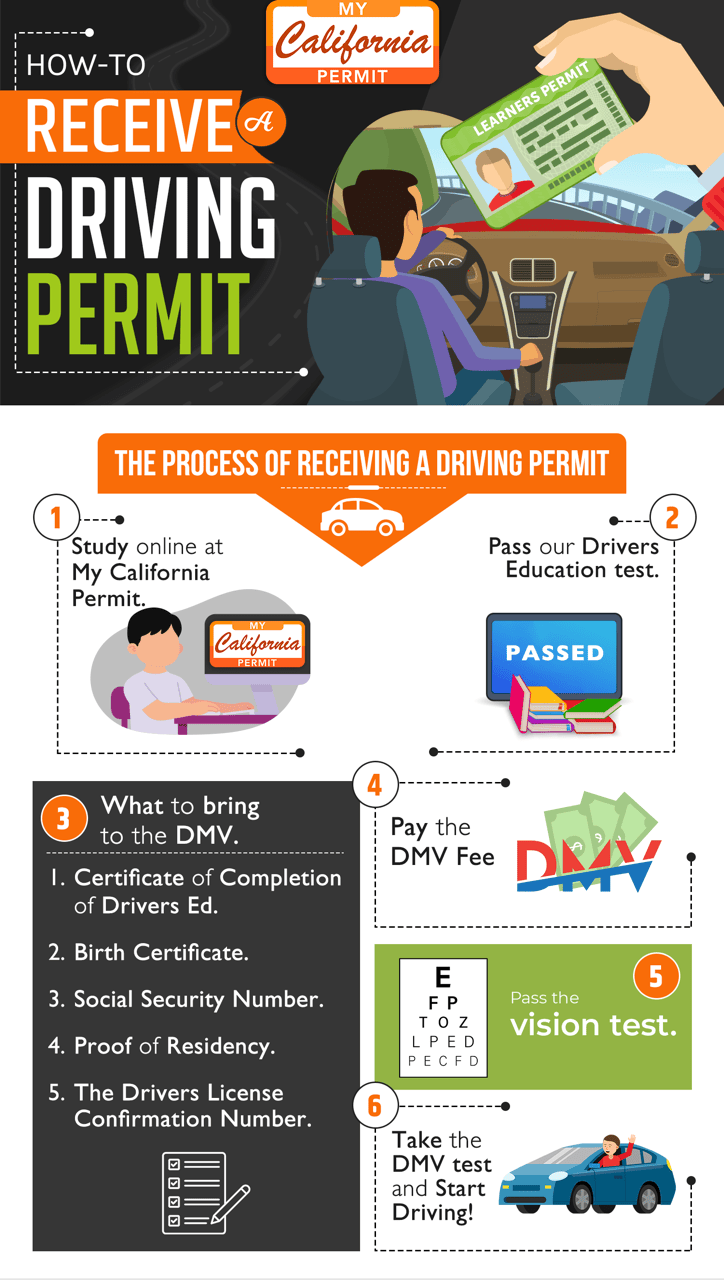
The knowledge test is a critical component of the permit application. It assesses the applicant’s understanding of California traffic laws, road signs, and safe driving practices. The test typically consists of multiple-choice questions. The DMV provides a Driver Handbook, which is the primary resource for studying for this exam. Successful completion requires answering a minimum percentage of questions correctly. For applicants under 18, the knowledge test can be taken once the driver education requirement is met and they are at least 15 and a half years old. If an applicant fails the knowledge test, they must wait a specified period before retaking it, which may involve additional fees.
Paying the Application Fee
A fee is associated with the driver’s license application process, including the permit. This fee covers the cost of processing the application, administering tests, and issuing the permit. The exact amount can be found on the California DMV website and is subject to change. Payment is typically required at the time of application submission.
Having Your Photograph Taken and Fingerprints Collected
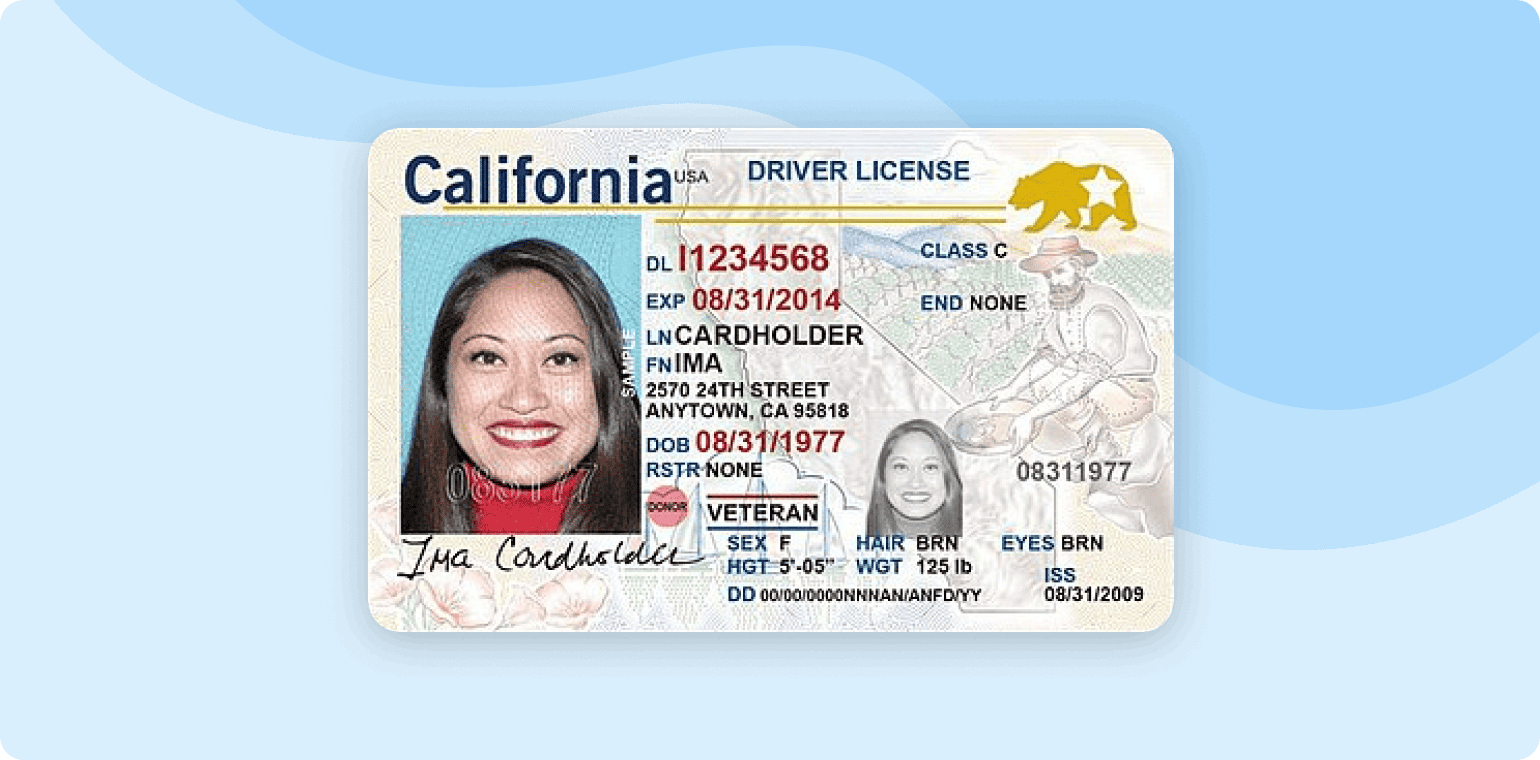
As part of the application process, applicants will have their photograph taken by the DMV. This photograph will appear on the learner’s permit and, eventually, the driver’s license. Additionally, a thumbprint scan will be collected as part of the identity verification process. These measures are standard practice to ensure the integrity of the licensing system.
Timeline: When Can You Expect to Receive Your Permit?
The question of “When do you get your permit in California?” has a nuanced answer, depending on when the applicant meets the prerequisites and successfully navigates the application process.
Immediate Issuance Upon Successful Completion
For applicants under 18 who have met all the requirements—being at least 15 and a half years old, completing driver education, presenting all necessary documentation, passing the knowledge test, and paying the fee—the learner’s permit is typically issued on the same day as their successful DMV visit. This means that if you go to the DMV on your 15th birthday and have completed driver education, you will not receive your permit. You must wait until you are 15 and a half. Similarly, if you are 15 and a half but haven’t completed driver education, you must wait for that certification. The permit is printed and provided to the applicant at the conclusion of their appointment, provided all steps are successfully completed.
The Waiting Period for Practice Driving
Once the learner’s permit is in hand, it signifies the beginning of the supervised driving practice phase. For drivers under 18, there is a mandatory waiting period of six months from the date the permit was issued before they are eligible to apply for a provisional driver’s license. This six-month period is crucial for accumulating practical driving experience under the supervision of a licensed adult. During this time, a minimum of 50 hours of supervised driving practice must be completed, with at least 10 of those hours occurring at night. This structured practice ensures that new drivers gain a broad range of experience in various driving conditions.
Special Considerations for Adult Applicants
While much of the focus in California’s permit process is on young drivers, adult applicants (those 18 years or older) have a slightly different pathway, generally with fewer prerequisites.
Age 18 and Over: Streamlined Process
Adults applying for a learner’s permit in California do not need to complete a formal driver education course. However, they are still required to:
- Be at least 17 and a half years old to apply for a permit. If they are under 18 but 17 and a half, they can get a permit but must hold it until they are 18. If they are 18 or older, the permit can be obtained immediately after passing the knowledge test.
- Apply at a DMV office.
- Provide proof of identity and residency.
- Pass the knowledge test.
- Pay the application fee.
- Have their photograph taken and fingerprints collected.
The primary difference for adults is the elimination of the driver education requirement and the absence of the six-month mandatory waiting period. Once an adult passes the knowledge test and obtains their permit, they can begin practicing driving immediately with a licensed driver aged 18 or older in the passenger seat.
The Permit for Adults: A Step Towards Independence
For adults, the learner’s permit serves as the initial step toward obtaining a full driver’s license, allowing them to gain the necessary on-road experience. Unlike minors, the permit doesn’t have a mandatory holding period; rather, it’s about gaining sufficient confidence and skill. An adult can take their driving test as soon as they feel ready and have practiced sufficiently, provided they have held their permit for at least the statutory minimum time (if applicable for specific situations, though generally not for standard adult permits).
Navigating the process of obtaining a learner’s permit in California requires careful attention to age requirements, educational prerequisites, and the procedural steps at the DMV. Whether you are a teenager eager for the road or an adult seeking to gain driving independence, understanding these guidelines will smooth your path to achieving this significant milestone. The permit is more than just a piece of plastic; it’s an invitation to learn, practice, and ultimately, drive safely and responsibly.
LifeOutOfTheBox is a participant in the Amazon Services LLC Associates Program, an affiliate advertising program designed to provide a means for sites to earn advertising fees by advertising and linking to Amazon.com. Amazon, the Amazon logo, AmazonSupply, and the AmazonSupply logo are trademarks of Amazon.com, Inc. or its affiliates. As an Amazon Associate we earn affiliate commissions from qualifying purchases.