
Navigating the intricacies of air travel has become an increasingly nuanced endeavor, with new regulations often emerging to enhance security and streamline passenger experiences. For anyone planning a domestic flight to or within the sun-kissed landscapes of California, understanding the federal REAL ID mandate is not just advisable, it’s essential. This pivotal piece of identification is set to transform how Americans travel by air, directly impacting your ability to board a plane and embark on your next adventure, whether it’s a family trip to Disneyland, a business stay in San Francisco, or a serene escape to Lake Tahoe.
The impending enforcement of the REAL ID Act marks a significant shift in domestic air travel requirements. While international travel has always necessitated a valid U.S. passport or other accepted forms of identification, flying within the United States has historically been more lenient. That era is drawing to a close. This comprehensive guide will delve into what REAL ID entails, when it becomes mandatory for air travel, the implications for flying to popular California destinations, and how to ensure your travel plans remain seamless and stress-free. From understanding the application process in California to exploring acceptable alternatives, we’ll equip you with all the knowledge needed to confidently navigate the skies above the Golden State.
Understanding the REAL ID Mandate for Air Travel
The concept of REAL ID might seem complex, but its purpose is straightforward: to enhance the security of state-issued driver’s licenses and identification cards, making them more difficult to counterfeit or alter. Passed by Congress in 2005, the REAL ID Act was a direct response to the 9/11 Commission’s recommendation that the federal government “set standards for the issuance of sources of identification, such as driver’s licenses.” This legislation establishes minimum security standards for state-issued driver’s licenses and identification cards and prohibits federal agencies, including the Transportation Security Administration (TSA), from accepting licenses and identification cards from states that do not meet these standards for certain official purposes, primarily domestic air travel.
What is REAL ID?
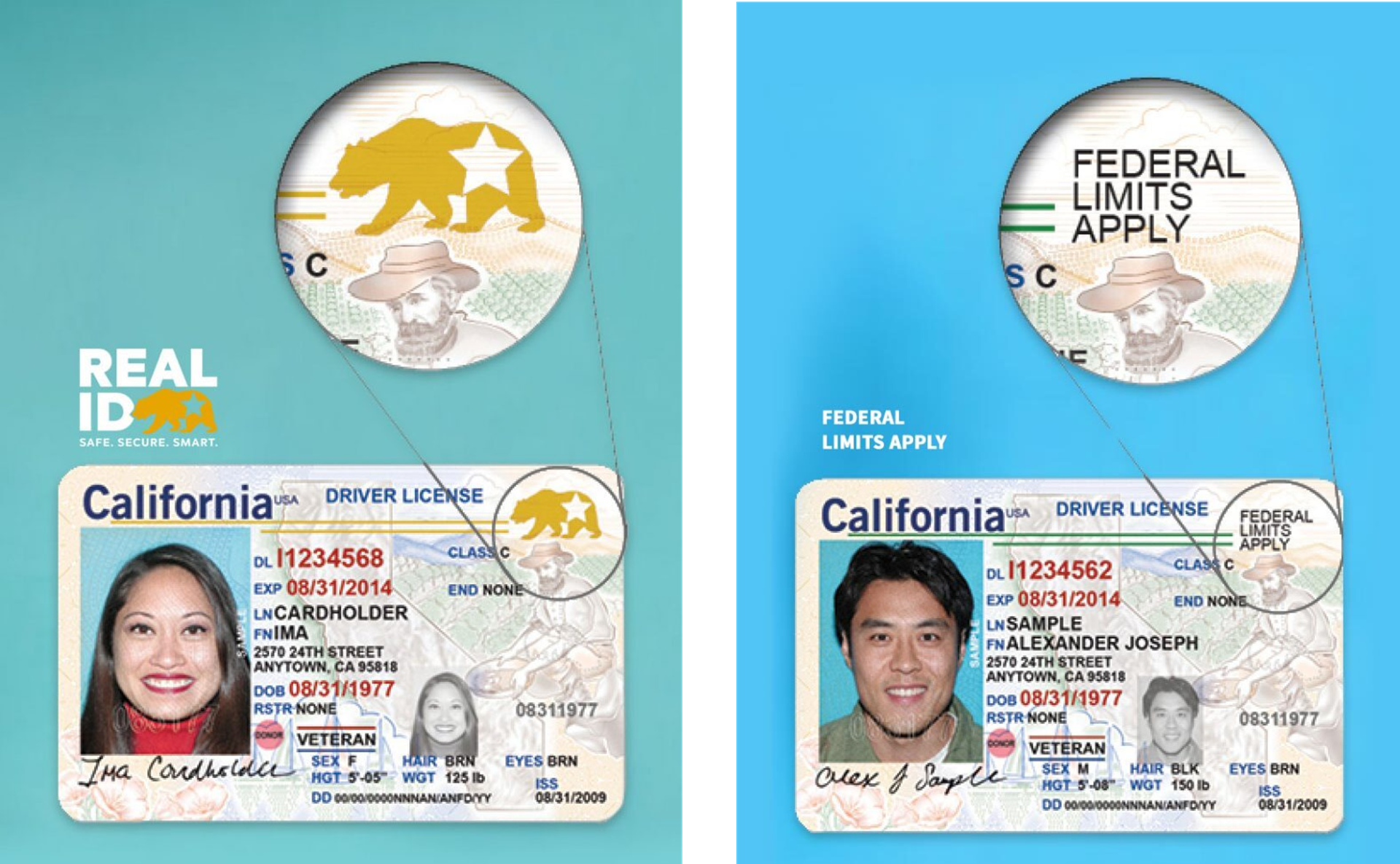
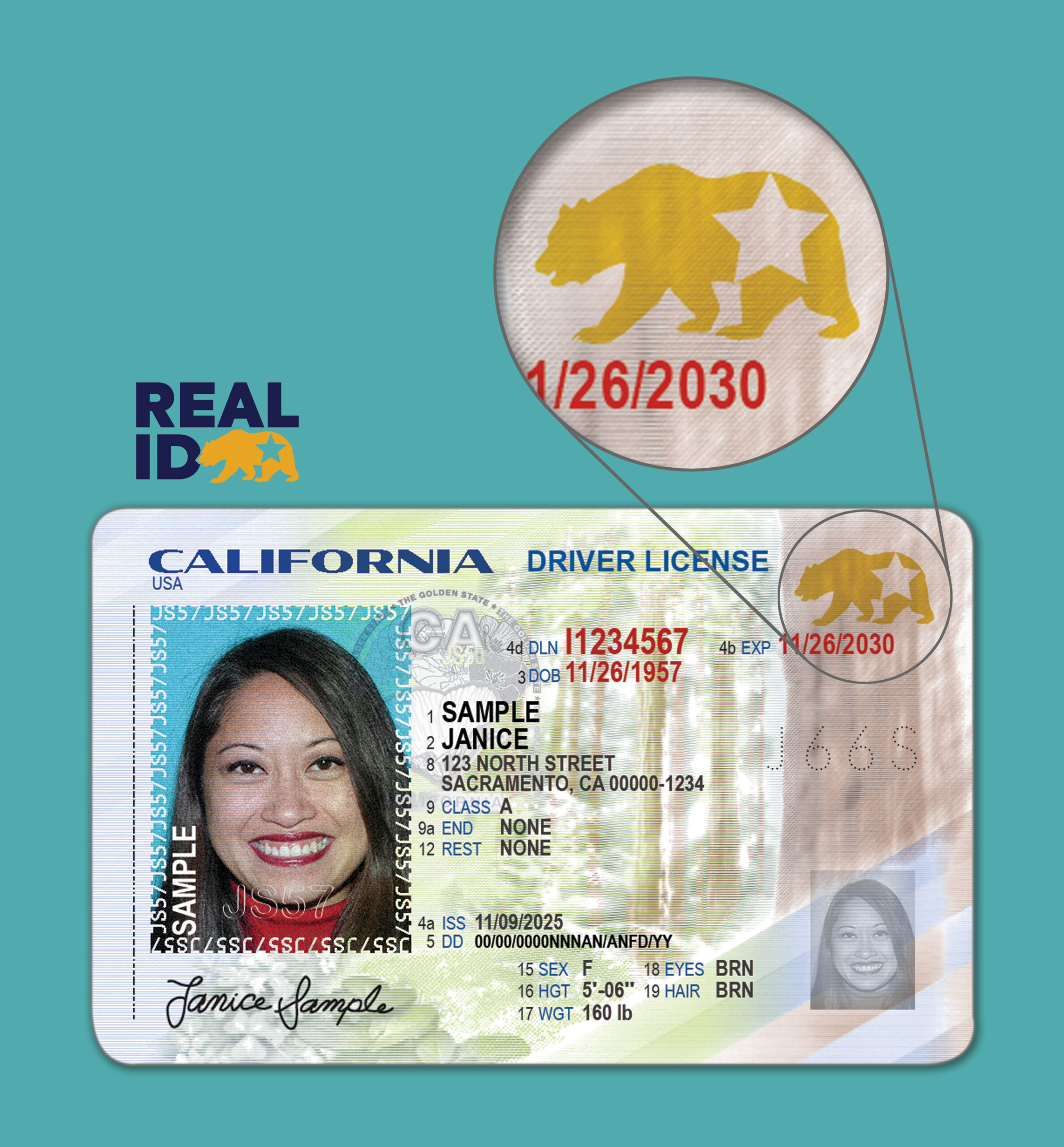
At its core, a REAL ID is simply a driver’s license or state identification card that complies with the heightened security standards set forth by the federal government. You can typically identify a REAL ID by a star symbol — usually a gold or black star — located in the upper right-hand corner of the card. This star signifies that the cardholder has provided additional documentation to verify their identity, residency, and legal presence, thereby meeting the federal requirements. It’s crucial to understand that a REAL ID is not a new form of national identification; rather, it’s an enhanced version of the state-issued identification you already carry. It does not replace your U.S. passport for international travel, nor does it affect your ability to drive or vote. Its primary impact, for most Americans, will be on domestic air travel and access to certain federal facilities.
The Enforcement Deadline and Its Implications
The enforcement deadline for the REAL ID Act has been extended multiple times since its initial conception, causing some confusion among travelers. However, the current deadline, May 7, 2025, is the most critical date for domestic air travelers to remember. From this date forward, every traveler 18 years of age or older will need a REAL ID compliant driver’s license or identification card, or another acceptable form of identification, to fly within the United States. This means that if you’re planning a flight from, say, San Diego to Sacramento, or flying into Los Angeles from another state, your standard driver’s license will no longer be sufficient for boarding an aircraft.
The implications for travel are significant. Without the proper identification, you will be denied access to the TSA security checkpoint and, consequently, your flight. This can lead to missed flights, forfeited travel plans, and considerable frustration, especially for those who have carefully planned their itineraries, booked hotels, and arranged accommodation for their California getaway or business trip. Proactive preparation is key to avoiding these disruptive scenarios and ensuring your journey, whether for tourism or lifestyle pursuits, remains smooth and enjoyable.
Who Needs a REAL ID?
In simple terms, if you are 18 years of age or older and intend to fly domestically after May 7, 2025, you will need a REAL ID compliant driver’s license or state ID. This applies to all domestic flights, regardless of whether you’re traveling within California, flying from California to another state, or arriving in California from elsewhere in the United States. There are some exceptions for minors; individuals under 18 will not be required to present a REAL ID if they are traveling with an adult who has an acceptable form of identification. However, it’s always prudent to check airline policies for any specific requirements for younger travelers.
For those considering a future vacation to iconic California landmarks like the Golden Gate Bridge, a visit to Hollywood, or an exploration of Yosemite National Park, ensuring your identification is compliant well in advance will be a critical step in your trip planning process. This isn’t just about federal compliance; it’s about safeguarding your travel investments and ensuring your long-anticipated experiences aren’t jeopardized by an overlooked detail.
Navigating Domestic Flights in California with REAL ID
California, with its vast expanse and diverse attractions, relies heavily on domestic air travel for both its residents and visitors. From the bustling metropolitan hubs of Los Angeles and San Francisco to the scenic beauty of its coastal towns and national parks, flying remains a popular and often necessary mode of transportation. Therefore, understanding the practical implications of the REAL ID mandate for your California travel is paramount.
What Happens Without a REAL ID?
The consequences of not having a REAL ID or an acceptable alternative form of identification after the May 7, 2025 deadline are clear and absolute: you will not be permitted to fly. The TSA agents at airport security checkpoints, whether at LAX, SFO, or any other airport in the United States, will be federally mandated to deny you boarding if your identification does not meet the specified standards. This can lead to missed flights, disrupted travel itineraries, and potentially significant financial losses, especially if you have non-refundable bookings for hotels, tours, or events.
Imagine arriving at Los Angeles International Airport excited for your flight to explore the wine regions of Napa Valley, only to be turned away at security. Such an experience can transform a dream vacation into a logistical nightmare. For business travelers, missing a critical meeting due to ID issues could have even more severe professional repercussions. This emphasizes why understanding and complying with the REAL ID requirement is not merely a bureaucratic formality but a crucial element of modern travel planning.
Acceptable Alternatives to a REAL ID
Fortunately, a REAL ID compliant driver’s license or state ID card is not the only acceptable form of identification for domestic air travel. Many travelers may already possess alternative documents that meet the TSA’s requirements. These include:

- Valid U.S. passport or passport card: For many, their passport is already their go-to travel document, even for domestic trips. This remains a fully acceptable form of identification.
- DHS trusted traveler card: Programs like Global Entry, NEXUS, SENTRI, and FAST provide members with a secure, federally recognized ID. If you’re enrolled in TSA PreCheck and have one of these cards, you’re covered.
- Permanent resident card: Green cards are also accepted.
- U.S. military ID: Active duty and retired military personnel can use their military identification.
- Other DHS-designated IDs: A range of other federal, state, and tribal government-issued IDs are also accepted. It’s always best to check the official TSA website for the most current and comprehensive list.
This array of options provides flexibility, particularly for those who may not need a REAL ID for everyday use but still wish to fly domestically. However, it underscores the importance of verifying your identification status well before your scheduled departure date.
The California REAL ID Application Process
For California residents who need to obtain a REAL ID compliant driver’s license or identification card, the process is managed by the California Department of Motor Vehicles (DMV). While the steps are generally straightforward, they do require preparation and a visit to a DMV office.
- Start Online: The California DMV strongly encourages applicants to begin the process online. You can fill out the REAL ID application form, upload documents, and schedule an appointment through their website. This significantly reduces wait times at the DMV office.
- Gather Required Documents: This is the most crucial step. You will need to provide:
- Proof of Identity: (e.g., U.S. birth certificate, valid U.S. passport, permanent resident card).
- Proof of Social Security Number: (e.g., Social Security card, W-2 form).
- Proof of Residency (Two Different Documents): (e.g., utility bills, rental agreements, mortgage statements).
- Proof of Name Change (If Applicable): (e.g., marriage certificate, divorce decree).
- Visit a DMV Office: Even with an online application, you must appear in person at a DMV office to provide your thumbprint, have your photo taken, and present your original documents for verification. An appointment is highly recommended to minimize delays.
- Pay the Fee: There is a standard fee for a new or renewal driver’s license or ID card.
Given the potential for long waits and the need to gather specific documents, it’s advisable to start the REAL ID application process well in advance of the May 2025 deadline. This proactive approach will save you from last-minute stress and ensure your access to all the incredible travel experiences California has to offer.
REAL ID and Your California Travel Experience
The implementation of REAL ID is more than just a regulatory hurdle; it’s a fundamental shift in how domestic air travel is conducted, with direct implications for your entire travel experience. For a state like California, which thrives on tourism and vibrant internal travel, understanding this requirement is key to unlocking truly seamless journeys, whether for leisure or business.
Seamless Travel for Leisure and Business
For those embarking on a well-deserved vacation to explore California’s diverse attractions, from the sunny shores of the Santa Monica Pier to the serene deserts of Palm Springs, having a REAL ID ensures that your adventure starts without a hitch. Imagine a family trip where everyone has their proper identification, allowing for smooth passage through security, avoiding stressful delays, and preserving that precious vacation time. This enables families to dive straight into the magic of Universal Studios Hollywood or the natural wonders of Big Sur without a preamble of airport anxieties.
Similarly, for business travelers frequently flying between California’s economic hubs like San Francisco, Silicon Valley, and Los Angeles, efficiency is paramount. A REAL ID helps maintain that efficiency, preventing delays that could impact critical meetings or tight schedules. The ability to move swiftly through airport security contributes to a less stressful and more productive business trip, aligning perfectly with the demand for streamlined lifestyle management in the corporate world. Furthermore, a valid, compliant ID often makes other aspects of travel, such as checking into resorts and hotels, renting cars, or confirming reservations for unique experiences, equally hassle-free.
Planning Your Trip: Avoiding REAL ID Related Delays
Effective travel planning has always involved careful consideration of flights, accommodations, and itineraries. With REAL ID, an additional, crucial layer of preparation has been added. Before you even think about booking flights to California’s vibrant cities or serene countryside, verify that you and all adult members of your travel party possess a REAL ID compliant identification or one of the accepted alternatives.
Here are some proactive steps to ensure your journey is delay-free:
- Check Your Current ID: Look for the star symbol on your driver’s license or state ID. If it’s not there, it’s not REAL ID compliant.
- Plan Ahead for Application: If you need a REAL ID, don’t wait until the last minute. The California DMV can experience high demand, so starting the application process months in advance of the deadline is highly recommended.
- Utilize Alternatives: If obtaining a REAL ID is inconvenient or time-consuming, consider using your U.S. passport or a DHS trusted traveler card. Ensure these documents are unexpired and in good condition.
- Educate Fellow Travelers: If you’re organizing a group or family trip, ensure everyone is aware of the requirements. A single non-compliant ID can jeopardize the entire group’s plans.
- Stay Informed: The TSA website and the Department of Homeland Security (DHS) are the definitive sources for the most up-to-date information regarding the REAL ID Act. Check regularly for any potential changes or extensions, although the May 2025 deadline appears firm.
By integrating REAL ID considerations into your initial travel planning phase, you safeguard your trips, whether they involve luxury escapes to Beverly Hills or budget-friendly explorations of California’s natural beauty.
Beyond the Airport: REAL ID and Other Identifications
While the primary focus of the REAL ID Act for most individuals revolves around domestic air travel, it’s worth noting that a REAL ID compliant card can also be used for other federal purposes. For example, it is required to access certain federal facilities, such as military bases, federal courthouses, or nuclear power plants, in situations where identification is needed. However, for everyday activities like driving, voting, purchasing alcohol or tobacco, or interacting with local law enforcement, a non-REAL ID compliant driver’s license or state ID remains perfectly valid.
The key takeaway is that for all your travel needs, particularly those involving commercial air flights, possessing a REAL ID or an approved alternative will become a non-negotiable aspect of your journey. This distinction is crucial for travelers to understand, preventing unnecessary upgrades to REAL ID if they primarily use a passport for flying, but also underscoring its importance for those who rely solely on their state-issued driver’s license for identification.
In conclusion, as the May 7, 2025, deadline for REAL ID enforcement approaches, preparing for its requirements is paramount for anyone planning to fly domestically. For those dreaming of or regularly visiting the vibrant state of California, ensuring your identification complies with federal standards is no longer an option but a necessity. By understanding what a REAL ID is, knowing when it becomes mandatory, identifying acceptable alternatives, and proactively addressing the application process if needed, you can safeguard your travel plans. This forward-thinking approach will ensure that your future explorations of California’s iconic landmarks, diverse destinations, and rich cultural experiences remain as smooth and enjoyable as possible, allowing you to focus on creating unforgettable memories rather than logistical headaches. Travel smart, travel prepared, and let your California adventures truly take flight.
LifeOutOfTheBox is a participant in the Amazon Services LLC Associates Program, an affiliate advertising program designed to provide a means for sites to earn advertising fees by advertising and linking to Amazon.com. Amazon, the Amazon logo, AmazonSupply, and the AmazonSupply logo are trademarks of Amazon.com, Inc. or its affiliates. As an Amazon Associate we earn affiliate commissions from qualifying purchases.