
For many outdoor enthusiasts, the pursuit of whitetail deer is more than just a pastime; it’s a deeply ingrained tradition, a test of skill, and an opportunity to connect with nature. In the heart of the Deep South, Alabama stands as a premier destination for deer hunting, drawing visitors from across the nation and beyond. Its diverse landscapes, abundant deer populations, and well-regulated seasons make it an appealing location for both seasoned hunters and those looking to experience the thrill for the first time. For prospective hunting tourists planning their adventure, understanding the intricacies of Alabama’s deer hunting season is the critical first step in organizing a successful and memorable trip. This comprehensive guide will delineate the key dates, regulations, and essential tips for planning your deer hunting tourism experience in the Yellowhammer State.
Navigating Alabama’s Deer Hunting Regulations and Key Dates
Embarking on a deer hunt in Alabama requires a solid understanding of the state’s hunting laws and season structures. The Alabama Department of Conservation and Natural Resources (ADCNR) meticulously designs these seasons to ensure sustainable wildlife management while providing ample opportunities for hunters. These regulations are paramount for protecting the state’s natural resources and guaranteeing a quality hunting experience for all. For tourists, familiarizing oneself with these rules is not just about compliance; it’s about respecting the local environment and the hunting community.
Understanding the Zonal System and Season Structure
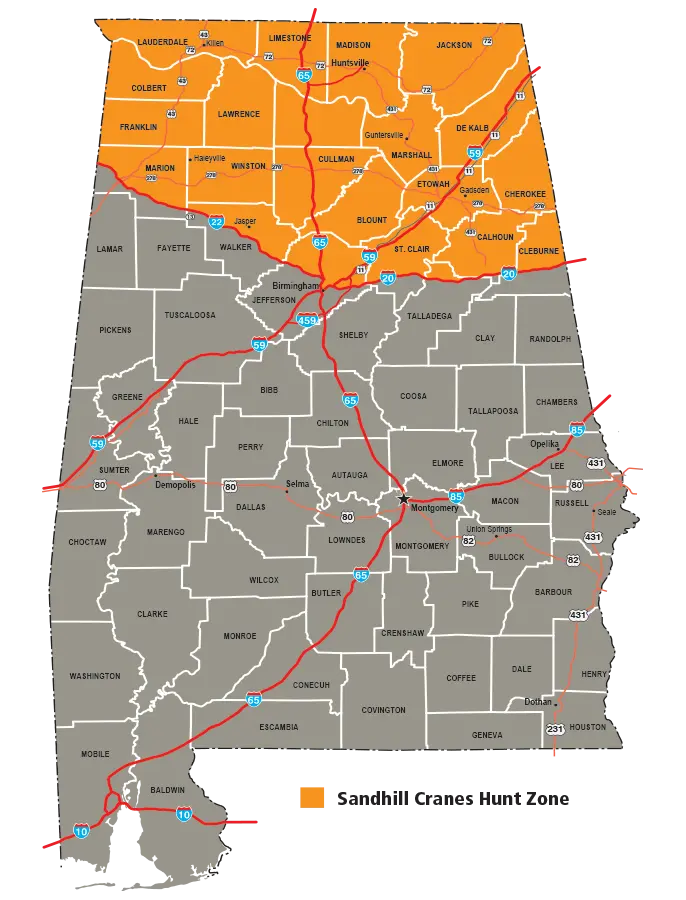
Alabama employs a zonal system for its deer hunting seasons, primarily divided into Zone 1 and Zone 2, which dictates specific dates for various weapon types. This zonal approach accounts for ecological differences and deer population densities across the state. While the specific dates can see minor adjustments year-to-year, the general framework remains consistent, offering reliable planning windows for hunting tourists.
Typically, the season kicks off with Archery Season, usually starting in mid-October and extending through late January or early February. This long season offers bowhunters ample opportunity to pursue deer before the more disruptive gun seasons begin. Following archery, Muzzleloader Season provides a brief window, often in late October or early November, acting as a bridge to the primary firearms season. The highly anticipated Gun Season generally runs from mid-November through late January or early February, encompassing the rut period in many areas, which is often considered prime hunting time.
It’s crucial for any tourist planning a trip to consult the current year’s official Alabama Department of Conservation and Natural Resources Hunting and Fishing Digest for precise dates and any area-specific exceptions. This ensures you have the most up-to-date information for your chosen hunting grounds, whether it’s a private lease or a public Wildlife Management Area (WMA).
Licensing Requirements and Bag Limits
For non-resident hunters, securing the correct licensing is a non-negotiable step. Alabama offers various non-resident licenses, including annual, 10-day, and 3-day options, often requiring a separate state hunting license in addition to a deer tag. All hunters, regardless of residency, must also complete a hunter education course unless they are exempt by age or have a previous certificate. Tourists should allow ample time to purchase licenses online through the Alabama Department of Conservation and Natural Resources website or from authorized vendors upon arrival in cities like Montgomery or Birmingham.
Bag limits are another critical aspect of responsible hunting. Alabama typically allows one antlered buck per day, with a season limit of three antlered bucks. The doe (unantlered deer) bag limits vary significantly by zone, specific dates, and whether hunting occurs on private land or a WMA. Some WMAs may have stricter limits or specific “doe days” to manage local populations. Adhering to these limits is fundamental to conservation and is a legal requirement for all hunters.
Planning Your Alabama Hunting Tourism Experience
A successful hunting trip to Alabama involves more than just knowing the dates; it requires meticulous planning, especially for tourists unfamiliar with the local terrain and customs. From selecting the right location to ensuring you have the necessary gear and support, every detail contributes to the overall quality of your experience.
Choosing Your Hunting Grounds: Private vs. Public
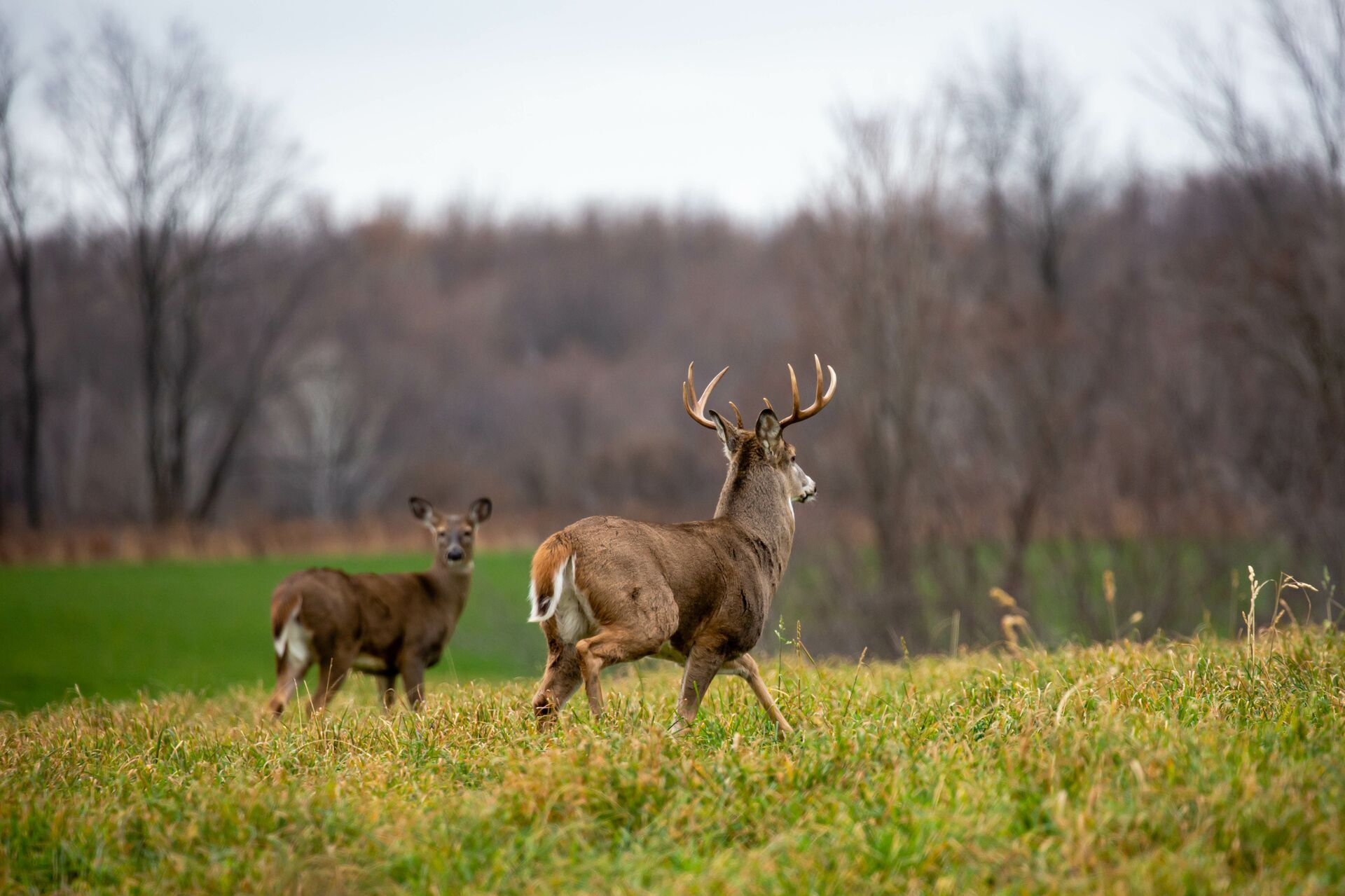
Alabama offers a blend of private land and public access hunting opportunities. Many tourists opt for private land leases or guided hunts, which often provide more controlled environments, comfortable lodging, and higher success rates due to intensive deer management. Numerous outfitters operate throughout the state, offering packages that include guides, lodging, meals, and even game processing. Researching and booking with a reputable outfitter well in advance is highly recommended, as popular dates fill up quickly.
For those preferring a more independent adventure or operating on a tighter budget, Alabama’s extensive system of Wildlife Management Areas (WMAs) and National Forests (such as William B. Bankhead National Forest, Talladega National Forest, and Conecuh National Forest) provides thousands of acres of public hunting land. While these areas can offer challenging and rewarding hunts, they often require more self-sufficiency, extensive scouting, and adherence to specific WMA regulations, which can differ from statewide rules. A special WMA license is also required to hunt in these areas.
Essential Gear and Local Logistics
Preparing your gear for an Alabama deer hunt is critical. While November through January can see pleasant, cool temperatures, sudden cold snaps or unseasonably warm days are not uncommon. Layered clothing, waterproof outerwear, and comfortable, sturdy boots are essential. Consider the terrain; many areas feature dense underbrush, hills, and creek bottoms. Don’t forget safety essentials like a first-aid kit, GPS device, compass, and sufficient blaze orange clothing where required.
For tourists traveling from out of state, understanding firearm transportation laws is crucial. Airlines have specific regulations for transporting firearms and ammunition. Alternatively, many outfitters offer rifle rentals, or you might consider shipping your firearm to a local Federal Firearm License (FFL) holder in a city like Huntsville or Mobile prior to your arrival. Planning for game processing and meat transport is also vital; local butchers and processing facilities are common in hunting regions, and many offer services for freezing and packaging meat for travel.
Enhancing Your Alabama Hunting Tourism Experience
Beyond the thrill of the hunt itself, an Alabama deer hunting trip offers opportunities to immerse yourself in the local culture, explore natural beauty, and enjoy the renowned Southern hospitality. A well-rounded tourism experience considers activities and amenities that complement the primary purpose of your visit.
Beyond the Stand: Local Culture and Attractions
While deer hunting may be the main draw, Alabama boasts a rich tapestry of history, music, and culinary delights that can enrich your tourism experience. Depending on your hunting location, consider exploring nearby towns and cities. Montgomery, the state capital, offers significant Civil Rights history and vibrant local restaurants. Birmingham is known for its burgeoning food scene and historical sites. Even smaller towns near hunting grounds often feature charming local diners serving classic Southern comfort food, a perfect way to refuel after a day in the woods.
For those interested in natural pursuits beyond hunting, Alabama has numerous state parks and natural areas offering hiking, birdwatching, and fishing. While your focus might be deer, taking a moment to appreciate the state’s diverse ecosystems—from the Appalachian foothills to the coastal plains—can be a refreshing change of pace. Just remember to keep your activities separate and respect hunting areas during season.
Sustainable Hunting and Ethical Practices
For any tourist engaging in hunting, upholding ethical practices and contributing to conservation is paramount. Alabama’s hunting heritage is built on responsible stewardship of wildlife. This includes understanding and practicing fair chase principles, respecting private property boundaries, and accurately identifying targets before shooting. Participation in the ADCNR’s deer management initiatives, such as providing harvest data, also plays a crucial role in maintaining healthy deer populations for future generations of hunters. A truly engaging tourism experience leaves a positive impact on both the environment and the local community.
Conclusion
The allure of Alabama’s deer hunting season is undeniable, offering an exceptional blend of abundant wildlife, diverse landscapes, and a welcoming atmosphere. For the hunting tourist, precise planning is the cornerstone of a successful trip. By understanding the state’s zonal system, adhering to licensing and bag limit regulations, and making informed choices about hunting grounds and gear, you can ensure a productive and enjoyable experience. Furthermore, embracing the broader tourism opportunities—from exploring local culture to practicing sustainable hunting ethics—will transform your visit into an unforgettable adventure. As you prepare your journey to Alabama, remember that the thrill of the chase is matched only by the deep satisfaction of connecting with nature and participating in a time-honored tradition.
LifeOutOfTheBox is a participant in the Amazon Services LLC Associates Program, an affiliate advertising program designed to provide a means for sites to earn advertising fees by advertising and linking to Amazon.com. Amazon, the Amazon logo, AmazonSupply, and the AmazonSupply logo are trademarks of Amazon.com, Inc. or its affiliates. As an Amazon Associate we earn affiliate commissions from qualifying purchases.