
Navigating the intricacies of vehicle regulations is a quintessential part of the California lifestyle. For anyone owning or planning to acquire a vehicle in the Golden State, understanding the smog check program isn’t just a legal obligation; it’s a vital aspect of responsible living and environmental stewardship. The question, “How long is a smog check good for in California?” frequently arises, and its answer holds significant implications for vehicle registration, resale, and overall compliance. This comprehensive guide will delve into the specifics of California’s smog check validity, exploring the program’s purpose, its impact on your daily life, and how to seamlessly integrate these requirements into your California lifestyle. From routine renewals to special circumstances, mastering this regulatory facet ensures your peace of mind and contributes to cleaner air for all residents.
Understanding California’s Smog Check Program: A Lifestyle Necessity
Living in California means embracing its unique blend of innovation, natural beauty, and, yes, its robust regulatory environment, especially concerning environmental protection. The state’s smog check program is a cornerstone of its efforts to reduce air pollution and ensure a healthy living environment for its vast population. For vehicle owners, understanding this program isn’t just about avoiding fines; it’s about being an active participant in maintaining the quality of life that defines California.
The Purpose Behind the Mandate
California has historically been at the forefront of environmental policy, driven by its unique geography and large urban centers that are particularly susceptible to air pollution. The smog check program, administered by the Bureau of Automotive Repair (BAR), was established to identify vehicles with excessive emissions and ensure they are repaired, thereby reducing harmful pollutants like carbon monoxide, nitrogen oxides, and hydrocarbons. For residents, this means breathing cleaner air, which directly impacts public health and the enjoyment of California’s outdoor lifestyle. It’s a collective effort, where each compliant vehicle plays a part in the larger environmental picture, a key element of the responsible California ethos.
Who Needs a Smog Check?
Not every vehicle in California requires a smog check, but a significant majority do. Generally, most gasoline-powered vehicles manufactured in 1976 or newer, and diesel-powered vehicles manufactured in 1998 or newer with a gross vehicle weight rating of 14,000 pounds or less, are subject to the inspection. There are, however, some common exemptions that factor into the California vehicle owner’s lifestyle planning:
- Newer Vehicles: Vehicles that are eight model years or newer are typically exempt from smog checks, although a smog check may be required when selling or transferring ownership of a vehicle that is four model years or newer. This offers a temporary reprieve for those driving relatively new cars.
- Older Vehicles: Vehicles manufactured before certain years (e.g., pre-1976 for gasoline, pre-1998 for diesel) are often exempt, as their emissions systems are different or non-existent by modern standards.
- Electric and Motorcycles: Fully electric vehicles and motorcycles are also exempt due to their non-emissive nature or different regulatory classifications.
- Geographic Location: While most of California requires smog checks, certain rural counties or specific zip codes are exempt from biennial (every two years) inspections. However, even in these areas, a smog check is usually required for a change of ownership.
Understanding these exemptions is crucial for effective vehicle management within your California lifestyle, ensuring you’re prepared when the time comes for registration renewal or vehicle sale.
Smog Check Frequency: The Core Question
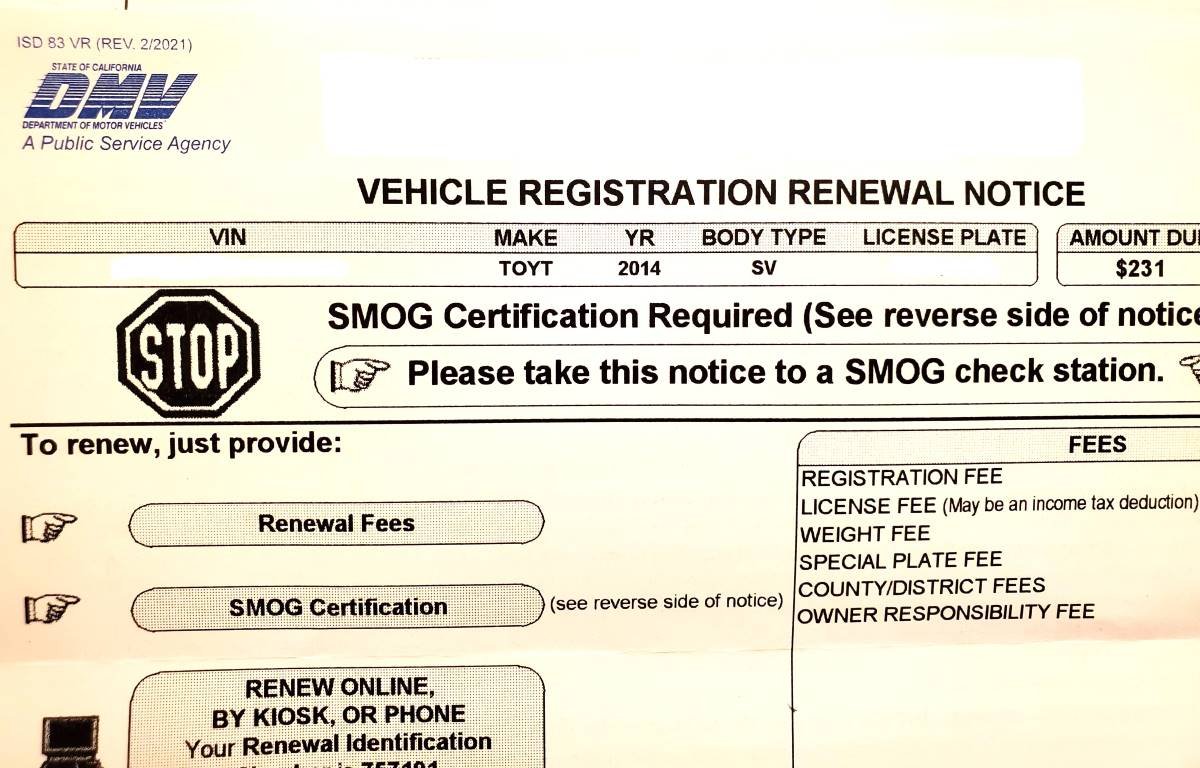
At the heart of the matter lies the frequency of these inspections. In most parts of California, a smog check is required every two years for vehicle registration renewal. This biennial requirement is the standard for the vast majority of drivers and is usually prompted by a notice from the Department of Motor Vehicles (DMV) when your registration is due. Beyond this regular schedule, a smog check is also mandated in the following scenarios, impacting your vehicle-related lifestyle choices:
- Change of Ownership: When a vehicle is sold or transferred, a smog check is required within 90 days prior to the sale. The seller is typically responsible for providing a valid smog certificate to the buyer. This is a critical point for anyone buying or selling a car in California, influencing transaction timelines and responsibilities.
- Out-of-State Vehicles: If you’re new to California and bringing a vehicle from another state, a smog check is required as part of the initial registration process. This is a key consideration for anyone relocating to the state, ensuring their vehicle meets California’s stringent environmental standards from day one.
- Gross Polluters: If your vehicle has failed a previous smog check and was designated a “gross polluter,” or if it was cited by law enforcement for excessive emissions, more frequent or specialized inspections may be required until the issue is resolved.
These various triggers for a smog check underscore its pervasive role in the California automotive landscape, making it an indispensable part of vehicle ownership and lifestyle planning.
The Lifespan of Your Smog Certificate: What You Need to Know
Once your vehicle passes a smog check, you’ll receive a certificate of compliance. This document, or rather the electronic record of it, is what the DMV needs to process your registration. Understanding the exact validity period of this certificate is crucial for managing your vehicle’s legal status in California.
Standard Two-Year Validity
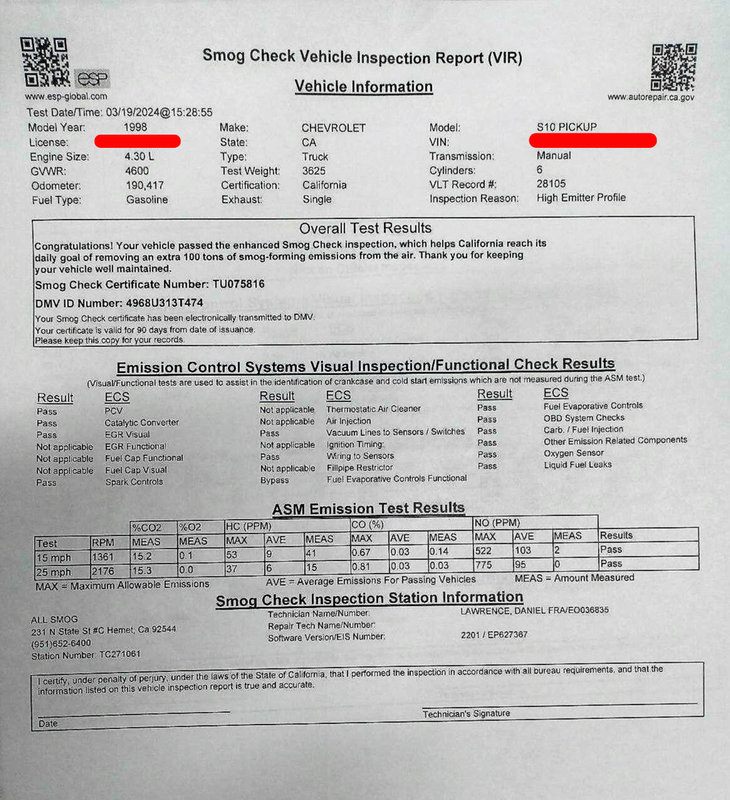
For biennial registration renewals, a smog check certificate is typically valid for 90 days from the date of issuance. However, the smog check itself is considered “good for” the entire two-year registration period it covers. What this means in practice is that you generally have 90 days from the date of the test to complete your registration renewal. If you conduct a smog check too early (e.g., more than 90 days before your registration expires), you might need to get another one if your DMV registration window closes before you submit your paperwork. Conversely, if you get it just before your renewal is due, that same smog check will satisfy the requirement for the next two years. This distinction is vital for timing your inspection effectively within your personal schedule.
Specific Scenarios and Exceptions
While the biennial, 90-day window is the norm, several specific scenarios can alter or impact the lifespan of your smog check certificate:
- Change of Ownership: When selling a vehicle, the seller must provide a valid smog certificate to the buyer. This certificate must have been issued within 90 days of the sale date. If the certificate is older than 90 days, even if the car has not been re-registered, a new smog check is required for the sale. This protects buyers and ensures that vehicles changing hands meet current emission standards.
- Out-of-State Vehicle Registration: For vehicles initially registering in California from another state, the smog check is part of the one-time initial registration process. Once passed and registered, the vehicle then falls into the regular biennial schedule (or applicable exemption).
- Vehicles Designated “Gross Polluters”: If a vehicle is identified as a gross polluter, it may be subject to stricter re-inspection requirements, potentially shortening the practical validity of any subsequent compliant smog check until the underlying issues are fully resolved and sustained.
- Failed Smog Checks: Obviously, a failed smog check yields no certificate of compliance. It necessitates repairs and retesting until the vehicle passes, impacting your ability to register or sell the vehicle until a valid certificate is obtained.
Understanding these nuances is key to responsible vehicle ownership and navigating the inevitable moments when your car’s compliance status comes into question.
The Role of the BAR-OIS Database
In today’s digital age, physical smog certificates are less common. Instead, certified smog stations electronically transmit results directly to the Bureau of Automotive Repair’s On-Board Diagnostic Inspection System (BAR-OIS) database. This database, in turn, communicates with the DMV. This streamlined process means that when you receive your registration renewal notice, the DMV already knows if a smog check is required and whether one has been successfully completed and electronically submitted. This technological integration simplifies the process for vehicle owners, embedding compliance directly into the digital fabric of the California lifestyle. However, it still requires the owner to ensure the test is done within the appropriate window for renewal or sale.
Navigating the Smog Check Process for Seamless California Living
Integrating smog checks into your California lifestyle doesn’t have to be a chore. With a little foresight and understanding of the process, it can be a smooth, stress-free experience.
Finding a Certified Smog Station
The first step is locating a legitimate facility. Only licensed smog check stations, identifiable by their official signs, can perform these inspections. There are generally two types of stations:
- Test-Only Stations: These stations only perform smog checks and are not allowed to do repairs. They are often used for vehicles requiring enhanced inspections or those designated as gross polluters.
- Test-and-Repair Stations: These stations can both perform smog checks and conduct any necessary repairs if your vehicle fails.
You can easily find certified stations near you by visiting the Bureau of Automotive Repair website and using their locator tool. Scheduling an appointment or finding a walk-in station is typically straightforward, fitting easily into your daily routine.
What Happens During the Test?
A standard smog check involves several key components, depending on your vehicle’s model year and type:
- Visual Inspection: Technicians check for missing, modified, or disconnected emissions control equipment. This includes catalytic converters, oxygen sensors, and exhaust gas recirculation (EGR) valves.
- Functional Inspection: This tests the operation of various components, such as the ignition timing, exhaust gas recirculation system, and fuel evaporative system.
- On-Board Diagnostic (OBD-II) System Check: For vehicles manufactured in 2000 or newer, the smog check primarily involves plugging into the vehicle’s OBD-II port to retrieve emissions data directly from the car’s computer. The technician checks for “Check Engine” lights and monitors, which must all be “ready” (meaning the vehicle’s computer has completed its self-tests) for a pass.
- Tailpipe Emissions Test: For older vehicles (typically 1999 and older), a traditional tailpipe emissions test is performed, measuring the actual pollutants coming from the exhaust while the vehicle is driven on a dynamometer or idling.
The entire process usually takes about 20-30 minutes, allowing for a quick interruption to your day.
Tips for a Successful Smog Check
To minimize the chances of a failed inspection and avoid unnecessary delays in your California lifestyle:
- Address “Check Engine” Lights: If your “Check Engine” light is on, your vehicle will automatically fail the smog check. Get it diagnosed and repaired before your appointment.
- Drive Your Vehicle: Ensure your vehicle has been driven for a few days (at least 50-100 miles) before the test. This helps the OBD-II system complete all its diagnostic “readiness monitors,” which are required for a pass.
- Maintain Your Vehicle: Regular oil changes, proper tire inflation, and routine engine maintenance contribute to efficient engine operation and lower emissions.
- Top Off Fluids: Ensure your fluid levels are correct, especially engine oil and coolant.
- Check Tire Pressure: For tests involving a dynamometer, correct tire pressure is important for accurate readings.
- Warm Up the Engine: Drive your car for at least 15-20 minutes before arriving at the station to ensure the engine and catalytic converter are at optimal operating temperature.
Following these simple tips can significantly improve your chances of passing on the first attempt, saving you time and hassle.
Beyond the Check: Maintaining Your Vehicle for California Compliance
A smog check is not just a periodic formality; it’s a snapshot of your vehicle’s health. Proactive maintenance and understanding the implications of a failed test are integral to a seamless California lifestyle.
Proactive Maintenance for Emission Control
Regular vehicle maintenance extends beyond just preventing breakdowns; it’s crucial for emissions control. Adhering to your vehicle’s manufacturer-recommended service schedule, particularly for components related to the exhaust and fuel systems, can prevent many common smog check failures. This includes:
- Spark Plug Replacement: Worn spark plugs can lead to incomplete combustion and higher emissions.
- Air Filter Changes: A dirty air filter restricts airflow, affecting fuel efficiency and emissions.
- Oxygen Sensor Checks: Faulty O2 sensors can cause your engine to run too rich or too lean, impacting emissions.
- Catalytic Converter Health: While expensive to replace, proper maintenance can extend the life of your catalytic converter, a critical emissions component.
- Fuel System Cleanliness: Using quality fuel and occasional fuel system cleaners can help prevent carbon buildup.
Incorporating these checks into your routine vehicle care is a smart investment in both your car’s longevity and its compliance with California’s strict environmental standards.
Addressing Smog Check Failures
If your vehicle fails a smog check, don’t panic. The station will provide you with a report detailing the reasons for the failure. The next steps usually involve:
- Diagnosis and Repair: Take your vehicle to a qualified repair shop. If the initial smog check was at a Test-and-Repair station, they can often perform the repairs. If it was a Test-Only station, you’ll need to find a separate repair facility.
- Retesting: After repairs are made, your vehicle will need to undergo a retest. Some stations offer a free retest within a certain timeframe if the repairs were done at their facility.
- Financial Assistance: California offers programs like the Consumer Assistance Program (CAP) through the Bureau of Automotive Repair. CAP provides financial assistance for eligible low-income consumers whose vehicles fail a smog check, helping them with necessary repairs or even vehicle retirement. This vital program helps ensure that financial hardship doesn’t prevent residents from complying with emissions standards.
Successfully navigating a failed smog check is part of responsible vehicle ownership and ensures your continued participation in the California driving lifestyle.
The Impact on Vehicle Resale and Registration
A valid smog certificate is indispensable for both annual registration renewal and vehicle sales in California. Without it (unless exempt), you cannot complete your registration, leading to penalties and potential legal issues. For sellers, providing a current smog certificate is a legal requirement and a significant factor in attracting buyers. A buyer should always insist on a valid smog certificate from the seller to avoid complications. For those relocating to California, a smog check is a prerequisite for initial registration, establishing your vehicle’s compliance with state regulations from day one. These requirements underscore how deeply intertwined vehicle emissions standards are with the administrative aspects of owning a car in California, making it a constant consideration in your automotive lifestyle.
Smog Checks and Your California Lifestyle: Planning Ahead
Ultimately, understanding how long a smog check is good for, and the broader context of the program, is about proactive planning and responsible living. It’s about seamlessly integrating regulatory necessities into your daily routine and long-term financial strategy.
Budgeting for Vehicle Maintenance
Vehicle ownership in California comes with various costs, and smog checks are a predictable expense. While the direct cost of the test is relatively low (typically $30-$80, depending on the station and location), it’s prudent to budget for potential repairs if your vehicle is older or has a history of emissions issues. Regular maintenance, as discussed, is the best way to keep these repair costs down and ensure consistent compliance, contributing to a stable and predictable automotive lifestyle.
Relocating to California with a Vehicle
For those considering a move to California, understanding the smog check requirement is a critical part of your relocation checklist. Your out-of-state vehicle will need to pass a California smog check as part of its initial registration. Researching these requirements beforehand can prevent surprises and ensure a smoother transition to your new California lifestyle. Be aware that vehicles not originally manufactured to California emission standards might face challenges, though exceptions exist for residents moving to the state.

Environmental Stewardship and Community Impact
Beyond the legalities, participating in California’s smog check program is an act of environmental stewardship. By ensuring your vehicle meets emissions standards, you directly contribute to reducing air pollution, improving public health, and preserving the state’s natural beauty. This commitment to environmental responsibility is a hallmark of the California lifestyle, where individual actions collectively shape the community’s well-being. Keeping your vehicle emissions in check is not just about compliance; it’s about being a conscientious member of the California community.
In conclusion, a smog check in California is generally valid for 90 days for registration purposes, and the underlying requirement recurs every two years for most vehicles. However, scenarios like vehicle sales or initial registration for out-of-state vehicles trigger specific validity periods. Understanding these rules, along with proactive maintenance and knowledge of the inspection process, ensures that this essential regulatory requirement remains a manageable and integrated part of your fulfilling California lifestyle.
LifeOutOfTheBox is a participant in the Amazon Services LLC Associates Program, an affiliate advertising program designed to provide a means for sites to earn advertising fees by advertising and linking to Amazon.com. Amazon, the Amazon logo, AmazonSupply, and the AmazonSupply logo are trademarks of Amazon.com, Inc. or its affiliates. As an Amazon Associate we earn affiliate commissions from qualifying purchases.