
California, often celebrated as the Golden State, is a land of unparalleled beauty, diverse landscapes, and vibrant cultures. From the sun-kissed beaches of San Diego to the majestic redwoods of the north, the bustling cityscapes of Los Angeles and San Francisco, and the serene vineyards of Napa Valley, it beckons travelers from across the globe. Whether you’re planning a luxurious escape, a budget-friendly adventure, a family vacation, or a crucial business trip, understanding the nuances of local time is crucial. One of the most frequently asked questions by visitors and residents alike pertains to Daylight Saving Time: “When does California change its time?” This annual ritual, while seemingly minor, can significantly impact travel plans, daily routines, and the overall experience of exploring this magnificent state.

This comprehensive guide will delve into the intricacies of Daylight Saving Time in California, offering insights into when and why these changes occur, their historical context, and – most importantly – practical advice for travelers to ensure a seamless and enjoyable visit. From coordinating flights and hotel bookings to maximizing your time at world-renowned landmarks and attractions, being prepared for the time shift will help you make the most of your California adventure.
Understanding Daylight Saving Time in California
Daylight Saving Time (DST) is a practice of advancing clocks during warmer months so that darkness falls later in the evening. This seasonal adjustment is observed in many parts of the United States, including California, with the primary goal of making better use of daylight and, historically, conserving energy.
The Annual Shift: Spring Forward, Fall Back
In California, as with most of the United States that observe DST, the time changes twice a year:
- Spring Forward: On the second Sunday in March, clocks “spring forward” by one hour. This means that at 2:00 AM Pacific Standard Time (PST), the time instantly becomes 3:00 AM Pacific Daylight Time (PDT). We effectively lose an hour of sleep on this night, but gain an hour of daylight in the evening throughout the summer months. For travelers, this can mean an earlier sunrise and a later sunset, extending the window for outdoor activities and sightseeing.
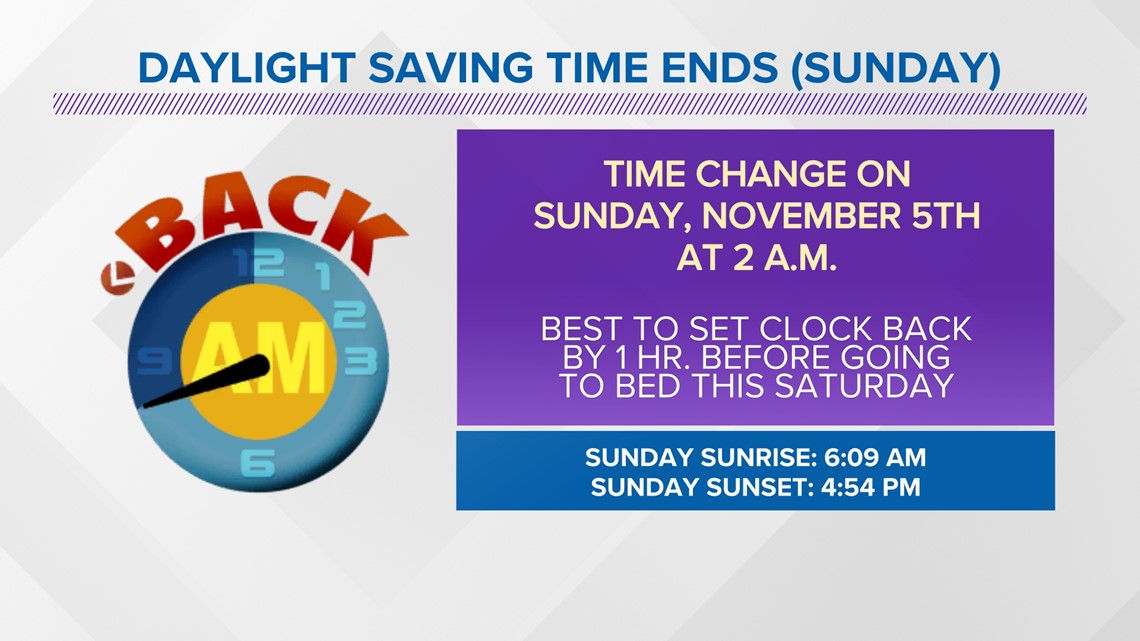
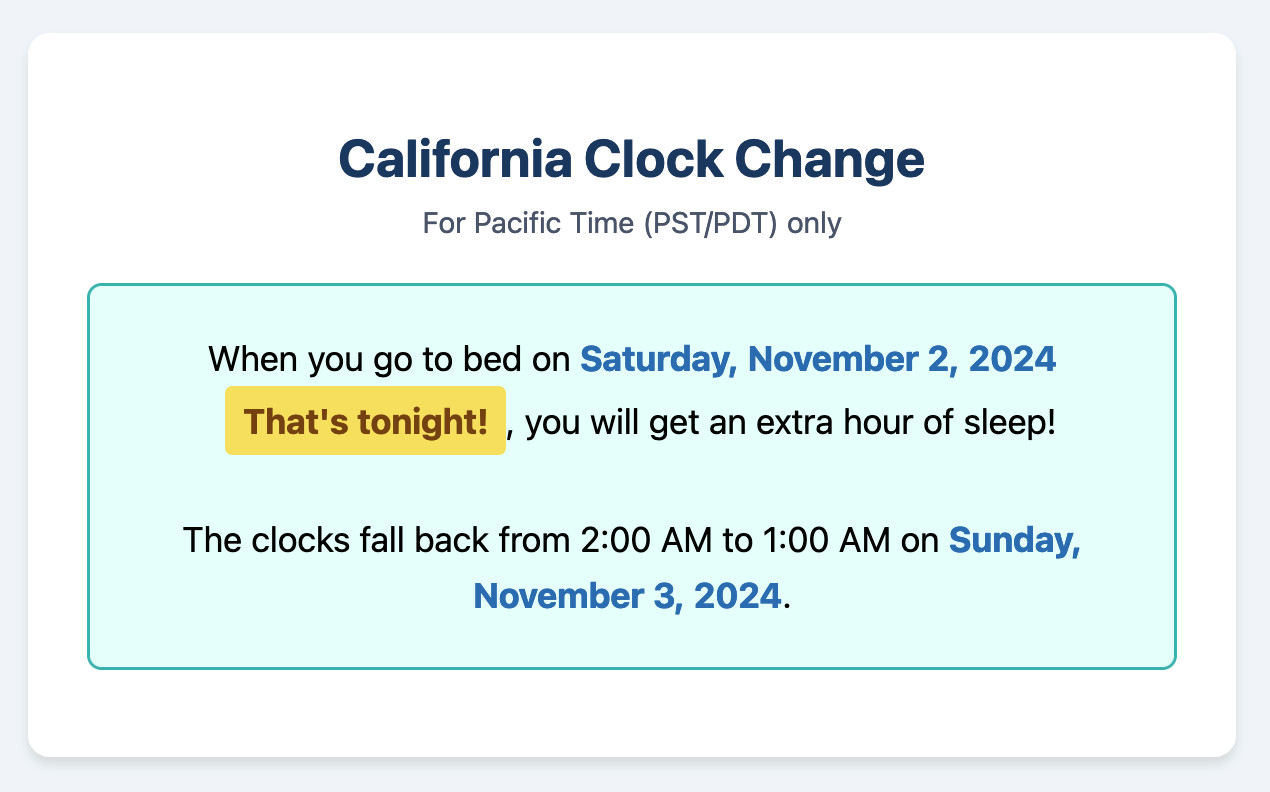
- Fall Back: On the first Sunday in November, clocks “fall back” by one hour. At 2:00 AM Pacific Daylight Time (PDT), the time reverts to 1:00 AM Pacific Standard Time (PST). This grants us an extra hour of sleep on this particular night, but results in earlier sunsets as winter approaches. For visitors, this means evenings begin earlier, which might influence dinner reservations or plans for evening entertainment.
These precise dates mean that the duration of DST varies slightly each year, but the pattern remains consistent. Being aware of these two Sundays is paramount for anyone traveling to or from California during these transitional periods.
A Brief History of Time Changes in the Golden State
The concept of Daylight Saving Time in the United States has a history stretching back over a century, marked by various federal and state-level adjustments. While first proposed in the early 20th century, it was widely adopted during World War I and World War II for energy conservation. The Uniform Time Act of 1966 standardized the start and end dates for DST across the country, though states could opt out.
California has generally adhered to federal guidelines regarding DST. The rationale has evolved over time, moving from wartime energy conservation to promoting economic activity, reducing traffic accidents, and enhancing public safety by providing more daylight during waking hours. This history underscores that timekeeping is not merely a scientific endeavor but also a sociopolitical one, continually adapted to meet societal needs and preferences.
The Proposition 7 Debate: A Future Without Time Shifts?
Despite its long-standing presence, Daylight Saving Time has faced increasing scrutiny and debate. Critics argue that the benefits are outweighed by disruptions to sleep patterns, potential health impacts, and the inconvenience of the twice-yearly clock change. In 2018, California voters approved Proposition 7, which granted the state legislature the power to vote to end DST permanently.
However, implementing this change is complex. Federal law requires congressional approval for any state to permanently observe DST year-round, while states can unilaterally opt out of DST and remain on standard time (as Arizona and Hawaii have done). As of now, California continues to observe the “spring forward, fall back” schedule. The ongoing legislative discussions mean that while the current system remains, the possibility of a permanent change in the future is still alive. For travelers, this means staying updated on California’s legislative actions, although for the foreseeable future, the time changes will continue as described.
Navigating Time Changes as a Traveler
The time changes in California can have a ripple effect on various aspects of your travel experience. Being proactive and informed is key to a stress-free journey, whether you’re arriving by air, staying in a luxurious resort, or exploring iconic landmarks.
Planning Your Flights and Transportation
For air travel, the time change dates are particularly critical. Airlines and airports operate on strict schedules, and while they generally account for DST shifts, it’s the traveler’s responsibility to confirm details.
- Arrivals and Departures: If your flight is scheduled around the exact time of the change (early Sunday morning), double-check your departure and arrival times with your airline. A flight departing at 1:30 AM on “spring forward” Sunday will effectively take off half an hour before the clocks jump to 3:00 AM, potentially affecting layovers or ground transportation bookings at your destination. Conversely, a flight scheduled to land at 1:30 AM on “fall back” Sunday might land at 1:30 AM twice in the local time, giving you an unexpected extra hour.
- Connecting Flights: Pay close attention to connections, especially if your journey involves different time zones that may or may not observe DST. A missed connection due to a miscalculation of time can be costly and frustrating.
- Ground Transportation: Pre-booked shuttles, car rentals, or ride-share services (Uber, Lyft) should also be verified. While most systems automatically adjust, confirming pick-up times, especially for early morning departures or late-night arrivals, is always a good practice. Train schedules, such as those for Amtrak, are also synchronized, but a quick check on their official website can provide peace of mind.
Hotel Stays and Accommodation Adjustments
For your accommodation in California, whether it’s a boutique hotel in San Francisco or a family-friendly apartment in Los Angeles, the impact is usually minimal but worth considering.
- Check-in and Check-out Times: Most hotels and booking platforms automatically adjust to the local time. Your check-in and check-out times will typically remain as scheduled according to the new local time. However, if you have a very early morning check-out on the “fall back” Sunday, that extra hour could give you a little more time to pack or enjoy a leisurely breakfast.
- Hotel Amenities and Services: The operational hours for breakfast services, fitness centers, pools, or scheduled entertainment within your hotel or resort will align with the adjusted local time. This generally means you won’t miss out on anything, but it might feel like services start or end an hour earlier or later than your internal clock expects.
- Confirming Bookings: If you have special requests or appointments arranged directly with your accommodation, it’s prudent to confirm the timing, especially if made far in advance of your travel date.
Maximizing Your Visits to California’s Attractions
California’s myriad attractions, from theme parks like Disneyland Resort and Universal Studios Hollywood to natural wonders like Yosemite National Park and architectural marvels like the Golden Gate Bridge, all adhere to local time.
- Opening and Closing Hours: During the “spring forward” period, attractions will effectively open and close an hour later by the clock. This can be beneficial, offering an extra hour of daylight in the evening for outdoor activities, strolls through historic districts, or enjoying sunsets. Conversely, “fall back” means attractions might close earlier in terms of daylight, requiring visitors to plan their day to maximize daylight hours. Always check the official websites of specific attractions for their most current operating hours, as these can change seasonally anyway, independent of DST.
- Tours and Guided Experiences: If you’ve booked guided tours – perhaps a wine tasting tour in Napa Valley or a studio tour in Los Angeles – confirm the start times. Tour operators are generally diligent in updating schedules, but a quick verification ensures you don’t miss out.
- Peak Times and Crowds: The shift in daylight can subtly influence crowd patterns. With longer daylight during summer, visitors might spread out their visits more, potentially alleviating some peak-hour congestion at popular spots like Disneyland or Universal Studios.
The Impact on California’s Tourism and Lifestyle
Beyond the logistics of travel, Daylight Saving Time impacts the broader tourism landscape and the general lifestyle experience in California. Understanding these broader effects can help you immerse yourself more fully in the Golden State’s unique rhythm.
Dining, Entertainment, and Local Experiences
California’s vibrant culinary scene and diverse entertainment options are central to its appeal. DST can subtly influence how these experiences unfold.
- Evening Plans: The “spring forward” shift, which brings longer evenings, is a boon for outdoor dining, rooftop bars, and evening strolls along beaches or city promenades. Restaurants might see later reservation times, and outdoor entertainment venues can extend their programming. Conversely, “fall back” means evenings commence earlier, potentially shifting dining times earlier or encouraging more indoor entertainment options.
- Local Culture and Events: Many local festivals, markets, and cultural events are scheduled to leverage daylight. During DST, these events can often run later into the evening, offering visitors more opportunities to experience local life. If you’re planning your trip around specific events, always check their official schedule, which will naturally account for the time change.
- Photography Opportunities: For photography enthusiasts, the “golden hour” – that magical period just after sunrise or before sunset – is highly prized. During DST, the golden hour shifts later in the evening, providing stunning light for capturing California’s iconic landscapes and landmarks well into the evening.
Health, Wellness, and Adjusting to New Rhythms
While often overlooked, the time change can have a minor but noticeable effect on personal well-being, especially when combined with travel across multiple time zones.
- Sleep and Jet Lag: Losing an hour during “spring forward” can exacerbate jet lag for travelers arriving from eastern time zones. Conversely, gaining an hour during “fall back” can help mitigate jet lag for those arriving from the west. Regardless, giving your body time to adjust, maintaining consistent sleep patterns where possible, and utilizing natural light exposure can help your internal clock synchronize with California’s rhythm.
- Outdoor Activities: The longer daylight hours during DST are perfect for active travelers. Whether you’re hiking in a national park, surfing at the beach, or cycling through a scenic route, the extended daylight provides more flexibility and opportunity to enjoy California’s natural beauty. Be mindful of sun protection, as the sun will be out later.
Photography and Experiencing Golden Hour
California’s diverse topography and breathtaking vistas make it a paradise for photographers. The time change has a direct impact on when the best natural light is available.
- Extended Evening Light: During DST, the “golden hour” and “blue hour” (the twilight period after sunset) occur later in the evening. This allows photographers to capture iconic shots of the Golden Gate Bridge bathed in warm light, the vibrant sunsets over the Pacific, or cityscapes like Los Angeles and San Francisco sparkling under twilight skies, often extending into what would traditionally be considered nighttime.
- Morning Light Considerations: For early risers seeking the soft morning light, the sunrise during DST will technically occur later by the clock. This means you might not need to wake up quite as early to catch that perfect morning shot, a small blessing for those on vacation.
Practical Tips for Managing the Time Change
Successfully navigating the time changes in California requires a blend of foresight, awareness, and utilizing modern tools.
Before You Travel: Pre-Trip Planning
- Check the Dates: Before finalizing your itinerary, confirm if your travel dates coincide with the “spring forward” (second Sunday in March) or “fall back” (first Sunday in November) shifts. Mark these on your calendar.
- Update Your Itinerary: If you have a detailed itinerary, mentally (or physically) adjust the times for major events, tours, or reservations that fall on the day of the change.
- Gradual Adjustment: If you’re particularly sensitive to time changes, especially for the “spring forward” shift, consider adjusting your sleep schedule by 15-30 minutes each night in the days leading up to your trip or the time change.
- Confirm All Bookings: Make it a point to double-check flight times, hotel check-in/out, and any pre-booked tours or activities that fall on or immediately after the DST change. While most systems adjust automatically, a quick verification provides peace of mind.
During Your Stay: On-the-Ground Adaptations
- Trust Your Smart Devices: Modern smartphones (iPhone, Android) and other connected devices will automatically update to the correct local time. Make these your primary reference for time.
- Beware of Analog Clocks: Be cautious of analog clocks in public spaces or even in your accommodation, as they may not be manually adjusted promptly. Always cross-reference with your phone.
- Ask Locals: If in doubt about an opening hour or event time, don’t hesitate to ask hotel staff, tour guides, or locals for clarification.
- Be Flexible: Embrace a flexible mindset. A slight shift in your schedule can often lead to new discoveries or opportunities you might not have anticipated.
Tools and Technology to Keep You on Track
- Smartphone Clocks: Your phone is your best friend. Its clock will automatically update, displaying the correct local time. Use it for alarms, scheduling, and quick time checks.
- Navigation Apps: Apps like Google Maps or Apple Maps will always show local times for destinations and travel estimates, making it easy to plan your movements correctly.
- Airline and Hotel Apps: Most travel providers offer apps that provide real-time updates for flights, bookings, and hotel services, all synchronized to the local time.
- Calendar Reminders: Set calendar reminders for critical appointments, and ensure your calendar app is configured to handle time zone and DST changes automatically.
In conclusion, understanding when California changes its time is an essential piece of knowledge for any traveler to the Golden State. While the twice-yearly shifts – “spring forward” in March and “fall back” in November – might seem like a minor inconvenience, they have tangible implications for planning your journey. By being informed, utilizing modern technology, and applying a touch of flexibility, you can effortlessly navigate these time changes. This preparation ensures that your focus remains squarely on enjoying the breathtaking scenery, vibrant culture, and unforgettable experiences that await you in California, making your trip truly out of the box.
LifeOutOfTheBox is a participant in the Amazon Services LLC Associates Program, an affiliate advertising program designed to provide a means for sites to earn advertising fees by advertising and linking to Amazon.com. Amazon, the Amazon logo, AmazonSupply, and the AmazonSupply logo are trademarks of Amazon.com, Inc. or its affiliates. As an Amazon Associate we earn affiliate commissions from qualifying purchases.