
Navigating the shifting sands of time, particularly in a state as vast and diverse as Texas, can sometimes feel like a puzzle. For travelers, whether they’re planning a luxury travel escape to the rolling hills of the Texas Hill Country or a budget-friendly adventure through the vibrant streets of Austin, understanding the nuances of Daylight Saving Time (DST) is crucial for seamless planning. This guide delves into when Texas observes DST changes, why it matters for your trip, and how it might influence your experiences across the Lone Star State.
For many, the switch between standard time and daylight saving time is a recurring, almost ritualistic, event. It’s the subtle shift that grants an extra hour of sunlight in the evening during warmer months, impacting everything from outdoor activities to dining reservations. In Texas, this temporal adjustment is a well-established practice, deeply woven into the fabric of daily life and, by extension, the planning of any visit to this captivating destination.
Understanding Daylight Saving Time in Texas
Daylight Saving Time, often abbreviated as DST, is the practice of advancing clocks during warmer months so that darkness falls at a later hour of the clock. The primary goal is to make better use of natural daylight. In the United States, the decision of whether or not to observe DST falls to individual states. While most states do participate, there are a few exceptions, and Texas is not among them – it adheres to the DST schedule.
The Energy Policy Act of 2005 standardized the start and end dates for DST across the United States. This means that for the vast majority of Texas, the clocks will spring forward and fall back on the same dates as the rest of the country. This uniformity is a welcome aspect for travelers, simplifying the process of coordinating arrival times, booking tours, and ensuring that your itineraries align perfectly with the available daylight.
The Rhythms of Texas Time
The general rule of thumb for DST in the United States, and therefore for most of Texas, is as follows:
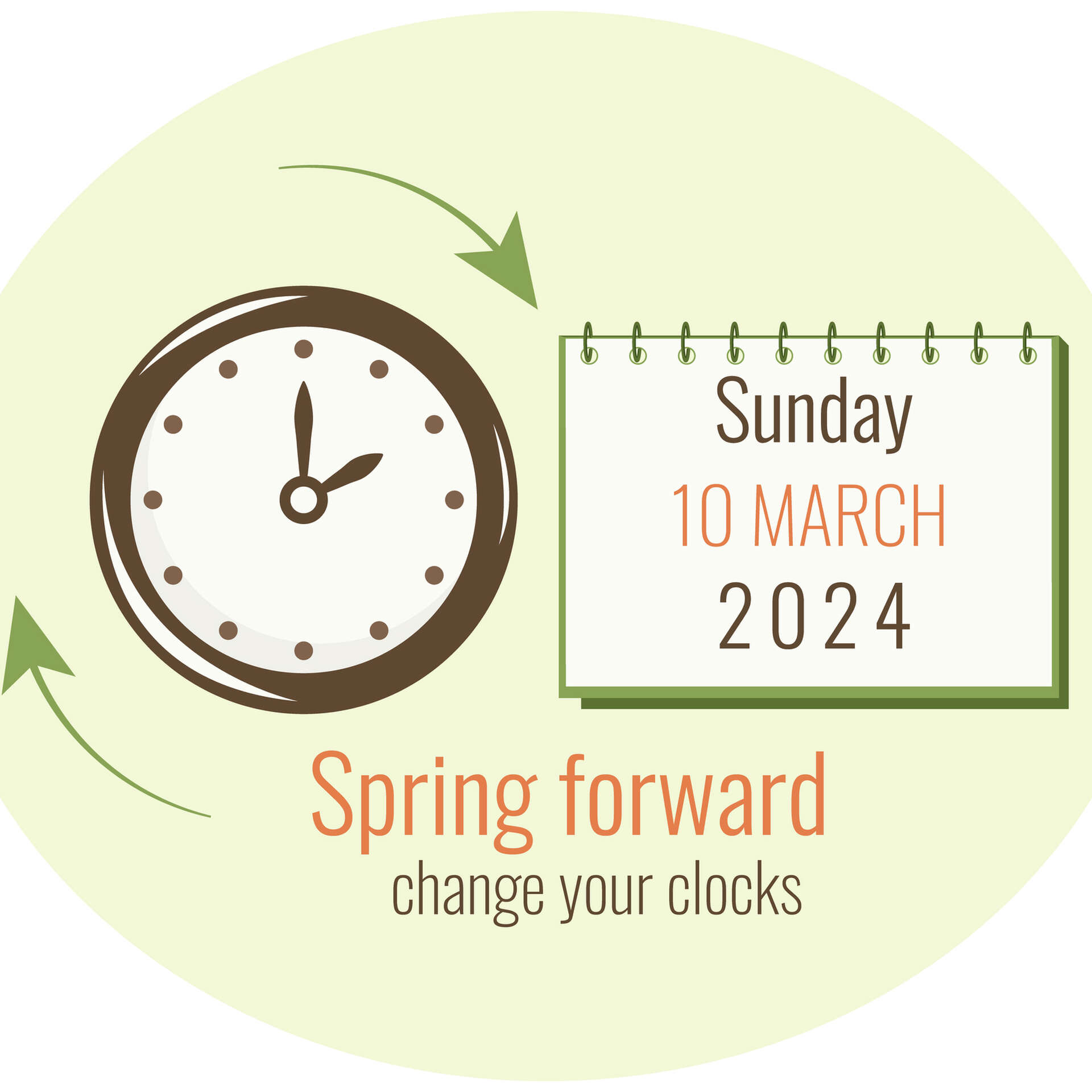
- Spring Forward: Clocks are moved forward one hour at 2:00 AM on the second Sunday in March. This marks the beginning of DST. Travelers arriving in Texas around this time will notice that evenings become noticeably longer, providing ample opportunity for exploring attractions like the Alamo in San Antonio or enjoying a sunset cruise on Lake Travis.
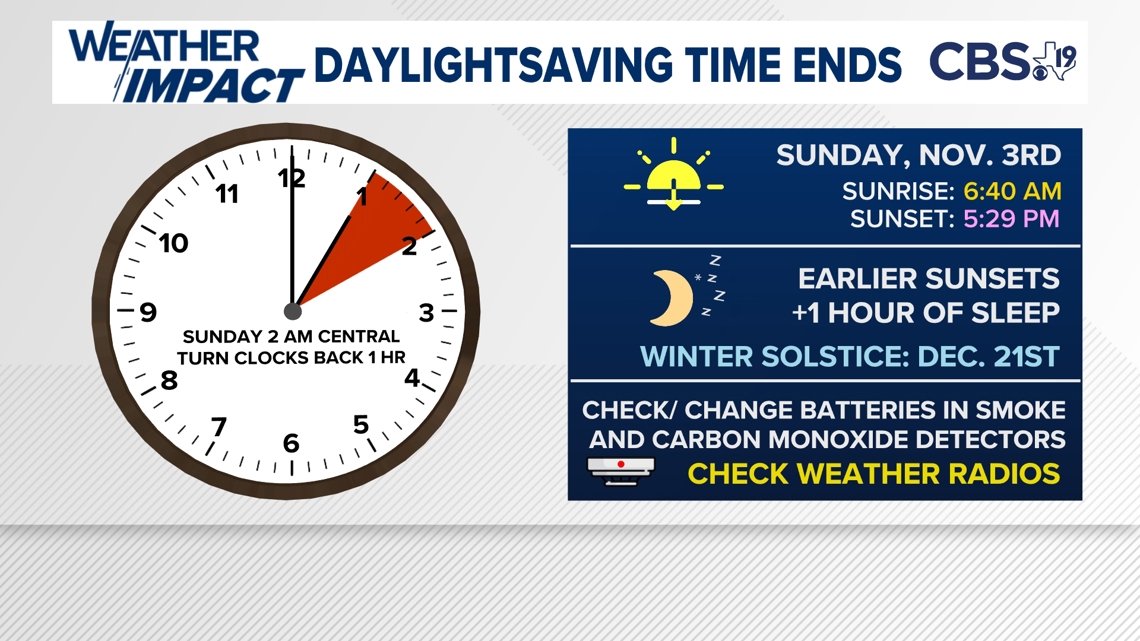
- Fall Back: Clocks are moved back one hour at 2:00 AM on the first Sunday in November. This signifies the end of DST and the return to standard time. This shift means that days will become shorter, with darkness arriving earlier. For those enjoying winter activities, such as exploring the historic streets of Galveston or visiting the Dallas Arboretum and Botanical Garden, it’s a reminder to adjust plans accordingly, perhaps opting for indoor attractions or earlier dining experiences.
These dates are consistent year after year, offering a predictable rhythm for both residents and visitors. This predictability is invaluable when booking accommodations, such as a cozy suite at the Hotel San José in Austin or a luxurious resort in Houston.
Texas and the DST Exception: Border Communities
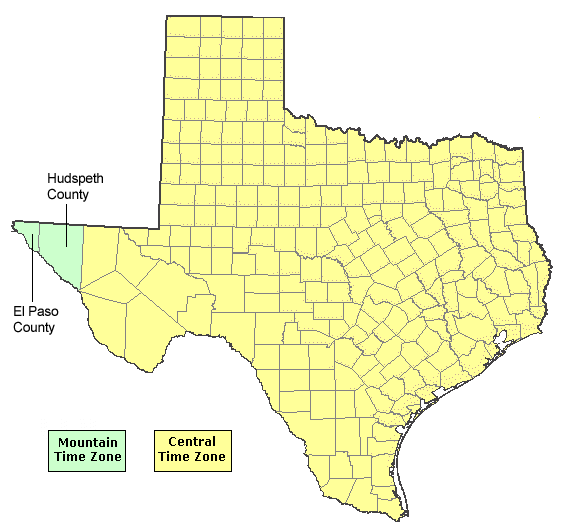
While the vast majority of Texas follows the national DST schedule, there’s a notable exception for a few counties bordering the Mountain Time Zone. These counties, primarily in the western part of the state, do not observe Daylight Saving Time. This means that while the rest of Texas springs forward or falls back, these specific regions remain on Mountain Standard Time (MST) year-round.
For travelers venturing into these particular areas, such as the scenic landscapes around El Paso, it’s essential to be aware of this time difference. A quick check of local time in El Paso compared to Dallas or Houston will reveal a one-hour discrepancy during the periods when the rest of Texas is observing DST. This is a critical piece of information for anyone coordinating meetings, flights, or tours that involve crossing these time zone boundaries within the state. Understanding this distinction can prevent missed connections and ensure a smooth travel experience.
Impact on Travel and Tourism in Texas
The observance of Daylight Saving Time has a tangible impact on how you can experience Texas. The extra hour of daylight in the evenings during DST can significantly influence your choice of activities and the overall pacing of your trip.
Maximizing Daylight for Exploration
During the DST period, longer evenings are a boon for outdoor enthusiasts and sightseers. Consider these possibilities:
- Evening Strolls and Sightseeing: Imagine enjoying a leisurely walk along the San Antonio Riverwalk as the sun sets, or exploring the historic streets of Marfa well after dinner. The extended daylight allows for more exploration of landmarks and the vibrant local culture without the pressure of dwindling light.
- Outdoor Dining and Events: Many restaurants and bars in cities like Dallas, Houston, and Austin offer outdoor patios and rooftop seating. DST makes these al fresco experiences more enjoyable and extends the hours they can be utilized. You might find yourself enjoying a BBQ dinner under the stars or attending an outdoor concert in Austin with plenty of light to spare.
- Adventure Activities: For those seeking adventure, DST can extend the time available for activities like hiking in Big Bend National Park, kayaking on Lady Bird Lake in Austin, or visiting natural wonders like the Natural Bridge Caverns. The extra daylight provides more flexibility for planning these excursions, especially if they are part of a longer family trip.
Conversely, when Texas reverts to standard time in November, daylight hours shorten. This might encourage visitors to focus more on indoor attractions and experiences, such as exploring museums like the Perot Museum of Nature and Science in Dallas, enjoying the culinary scene, or visiting the numerous resorts offering indoor amenities.
Accommodation and Booking Considerations
The timing of DST changes can also influence how you book your accommodation. When searching for hotels, resorts, or apartments, it’s always wise to confirm the local time.
- Arrival and Departure Times: Ensure your flight or driving times align with check-in and check-out policies at your chosen lodging. A misunderstanding of the time change could lead to an unintended early arrival or a rushed departure. For instance, if you’re staying at the historic Hotel Emma in San Antonio, knowing the exact local time upon arrival is key to a smooth check-in.
- Activity Bookings: Any tours, guided experiences, or reservations at restaurants should be confirmed with the local time in mind. Booking a sunset tour of the Texas Hill Country during DST will naturally be scheduled later than during standard time.
- Comparison Shopping: When using comparison websites for hotels or long-term stays, ensure the displayed times are accurate for your intended travel dates. Most reputable booking platforms will automatically adjust for DST based on the location you select.
Tips for Travelers
To ensure your Texas adventure is as enjoyable and stress-free as possible, here are a few practical tips related to Daylight Saving Time:
- Always Verify Local Time: While the DST dates are standardized for most of Texas, it’s always a good practice to double-check the current local time, especially if your travel plans involve the western border counties. A quick search on your smartphone or asking your accommodation staff is usually sufficient.
- Sync Your Devices: Ensure all your electronic devices, including smartphones, smartwatches, and car GPS systems, are set to update time automatically or are manually adjusted on the DST changeover dates. This prevents confusion and missed appointments.
- Plan Around Daylight: Consider the amount of daylight when scheduling your activities. If you’re visiting during DST, take advantage of the longer evenings for outdoor exploration. If you’re visiting during standard time, plan for earlier starts and consider indoor attractions for later in the day.
- Inform Travel Companions: If you are traveling with family or friends, make sure everyone is aware of the time changes, especially younger children or elderly travelers who might be more sensitive to the shifts. Discussing these changes beforehand can prevent confusion and make the trip more enjoyable for everyone.
- Embrace the Lifestyle: Whether you prefer the luxury travel of a five-star hotel in Dallas or the laid-back vibe of a budget travel hostel in Austin, understanding DST helps you better integrate into the local rhythm and make the most of your experiences.
By keeping these simple points in mind, you can navigate the ebb and flow of Daylight Saving Time in Texas with confidence, ensuring your journey through this dynamic state is filled with unforgettable memories, from the iconic landmarks of Houston to the natural beauty of the Texas Hill Country.
LifeOutOfTheBox is a participant in the Amazon Services LLC Associates Program, an affiliate advertising program designed to provide a means for sites to earn advertising fees by advertising and linking to Amazon.com. Amazon, the Amazon logo, AmazonSupply, and the AmazonSupply logo are trademarks of Amazon.com, Inc. or its affiliates. As an Amazon Associate we earn affiliate commissions from qualifying purchases.