
Oklahoma, a state where the wide-open plains meet the rugged Ozark Mountains, offers a diverse landscape that is as captivating for its natural beauty as it is for its rich history and vibrant culture. For enthusiasts of the outdoors, particularly those interested in hunting, understanding the specific seasons for various pursuits is paramount. Among these, rifle season for deer holds significant importance for many Oklahomans and visitors alike. This period represents a culmination of preparation, tradition, and a deep connection with the land. Navigating the intricacies of when rifle season begins and ends in the Sooner State involves understanding the regulations set forth by the Oklahoma Department of Wildlife Conservation, which are designed to ensure sustainable wildlife populations and a safe hunting experience for all.
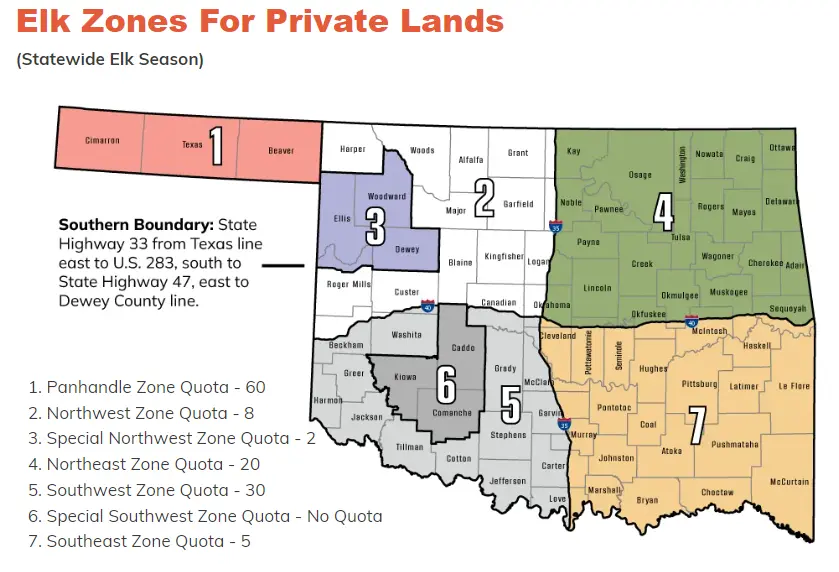
The allure of hunting in Oklahoma extends beyond the thrill of the chase. It’s an opportunity to immerse oneself in the state’s breathtaking natural settings, from the dense woodlands of the eastern part of the state to the rolling hills and prairies of the west. Whether you’re a seasoned hunter or a curious traveler drawn to the outdoor lifestyle, knowing the timing of rifle season is the first step to planning an unforgettable experience. This guide will delve into the specifics of rifle season in Oklahoma, offering insights into the various seasons, the species targeted, and how to prepare for a successful and responsible hunt.
Understanding Oklahoma’s Deer Rifle Seasons
Oklahoma’s deer rifle seasons are meticulously structured to manage the state’s deer population effectively. The Oklahoma Department of Wildlife Conservation establishes these seasons based on extensive research and ecological considerations, aiming to balance hunting opportunities with the long-term health of the deer herd. Typically, the state divides its deer hunting into several distinct seasons, each with its own set of rules and permitted weapon types.
The Archery Season
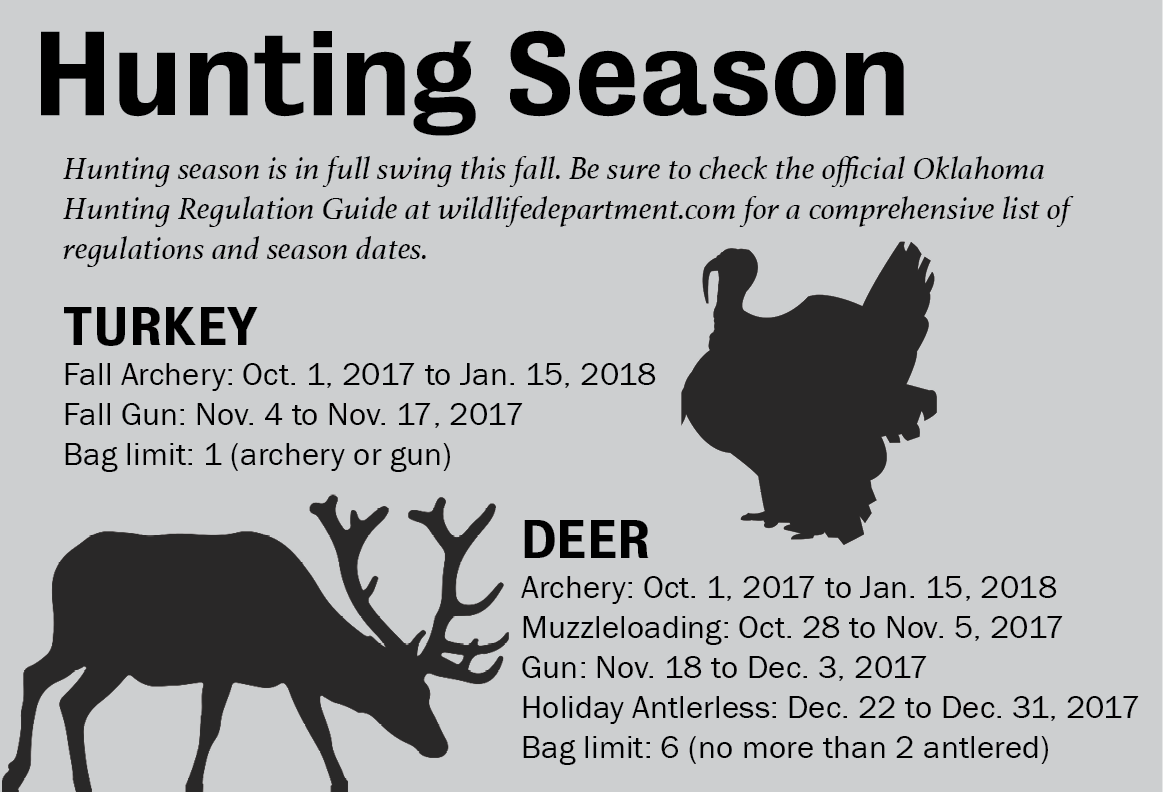
While this article focuses on rifle season, it’s important to note that the hunting calendar in Oklahoma often begins with archery season. This season generally opens earlier in the fall, allowing hunters to pursue deer with bows and arrows. Archery season requires a different skillset and offers a more intimate experience with nature, often demanding stealth and precision. It provides an extended period for hunters to be in the field before the rifle seasons commence.
The Muzzleloader Season
Following archery season, Oklahoma typically designates a specific muzzleloader season. This period is dedicated to hunters who prefer the historical challenge of using muzzleloading firearms. These seasons are usually shorter than the general rifle seasons and may have specific geographical limitations or regulations regarding the type of muzzleloader permitted. It bridges the gap between the archery and rifle seasons, offering another distinct hunting experience.
The Gun Season (Rifle Season)
The most anticipated period for many hunters is the general gun season, commonly referred to as rifle season. This is when the majority of deer are harvested in Oklahoma. The exact dates for rifle season can vary slightly from year to year, but they generally fall within a specific window in late fall, aiming to coincide with the deer’s rutting period, when deer are most active and often easier to locate.
The Oklahoma Department of Wildlife Conservation usually divides the gun season into different segments or zones to manage hunting pressure and wildlife distribution. These may include:
Early Gun Season
Often, an “early gun season” is established. This period typically allows for the taking of either antlered or antlerless deer, depending on specific regulations and the unit or zone in which you are hunting. It’s a crucial time as it often precedes the peak of the rut.
Late Gun Season
Following the early gun season, a “late gun season” usually commences. This segment of the rifle season may have different regulations regarding the sex of the deer that can be harvested. By this point in the fall, the deer population has experienced varying levels of hunting pressure, and the rut might be winding down or at its peak, depending on the specific weather patterns and geographic location within the state.
Primitive Firearms Season
In addition to the general gun seasons, some areas might also have a “primitive firearms season.” This season often overlaps with or follows the general rifle season and is designed for hunters using specific types of firearms that are considered more primitive than modern rifles, but more advanced than traditional muzzleloaders. Regulations for this season are also strictly defined by the Oklahoma Department of Wildlife Conservation.
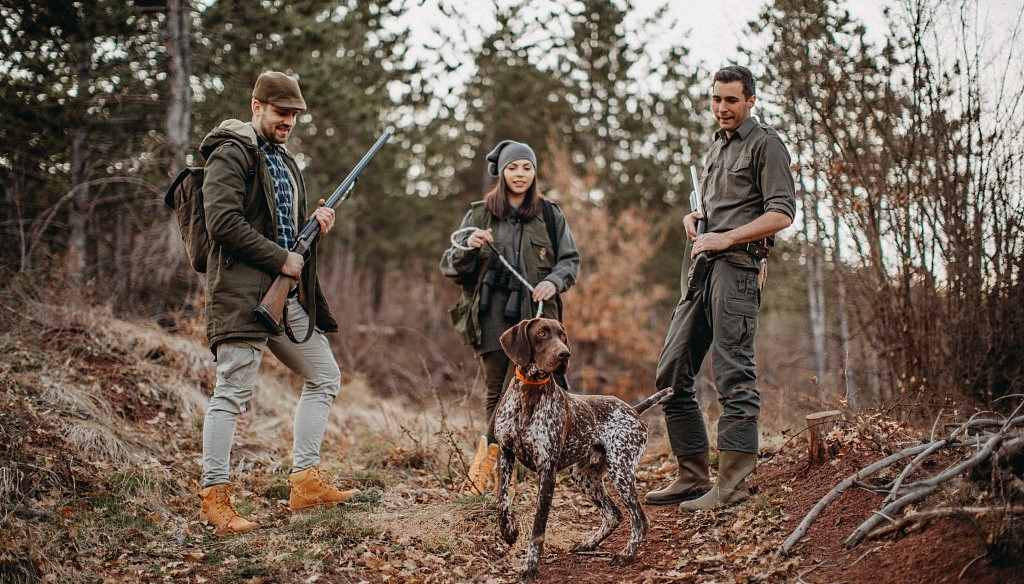
Planning Your Oklahoma Rifle Hunting Trip
Embarking on a rifle hunting expedition in Oklahoma requires meticulous planning, encompassing not only the understanding of hunting seasons but also logistical considerations. This includes securing the necessary licenses and permits, choosing the right hunting location, and arranging suitable accommodations. For those traveling from afar, researching Oklahoma’s diverse landscapes and hunting opportunities is key to a rewarding experience.
Licenses, Permits, and Regulations
The cornerstone of any legal hunting trip in Oklahoma is obtaining the correct licenses and permits. The Oklahoma Department of Wildlife Conservation is the governing body that issues these. Hunters will need to purchase a hunting license, and depending on the type of deer they intend to hunt (e.g., antlered or antlerless) and the specific weapon they will use, additional permits or stamps may be required. It is absolutely essential to thoroughly review the most current “Oklahoma Hunting Guide” published by the Oklahoma Department of Wildlife Conservation before the season begins. This guide contains detailed information on season dates, bag limits, legal shooting hours, weapon restrictions, and any specific regulations for different wildlife management units (WMUs) or counties. Ignorance of the law is not a defense, and violations can result in significant fines and penalties, including the loss of hunting privileges.
Choosing Your Hunting Destination
Oklahoma boasts a variety of hunting terrains, each offering a unique hunting experience. The eastern part of the state, with its abundant forests and rolling hills, is particularly known for its whitetail deer populations. Areas like the Ouachita National Forest and the Ozark Mountains provide vast public hunting lands. For those who prefer open country, the western and central regions of Oklahoma offer expansive prairies and river bottoms, which are also prime habitats for deer.
When selecting a destination, consider whether you will be hunting on public land, which is accessible to all licensed hunters, or private land. Hunting on private land typically requires obtaining permission from the landowner and may involve leases or day hunts. Researching specific Wildlife Management Units (WMUs) is also recommended, as each unit may have different deer population densities, terrain characteristics, and specific regulations. Popular areas often include the Tallgrass Prairie Preserve and various state parks that permit hunting.
Accommodation and Lodging Options
Planning where to stay is an integral part of a successful hunting trip. Oklahoma offers a wide array of accommodation options to suit different budgets and preferences. For hunters seeking convenience and comfort, numerous hotels and motels are available in towns and cities close to popular hunting areas. These can range from budget-friendly chains to more upscale establishments.
For those looking for a more immersive outdoor experience, cabin rentals or lodges located within or near hunting grounds are excellent choices. These often provide amenities geared towards hunters, such as processing facilities or proximity to trails. Many rural areas also have opportunities for camping, either in designated campgrounds or dispersed camping on public lands, which offers a truly rustic adventure. For longer stays or for groups, renting a private villa or a large apartment might be a suitable option. Checking reviews and booking in advance, especially during peak hunting seasons, is highly advisable. Websites offering hotel comparisons and booking services can be invaluable in finding the perfect place to rest after a long day in the field. Popular destinations near hunting grounds might include towns like Broken Bow or Durant, which often have a range of lodging options.
Beyond the Hunt: Experiencing Oklahoma’s Lifestyle
While rifle season in Oklahoma is primarily about the hunting experience, the state offers a rich tapestry of local culture, culinary delights, and other outdoor activities that can complement your trip. Extending your stay to explore these aspects can transform a hunting expedition into a comprehensive Oklahoma adventure.
Culinary Delights and Local Flavors
Oklahoma has a distinct culinary scene that blends Southern comfort food with influences from its Native American heritage and ranching traditions. After a day in the outdoors, sampling local cuisine is a must. Many towns will feature diners and restaurants offering hearty meals. Look for classic dishes like fried okra, chicken-fried steak, and barbecue. For those interested in the state’s agricultural roots, visiting local farmers’ markets can offer a taste of fresh, seasonal produce. If you’re in the more populous areas like Oklahoma City or Tulsa, you’ll find a diverse range of dining experiences, from casual eateries to fine dining establishments. Don’t forget to try some of the local pecan pie, a beloved dessert in the region.
Exploring Oklahoma’s Landmarks and Nature
Oklahoma is home to a surprising number of natural wonders and historical landmarks that are worth exploring. Beyond the hunting grounds, consider visiting some of the state’s iconic locations. The Wichita Mountains Wildlife Refuge offers stunning geological formations and opportunities to see bison and longhorn cattle in their natural habitat. The Turner Falls Park features a beautiful waterfall and natural swimming areas. For history buffs, sites like the Oklahoma City National Memorial & Museum provide a poignant look at the state’s past. Architectural enthusiasts might enjoy exploring the historic buildings in downtown Tulsa. Nature lovers can also find numerous state parks and recreational areas offering hiking trails, fishing, and opportunities for wildlife observation outside of hunting seasons.
Embracing the Lifestyle: Luxury, Budget, and Family Adventures
Whether you are a seasoned hunter seeking a luxurious retreat or a budget-conscious adventurer, Oklahoma can cater to your needs. For those seeking a luxury travel experience, high-end resorts and lodges might offer guided hunts, gourmet dining, and spa services. These often provide a more comfortable and curated experience, ideal for business stays or special occasions. On the other end of the spectrum, budget travel is easily achievable through camping, staying in more basic motels, and preparing your own meals. Many public lands offer free camping opportunities. For family trips, Oklahoma offers a wealth of activities that go beyond hunting. National parks, museums, and interactive attractions in cities like Oklahoma City can provide entertainment for all ages, making it possible to combine a hunting trip for some with a broader family vacation. The flexibility of Oklahoma’s offerings ensures that its appeal extends to a wide range of travelers and interests.
LifeOutOfTheBox is a participant in the Amazon Services LLC Associates Program, an affiliate advertising program designed to provide a means for sites to earn advertising fees by advertising and linking to Amazon.com. Amazon, the Amazon logo, AmazonSupply, and the AmazonSupply logo are trademarks of Amazon.com, Inc. or its affiliates. As an Amazon Associate we earn affiliate commissions from qualifying purchases.