
Understanding Florida’s alcohol sales laws is crucial for any visitor or resident looking to enjoy the Sunshine State responsibly. Whether you’re planning a leisurely vacation, attending a special event, or simply enjoying a night out, knowing the “when” and “where” of alcohol purchases can prevent unexpected disappointments. This guide aims to demystify these regulations, ensuring your experience in Florida is as smooth and enjoyable as possible.
Florida’s approach to alcohol sales is not a monolithic entity; rather, it’s a complex tapestry woven from state-level statutes and county- or city-specific ordinances. This means that while there are general guidelines, the exact hours and days alcohol can be purchased can vary significantly depending on your precise location within the state. This local control is a key feature, allowing communities to tailor regulations to their unique character and needs.
State-Wide Regulations and General Guidelines
At the state level, Florida establishes a baseline for alcohol sales. However, it’s important to note that the state largely defers to local jurisdictions for specific timing. This means that the most critical information you’ll need pertains to the specific county or city you are visiting.
Minimum Legal Drinking Age
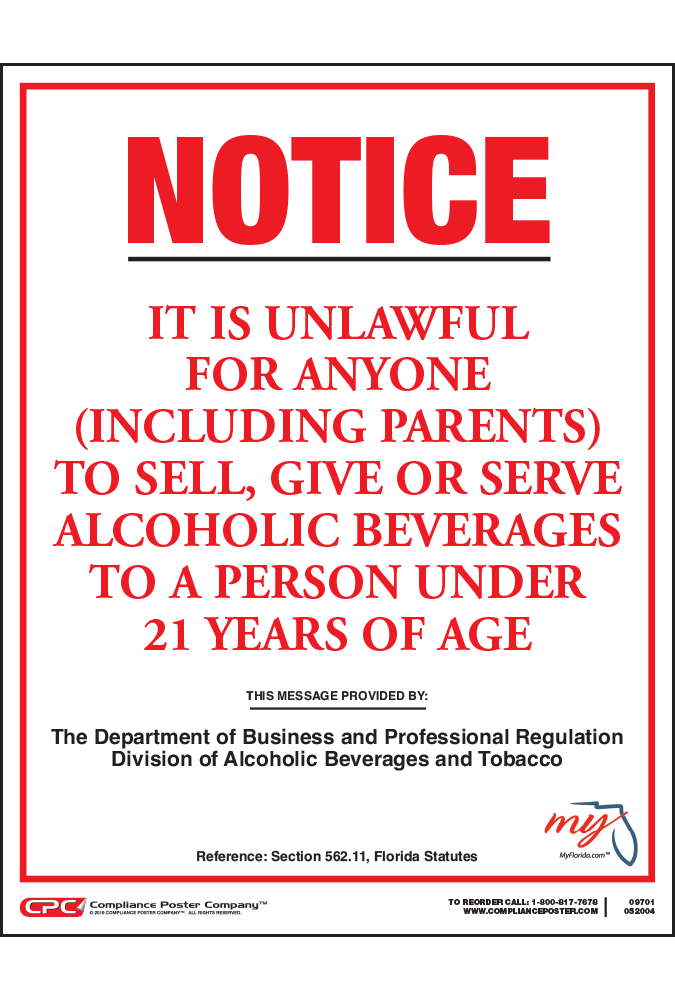
The federal minimum legal drinking age in the United States is 21, and Florida strictly adheres to this. It is illegal to sell or serve alcohol to anyone under the age of 21. This applies to all types of alcoholic beverages, including beer, wine, and spirits. Enforcement is rigorous, and establishments face significant penalties for violations.
General Hours of Sale
While specific hours can differ, a common theme across many Florida communities is that alcohol sales typically begin in the morning, often around 7:00 AM, and extend into the late evening. The closing times are where the variations become most pronounced. Many counties allow sales until midnight or 2:00 AM, particularly on weekends. However, some areas may have earlier cut-off times, especially on weekdays or Sundays.
Sunday Sales
Historically, Sunday alcohol sales were a point of contention in many U.S states, often subject to specific “blue laws.” In Florida, these restrictions have largely been relaxed over the years, and most counties now permit alcohol sales on Sundays. However, the hours might still differ from those on other days of the week. Some municipalities may still have limitations on when alcohol can be sold before noon on Sundays, particularly for off-premise consumption (i.e., purchasing alcohol to take home).
Types of Establishments and Their Licenses
The type of establishment and its liquor license can also influence alcohol sales hours.
Restaurants and Bars
Restaurants and bars with the appropriate licenses are generally permitted to sell alcohol during their operating hours, subject to the local ordinances. This means that a restaurant might be able to serve alcohol until its closing time, which could be later than a retail liquor store.
Liquor Stores and Grocery Stores
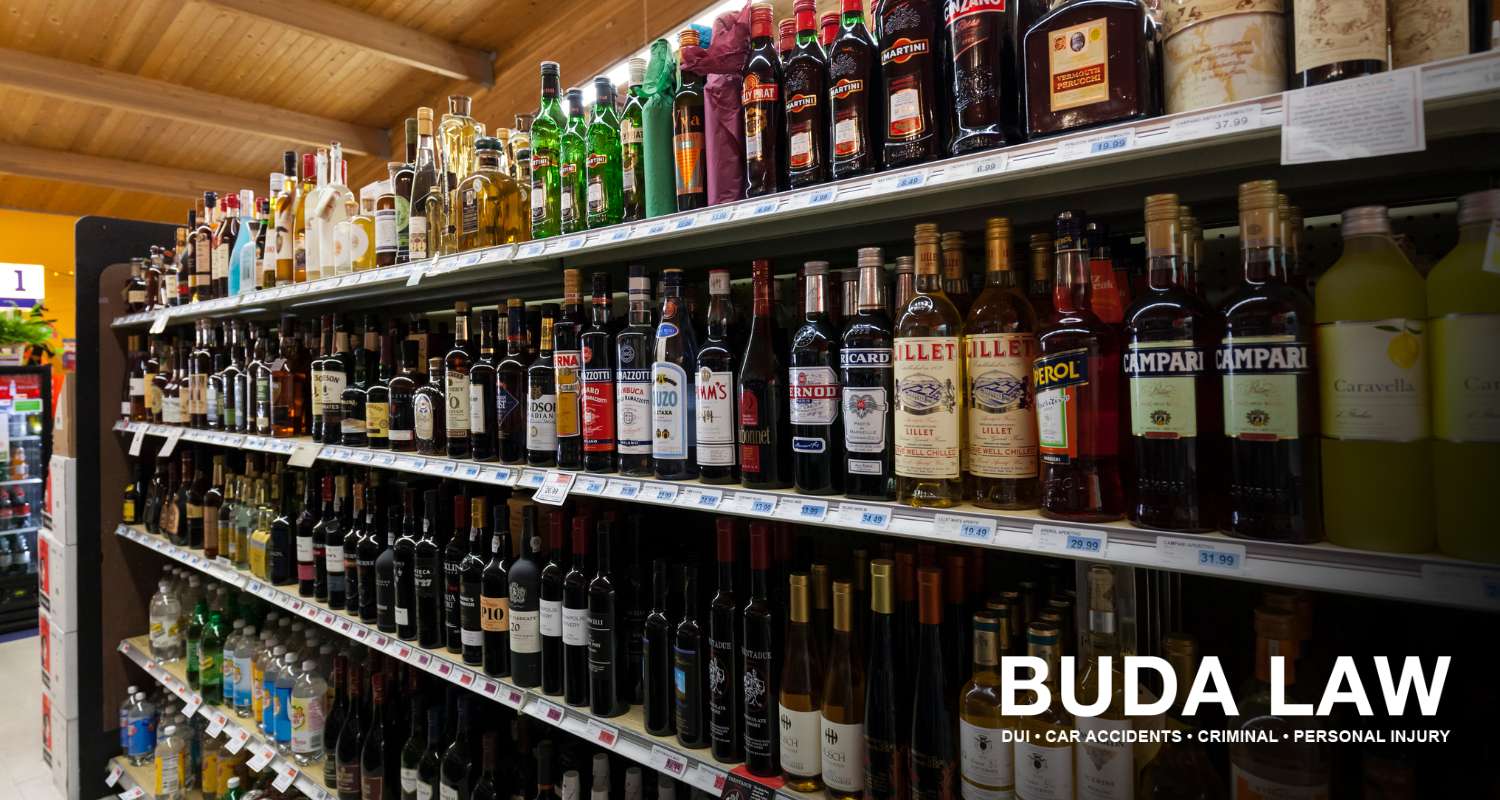
For off-premise consumption, such as purchasing a bottle of wine or spirits from a liquor store or grocery store, the hours of sale are often more restricted. These establishments typically cannot sell alcohol as late as bars or restaurants. Common closing times for liquor stores might be around 9:00 PM or 10:00 PM, and for grocery stores selling beer and wine, similar hours often apply.
Special Considerations
- Holidays: On major holidays, such as Christmas, Thanksgiving, or New Year’s Day, some local ordinances might impose additional restrictions or even prohibit alcohol sales altogether. It’s always wise to check local advisories if your visit coincides with a major holiday.
- Local Option: The “local option” is a fundamental concept in Florida alcohol regulation. This means that voters in a county or municipality can decide whether to allow or prohibit the sale of certain types of alcohol, and under what conditions. This can lead to “dry” or “moist” counties where alcohol sales are limited or even banned in certain areas.
Navigating Specific Regions and Cities
Given the localized nature of alcohol sales laws in Florida, it’s essential to be aware of the regulations in the specific areas you plan to visit.
Major Tourist Destinations
Miami-Dade County
In the vibrant heart of South Florida, Miami-Dade County generally allows alcohol sales quite late. Many establishments in cities like Miami and South Beach can serve alcohol until 5:00 AM, especially those with specific nightlife licenses. However, for off-premise purchases from liquor stores or grocery stores, hours are typically more standard, often closing around midnight or earlier.
Orlando and Orange County
The theme park capital of the world, Orlando, and its surrounding Orange County cater to a global tourist audience. Alcohol sales here are generally permitted from 7:00 AM until midnight daily for most establishments, including grocery and convenience stores selling beer and wine. Restaurants and bars might have later hours, aligning with their operational closing times, often extending until 2:00 AM or later, especially in entertainment districts.
Tampa Bay Area

The Tampa Bay area, encompassing cities like Tampa, St. Petersburg, and Clearwater, generally follows similar patterns. Most counties in this region allow alcohol sales from 7:00 AM until midnight on weekdays and Saturdays. Sundays may see slightly earlier closing times for off-premise sales, but bars and restaurants often serve until 2:00 AM.
Florida Keys
The unique island chain of the Florida Keys offers a relaxed atmosphere, and alcohol sales reflect this. While hours are generally aligned with mainland norms, local businesses often have flexibility. In popular spots like Key West, bars and restaurants may serve alcohol late into the night, and off-premise sales are readily available during standard business hours.
Rural vs. Urban Differences
It’s worth noting that rural counties in Florida might have more conservative alcohol sales hours compared to their urban counterparts. In some more sparsely populated areas, you might find that liquor stores close earlier, and Sunday sales could be more restricted. Conversely, large metropolitan areas with robust nightlife scenes tend to have more extended hours to accommodate residents and tourists.
Where to Find Accurate Local Information
Given the variability, how can you ensure you have the most up-to-date information for your specific Florida destination?
Local Government Websites
The most reliable source of information is the official website of the county or city you are visiting. Search for “[County Name] alcohol sales laws” or “[City Name] liquor regulations.” These sites often provide detailed breakdowns of hours, types of licenses, and any specific restrictions.
Tourism Boards and Visitor Centers
Local tourism boards and visitor centers are excellent resources for general information about attractions and activities. While they may not always have the precise minute-by-minute details on alcohol sales, they can often point you in the right direction or provide links to official sources.
Establishment Websites and Direct Contact
If you have a specific restaurant, bar, or store in mind, check their website or call them directly. Most establishments are well aware of their local sales hours and can readily provide this information. This is particularly useful if you’re planning a specific outing or event.
Planning Your Itinerary with Alcohol Sales in Mind
Understanding Florida’s alcohol sales schedule can enhance your trip, preventing unnecessary detours or missed opportunities.
Evening Activities
If your plans involve enjoying a late-night cocktail at a bar in Miami or catching a show in Orlando that ends past midnight, knowing the closing times for establishments is key. In areas with 2:00 AM or 5:00 AM closing times, your evening can extend comfortably.
Grocery Shopping and Picnics
Planning a picnic on one of Florida’s beautiful beaches or a relaxed evening at your resort with a bottle of wine? Be mindful of grocery store and liquor store closing times. If you’re staying in an area where off-premise sales end at 9:00 PM, ensure you make your purchases before then, especially if it’s a Sunday or a day before a holiday.
Resort and Hotel Policies
Many hotels and resorts in Florida have their own bars and restaurants. These establishments typically operate within the local alcohol sales ordinances. If your accommodation offers in-room mini-bars or room service that includes alcoholic beverages, they will also adhere to these regulations. Some upscale resorts might offer exclusive concierge services that can assist with understanding and navigating these local nuances.
Designated Drivers and Transportation
Regardless of when alcohol sales stop, responsible consumption and safe transportation are paramount. If you plan to consume alcohol, arrange for a designated driver, utilize ride-sharing services like Uber or Lyft, or use local taxi services. This ensures your safety and the safety of others on Florida’s roadways.
The “Local Option” Explained
The concept of the “local option” is pivotal. This allows counties and municipalities to vote on whether to permit or restrict alcohol sales. This means you can encounter the following scenarios:
- Wet Counties: Alcohol can be sold without significant restriction.
- Moist Counties: Certain types of alcohol (e.g., beer and wine) can be sold, but not hard liquor, or sales are permitted only in specific zones or establishments.
- Dry Counties: The sale of alcohol is entirely prohibited. While rare in popular tourist areas, they do exist in some parts of Florida.
When planning a trip, especially if it involves visiting multiple counties, a quick search for the “local option” status of each can save considerable time and effort. For instance, a resident of a neighboring “wet” county might find it inconvenient to visit a nearby “dry” area if their primary intention was to purchase alcohol.
By staying informed about these regulations, you can better plan your activities, enjoy the diverse offerings of Florida responsibly, and ensure your vacation or visit is free from any alcohol-related complications. Remember, local laws are in place for a reason, and understanding them is a sign of a well-prepared and respectful traveler.
LifeOutOfTheBox is a participant in the Amazon Services LLC Associates Program, an affiliate advertising program designed to provide a means for sites to earn advertising fees by advertising and linking to Amazon.com. Amazon, the Amazon logo, AmazonSupply, and the AmazonSupply logo are trademarks of Amazon.com, Inc. or its affiliates. As an Amazon Associate we earn affiliate commissions from qualifying purchases.