
When navigating the diverse and often bustling roadways of California, understanding traffic signal regulations is paramount for both safety and efficiency. One particular aspect that frequently sparks curiosity among drivers and visitors alike is the presence and location of intersections where turning right on a red light is prohibited. While the default in California is that a right turn on a red light is permitted unless otherwise posted, there are specific circumstances and locations where this privilege is revoked. Identifying these “no right on red” zones is crucial for avoiding citations and ensuring a smoother driving experience, especially when exploring new cities or unfamiliar routes within the Golden State.

Understanding the Rationale Behind “No Right On Red”
The implementation of “no right on red” restrictions is not arbitrary. It is a proactive traffic management strategy designed to enhance safety and improve traffic flow, particularly in areas with unique or high-risk traffic patterns. These restrictions are most commonly found in densely populated urban environments where pedestrian and cyclist activity is high, or in areas with complex intersection geometries.
Pedestrian and Cyclist Safety
One of the primary drivers for prohibiting right turns on red is to protect vulnerable road users. In busy urban centers, intersections often experience a high volume of foot and bicycle traffic. Drivers making right turns on red, while intending to yield, may have limited visibility of pedestrians stepping off curbs or cyclists approaching from behind. This can lead to dangerous near misses or, tragically, accidents. Cities like San Francisco and Los Angeles, known for their vibrant pedestrian and cycling cultures, often implement these restrictions in key downtown areas and near popular attractions.
Traffic Flow and Congestion Management
In some cases, “no right on red” signs are used to manage traffic flow and reduce congestion. At intersections with heavy cross-traffic or complex signal phasing, allowing right turns on red could impede the flow of vehicles traveling straight or turning left from other directions. This is particularly relevant in major metropolitan areas where commute times can be significant. By restricting right turns on red, traffic engineers aim to synchronize signal cycles more effectively and prevent secondary blockages that can exacerbate delays.
Intersection Design and Visibility Issues
The physical layout of an intersection can also necessitate “no right on red” restrictions. Intersections with limited sight lines due to buildings, landscaping, or sharp curves can make it difficult for drivers to safely assess oncoming traffic or pedestrian movement when attempting a right turn on red. In such scenarios, a blanket prohibition ensures that all turns are made with a green light, providing a more controlled and predictable flow of traffic.
Common Locations for “No Right On Red” Signs in California
While specific signage is always the definitive indicator, certain types of locations and geographical areas within California are more prone to having “no right on red” restrictions. Recognizing these patterns can help drivers anticipate where these signs might be encountered.
Downtown Cores and Central Business Districts
The heart of most major California cities, such as the downtown areas of Los Angeles, San Francisco, San Diego, and Sacramento, are prime candidates for “no right on red” restrictions. These districts are characterized by high population density, significant pedestrian and cyclist activity, numerous office buildings, and busy retail establishments. Intersections here are often subject to intense scrutiny for safety and efficiency, leading to widespread implementation of these rules.
Areas Surrounding Major Transportation Hubs
Intersections in close proximity to major transit stations, airports, and ferry terminals often experience a higher volume of both vehicular and pedestrian traffic. For instance, areas around Union Station in Los Angeles or near SFO Airport might have these restrictions to manage the complex movements of travelers and ground transportation.
School Zones and Pedestrian-Heavy Educational Campuses
In California, safety around schools is a top priority. Intersections adjacent to elementary, middle, and high schools, especially during drop-off and pick-up times, may have “no right on red” signs. This is particularly true for areas with large campuses or those located on busy thoroughfares where child pedestrian traffic is a concern. Universities and community college campuses, with their significant student populations and frequent pedestrian movement, are also common sites for these restrictions.

Tourist Hotspots and Entertainment Districts
Popular tourist destinations and bustling entertainment districts, such as those in Anaheim (near Disneyland Resort), Hollywood, or the Gaslamp Quarter in San Diego, often see “no right on red” signs implemented. These areas draw large crowds, increasing the need for enhanced pedestrian safety measures.
Residential Areas with Specific Traffic Concerns
While less common than in urban cores, some residential areas might have “no right on red” restrictions if specific traffic studies have identified unique safety hazards. This could include intersections with poor sight lines, high-speed approaches, or a history of pedestrian-involved incidents.
Intersections with Specific Signal Phasing
Certain complex intersections with intricate signal phasing may be designed to prohibit right turns on red to prevent conflicts with other traffic movements. This is often seen in areas where dedicated left-turn or protected straight-through phases require a clear intersection.
Identifying “No Right On Red” Signs: What to Look For
The most straightforward way to know if a right turn on red is prohibited is by observing the traffic signals and accompanying signs. California law mandates that such restrictions must be clearly indicated.
The Universal Symbol
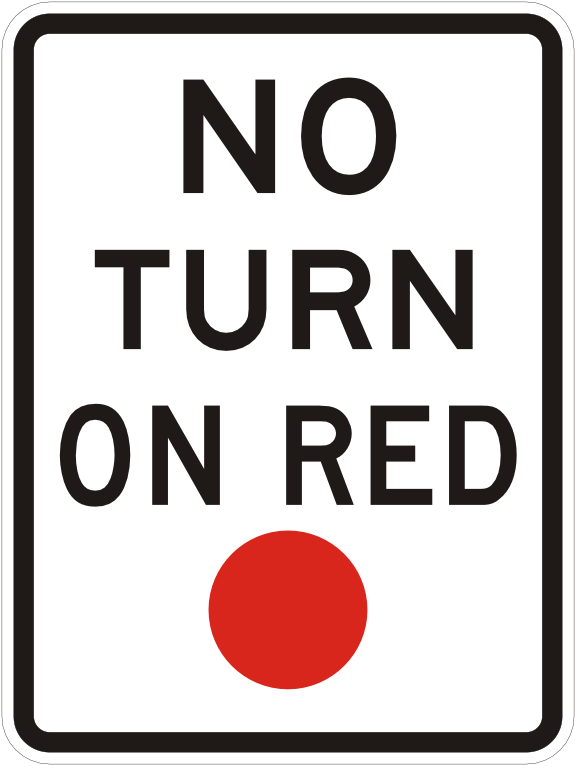
The most common indicator is a rectangular white sign with black lettering that reads “NO RIGHT TURN ON RED” or “NO TURN ON RED.” These signs are typically placed below or adjacent to the traffic signal heads controlling the right turn movement.
Red, White, and Black Color Scheme
Traffic signs in California adhere to specific color and design standards. “No right on red” signs will invariably be white with black lettering, or sometimes feature a red circle and slash over a right-turn arrow symbol, indicating prohibition.
Contextual Clues and Driver Etiquette
While signs are definitive, experienced drivers often develop an intuition for where these restrictions are likely to be. Observing how other drivers behave at an intersection can also provide clues, though relying solely on this is not advisable. Always prioritize the posted signage.
Consulting Local Traffic Information
For drivers planning extensive travel within a specific California city or region, it can be beneficial to research local traffic regulations or consult maps that may indicate known “no right on red” zones. Some navigation apps are beginning to incorporate this information, though its accuracy can vary.
Consequences of Violating “No Right On Red” Rules
Ignoring “no right on red” signs can lead to citations and penalties. A violation typically results in a moving violation, which can affect your California driver’s license points and insurance premiums. Furthermore, the primary purpose of these rules is safety, and disregarding them can put oneself and others at risk of serious injury or worse. Understanding and adhering to these regulations is not just about avoiding fines but about contributing to safer roads for everyone in California. When in doubt, wait for the green light.
LifeOutOfTheBox is a participant in the Amazon Services LLC Associates Program, an affiliate advertising program designed to provide a means for sites to earn advertising fees by advertising and linking to Amazon.com. Amazon, the Amazon logo, AmazonSupply, and the AmazonSupply logo are trademarks of Amazon.com, Inc. or its affiliates. As an Amazon Associate we earn affiliate commissions from qualifying purchases.