
Florida, often dubbed the Sunshine State, conjures images of endless summer, sun-drenched beaches, and balmy evenings. While its tropical and subtropical climate is undoubtedly one of its primary draws, a common question among prospective visitors and new residents alike is: “When does it actually cool down?” For those planning a trip, understanding the state’s climate cycles is crucial for a comfortable and enjoyable experience, whether you’re dreaming of theme park adventures, beach relaxation, or exploring natural wonders. Unlike many other states in the United States that experience four distinct seasons, Florida’s seasonal transitions are more nuanced, primarily oscillating between a long, hot, and humid wet season and a drier, milder, and significantly more pleasant cool season. Pinpointing the exact onset of cooler weather can vary depending on where you are in this vast peninsula, from the northern panhandle to the southernmost Florida Keys, but general patterns offer reliable guidance for travelers. This comprehensive guide will delve into the intricacies of Florida’s climate, helping you identify the ideal windows for experiencing the state at its coolest and most comfortable, ensuring your travel plans align perfectly with your desired weather conditions.
Understanding Florida’s Climate Seasons
Florida’s climate is heavily influenced by its latitude, surrounded by the warm waters of the Atlantic Ocean and the Gulf of Mexico. This geographical positioning results in a climate that ranges from humid subtropical in the northern and central parts to tropical in the southern regions. Consequently, the perception of “cooling down” is relative, especially for those accustomed to true winters.
The Long Summer: May to October
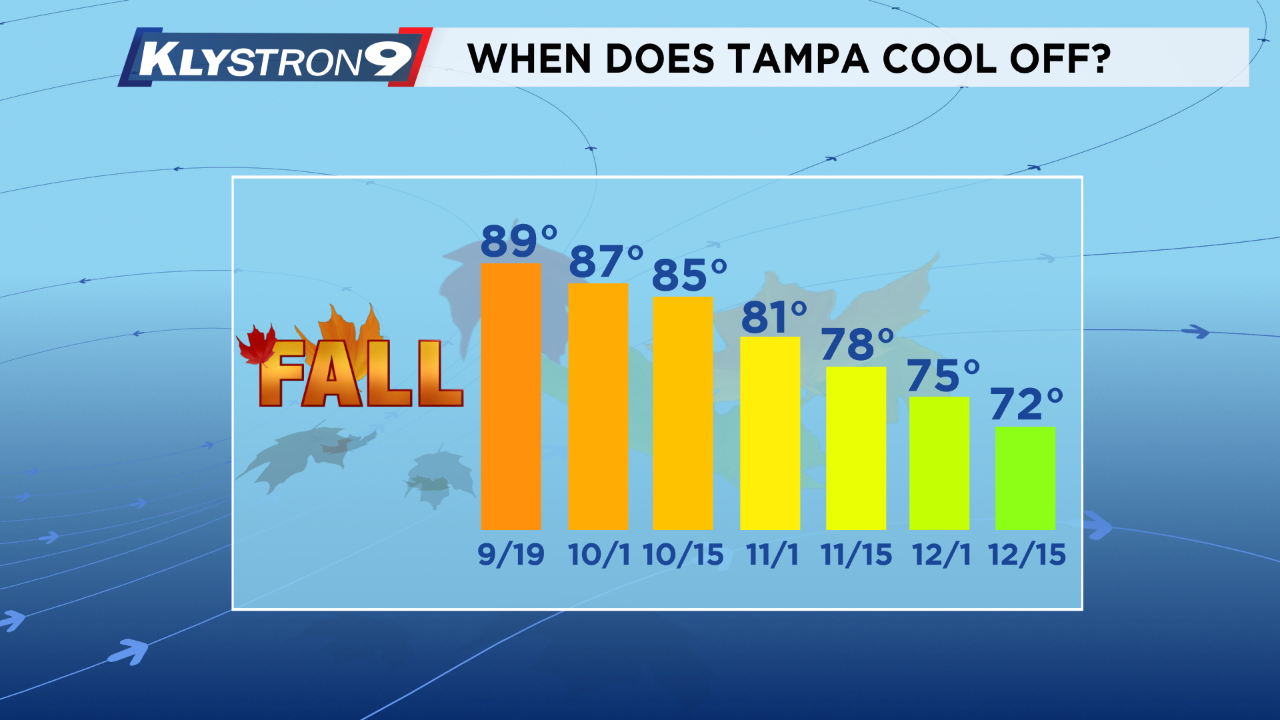
For much of the year, particularly from late May through October, Florida is firmly in its hot and humid season. Temperatures during these months typically range from the high 80s to low 90s Fahrenheit (around 30-35°C), often feeling even hotter due to high humidity. This period is also characterized by a daily pattern of afternoon thunderstorms, which, while intense, often provide a temporary respite from the heat, albeit increasing humidity further. The ocean waters are at their warmest, making it an ideal time for swimming, but less so for strenuous outdoor activities in the middle of the day. Travelers during these months should prepare for intense sunshine, heat, and humidity, planning activities for early mornings or late afternoons. Cities like Miami, Orlando, and Tampa experience this prolonged summer intensely, with very little variation until late fall.
The Pleasant Transition: November
November marks the beginning of the transition period, a eagerly awaited month for many Floridians and visitors. The oppressive humidity of summer starts to wane, and cold fronts from the north begin to penetrate deeper into the state, bringing noticeably cooler and drier air. While average temperatures might still hover in the 70s Fahrenheit (21-26°C), the feeling is significantly different due to the reduced humidity. Mornings and evenings become crisp and pleasant, especially in Northern and Central Florida. This month offers a sweet spot for those seeking comfortable weather without the peak season crowds and prices, making it excellent for exploring theme parks in Orlando or the historical streets of St. Augustine. Rainfall also significantly decreases, offering more consistent sunny days.
The Peak Cool Season: December to February
The true “cool down” in Florida typically arrives from December through February, which represents the state’s dry season. During these months, average daytime temperatures range from the low to mid-70s Fahrenheit (21-24°C) across most of the state, with nights dipping into the 50s and even 40s (10-15°C). North Florida, including cities like Jacksonville and Tallahassee, might even experience occasional freezing temperatures, though these are rare and short-lived in the central and southern parts. This period boasts the lowest humidity, abundant sunshine, and minimal rainfall, creating ideal conditions for almost any outdoor activity. This is the prime time for snowbirds to flock to the state, and popular destinations like Sarasota, Naples, and the Florida Keys are particularly vibrant. It’s important to note, however, that while cool, truly “cold” weather (below 40°F/4°C) is uncommon outside of the extreme northern reaches.
Spring’s Gentle Warm-up: March and April
As March unfolds, Florida begins its gentle warm-up towards summer. Temperatures gradually rise, typically reaching the high 70s to low 80s Fahrenheit (24-29°C) during the day, with comfortable nights in the 60s (15-20°C). Humidity remains relatively low compared to summer, making these months very pleasant. This period is famous for spring break, attracting students and families to the beaches and theme parks. While the weather is still delightful, you’ll notice the days getting longer and the sun feeling stronger. By late April, the first hints of summer’s humidity start to creep back, particularly in southern Florida, signaling the impending return of the hot season.
Regional Variations in Florida’s Cooling Trends
Florida is a geographically diverse state, stretching over 400 miles from north to south. This considerable length means that the onset and intensity of cooler weather can vary significantly from one region to another, influencing travel experiences and expectations.
North Florida: Cooler Winters, Defined Seasons
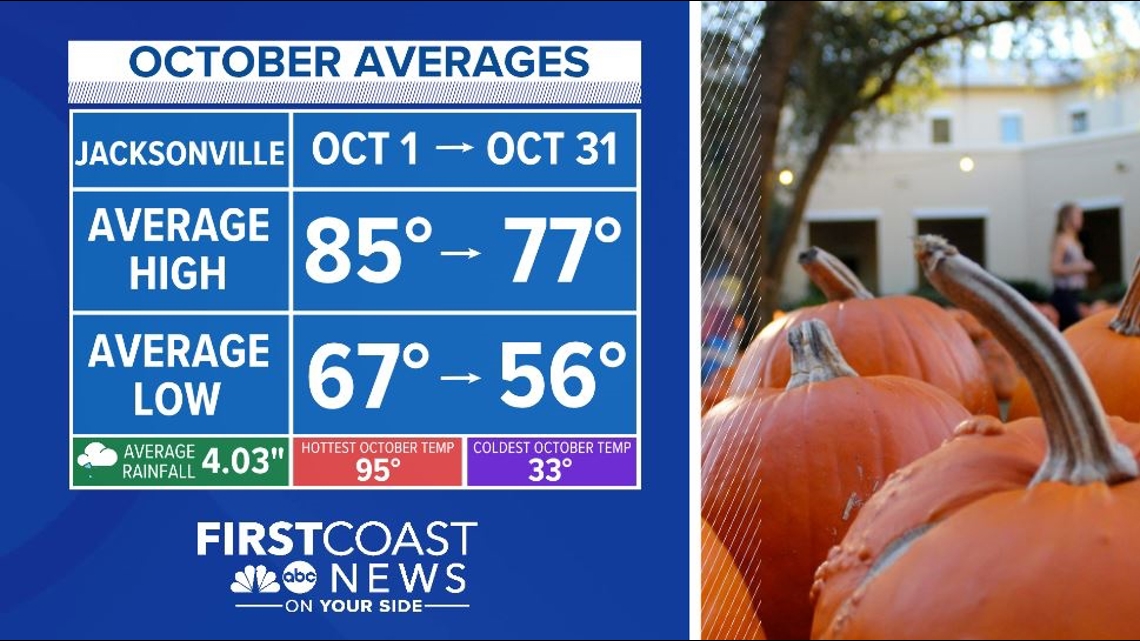
The northernmost parts of Florida, including the Panhandle and cities like Jacksonville and Gainesville, experience the most pronounced cool season. Here, winter (December to February) brings genuinely chilly mornings and evenings, with average lows often dipping into the 40s Fahrenheit (4-9°C) and occasional frosts. Daytime highs are typically in the 60s (15-20°C). This region feels more akin to a mild Southern winter than the tropical climes further south. Trees may even lose their leaves, a sight uncommon elsewhere in the state. Travelers seeking the coolest Florida experience should target this area during these months, where outdoor activities like hiking or exploring historic sites in St. Augustine are particularly enjoyable without the intense heat.
Central Florida: A Milder Middle Ground
Central Florida, home to major tourist hubs like Orlando and Tampa, offers a fantastic middle ground. The cool season here is distinctly pleasant, with dry air and comfortable temperatures. From December to February, average daytime temperatures usually range from the low to mid-70s Fahrenheit (21-24°C), and nights fall into the 50s (10-15°C). While occasional cold fronts can bring temperatures down further, sustained cold weather is rare. This makes it an ideal time for visiting theme parks such as Walt Disney World Resort and Universal Orlando Resort, where walking long distances under the summer sun can be grueling. The mild climate during these months also perfect for golf, outdoor festivals, and exploring nature parks.
South Florida and the Keys: Tropical Warmth Persists
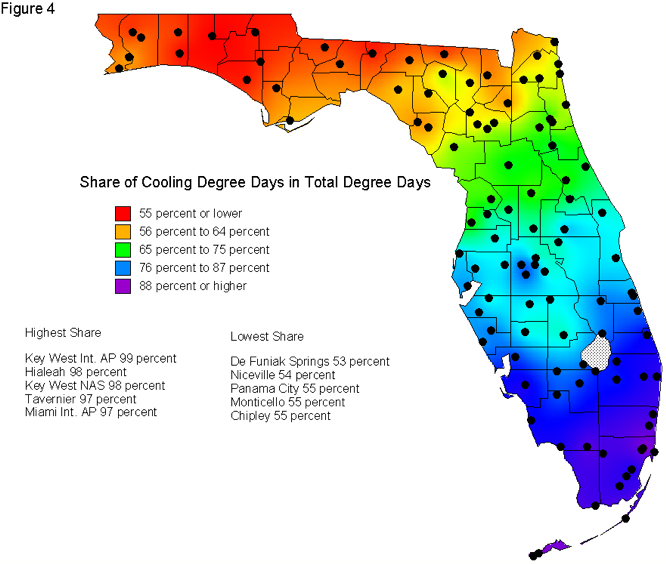
As you venture further south into Florida, particularly in areas like Miami, Fort Lauderdale, Naples, and the Florida Keys, the concept of “cooling down” becomes even more relative. These regions boast a truly tropical climate, meaning dramatic temperature drops are infrequent. During the peak cool season (December to February), average daytime temperatures usually remain in the mid-70s to low 80s Fahrenheit (24-29°C), with nights rarely dipping below the mid-60s (18-20°C). While the humidity drops significantly, providing a much more comfortable feel than summer, true “cool” weather is a rarity. This makes South Florida and the Keys ideal for those seeking warmth even in the middle of winter, perfect for beach days, snorkeling, and enjoying outdoor dining along South Beach. However, those hoping for crisp, autumnal air might find it surprisingly warm.
Activities and Experiences for Each Season
Florida’s diverse climate means that the optimal time for specific activities varies. Aligning your travel goals with the seasonal weather patterns is key to maximizing your enjoyment.
Embracing the Summer Heat: Water-Centric Adventures
While the summer months (May to October) are hot, they are unequivocally the best time for all water-based activities. The Gulf of Mexico and Atlantic Ocean waters are bath-like, making it perfect for swimming, snorkeling, diving, and paddleboarding. Exploring natural springs, which maintain a constant cool temperature year-round, becomes a refreshing escape. Consider visiting coastal cities like Sarasota for its stunning beaches or the Space Coast for surfing. Evening activities, such as airboat tours in the Everglades or enjoying outdoor dining in Key West, also become more tolerable as the sun sets. This period is also when most water parks are in full swing, offering thrilling ways to beat the heat.
Optimal Conditions for Theme Park Visits and Outdoor Exploration
The sweet spot for visiting Florida’s world-renowned theme parks, such as Walt Disney World Resort and Universal Orlando Resort, is undoubtedly during the cooler, drier months from November through April, excluding peak holiday periods. Walking thousands of steps in pleasant 70-degree Fahrenheit (21-26°C) weather with low humidity is far more enjoyable than in the stifling heat of August. Similarly, exploring Florida’s extensive state park system, hiking trails, and wildlife preserves becomes a joy. Kayaking through mangrove tunnels, birdwatching, or cycling along scenic paths are all best experienced when the climate is mild. Destinations like Sanibel Island for shelling or the Big Cypress National Preserve for a swamp walk are truly at their best during this season.
Enjoying Florida’s Natural Beauty in Cooler Weather
The cooler months transform Florida into an outdoor enthusiast’s paradise. The lower temperatures encourage more wildlife activity, making it a prime time for spotting manatees in crystal-clear springs or observing migratory birds. Everglades National Park is far more accessible and comfortable for exploration. Fishing, golf, and outdoor festivals also thrive during this period. Even the beaches, while perhaps too cool for swimming for some, offer perfect conditions for long walks, sunbathing, and enjoying the serene coastal environment without the intense summer crowds. Visiting remote gems like Dry Tortugas National Park or Biscayne National Park by boat becomes a remarkably comfortable and visually stunning experience, allowing for unobstructed views and pleasant outdoor excursions.
Planning Your Trip: Best Times for Different Travel Styles
Understanding Florida’s climate cycles is essential for tailoring your trip to your specific travel style and preferences, ensuring maximum enjoyment and comfort.
For Budget-Conscious Travelers and Avoiding Crowds
If your primary goal is to avoid crowds and potentially secure better deals on accommodation and flights, consider visiting during the shoulder seasons or the tail end of summer. Late August through September and early November can offer a balance of reasonable weather (though September can still be very hot and humid, and is peak hurricane season) and fewer tourists, particularly at major attractions. While the weather might not be at its absolute coolest, the decrease in visitor numbers can significantly enhance the experience, allowing for shorter lines and a more relaxed pace. Keep an eye on hurricane forecasts if traveling in late summer/early fall, as this can impact travel plans.
For Snowbirds and Winter Escapes
For those looking to escape harsh northern winters and bask in consistently warm, comfortable weather, the period from December to April is ideal. This is the peak season for “snowbirds” and general tourism, especially in South Florida and the Florida Keys. While this means higher prices and larger crowds, the trade-off is almost guaranteed sunshine, low humidity, and pleasant temperatures perfect for outdoor recreation, beach days, and enjoying the vibrant social scene. Booking well in advance is highly recommended for travel during these popular months.
For Families and Spring Breakers
Families often travel during school holidays, such as Christmas break, President’s Day week, or spring break (typically March or April). These periods coincide with Florida’s pleasant cool-to-warm transition, offering excellent weather for theme parks and beaches. However, these are also extremely popular times, leading to maximum crowds and peak prices. For families with flexibility, aiming for early December (before Christmas rush) or late April (after most spring breaks) can offer a good compromise of excellent weather and slightly fewer crowds than the absolute peak.
Essential Packing and Preparation Tips
Regardless of when you visit, a few essential packing and preparation tips can help you make the most of your Florida adventure, ensuring comfort in its varied climate.
Layering for Fluctuating Temperatures
Even during the cool season, Florida weather can be unpredictable, with significant temperature swings between day and night, especially in Northern and Central Florida. The key is layering. Pack light long-sleeved shirts, a sweater or light jacket, and perhaps a warmer coat if traveling to North Florida in January. This allows you to adjust your clothing throughout the day as temperatures rise and fall, ensuring comfort whether you’re starting your day in a cool morning or enjoying a breezy evening. Even in South Florida, a light cardigan can be welcome indoors due to air conditioning.
Sun Protection Year-Round
The “Sunshine State” lives up to its name year-round. Regardless of the temperature, the sun’s UV rays in Florida are strong. Always pack and generously apply high SPF sunscreen, wear wide-brimmed hats, and sunglasses. Even on cloudy days or during the cooler months, sunburn can occur quickly. Seeking shade during the peak sun hours (10 AM to 4 PM) is always a wise strategy, especially for those with sensitive skin or traveling with young children.
Staying Hydrated
Hydration is critical in Florida’s climate, regardless of the season. While the humidity might drop during the cooler months, the sun can still be dehydrating. Always carry a reusable water bottle and drink plenty of fluids throughout the day, especially if you’re engaging in outdoor activities or spending long hours at theme parks. Many attractions offer water refill stations, making it easy to stay refreshed.
In conclusion, “cooling down” in Florida is a relative term, but for travelers seeking the most comfortable weather, the period from November through April stands out as the prime window. Within this broader season, December to February offers the coolest, driest, and most consistently pleasant conditions across much of the state, with regional variations providing options for those desiring truly crisp air versus simply lower humidity. By understanding these climatic nuances and planning your trip accordingly, you can perfectly align your Florida adventure with the weather that best suits your desired experiences, ensuring a memorable and enjoyable escape to the Sunshine State.
LifeOutOfTheBox is a participant in the Amazon Services LLC Associates Program, an affiliate advertising program designed to provide a means for sites to earn advertising fees by advertising and linking to Amazon.com. Amazon, the Amazon logo, AmazonSupply, and the AmazonSupply logo are trademarks of Amazon.com, Inc. or its affiliates. As an Amazon Associate we earn affiliate commissions from qualifying purchases.