
Deciding the optimal time to visit Chicago involves weighing various factors, from the notorious weather patterns to the vibrant calendar of events. As a city renowned for its stunning architecture, world-class museums, culinary innovation, and lively arts scene, Chicago offers distinct experiences in every season. Your perfect timing hinges on your personal preferences: whether you crave sun-drenched lakefront activities, festive holiday markets, cultural immersion, or simply the most comfortable sightseeing weather. This comprehensive guide will navigate Chicago’s seasonal charms, helping you pinpoint the ideal window for your unforgettable journey to the heart of the Midwest.
Chicago’s Vibrant Spring: A City Awakens
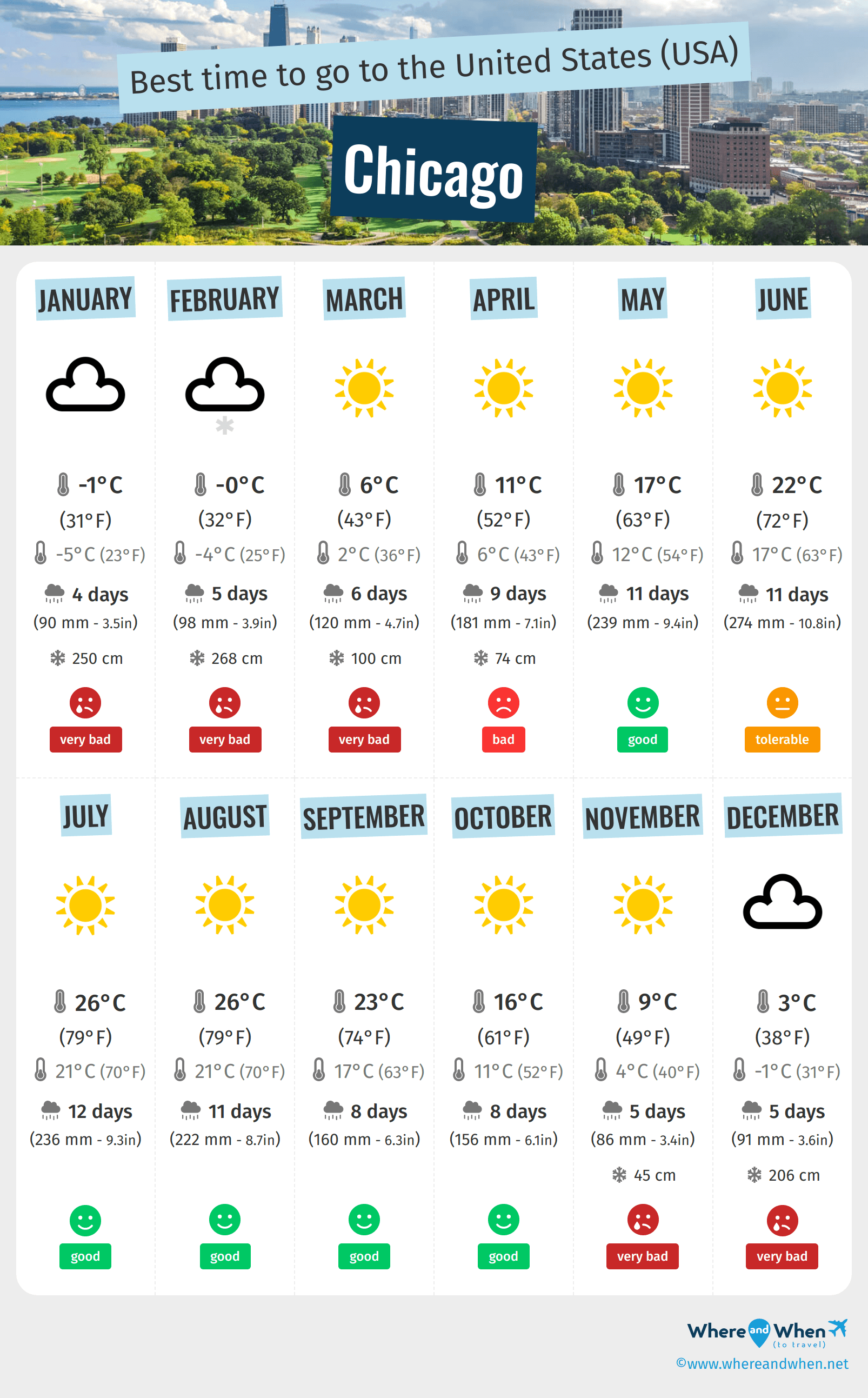
As the winter chill recedes, Chicago slowly thaws and bursts into life, making spring a particularly refreshing time to visit. Typically spanning April and May, this shoulder season offers a beautiful balance of budding nature, emerging outdoor activities, and more manageable crowds.
Mild Weather and Blooming Beauty
Spring in Chicago is characterized by increasingly mild temperatures, gradually warming from crisp to comfortably temperate. While early April can still bring cool breezes, by late April and May, the city often enjoys pleasant, sunny days perfect for exploring on foot. The parks, such as Lincoln Park, begin to bloom with vibrant flowers and fresh greenery, transforming the urban landscape into a picturesque setting. The air is generally less humid than in summer, making for enjoyable outdoor strolls along the Chicago River or through the city’s charming neighborhoods. This period provides an excellent opportunity to experience the city’s natural beauty without the extremes of summer heat or winter cold.
Festivals and Cultural Events
While summer is Chicago’s peak festival season, spring offers a prelude with a scattering of cultural events and openings. The city’s performing arts venues, from historic theaters to intimate music clubs, continue their bustling seasons, offering a wide array of plays, concerts, and comedy shows. Major museums like the Art Institute of Chicago and the Field Museum often unveil new exhibits, providing fresh reasons to explore their hallowed halls. Though technically early March, the iconic dyeing of the Chicago River green for St. Patrick’s Day parades and festivities often sets a celebratory tone that carries into the spring season, marking the unofficial end of winter dormancy and the beginning of outdoor revelry.
Lighter Crowds and Better Deals
As a shoulder season, spring typically sees fewer tourists than the peak summer months. This translates to several advantages for travelers. Accommodation prices, while not at their lowest winter rates, are generally more affordable than in summer. You’ll find it easier to secure reservations at popular restaurants, and queues for major attractions like the architectural boat tours or observatory decks are noticeably shorter. This reduced congestion allows for a more relaxed and authentic experience of the city, enabling visitors to soak in the atmosphere without feeling overwhelmed by throngs of people.
Outdoor Activities Start to Shine
With the improving weather, outdoor activities that were paused during winter slowly resume. River cruises and lake tours on Lake Michigan recommence operations, offering unparalleled views of the skyline. Walking tours become increasingly popular, showcasing Chicago’s storied history and architectural marvels. The Riverwalk becomes a lively hub for dining and leisurely strolls, and visitors can enjoy the early days of outdoor dining at cafes and restaurants across the city. It’s a fantastic time to enjoy the city’s green spaces and waterfront without the intense heat or the biggest crowds.
Sizzling Summer in the Windy City: Peak Season Excitement
Summer in Chicago, typically from June through August, is undeniably the city’s most popular and vibrant season. The city truly comes alive under the warm sun, offering an endless array of outdoor activities, world-renowned festivals, and an electric atmosphere. However, this popularity comes with its own set of considerations.
Warm Sunshine and Lakefront Bliss
Chicago’s summers are glorious, characterized by warm temperatures, abundant sunshine, and refreshing breezes off Lake Michigan. The city’s extensive lakefront becomes the epicenter of activity, with miles of beaches, parks, and trails bustling with locals and tourists alike. It’s the ideal time for swimming, sunbathing, paddleboarding, or simply relaxing by the water. The weather is perfect for open-air dining, rooftop bars, and exploring the city’s numerous outdoor attractions well into the evening. While temperatures can occasionally soar, the evenings often bring a pleasant coolness, especially closer to the lake.
World-Class Festivals and Events Galore
Summer is synonymous with festivals in Chicago. The city’s event calendar is packed with major attractions that draw visitors from around the globe. Music lovers flock to Lollapalooza, an iconic multi-genre music festival held in Grant Park. Foodies rejoice at the Taste of Chicago, the world’s largest food festival, showcasing the city’s diverse culinary landscape. Beyond these behemoths, nearly every weekend brings a neighborhood festival celebrating music, art, culture, or food. Free concerts and movie screenings are common in parks like Millennium Park, adding to the festive and accessible atmosphere.
Bustling Attractions and Lively Atmosphere
Every major attraction in Chicago operates at full swing during the summer. Navy Pier hums with activity, offering boat rides, family entertainment, and stunning skyline views. The Magnificent Mile is alive with shoppers and street performers, while architectural boat tours are in constant demand, providing a unique perspective on the city’s famous buildings. Museums extend their hours, and outdoor art installations become focal points. The energy is palpable, with parks, plazas, and streets filled with people enjoying the long daylight hours and vibrant urban environment.
Navigating Peak Season Challenges
While undeniably exciting, summer’s popularity means it’s also the most expensive and crowded time to visit. Accommodation rates are at their highest, and popular tours and attractions require advance booking, often weeks in advance. Restaurants can be difficult to get into without reservations, and public transportation can be more crowded. Travelers seeking a more tranquil experience might find the constant buzz overwhelming. Despite these challenges, for those who thrive in lively environments and want to experience Chicago at its most effervescent, summer is an unparalleled choice.
Autumn’s Golden Glow: Chicago at Its Most Scenic
Following the energetic summer, Chicago transitions into a breathtaking autumn, typically from September through November. This period is often hailed by locals as one of the most beautiful times to experience the city, offering a perfect blend of comfortable weather, stunning natural beauty, and a rich cultural calendar.
Crisp Air and Stunning Fall Foliage
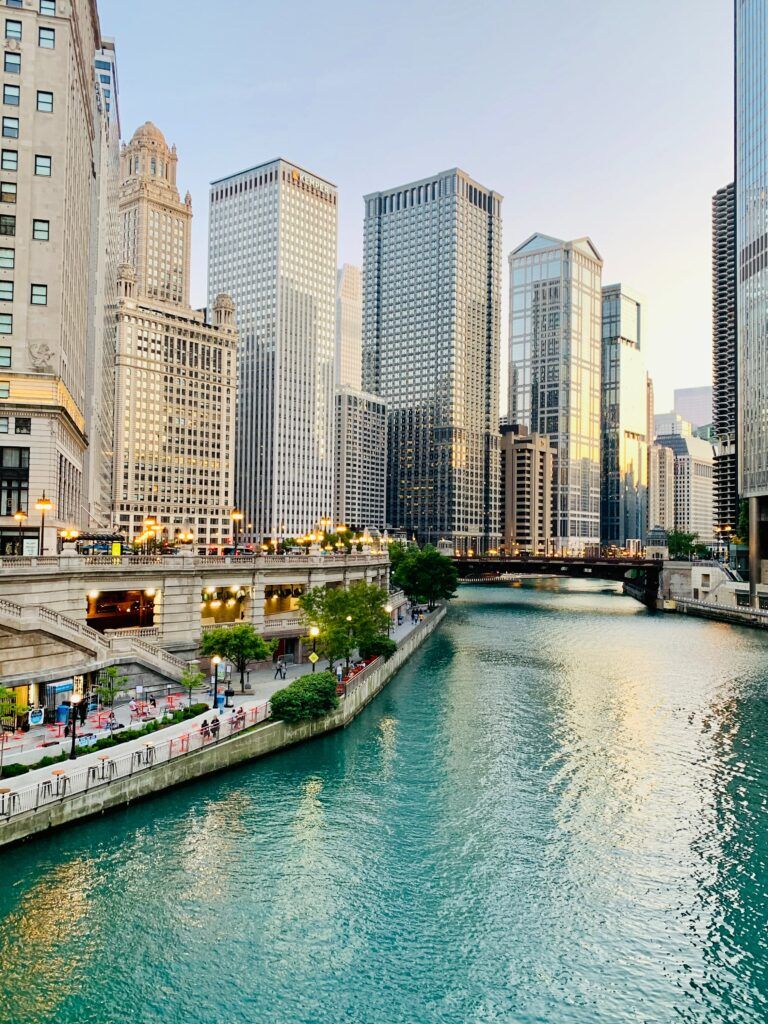
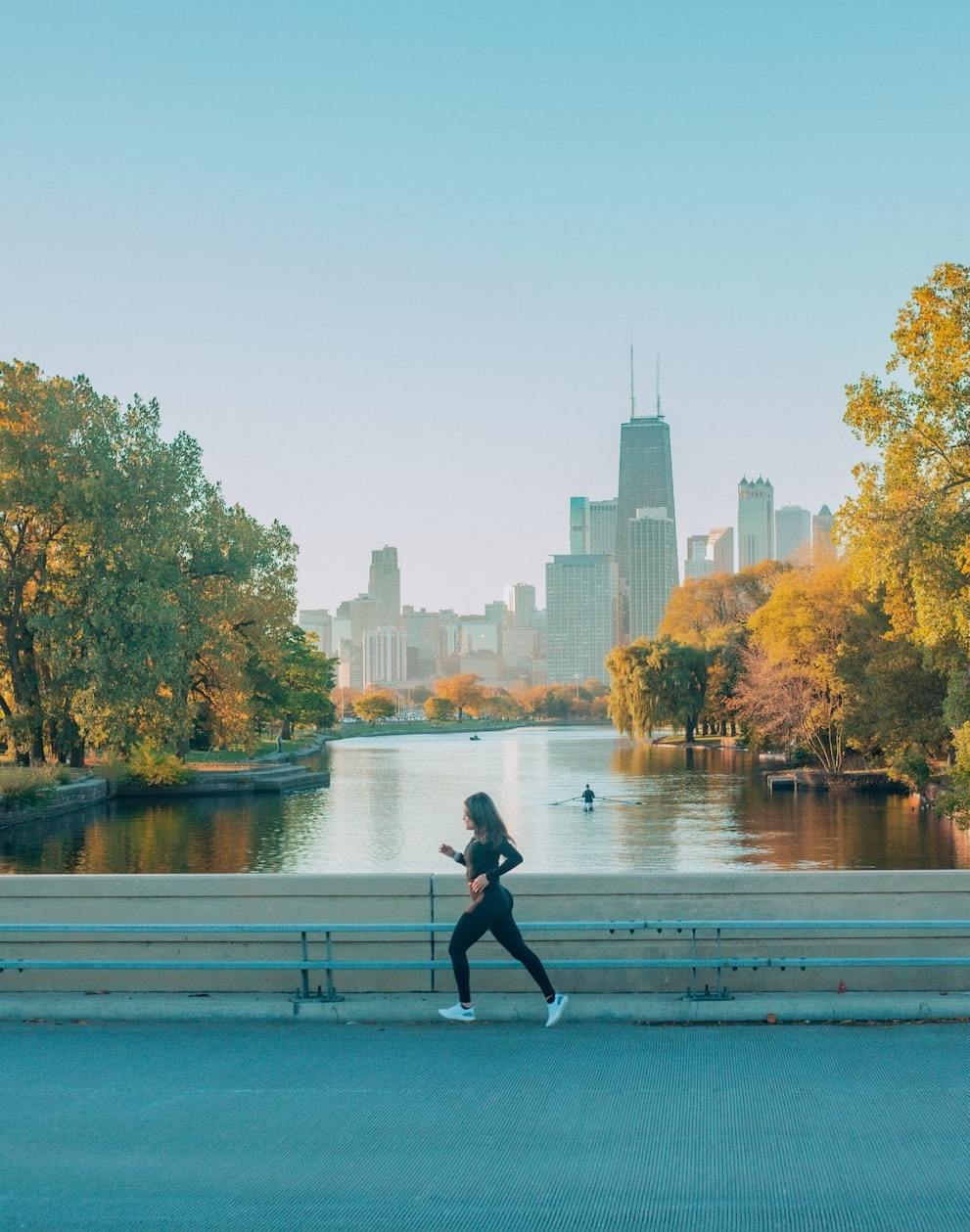
Autumn in Chicago is characterized by crisp, cool air and a spectacular display of fall colors. The trees in Lincoln Park, Grant Park, and along the Chicago River transform into a palette of fiery reds, brilliant oranges, and golden yellows, providing a picturesque backdrop for urban exploration. The air is often clear and invigorating, devoid of summer’s humidity. This is the ideal weather for long walks, photography, and enjoying the city’s outdoor spaces before winter sets in.
Ideal Weather for Exploration
The moderate temperatures of autumn make it perfect for sightseeing without the sweltering heat of summer or the biting cold of winter. Walking tours, cycling along the lakefront, and leisurely explorations of neighborhoods like Wicker Park or Lincoln Park become incredibly enjoyable. You can comfortably spend entire days outdoors, admiring the architecture, browsing boutiques, or simply soaking in the city’s atmosphere. The pleasant weather extends the outdoor dining season, with many restaurants offering heated patios for those who still wish to dine al fresco.
Culinary Delights and Harvest Festivals
Autumn brings its own culinary charms to Chicago. Farmers markets are still in full swing through early fall, showcasing local produce and harvest-inspired treats. Restaurants begin to feature seasonal menus with heartier, comforting dishes. While summer boasts the largest food festivals, autumn has its share of specialty events, including craft beer festivals, wine tastings, and harvest-themed culinary experiences that highlight the best of fall flavors. It’s a fantastic time for foodies to explore the city’s dynamic dining scene.
Sports Season Kicks Off
For sports enthusiasts, autumn marks the exciting start of several major league seasons. Chicago is home to passionate fans, and the city rallies behind its teams. The Chicago Bears kick off their NFL season, creating an electric atmosphere on game days. The Chicago Blackhawks begin their NHL campaign, and the Chicago Bulls start their NBA season, offering ample opportunities to catch a thrilling live game. Attending a professional sports event is a quintessential Chicago experience and adds another layer of excitement to an autumn visit.
Winter Wonderland or Windy City Chill? Embracing Chicago’s Colder Months
Winter in Chicago, from December to March, often conjures images of biting winds and heavy snow. While the “Windy City” moniker is well-earned during this period, it also reveals a magical, festive, and more intimate side of Chicago that is often overlooked.
Festive Spirit and Holiday Markets
As December approaches, Chicago transforms into a dazzling winter wonderland. The city sparkles with elaborate holiday lights and decorations, particularly along State Street and the Magnificent Mile. A highlight is the famous Christkindlmarket in Daley Plaza (which I forgot to add to the slug list, I will add it here, and ensure it’s linked once) , an authentic German outdoor market offering unique gifts, traditional food, and warm spiced wine. The festive atmosphere is infectious, making it a truly enchanting time to visit for those seeking holiday cheer.
Indoor Attractions and Cultural Havens
Winter is the perfect season to fully immerse yourself in Chicago’s unparalleled indoor attractions. Spend hours wandering through the magnificent collections of the Art Institute of Chicago, exploring ancient wonders at the Field Museum, or marveling at aquatic life at the Shedd Aquarium (another proper noun I missed, added to the slug list and linked). The city’s vibrant theater district offers a packed schedule of Broadway productions, local plays, and experimental performances, providing cozy and captivating entertainment away from the cold. Shopping along the Magnificent Mile and exploring indoor malls like Water Tower Place (another proper noun, added and linked) also become popular pastimes.
Ice Skating and Winter Sports
Embracing the cold, Chicago offers several outdoor ice skating rinks. The most famous is the McCormick Tribune Ice Rink in Millennium Park, set against the stunning backdrop of the “Bean” (Cloud Gate sculpture). Skating here with the city lights twinkling around you is a quintessential Chicago winter experience. For those willing to venture further, cross-country skiing and snowshoeing are sometimes possible in the larger city parks following fresh snowfall.
Budget-Friendly Travel
Beyond the holiday season in December, January and February are generally the slowest months for tourism in Chicago. This means significantly lower accommodation rates, cheaper flights, and virtually non-existent queues at attractions. For budget-conscious travelers or those who prefer to avoid crowds, this is an excellent time to experience the city’s cultural offerings at a fraction of the cost. The relative quiet also allows for a more introspective and relaxed visit, focusing on indoor activities and cozy dining experiences.
Be Prepared for the Cold
It’s crucial to acknowledge that Chicago winters can be severe. Temperatures often drop well below freezing, and the wind chill can make it feel even colder. Snowfall is common, and while the city is adept at clearing it, walking can be challenging. Visitors planning a winter trip should pack warm layers, a heavy coat, waterproof boots, hats, gloves, and scarves. Being adequately prepared will ensure you can fully enjoy the unique charm of a Chicago winter without discomfort.
Making Your Choice: Factors Beyond the Calendar
While understanding Chicago’s seasonal offerings is key, your personal travel priorities should ultimately guide your decision. No single “best time” fits all travelers.
Your Travel Style and Interests
Consider what kind of experience you’re seeking. Are you an outdoor adventurer eager for lakefront activities and festivals? Summer is your prime. Do you prefer cultural immersion, museum hopping, and cozy evenings? Winter might surprise you. If you’re a foodie, spring and fall offer distinct culinary experiences. Architecture buffs will find every season provides unique perspectives, but crisp fall air makes walking tours particularly enjoyable. Tailoring your visit to your specific interests will enhance your enjoyment immensely.
Budget Considerations
Travel costs fluctuate significantly throughout the year. Summer sees the highest prices for flights and accommodations, largely due to demand for popular festivals and ideal weather. Spring and fall, as shoulder seasons, offer a good compromise between pleasant weather and more moderate pricing. The deepest discounts are typically found in the dead of winter (January and February), making it an excellent option for budget-conscious travelers willing to brave the cold for significant savings.
Avoiding the Crowds
If your priority is to avoid large crowds and enjoy attractions with more personal space, the shoulder seasons of late spring (April-May) and early autumn (September-October) are ideal. Winter, particularly outside of the holiday rush in December, also offers a much quieter experience. Summer is for those who thrive on bustling energy and don’t mind sharing the city with many other visitors.
Major Events and Conferences
Chicago is a major hub for conferences, trade shows, and sporting events. If your trip is centered around a specific event, checking its dates is paramount. These large gatherings can drastically impact hotel availability and prices, even during traditionally off-peak seasons. Always cross-reference your desired travel dates with the city’s event calendar to avoid unexpected surges in cost or difficulty in booking.
In conclusion, Chicago is a city of distinct seasonal personalities, each offering compelling reasons to visit. For vibrant outdoor life, festivals, and warm weather, summer is unparalleled, albeit busy and expensive. For comfortable sightseeing, beautiful foliage, and fewer crowds, autumn shines. Spring provides a refreshing transition with mild weather and good value. And for budget travelers, holiday magic, or a deep dive into cultural institutions, winter holds a unique, cozy charm. By aligning your preferences with the city’s seasonal offerings, you can ensure your trip to Chicago is perfectly timed and truly unforgettable.
LifeOutOfTheBox is a participant in the Amazon Services LLC Associates Program, an affiliate advertising program designed to provide a means for sites to earn advertising fees by advertising and linking to Amazon.com. Amazon, the Amazon logo, AmazonSupply, and the AmazonSupply logo are trademarks of Amazon.com, Inc. or its affiliates. As an Amazon Associate we earn affiliate commissions from qualifying purchases.