
California, often synonymous with perpetual sunshine and warm beaches, presents a deceptively simple façade to the uninitiated traveler. While its golden coasts and Mediterranean climate are undeniable draws, the reality of its vast and varied geography paints a far more complex picture when it comes to the onset of colder weather. Far from being a monolithic climatic zone, the Golden State is a tapestry of microclimates, each with its own seasonal rhythm, dictating when the crisp autumn air transitions into the biting chill of winter. For anyone planning a trip, understanding these regional nuances is paramount to packing appropriately, choosing the right activities, and ultimately, enjoying a truly fulfilling California experience, whether you’re seeking a winter wonderland or a mild escape from harsher climes.
The question of “when does it get cold” in California isn’t a matter of a single date on the calendar, but rather a journey across diverse landscapes. From the snow-capped peaks of the Sierra Nevada to the mild desert oases, and from the foggy coastal stretches to the sun-baked inland valleys, “cold” means something different everywhere you go. This guide delves into these distinct climatic zones, providing an insightful look into the seasonal shifts that transform the state, helping travelers better anticipate and prepare for their adventures.
California’s Diverse Climates: A Land of Microclimates
To truly grasp when the cold arrives in California, one must first appreciate its incredible geographical diversity. The state stretches over a thousand miles from north to south and boasts an elevation range from below sea level in Death Valley to over 14,000 feet at Mount Whitney. These extremes create a spectacular array of microclimates, each with its unique temperature patterns and seasonal characteristics.
Coastal Regions: Mild Winters and Crisp Autumns
Along the Pacific Coast, from San Diego in the south to the redwood forests of the north, the climate is largely influenced by the ocean. This maritime influence moderates temperatures year-round, resulting in mild winters and relatively cool summers. For cities like Los Angeles and San Francisco, the concept of “cold” is often quite relative. Temperatures in these areas rarely drop below freezing, even in the heart of winter.
The transition to colder weather here is gradual. While summer officially ends in September, often the warmest month along the coast due to the dissipation of the notorious “June Gloom,” a noticeable crispness begins to set in by late October. Nights become distinctly cooler, requiring a light jacket, and by November, daytime temperatures might hover in the low 60s Fahrenheit (15-18°C), with evenings dipping into the 40s (4-9°C). The true “cold” of winter (December through February) usually means consistent daytime highs in the mid-50s to low 60s (13-18°C) and nighttime lows in the 40s (4-9°C), accompanied by increased rainfall. Snow is an exceedingly rare phenomenon at sea level in these regions.
Inland Valleys: Distinct Seasons and Winter Fog
Moving inland, away from the ocean’s moderating effect, the seasons become far more pronounced. The Central Valley, home to major agricultural areas and cities like Sacramento and Fresno, experiences scorching summers and distinctly chilly winters. Here, “cold” arrives earlier and is more intense than on the coast.
By late September or early October, the intense summer heat begins to wane, and by November, residents are accustomed to brisk mornings and evenings. The real cold sets in from December through February, with average daytime temperatures in the 40s and 50s (4-15°C) and nighttime lows frequently dropping to freezing or below. A defining characteristic of winter in the Central Valley is the notorious “Tule fog,” a dense ground fog that can persist for days, creating extremely cold and damp conditions, and significantly impacting travel.
Mountain Regions: Early Snowfall and True Winter
For those truly seeking a cold California experience, the mountain ranges, particularly the Sierra Nevada, are where winter arrives earliest and in its most dramatic form. Destinations like Lake Tahoe and Mammoth Lakes are renowned for their abundant snowfall and ski seasons.
Higher elevations can see their first significant snowfall as early as October, though these early dustings often melt. By mid-November, consistent cold temperatures mean snow begins to accumulate, and by December, ski resorts are typically in full swing. Winter here is characterized by sustained freezing temperatures, heavy snowfall, and icy conditions, often lasting well into March or even April at higher elevations. Daytime temperatures during the peak winter months are often below freezing, and nighttime lows can plunge significantly.
Desert Regions: Cooler Winters as Peak Season
Paradoxically, in California’s desert regions, such as Palm Springs or areas within Death Valley National Park, the “cold season” is actually the peak tourist season. After blistering summers where temperatures can exceed 100°F (38°C), the arrival of cooler weather is a welcome relief.
The transition begins in October, with temperatures becoming more comfortable for outdoor activities. By November, daytime highs are often in the pleasant 70s (21-26°C), and nights become refreshingly cool, dropping into the 40s or 50s (4-15°C). The “coldest” months, December and January, typically see daytime temperatures in the 60s (15-20°C) and nighttime lows in the 30s or 40s (0-9°C). While rarely truly freezing during the day, the desert nights can be quite crisp, making it an ideal escape for those seeking mild winter warmth without the humidity.
Pinpointing the Onset of Cold: A Seasonal Breakdown
Understanding the generalized climate zones provides a foundation, but a more granular look at the seasonal progression offers clearer guidance for travelers.
Autumn’s Gentle Chill (September – October)
For much of California, September still feels like an extension of summer, particularly along the coast. However, as October progresses, a distinct shift occurs. In the Central Valley and high deserts, the oppressive summer heat breaks, making way for pleasant, warm days and noticeably cooler, sometimes chilly, nights. Coastal areas begin to experience more reliable clear days following the summer fog, with a crispness in the air by evening. Crucially, the mountain ranges, especially the higher elevations of the Sierra Nevada, start receiving their first dustings of snow in October, signaling the impending winter sports season.
Winter’s Embrace (November – February)
This four-month period represents the true “cold” season across most of California.
- November: A transitional month where the cold firmly establishes itself. Mountain passes may require chains, and ski resorts often begin to open. Coastal cities experience cooler days and nights, with increased chances of rain. Inland valleys see significant temperature drops, with morning frosts becoming common.
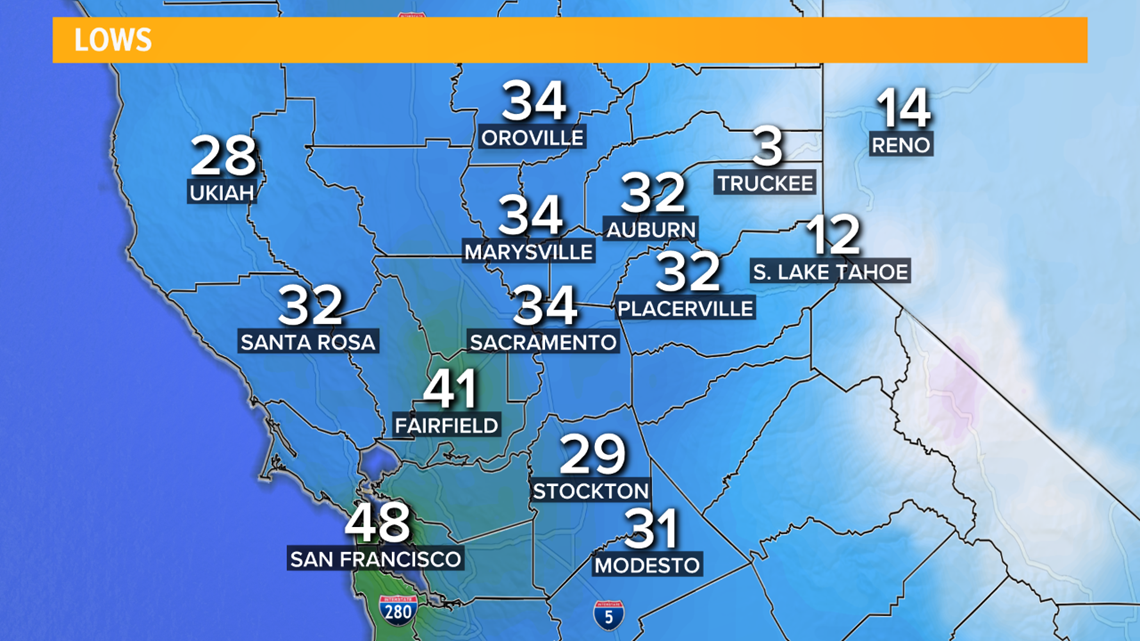
- December – January: These are typically the coldest months statewide. The mountains are blanketed in heavy snow, offering prime conditions for winter sports. The Central Valley is cold and prone to dense fog. Coastal areas receive the bulk of their annual rainfall, and while temperatures remain mild by national standards, the dampness can make it feel colder. Desert regions maintain pleasant daytime temperatures but can have very cold nights.
- February: Still very much winter, especially in the mountains where snow depths are often at their peak. Coastal and inland areas begin to see hints of spring, with occasional warmer days, but cold snaps and rain are still frequent.
Spring’s Lingering Cool (March – April)
While spring officially begins in March, cold weather can linger, particularly at higher elevations. Mountain ski resorts often remain open through March and sometimes into April, offering excellent spring skiing conditions. Lower elevations and coastal areas generally experience a gradual warming, with milder days and fewer cold nights. However, travelers should still be prepared for variable weather, as cool fronts and rain showers can still occur.
Preparing for California’s Colder Weather Travel
Understanding the seasonality is key, but practical preparation ensures a comfortable and enjoyable trip, regardless of when “cold” arrives.
Packing Essentials: Layers Are Your Best Friend
Given California’s microclimates, versatility in packing is crucial. Layers are non-negotiable. Even in coastal cities, a sunny day can turn into a chilly, windy evening.
- For Coastal/Inland Trips: Bring light sweaters, long-sleeved shirts, a medium-weight jacket (waterproof if possible), and scarves. Jeans or comfortable trousers are appropriate.
- For Mountain Trips: Essential items include thermal base layers, waterproof and insulated jackets and pants, warm hats, gloves, and waterproof snow boots. Wool socks are a must.
- For Desert Trips: Even in winter, days can be sunny and warm, so include lighter clothing. However, evenings will require a warm jacket, hat, and possibly gloves, as temperatures drop dramatically.
Winter Activities and Destinations
The colder months open up a whole new set of activities and unique ways to experience California.
- Skiing and Snowboarding: The Sierra Nevada is home to world-class resorts like Lake Tahoe and Mammoth Mountain, offering incredible winter sports opportunities.
- Cozy Getaways: Explore the wine country of Napa Valley or Santa Barbara with fewer crowds, enjoying fireside tastings.
- Desert Escapes: Winter is the ideal time to hike and explore the national parks in the desert, like Death Valley or Joshua Tree, where temperatures are pleasant for outdoor adventures.
- Whale Watching: The cooler months (especially December to April) are prime time for spotting migrating gray whales along the California coast.
Driving Conditions: Be Prepared
If your travel plans involve driving through mountainous regions during winter, or the Central Valley with its fog, preparation is vital.
- Mountain Passes: Snow chains may be required or recommended. Always check road conditions (e.g., Caltrans) before embarking on a drive to higher elevations. Four-wheel drive or all-wheel drive vehicles with appropriate tires are highly advisable.
- Fog in the Valleys: Tule fog can reduce visibility to mere feet. Drive cautiously, use low-beam headlights, and allow extra travel time.
The Best Time to Visit for Colder Weather Experiences
For those who actively seek out the chillier side of travel, California offers distinct periods and regions for winter wonderland experiences or cool, crisp escapes.
Ski & Snowboard Season
The prime season for skiing and snowboarding in California’s mountains generally runs from December through March, with many resorts opening in November and some staying open into April or even May in exceptional snow years. Early January and February typically offer the best snow depths.
Cozy Getaways & Desert Comfort
If your idea of “cold weather travel” is more about cozy fireplaces, comfort food, and brisk walks, late October and November can be ideal for wine country visits or exploring coastal towns before the peak winter rains. For comfortable hiking and exploring the desert, the period from November to February is unsurpassed, offering mild, sunny days and cool, clear nights perfect for stargazing.
Avoiding the Crowds (and Heat)
Often, the shoulder months of October and November provide a sweet spot for travelers. The intense summer crowds have dissipated, and the scorching heat of the inland regions has subsided, making for pleasant temperatures across much of the state. While not “cold” by many standards, the air takes on a refreshing crispness, signaling the turn of the season without the full commitment of deep winter.
In conclusion, the question of when it starts to get cold in California reveals the state’s incredible climatic diversity. There’s no single answer, but rather a spectrum of experiences dictated by geography and elevation. By understanding these regional variations and seasonal shifts, travelers can expertly plan their California adventures, whether they dream of shredding powder in the Sierra Nevada, enjoying crisp desert hikes, or experiencing the mild, rainy charm of a coastal winter. Prepare with layers, embrace the variety, and discover the Golden State’s cooler side.
LifeOutOfTheBox is a participant in the Amazon Services LLC Associates Program, an affiliate advertising program designed to provide a means for sites to earn advertising fees by advertising and linking to Amazon.com. Amazon, the Amazon logo, AmazonSupply, and the AmazonSupply logo are trademarks of Amazon.com, Inc. or its affiliates. As an Amazon Associate we earn affiliate commissions from qualifying purchases.