
California, a state synonymous with sunshine and warm weather, boasts an incredibly diverse climate that varies dramatically from its sun-drenched southern beaches to its snow-capped northern peaks. For travelers planning a visit, understanding when the heat begins to recede and cooler temperatures settle in is paramount to optimizing their experience. While the popular image often focuses on perpetual summer, the golden state does indeed embrace a distinct transition, offering a refreshing shift that opens up new avenues for exploration and comfort. Generally, the cooling trend across California begins in earnest from late September, progressing significantly through October and November, but the precise timing and intensity depend heavily on which of the state’s distinct geographical regions you intend to visit.
Understanding California’s Diverse Climate Zones
To truly grasp when cooler weather arrives, one must first appreciate the distinct climate zones that define California. Each region experiences its own unique rhythm of seasonal change, influenced by topography, proximity to the Pacific Ocean, and elevation.
The Coastal Influence: A Milder Transition
Along the extensive California Coast, from San Diego in the south to the redwood forests near the Oregon border, the Pacific Ocean acts as a natural climate moderator. Summers are typically mild to warm, often characterized by morning fog that burns off to reveal sunny afternoons. The transition to cooler weather here is gradual and less dramatic than inland.
In cities like San Francisco, the famous summer “fog season” can sometimes make August feel cooler than September or October, when the fog lifts and “Indian Summer” brings clear, warm days. However, a noticeable drop in humidity and a crispness in the air typically begin in late September. October sees average temperatures settle into comfortable ranges, often in the high 60s and low 70s Fahrenheit (20-23°C), with evenings becoming refreshingly cool, often dipping into the 50s (10-15°C). This period, stretching into early November, is often considered ideal for visiting coastal towns such as Monterey, Santa Barbara, and Laguna Beach, offering clear skies and pleasant temperatures for beach strolls and sightseeing without the intense summer crowds.
Inland Valleys: A More Pronounced Shift
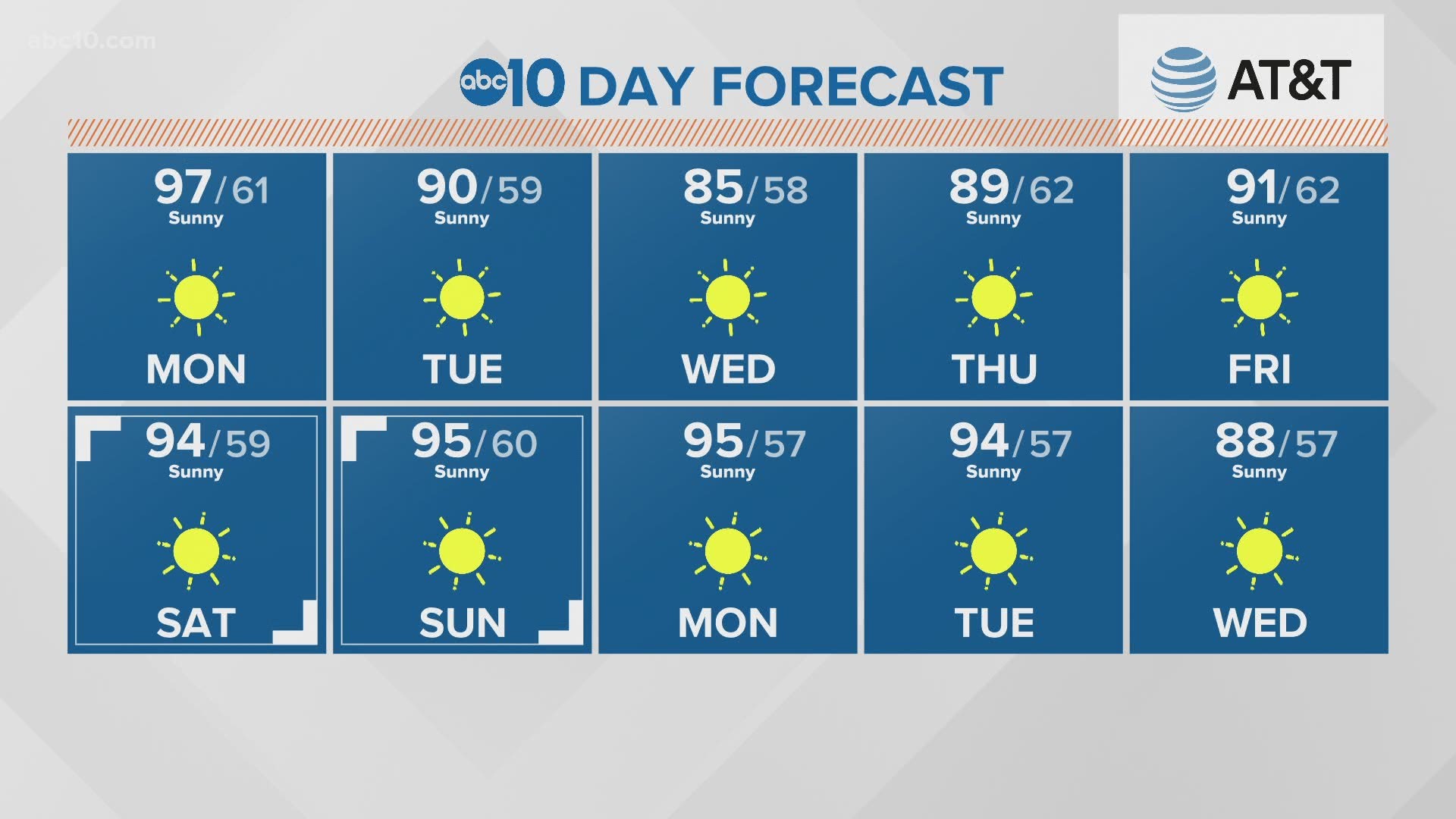
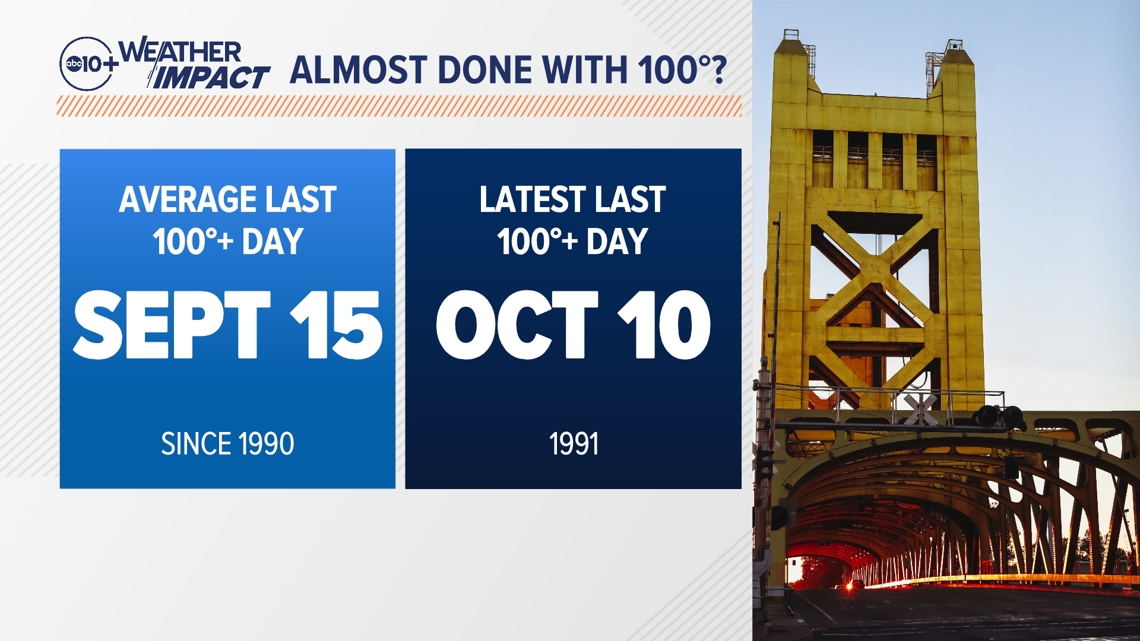
Regions like the vast Central Valley, which includes major cities such as Sacramento and Fresno, experience some of California’s most extreme summer heat, often exceeding 100°F (38°C). Consequently, the arrival of cooler weather is a more eagerly anticipated and dramatic shift.
The turning point typically occurs in late September. While daytime temperatures might still reach the high 80s or low 90s (30-35°C), the nights become noticeably cooler, providing a welcome respite. By October, the searing heat largely gives way to consistently pleasant days in the 70s (21-26°C) and cooler nights, making it an excellent time for agricultural tourism, visiting farmers’ markets, or exploring historic towns. November sees further cooling, with daytime highs often in the 60s (15-20°C) and the first significant rains beginning to hydrate the landscape.
Mountainous Regions: Early Signs of Autumn
California’s majestic mountain ranges, including the Sierra Nevada, the Cascade Range, and the Coast Ranges, are the first to experience a significant cool-down. At higher elevations, the shift begins as early as late August, with crisp mornings and evenings signaling the impending autumn.
By September, destinations like Lake Tahoe, Yosemite National Park, and Lassen Volcanic National Park start to showcase vibrant fall foliage, especially among aspen groves and dogwood trees. Daytime temperatures remain pleasant, often in the 60s or low 70s (15-23°C), perfect for hiking and outdoor activities, but nighttime temperatures can drop significantly, often below freezing at higher elevations. October brings a distinct chill, with the possibility of early season snow flurries at the highest peaks and even significant snowfall by late November, particularly in the Eastern Sierra. This period is ideal for those seeking clear mountain air and breathtaking scenic drives before winter fully sets in.
Desert Landscapes: A Welcome Reprieve
California’s deserts, such as the Mojave Desert, the Colorado Desert, and popular destinations like Palm Springs and Death Valley National Park, endure scorching summer temperatures that can make daytime exploration dangerous. The cooling trend here is a blessing, transforming these extreme environments into accessible and stunning travel destinations.
A noticeable decrease in heat begins in late September, but truly comfortable temperatures arrive in October. By mid-October, daytime highs in Palm Springs generally settle into the 80s (27-32°C), and Death Valley becomes tolerable. November marks the peak of the pleasant season, with temperatures often in the 70s (21-26°C) during the day and refreshingly cool nights, making it ideal for hiking, stargazing, and exploring the unique desert flora and fauna. This window extends through winter and into early spring, offering an escape from colder climates.
The Seasonal Shift: From Late Summer to Autumn
While regional variations exist, a general timeline for the cooling trend across much of California can be observed, making certain months particularly appealing for travel.
September: The Turning Point
For many parts of California, September represents the initial turning point. While early September can still bring significant heat, especially inland and in Southern California, the angle of the sun changes, and the nights progressively lengthen and cool. By the latter half of the month, even hot regions experience a noticeable drop in overnight temperatures, leading to more comfortable mornings. Coastal areas often enjoy their “Indian Summer,” with clear, warm days and less fog. It’s an excellent month for transitioning from summer activities to early autumn explorations.
October: Peak Autumnal Comfort
October is arguably the sweet spot for cooler weather across a vast majority of California. The intense summer heat has largely subsided, replaced by consistently pleasant daytime temperatures and cool, invigorating evenings. This is when the state truly shines for outdoor activities. The deserts become accessible, the mountains display their fall colors, and the coastal regions offer serene beauty without the summer crowds. It’s also prime harvest season in regions like Napa Valley and Sonoma County, adding another layer of appeal for travelers interested in wine tasting and culinary experiences.

November: Ushering in Winter
As November progresses, the cooling trend continues, with many parts of California entering a distinct pre-winter phase. Temperatures drop further, and the likelihood of rain increases, particularly in Northern California and higher elevations. While still pleasant for travel, especially in the desert regions and parts of Southern California that experience very mild winters, visitors should be prepared for cooler, potentially wetter conditions. The mountains begin to receive significant snowfall, signaling the start of ski season preparations.
Best Times for Specific Travel Experiences
Understanding the cooling cycle allows travelers to align their visit with specific interests and activities, enhancing their overall experience in California.
Coastal Escapes and Beach Activities
For those seeking pleasant beach weather without the intense heat or crowds of summer, late September through October is ideal for visiting coastal gems like Malibu, Santa Monica, and La Jolla. The ocean remains warm enough for swimming or surfing for many, and the sunny days are perfect for long walks on the sand or exploring picturesque boardwalks.
Wine Country Exploration
Napa Valley, Sonoma County, and other wine regions are particularly vibrant in September and October. This is harvest season, with vineyards bustling with activity and crush events. The cooler temperatures make for more comfortable touring and tasting, and the changing leaves add a stunning visual backdrop to the rolling hills.
National Park Adventures
California’s iconic national parks, including Yosemite, Sequoia National Park, and Kings Canyon National Park, are spectacular in the cooler months. September and October offer ideal hiking conditions, vibrant fall foliage at mid-elevations, and fewer crowds than the summer peak. Death Valley and Joshua Tree National Park become enjoyable from October through November, offering stunning desert landscapes under a forgiving sun.
Desert Retreats
If escaping cooler climates is the goal, the California deserts offer a perfect solution from mid-October onwards. Palm Springs transforms into a lively resort destination, with comfortable temperatures for golf, pool lounging, and exploring mid-century modern architecture.
Preparing for Cooler California Weather
Even when it starts to get cooler, California’s weather can be notoriously variable, especially between day and night, and across different regions.
Packing Essentials
Layering is key for any autumn or late fall trip to California. Even if days are warm, evenings can become quite chilly, particularly on the coast and in the mountains. Pack a mix of light long-sleeved shirts, sweaters, a medium-weight jacket, and perhaps a waterproof outer layer if traveling in late November or to rain-prone northern regions. Comfortable walking shoes are a must, as is sun protection (sunscreen, hat, sunglasses) regardless of the season, as the California sun can still be strong.
Flexibility in Travel Planning
While the general cooling trends are predictable, microclimates and unexpected weather patterns can occur. Staying flexible with your itinerary and checking local forecasts close to your travel dates will ensure you’re best prepared for whatever California’s diverse weather may bring. Ultimately, the period from late September through November offers some of the most pleasant and rewarding travel experiences across the state, marked by comfortable temperatures, vibrant natural beauty, and a generally more relaxed atmosphere.
LifeOutOfTheBox is a participant in the Amazon Services LLC Associates Program, an affiliate advertising program designed to provide a means for sites to earn advertising fees by advertising and linking to Amazon.com. Amazon, the Amazon logo, AmazonSupply, and the AmazonSupply logo are trademarks of Amazon.com, Inc. or its affiliates. As an Amazon Associate we earn affiliate commissions from qualifying purchases.