
Arizona, often envisioned as a land of perpetual sunshine and arid landscapes, experiences a dramatic seasonal transformation known as the monsoon. This unique weather phenomenon, characterized by sudden, intense thunderstorms, dust storms, and flash floods, profoundly impacts the state’s natural environment and, consequently, its tourism sector. For visitors planning a trip, understanding the monsoon’s duration is paramount, influencing everything from activity planning to packing choices. While the monsoon season brings a vibrant, albeit challenging, beauty to the desert, many travelers seek to experience Arizona during its more temperate and predictable periods. This guide delves into the official end of Arizona’s monsoon, what to expect as the season transitions, and how this knowledge can optimize your tourism experience in the Grand Canyon State.

Understanding Arizona’s Monsoon Season
To truly appreciate when the monsoon season ends, it’s essential to first grasp what it entails and its typical timeframe. This distinct weather pattern is a defining feature of Arizona’s summer, shaping both the environment and the daily lives of residents and visitors alike.
Defining the Monsoon: What It Is and Why It Happens
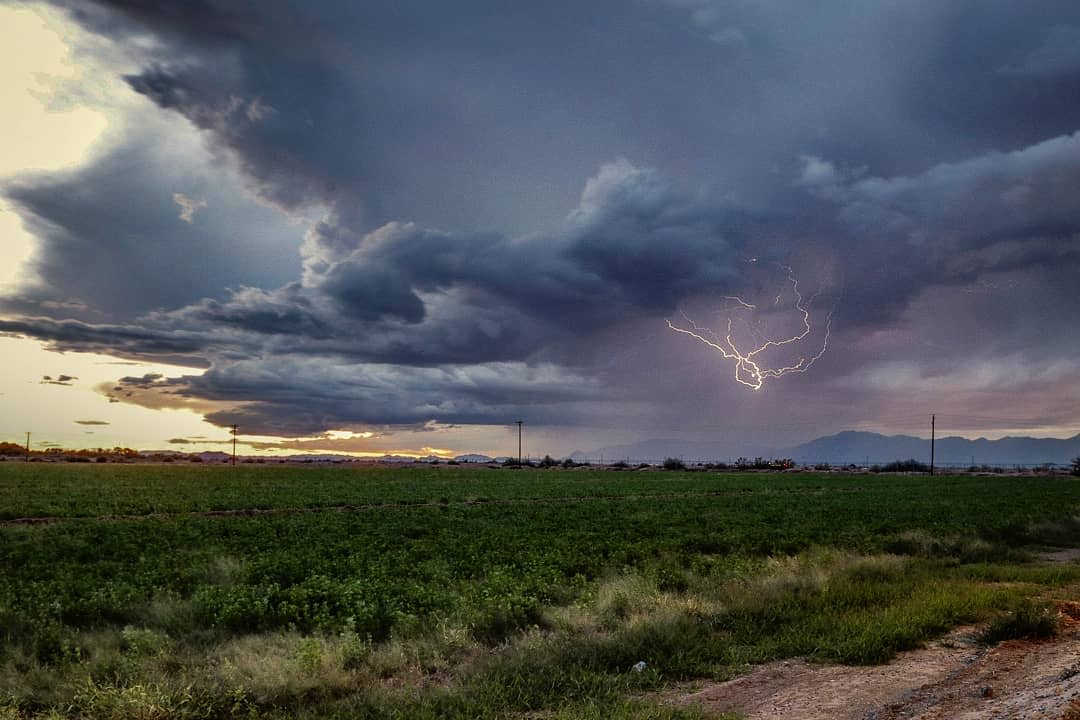
The Arizona monsoon is not a continuous period of rain, but rather a shift in wind patterns that brings moisture from the Gulf of California and the Gulf of Mexico into the Southwest. This influx of humidity, combined with intense daytime heating, leads to the development of powerful thunderstorms, typically in the late afternoon and evening. Unlike the gentle, widespread rains of other regions, monsoon storms are often localized, short-lived, and incredibly intense, frequently accompanied by lightning, strong winds, and heavy downpours. The desert, unaccustomed to such deluges, can transform dramatically in a matter of minutes. From a tourism perspective, this means planning outdoor activities for mornings, and being prepared to seek shelter or change plans rapidly if storms develop. The dramatic skies and sudden downpours, while potentially disruptive, also offer incredible photographic opportunities and a unique spectacle for those who appreciate nature’s raw power.
Typical Start and End Dates
Officially, the Arizona monsoon season runs from June 15th to September 30th each year. This period is set by the National Weather Service to provide a consistent framework for forecasting and public safety messaging. However, it’s crucial for travelers to understand that these dates are statistical averages, not hard boundaries. The onset can sometimes be delayed, and the cessation might feel gradual. Early June typically sees the peak of Arizona’s dry heat, with humidity levels rising noticeably towards the end of the month as the monsoon begins. The most active period for storms usually occurs in July and August, with a gradual tapering off in September. Knowing these general trends helps in preparing for the specific atmospheric conditions that define this unique season.
Characteristics of Monsoon Weather
Beyond the rain, Arizona monsoons bring several distinct weather phenomena that tourists should be aware of. Dust storms, locally known as haboobs, are massive walls of dust that can precede or accompany thunderstorms, drastically reducing visibility and creating hazardous driving conditions. These dramatic events, while rare, are a sight to behold from a safe distance. Flash floods are perhaps the most dangerous aspect, as dry washes and canyons can fill with raging water in minutes, even if the rain falls miles upstream. Never enter a flooded area or attempt to cross a running wash. Lastly, the elevated humidity makes the desert heat feel even more oppressive, even if temperatures are slightly lower than the pre-monsoon peak. However, the trade-off is often breathtakingly dramatic skies, with towering cumulonimbus clouds, vivid lightning displays, and spectacular sunsets that paint the horizon with a palette of fiery colors. These visual spectacles are often highlight experiences for photographers and nature enthusiasts visiting during this time.
The Official End and Real-World Transitions
While the September 30th date marks the official conclusion of Arizona’s monsoon season, the transition to cooler, drier weather is often a gradual process, with regional variations across the state. Understanding this post-monsoon period is key for anyone planning a visit, as it ushers in some of the most pleasant weather for exploring Arizona’s diverse landscapes.
The September 30 Mark: Official End Date
The official end date of September 30th is a crucial benchmark for meteorological record-keeping and public information campaigns regarding safety. By this date, the large-scale atmospheric patterns that drive the monsoon typically begin to break down, signaling a shift away from the strong easterly and southerly flows that bring Gulf moisture. However, it’s important to recognize that “official” doesn’t mean instantaneous. Occasional lingering storms or scattered showers can still occur in early October, particularly in higher elevations. Conversely, some years may see the monsoon activity dwindle considerably by mid-September. For tourism purposes, this means that while the risk of daily afternoon thunderstorms significantly decreases after September, a degree of preparedness for unexpected weather should still be maintained through early autumn.
Post-Monsoon Weather Patterns
Following the official end, Arizona typically enters a glorious period often referred to as “second spring” or simply ideal desert autumn. The oppressive humidity of the monsoon dissipates, making way for characteristically dry air. Daytime temperatures gradually fall from the intense summer highs into a comfortable range, particularly in October and November. The nights become refreshingly cool, especially in the desert regions. Skies become clearer, offering uninterrupted views of the sun and stars, a stark contrast to the cloud-covered, dramatic skies of the monsoon. This transition period is highly sought after by tourists because it combines pleasant weather with the unique visual aftermath of the monsoon — a desert rejuvenated by rain, often displaying a temporary flush of green and vibrant wildflowers. It’s an opportune time for all forms of outdoor exploration without the intense heat or the daily threat of storms.
Regional Variations
The experience of the monsoon’s end varies significantly across Arizona‘s diverse topography. In the lower deserts, such as Phoenix, Tucson, Mesa, Scottsdale, and Yuma, the shift is most pronounced. The stifling humidity gives way to crisp, dry air, and daytime temperatures become incredibly pleasant, often ranging from the 70s to 90s Fahrenheit in October. This makes the urban areas particularly appealing for sightseeing, golf, and dining al fresco.
In higher elevations like Flagstaff and Sedona, where summer temperatures are already milder, the post-monsoon period brings even cooler temperatures, often requiring light jackets, especially in the evenings. While these areas also experience fewer storms post-September, they can still receive occasional rain or even early snow flurries as winter approaches. The foliage in these mountainous regions can also begin to show signs of autumn color, adding another layer of visual appeal for visitors. Understanding these regional differences allows tourists to better tailor their itineraries, choosing destinations that align with their preferred post-monsoon weather experience.

Tourism Impacts: Navigating Arizona During and After the Monsoon
The timing of Arizona’s monsoon season significantly influences the types of activities and experiences available to tourists. Knowing when the season officially ends and understanding the conditions that follow are essential for making the most of your visit, whether you embrace the drama of the storms or prefer the tranquil beauty of the post-monsoon desert.
Activities During the Monsoon
Visiting Arizona during the monsoon season offers a unique perspective often overlooked by those who only seek the state’s dry heat. Morning hours are generally clear and suitable for outdoor activities like shorter hikes, golf, or exploring urban parks before the afternoon build-up of clouds. The storms themselves can be a major draw for photographers, offering incredible lightning shows and dramatic cloud formations, particularly around areas like the Sonoran Desert. Indoor attractions become prime destinations in the afternoons, including world-class museums in Phoenix and Tucson, art galleries in Sedona, and various cultural centers. Spa resorts are also particularly appealing during this time, offering a relaxing escape from the humidity. For the adventurous, kayaking or paddleboarding on larger, stable bodies of water like Lake Mead or Lake Powell in the morning can be refreshing, but always with an eye on weather forecasts. It’s a time for flexibility and appreciating the desert’s lush, vibrant (albeit temporary) green transformation.
Activities Post-Monsoon
The period immediately following the monsoon’s official end on September 30th marks the beginning of Arizona’s peak tourism season, and for good reason. The combination of mild temperatures, lower humidity, and often clear, brilliant blue skies creates ideal conditions for virtually all outdoor activities. Hiking, biking, and rock climbing become immensely enjoyable across the state’s vast network of trails in locations such as the Grand Canyon, Saguaro National Park, and Red Rock State Park near Sedona. Desert exploration, including visits to botanical gardens or off-road tours, is comfortable and rewarding, as the landscape is often revitalized by the monsoon rains. Water activities on the Colorado River or its reservoirs remain popular, offering a refreshing experience under the gentle autumn sun. This is also a fantastic time for stargazing, with the clear, dry air providing optimal conditions for observing Arizona’s famously dark night skies.
Preparing for a Monsoon Visit
Whether you’re visiting during the monsoon or immediately after, preparation is key for a seamless and enjoyable tourism experience. If traveling before September 30th, always check the weather forecast daily, paying close attention to flash flood warnings and dust storm advisories. Pack lightweight, breathable clothing, but also include rain gear and an extra set of dry clothes. Sturdy, waterproof hiking shoes are advisable for any outdoor excursions. Carry plenty of water, as even with humidity, dehydration is a risk. Avoid hiking in slot canyons or near dry washes if there’s any chance of rain, even distant. For post-monsoon visits, still bring layers, especially if heading to higher elevations, as desert nights can be surprisingly cool. Sun protection remains crucial year-round. Given the popularity of the post-monsoon season, booking accommodations and popular tours well in advance is highly recommended to secure your preferred choices and avoid disappointment. Embrace flexibility in your plans, as Arizona’s weather, even after the monsoon, can occasionally offer surprises.
Why the Post-Monsoon Season is Prime for Arizona Tourism
The period immediately following the official end of Arizona’s monsoon season, typically from October through November and extending into the winter months, is widely considered the state’s tourism sweet spot. This window offers a perfect confluence of ideal weather, unique natural beauty, and a vibrant calendar of events.
Ideal Weather Conditions
As September fades into October, Arizona shrugs off the last vestiges of summer’s heat and humidity. The air becomes crisp and dry, carrying that invigorating scent often associated with the desert after rain. Daytime temperatures in the lower deserts settle into the comfortable 70s and 80s Fahrenheit, while higher elevations like Flagstaff and Sedona experience cool, refreshing days in the 50s and 60s. These mild conditions are perfect for extended periods outdoors, allowing tourists to fully immerse themselves in the state’s vast natural attractions without the strain of extreme heat or the daily uncertainty of monsoon storms. Evenings are pleasantly cool, ideal for al fresco dining, enjoying outdoor patios, or stargazing under exceptionally clear skies.
Reduced Crowds (Early Post-Monsoon)
While the post-monsoon season is prime, the very early part of this window – specifically October – can offer a strategic advantage for travelers. This month sits just before the peak winter snowbird and holiday season really kicks into full swing. As such, while the weather is rapidly improving and becoming superb, the sheer volume of tourists might not yet have reached its absolute zenith. This means slightly smaller crowds at popular attractions like Monument Valley, Organ Pipe Cactus National Monument, and Petrified Forest National Park, potentially leading to more relaxed experiences, easier access to trailheads, and slightly more competitive pricing for accommodations compared to the deep winter months. It’s a sweet spot for those seeking perfect weather with a slightly calmer atmosphere.
Unique Flora and Fauna
One of the most remarkable transformations brought by the monsoon is the temporary revitalization of the desert landscape. After the rains, the seemingly barren Sonoran Desert can burst into a surprising flush of green. Cacti swell with absorbed water, and if conditions are right, a late bloom of wildflowers might occur, adding splashes of color to the typically muted palette. Wildlife, which often takes refuge during the intense summer heat, becomes more active and visible in the cooler post-monsoon temperatures. Birdwatchers, hikers, and nature photographers will find themselves amidst a dynamic and often lush environment, far different from the stark, dry image often associated with the desert. This biological rejuvenation offers a unique spectacle that’s best appreciated in the weeks immediately following the monsoon’s departure.
Festivals and Events
As the weather cools and the crowds begin to build, Arizona’s calendar fills with an array of festivals and events, making the post-monsoon period an exciting time to visit. From art fairs and music festivals to culinary events showcasing local flavors, there’s often something happening to engage every interest. Phoenix and Tucson host numerous cultural celebrations, while smaller towns often feature charming local harvest festivals or craft markets. Sports events also kick into full gear, with professional and collegiate teams drawing crowds. Checking local tourism boards for specific event listings for October and November can help travelers align their visit with unique local experiences, enhancing their overall appreciation for Arizona’s vibrant local culture.
In conclusion, while Arizona’s monsoon season officially concludes on September 30th, the real-world transition to idyllic conditions extends well into October and November. This post-monsoon period offers unparalleled opportunities for tourism, blending glorious weather with a revitalized landscape and a lively event scene. By understanding these seasonal shifts, travelers can strategically plan their visits to experience the best of what Arizona has to offer, turning what might seem like a mere weather phenomenon into a key planning advantage for an unforgettable desert adventure.
LifeOutOfTheBox is a participant in the Amazon Services LLC Associates Program, an affiliate advertising program designed to provide a means for sites to earn advertising fees by advertising and linking to Amazon.com. Amazon, the Amazon logo, AmazonSupply, and the AmazonSupply logo are trademarks of Amazon.com, Inc. or its affiliates. As an Amazon Associate we earn affiliate commissions from qualifying purchases.