
The arrival of the monsoon season in Arizona is a highly anticipated event, marking a dramatic shift in the state’s climate. For residents and visitors alike, understanding the timing and characteristics of this phenomenon is crucial for planning activities, ensuring safety, and appreciating the unique environmental transformation it brings. While Arizona is widely known for its arid desert landscapes, the summer months usher in a period of intense thunderstorms, heavy rainfall, and cooler temperatures, offering a refreshing respite from the scorching heat. This article delves into the specifics of the monsoon season, its typical start and end dates, the meteorological factors that drive it, and what to expect when it descends upon the Grand Canyon State.

Understanding the Arizona Monsoon
The term “monsoon” often evokes images of tropical deluges in Southeast Asia, but the North American Monsoon, which significantly impacts Arizona, is a distinct and powerful weather pattern. It is characterized by a seasonal shift in wind direction, bringing moisture from the Gulf of California and the Pacific Ocean inland. This influx of humidity, combined with intense daytime heating, creates the perfect conditions for the development of towering thunderstorms. Unlike prolonged, steady rainfall, monsoon precipitation typically arrives in short, intense bursts, often accompanied by lightning, strong winds, and flash flooding.
Meteorological Triggers
The onset of the Arizona monsoon is a complex interplay of atmospheric conditions. Key drivers include:
- Differential Heating: The vast desert expanses of the southwestern United States heat up significantly faster than the surrounding oceans. This creates a low-pressure system over the land.
- Southerly Flow: As the low-pressure system deepens, air is drawn in from the south. This southerly flow originates over the warm waters of the Gulf of California and the Pacific Ocean, carrying substantial amounts of moisture into the region.
- Upper-Level Atmospheric Patterns: Changes in the position and strength of jet streams and other upper-level atmospheric features can either enhance or suppress monsoon activity. A ridge of high pressure over the Colorado Plateau often acts as a catalyst, trapping moisture and further fueling storm development.
Defining the Season
The Arizona monsoon is not a precise calendar event with a single start date. Instead, it is a period influenced by a confluence of weather patterns. Meteorologists typically define the monsoon season as running from mid-June through September. However, the exact timing of its start can vary significantly from year to year. Some years, early moisture may begin to trickle in by late May or early June, while in other instances, the true monsoon conditions might not fully establish themselves until well into July.
The intensity and duration of the monsoon also fluctuate. Some seasons are characterized by frequent, widespread, and heavy downpours, leading to significant flooding. Other years might see a more subdued monsoon with scattered, less intense storms.
When Does The Monsoon Season Typically Begin?
While the official start is often cited as mid-June, the real “feeling” of the monsoon—the increase in humidity, the build-up of towering cumulonimbus clouds, and the rumble of distant thunder—usually becomes more prevalent in early to mid-July.
- June: This month often serves as a transition period. While some isolated thunderstorms can occur, particularly in the higher elevations, the air typically remains relatively dry. Daytime temperatures are usually at their peak, and the “dew point” (a measure of atmospheric moisture) is low. By the end of June, however, the southerly flow may begin to strengthen, and humidity levels start to creep up, especially in southern Arizona.
- July: This is the month when the monsoon typically “kicks in” with more regularity and intensity. The air becomes noticeably more humid, leading to a more muggy feeling. The iconic towering thunderstorms, often referred to as “monsoon storms” or “haboobs” (dust storms), become a common sight in the late afternoons and evenings. By mid-July, most of the state, from Phoenix and Tucson to the mountainous regions, is experiencing active monsoon weather.
- August: This month is often the peak of the monsoon season, with the highest probability of widespread and significant rainfall. Storms can be very intense, and the risk of flash flooding is at its highest.
- September: While the monsoon begins to wane in September, it can still deliver significant rainfall. Thunderstorms become less frequent and generally less intense as cooler, drier air begins to push into the region. The official end of the season is typically considered to be around the end of September, though lingering moisture and isolated storms can sometimes extend into early October.
Regional Variations within Arizona
It’s important to note that the monsoon’s arrival and intensity can vary across different regions of Arizona:
- Southern Arizona: Areas like Tucson, Yuma, and the Sonoran Desert often experience the monsoon’s effects earlier and with greater intensity due to their proximity to the Gulf of California. The higher humidity and frequent storms can be particularly pronounced here.
- Central Arizona: The Phoenix metropolitan area and surrounding desert valleys also see a significant shift in weather patterns. While Phoenix can experience impressive dust storms (haboobs) and torrential downpours, the rainfall amounts might be slightly less consistent than in southern regions.
- Northern and Eastern Arizona: Higher elevations, such as the White Mountains and the Mogollon Rim, often experience monsoon activity later and sometimes with different characteristics. While thunderstorms still occur, they might be less frequent or severe than in the desert lowlands. These areas can also benefit from the moisture replenishing reservoirs and contributing to vegetation growth.
What to Expect During the Monsoon
The monsoon season transforms the desert landscape and impacts daily life in numerous ways. Understanding these changes is key to enjoying the season safely and appreciating its unique beauty.
The Sights and Sounds of Monsoon
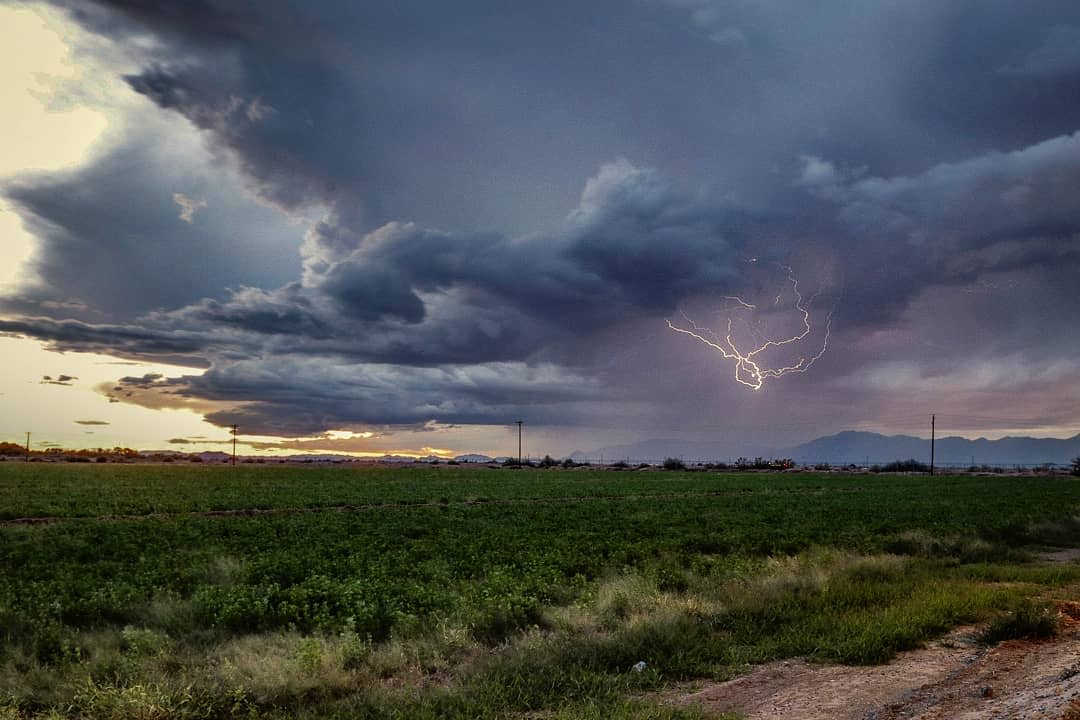
- Towering Thunderheads: The most striking visual characteristic of the monsoon is the formation of immense cumulonimbus clouds that can reach incredible altitudes. These “thunderheads” are responsible for the dramatic lightning shows that often illuminate the night sky.
- Lightning: Lightning is a frequent and often spectacular feature of monsoon storms. While beautiful to observe from a safe distance, it poses a significant hazard.
- Heavy Rainfall: When rain does fall, it is often intense. Within minutes, dry washes can become raging torrents, and streets can flood. The ground, often hardened by drought, has a limited capacity to absorb water, exacerbating the risk of flash floods.
- Haboobs (Dust Storms): As thunderstorms approach, downdrafts can pick up vast amounts of dust and sand, creating towering walls of dust known as haboobs. These can reduce visibility to near zero, posing driving hazards and impacting air quality.
- Dramatic Sky Changes: The sky can shift from clear and intensely blue to an ominous grey and purple within minutes as storm clouds gather. The quality of light before and after a storm can be particularly stunning.
Impacts on Daily Life and Activities
The monsoon season necessitates adjustments for both residents and travelers:
- Outdoor Activities: Many outdoor activities, especially those in canyons, washes, or exposed areas, become hazardous. Hiking, camping, and exploring slot canyons should be carefully planned and monitored for changing weather conditions. Checking weather forecasts and local advisories is paramount.
- Driving: Driving during monsoon storms requires extreme caution. Flash floods can make roads impassable, and haboobs can severely limit visibility. It is advisable to pull over and wait out storms if possible, rather than attempting to drive through flooded areas or low-visibility conditions.
- Power Outages: Strong winds and lightning strikes can lead to power outages. It is wise to have emergency supplies, such as flashlights, batteries, and non-perishable food, on hand.
- Air Quality: Haboobs can significantly degrade air quality, leading to respiratory issues for some individuals. Staying indoors during these events is recommended.
- Temperature Relief: While the humidity can make the air feel muggy, the monsoon typically brings a welcome drop in temperatures compared to the peak heat of May and June. This makes the evenings and mornings more comfortable for outdoor activities, provided storms are not imminent.
Preparing for the Monsoon Season
Forecasting the exact start of the monsoon can be challenging, but being prepared is always a wise strategy.
Essential Preparations
- Stay Informed: Monitor weather forecasts regularly from reliable sources such as the National Weather Service and local news outlets. Pay close attention to severe weather alerts and flash flood watches and warnings.
- Home Safety: Secure loose outdoor items that could be blown away by strong winds. Ensure gutters and drainage systems are clear to help manage heavy rainfall.
- Vehicle Preparedness: Ensure your vehicle is in good condition, with functioning windshield wipers and tires. Have an emergency kit in your car, including water, snacks, a first-aid kit, and blankets.
- Flash Flood Awareness: Understand the dangers of flash floods. Never drive or walk through flooded areas, as water can rise rapidly and carry away vehicles and people. Remember the slogan: “Turn Around, Don’t Drown.”
- Lightning Safety: If caught outdoors during a thunderstorm, seek shelter immediately in a substantial building or a hard-top vehicle. Avoid open spaces, tall isolated trees, and water.

Embracing the Monsoon’s Benefits
Despite the potential hazards, the monsoon season is also a time of renewal and beauty. The rainfall revitalizes the desert flora, leading to a temporary surge of greenery and wildflowers in some areas. The dramatic cloud formations and intense storms create a unique and powerful spectacle. For those who prepare adequately and exercise caution, the Arizona monsoon can be a fascinating and invigorating period to experience.
By understanding when the monsoon season starts in Arizona and what to expect, you can better plan your visit or enjoy your time as a resident, safely navigating the dramatic and life-giving transformation of this iconic desert state.
LifeOutOfTheBox is a participant in the Amazon Services LLC Associates Program, an affiliate advertising program designed to provide a means for sites to earn advertising fees by advertising and linking to Amazon.com. Amazon, the Amazon logo, AmazonSupply, and the AmazonSupply logo are trademarks of Amazon.com, Inc. or its affiliates. As an Amazon Associate we earn affiliate commissions from qualifying purchases.