
For anyone planning a visit to the Golden State, understanding local nuances is key to a seamless and enjoyable experience. Among the often-overlooked yet critical details for tourists is the practice of Daylight Saving Time (DST). While seemingly a minor adjustment, the annual time change in California can significantly impact travel itineraries, planned activities, and even personal well-being. Knowing exactly when to “spring forward” or “fall back” is not just about avoiding missed flights or reservations; it’s about maximizing your precious vacation time, aligning with local rhythms, and fully immersing yourself in all that California has to offer, from bustling city life in Los Angeles to serene landscapes in Yosemite National Park. This comprehensive guide provides tourists with all the necessary information and practical tips to navigate California’s time changes effortlessly, ensuring your trip remains on schedule and full of memorable moments.
Understanding Daylight Saving Time in California
California, like the majority of the United States, observes Daylight Saving Time. This practice involves adjusting clocks forward by one hour in the spring and backward by one hour in the fall, primarily to make better use of natural daylight. For tourists, being aware of these shifts is crucial for planning and enjoying their visit without unexpected disruptions.
The Annual Shift: When and How
The time change in California follows the federal guidelines for Daylight Saving Time in the U.S.
- Spring Forward: Clocks “spring forward” by one hour on the second Sunday in March at 2:00 AM local time. This means 2:00 AM instantly becomes 3:00 AM, resulting in one hour less of sleep but an extra hour of daylight in the evening.
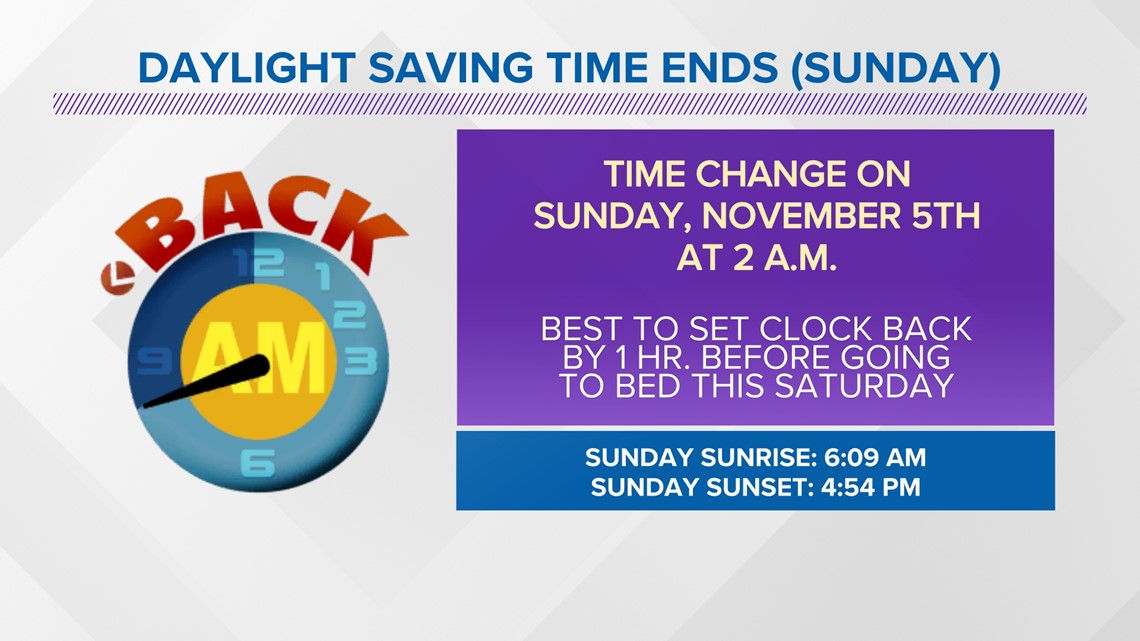
- Fall Back: Clocks “fall back” by one hour on the first Sunday in November at 2:00 AM local time. This means 2:00 AM instantly becomes 1:00 AM, granting an extra hour of sleep and bringing earlier sunrises and sunsets.
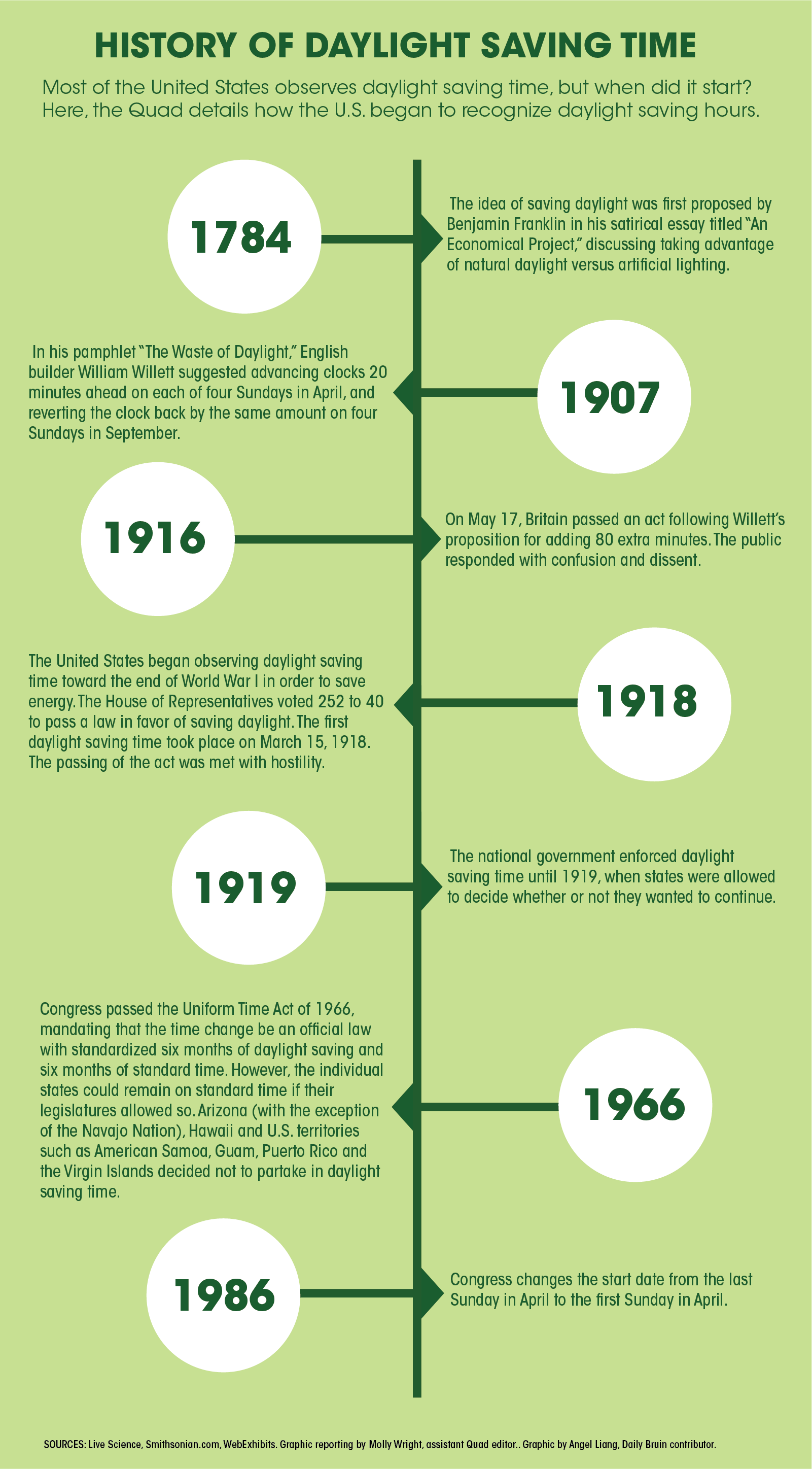
These changes are standardized, occurring simultaneously across the entire state. For tourists arriving or departing around these dates, it’s vital to remember these adjustments to avoid confusion with transportation schedules or pre-booked activities. The original rationale behind DST dates back to early 20th-century efforts to conserve energy and provide more daylight hours for productive work or leisure activities. While debates about its continued relevance persist, the system remains in place in California, making awareness essential for all visitors.
California’s Unique Position and Pacific Time Zone
California operates within the Pacific Time Zone. During standard time, it observes Pacific Standard Time (PST), which is UTC-8. When Daylight Saving Time is in effect, it switches to Pacific Daylight Time (PDT), which is UTC-7. This time zone also encompasses other western U.S. states such as Washington, Oregon, and Nevada, as well as parts of Idaho.
The consistent observance of DST across California ensures there are no internal time zone discrepancies within the state itself. However, for tourists traveling from different time zones, especially those not observing DST or adhering to different schedules (such as Arizona, which largely opts out), the change can be more complex. Moreover, while there have been legislative discussions and propositions in California to potentially abolish or permanently adopt DST, as of now, the annual clock adjustments remain a fixture. Therefore, visitors should always assume the time change will occur as scheduled, unless official announcements indicate otherwise, making preparation a tourist’s best friend.
Practical Implications for Tourists and Visitors
The time change might seem like a small detail, but its ripple effects can touch almost every aspect of a tourist’s trip to California. From catching a flight to enjoying a sunset view, understanding these implications is key to an uninterrupted and pleasurable vacation.
Navigating Travel Itineraries and Flights
Perhaps the most critical impact of a time change for tourists relates to transportation. Flights, train schedules, and bus services operate on strict timelines that will reflect the local time.
- Arrivals and Departures: If your flight is scheduled for the second Sunday in March (spring forward) or the first Sunday in November (fall back), you must confirm how the time change affects your departure or arrival time. Airlines typically adjust their schedules, but it’s the traveler’s responsibility to be aware. A 7:00 AM flight on the “spring forward” Sunday might effectively mean you need to be at the airport at what feels like 6:00 AM by your internal clock, while on the “fall back” Sunday, a 7:00 AM flight could mean waking up much earlier than anticipated if you don’t adjust your clocks correctly.
- Connecting Flights and Layover Durations: For those with connecting flights within California or connecting to/from a Pacific Time Zone destination, the time change could alter the perceived duration of your layover. An hour gained or lost can make a tight connection even tighter or provide unexpected extra time. Always double-check all segments of your journey with the updated local times.
Synchronizing with Attractions and Activities
California’s diverse attractions, from world-class museums to iconic theme parks, all adhere to local operating hours.
- Museums and Galleries: Institutions like the Getty Center in Los Angeles or the Exploratorium in San Francisco will adjust their opening and closing times with the clock. During “spring forward,” an evening visit might be extended with more daylight, while “fall back” will mean earlier sunsets and potentially shorter perceived visiting hours for outdoor components.
- Theme Parks and Entertainment Venues: Major attractions such as Disneyland Resort in Anaheim or Universal Studios Hollywood in Los Angeles have extensive operating hours that shift with seasons and daylight availability. While they will always publish their official schedules, a sudden time change can catch unprepared visitors off guard, affecting ride queues, showtimes, and parade viewing.
- Tours and Reservations: Whether you’ve booked an Alcatraz Island tour, a whale-watching excursion from San Diego, or a Napa Valley wine tasting, all pre-booked activities will proceed according to the new local time. Missing a tour because you’re an hour off can be a significant disappointment and financial loss. Restaurant reservations are equally sensitive; an hour’s delay could mean losing your table, especially in popular dining destinations.
Health, Wellness, and Enjoying Your Trip
Beyond logistics, the time change can affect a tourist’s personal well-being, particularly for those sensitive to sleep pattern disruptions.
- Jet Lag Considerations: The “spring forward” change can exacerbate jet lag symptoms, especially for visitors traveling west into California from eastern time zones. Losing an hour can make the body feel even more disoriented. Conversely, “fall back” can offer a slight reprieve, providing an extra hour to adjust.
- Adjusting Sleep Patterns: Even without significant jet lag, the time change requires a mental and physical adjustment. Planning your first day’s activities slightly lighter after a “spring forward” can help ease into the new rhythm.
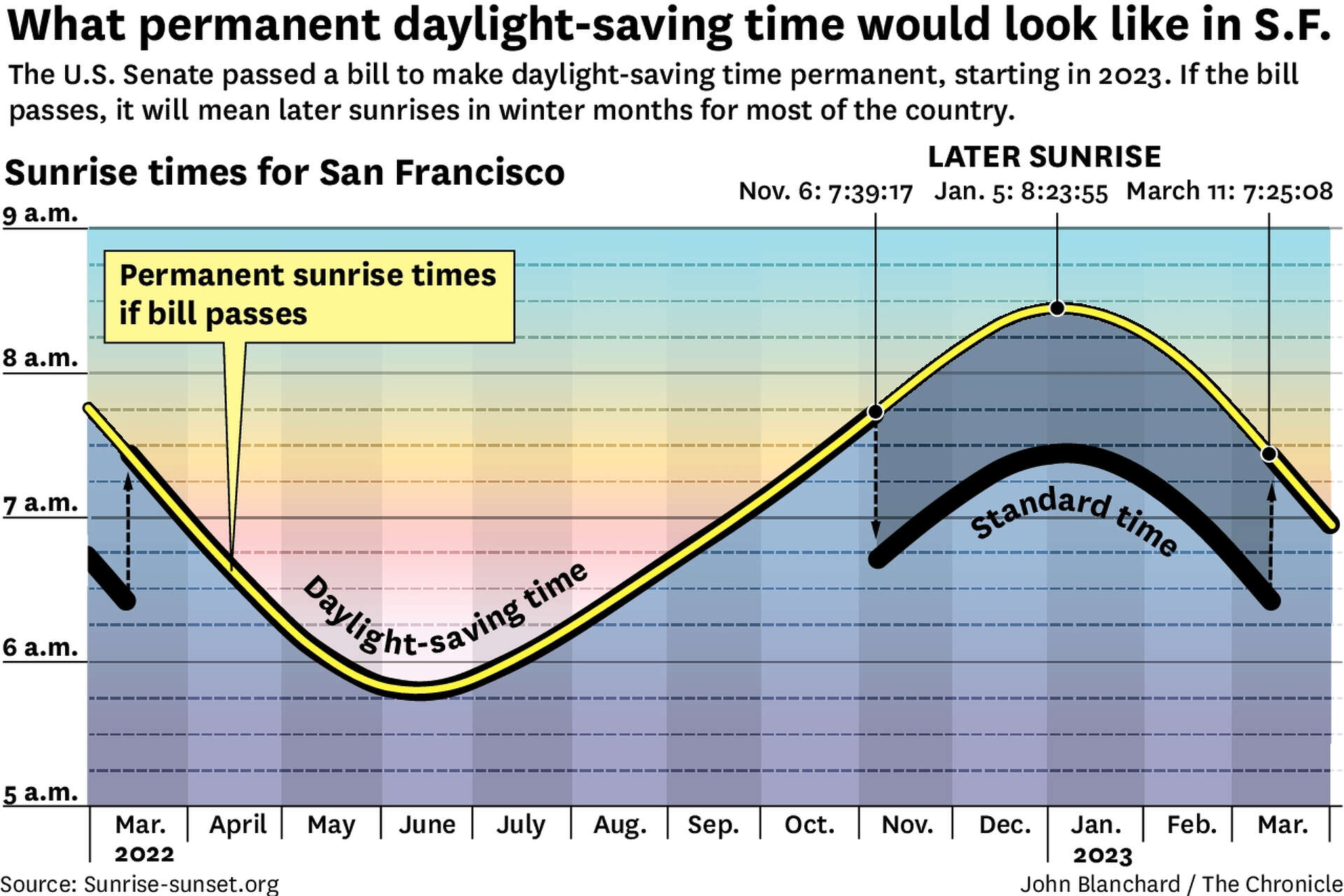
- Maximizing Daylight for Outdoor Activities: California is renowned for its outdoor attractions. “Spring forward” provides extended daylight in the evenings, perfect for sunset views over the Golden Gate Bridge or an evening stroll along Santa Monica‘s famous pier. “Fall back,” however, brings earlier darkness, necessitating an adjustment to plans if you intend to hike in a national park or enjoy a beach outing into the late afternoon.
Tips for a Seamless Time Transition in California
Navigating California’s time changes doesn’t have to be stressful. With a few simple preparations and awareness, tourists can ensure their trip remains perfectly synchronized with local life, allowing them to focus entirely on their vacation experience.
Before You Travel
Preparation is key, especially if your travel dates coincide with the Daylight Saving Time transition.
- Verify All Flight and Reservation Times: Reconfirm all airline tickets, hotel bookings, car rentals, and tour reservations. Most companies will reflect the adjusted times, but a quick check directly on their websites or with customer service can provide peace of mind. Pay particular attention to early morning departures on the day of the change.
- Set Reminders for the Time Change: If traveling during the transition weekends, mark your calendar or set a digital reminder on your phone for Saturday night (before “spring forward”) or Sunday morning (before “fall back”). This proactive step ensures you won’t be caught off guard.
- Inform Family/Friends of Potential Communication Disruptions: If you have regular check-ins planned with people in other time zones, let them know about the upcoming change in California. This can prevent confusion about call times or missed connections.
During Your Stay
While in California, especially during the time change, smart habits can keep you on track.
- Rely on Automatically Updating Devices: Modern smartphones, tablets, and smartwatches are designed to automatically update to the correct local time. Keep these devices charged and use them as your primary time reference.
- Double-Check Analog Clocks: Be cautious of analog clocks in hotel rooms, rental cars, or public spaces, as these must be manually adjusted and might not always be accurate immediately after the change. If in doubt, cross-reference with your digital devices.
- Confirm Activity Times Locally: For important bookings, a quick call or check with the venue (museum, restaurant, tour operator) on the day of or the day before the activity can eliminate any lingering uncertainty about opening hours or start times.
Maximizing the Daylight Benefit (Spring) or Adjusting to Earlier Evenings (Fall)
The time change isn’t just a logistical hurdle; it also alters the pattern of daylight, which can be leveraged or managed.
- Leveraging Extended Evenings (Spring Forward): After “springing forward,” California enjoys an extra hour of daylight in the evenings. This is perfect for leisurely dinner strolls, sunset photography along the coast, or simply extending your exploration of a city like San Francisco into what feels like a longer day. Plan outdoor activities for later in the day to take full advantage.
- Planning for Earlier Evenings (Fall Back): When clocks “fall back,” evenings arrive an hour earlier. This means sunsets will occur earlier. Adjust your schedule to prioritize outdoor activities in the morning or early afternoon. For evening plans, consider booking indoor attractions, early dinner reservations, or cozy experiences that are less dependent on daylight.
Beyond the Clock: Embracing California’s Rhythms
Understanding when the time changes is more than just a logistical exercise; it’s about connecting with the rhythm of California and enhancing your overall tourist experience. The shifts in daylight hours subtly influence the state’s seasonal appeal and how visitors engage with its diverse offerings.
The Seasonal Impact on California Tourism
The presence or absence of Daylight Saving Time significantly shapes the feel of different seasons in California.
- Summer and Pacific Daylight Time: The longer evenings of summer, under Pacific Daylight Time, are synonymous with quintessential California tourism. They encourage outdoor dining on patios, vibrant evening events, leisurely beach walks as the sun sets, and extended hours for attractions. This period invites a more relaxed, drawn-out experience of the state’s beauty and culture, where the daylight feels boundless and opportunities for evening exploration are plentiful.
- Winter and Pacific Standard Time: As clocks “fall back” into Pacific Standard Time, the shorter days of winter encourage a shift towards earlier planning. Tourists might prioritize morning visits to museums or scenic drives before the afternoon light fades. The earlier darkness also ushers in a cozier atmosphere, perfect for enjoying California’s culinary scene in bustling restaurants, attending evening performances, or finding warmth by a fireplace in a cozy wine country lodge.
Local Observances and Events
Many local festivals, outdoor concerts, farmers’ markets, and community events throughout California are scheduled with daylight hours in mind. While event organizers will always publish official times, understanding the underlying clock shift helps in appreciating why certain events are timed as they are. For instance, a sunset concert series will be considerably later during PDT than during PST, influencing your entire evening’s itinerary. Being mindful of these nuances allows tourists to better anticipate and integrate into the local social fabric, making their visit feel more authentic and less like a whirlwind of pre-scheduled stops.
In conclusion, knowing when California’s time changes is a small but mighty piece of information for any tourist. It’s a practical tip that underpins seamless travel, uninterrupted exploration, and a deeper appreciation for the Golden State’s unique rhythms. By being aware and prepared, visitors can effortlessly navigate these annual shifts, ensuring their time in California is spent creating cherished memories, not grappling with their watch.
LifeOutOfTheBox is a participant in the Amazon Services LLC Associates Program, an affiliate advertising program designed to provide a means for sites to earn advertising fees by advertising and linking to Amazon.com. Amazon, the Amazon logo, AmazonSupply, and the AmazonSupply logo are trademarks of Amazon.com, Inc. or its affiliates. As an Amazon Associate we earn affiliate commissions from qualifying purchases.