
The Golden State’s Artichoke Calendar: Peak Seasons Revealed
For culinary enthusiasts and travelers seeking unique gastronomic experiences, understanding the rhythm of local produce is paramount. In California, the artichoke is more than just a vegetable; it’s a symbol of the state’s agricultural prowess and a cornerstone of its Central Coast identity. While a common misconception suggests a single, fleeting season, California actually boasts two distinct peak seasons, offering ample opportunities for visitors to indulge in this thorny delicacy.
The Vibrant Spring Harvest: March to May
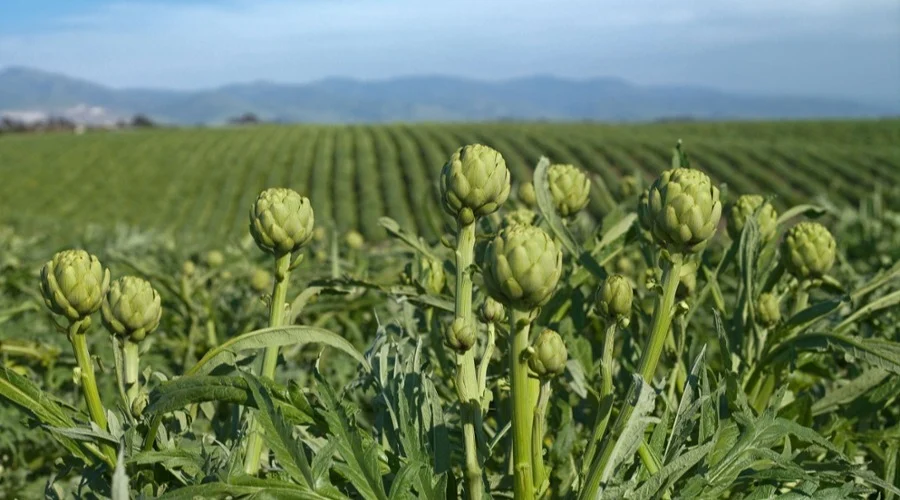
The primary and most prolific artichoke season in California unfolds during the spring months, typically from March through May. This period is when the plants, revitalized by winter rains and gentle spring sunshine, yield their most abundant and tender buds. During these months, the fields along the Central Coast burst into a lush, vibrant green, dotted with the distinctive silver-green foliage of artichoke plants.
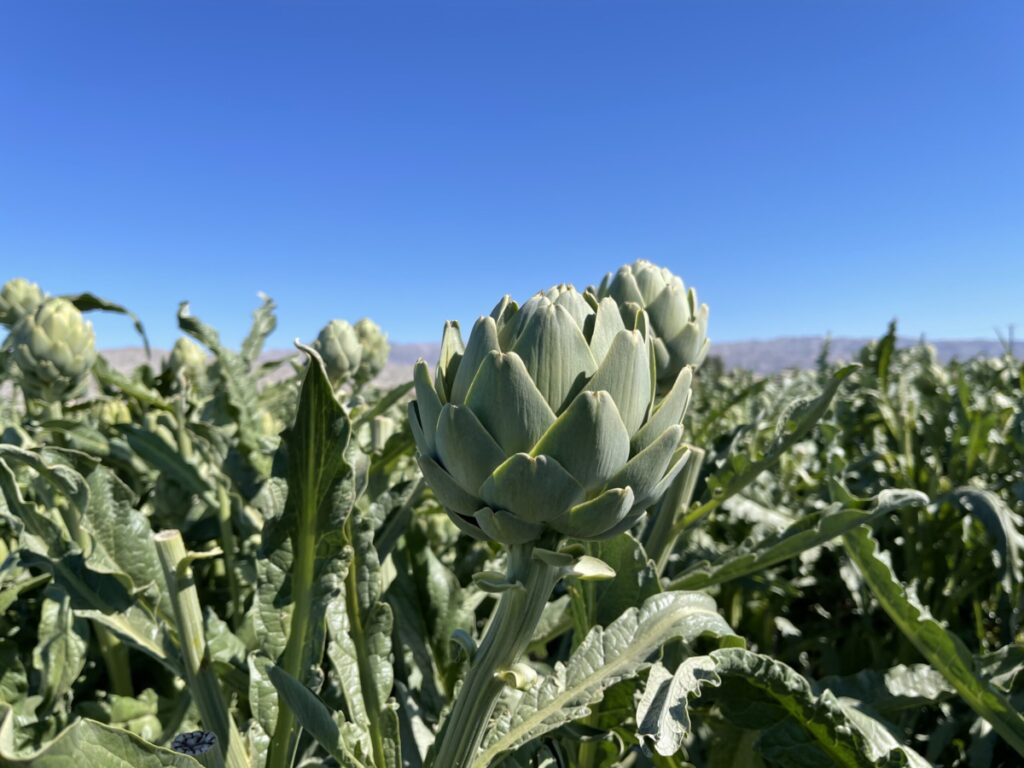
Visiting during the spring ensures access to the freshest, most succulent artichokes. Roadside stands overflow with newly picked produce, and local markets proudly display a wide array of sizes, from tiny ‘baby’ artichokes perfect for quick preparation to large, majestic globes ideal for steaming and sharing. The flavor profile of spring artichokes is often described as subtly sweet, with a delicate nutty undertone and a tender, creamy texture. This is the quintessential time for tourists to immerse themselves in the artichoke experience, whether through farm visits, culinary tours, or simply enjoying artichoke-centric dishes at local restaurants. The sheer volume and quality of the harvest during spring also mean more competitive pricing, allowing travelers to savor more for less.
The Reliable Fall Harvest: September to October
While spring takes the spotlight, California also enjoys a secondary, albeit smaller, artichoke season in the fall, generally from September to October. This harvest benefits from the milder temperatures following the summer heat, producing another flush of high-quality artichokes. Though not as voluminous as the spring yield, fall artichokes are equally flavorful and often prized for their slightly denser texture.
For travelers who prefer to avoid the peak tourist crowds of spring or whose schedules align better with autumn, the fall artichoke season provides an excellent alternative. The cooler weather makes for pleasant exploration of the Central Coast region, and the fewer crowds mean a more relaxed and intimate experience. Fall artichokes are just as versatile in the kitchen, lending themselves beautifully to roasted preparations or hearty stews as the weather turns cooler. Local restaurants continue to feature them prominently on their menus, incorporating them into seasonal dishes that celebrate the bounty of autumn.
Year-Round Availability vs. Peak Freshness
Thanks to California’s unique Mediterranean climate, which includes mild winters and consistent fog along the coast, artichokes are technically available year-round. Growers employ various techniques to extend the harvest, ensuring that consumers can find artichokes even outside the main seasons. However, for a true appreciation of the artichoke’s peak flavor and texture, visiting during the spring or fall harvests is highly recommended. The difference in freshness and quality between a seasonally harvested artichoke and one grown out of season is palpable, offering a more authentic and rewarding culinary experience.
[Castroville]: The Artichoke Capital and Its Bounty
No discussion of California’s artichoke industry is complete without shining a spotlight on Castroville. This small town, nestled in the heart of the Salinas Valley just inland from Monterey Bay, proudly bears the moniker “Artichoke Capital of the World.” For over a century, Castroville has been the epicenter of artichoke cultivation, responsible for an astounding percentage of the nation’s supply.
Why [Castroville] Reigns Supreme
The town’s unparalleled success in artichoke farming is no accident. [Castroville]’s geographical location provides an almost perfect microclimate for the plant. The daily coastal fog, rolling in from Monterey Bay, acts as a natural air conditioner, preventing the artichokes from bolting (flowering prematurely) in the heat. Coupled with fertile, well-drained soil and consistent moderate temperatures, these conditions create an ideal environment for growing large, tender, and robust artichokes. Generations of farming expertise have also contributed to [Castroville]’s legacy, with families passing down specialized knowledge and techniques that ensure the continued quality of their crop.
The [Castroville Artichoke Food & Wine Festival]: A Culinary Landmark
For tourists, the ultimate artichoke experience in [Castroville] is undoubtedly the Castroville Artichoke Food & Wine Festival. Held annually, typically in May during the peak spring harvest, this festival is a vibrant celebration of all things artichoke. It attracts thousands of visitors from across the globe, eager to revel in the unique culture and cuisine of artichoke country.
The festival offers an incredible array of activities and attractions:
- Artichoke Tastings: From classic steamed and grilled artichokes to innovative preparations like artichoke bread, cupcakes, and even ice cream, the festival is a culinary playground. It’s an opportunity to sample the artichoke in every conceivable form.
- Cooking Demonstrations: Renowned chefs often grace the stages, showcasing their skills and sharing tips on how to prepare artichokes at home, often using the freshest local produce.
- Farm Tours: Many local farms open their gates, offering guided tours through the fields. This provides a fascinating insight into the cultivation process, from planting to harvest, and allows visitors to see where their food truly comes from.
- Live Entertainment: Music, dance, and family-friendly activities create a lively atmosphere, making the festival an enjoyable experience for all ages.
- Art and Craft Vendors: Local artisans display their wares, often inspired by the region’s agricultural heritage.
- Wine and Beer Gardens: The Central Coast is also known for its burgeoning wine industry, and the festival provides an excellent opportunity to sample local wines and craft beers that pair beautifully with artichoke dishes.
Attending the [Castroville Artichoke Food & Wine Festival] is more than just a meal; it’s an immersive cultural experience that connects visitors directly to the heart of [California]’s agricultural landscape and the passionate community that sustains it.
A Culinary Journey Through Artichoke Country
Beyond the festivals and dedicated farming towns, the entire Monterey Bay region, stretching through Monterey, Carmel-by-the-Sea, and Pacific Grove, offers a rich tapestry of culinary experiences centered around the artichoke. For the discerning traveler, discovering these local flavors is an essential part of the journey.
Sourcing the Freshest Buds: Roadside Stands and Farmers’ Markets
The most authentic way to experience [California]’s artichoke season is to buy directly from the source. As you drive along the scenic routes of the Central Coast, particularly around [Castroville], you’ll encounter numerous roadside stands. These stands, often operated by the farmers themselves, offer the freshest possible artichokes, often picked just hours before. The direct connection to the grower allows for insights into the different varieties and their best uses.
Farmers’ markets in towns like [Monterey], [Carmel-by-the-Sea], and [Pacific Grove] are also fantastic venues. Here, you’ll find not only globe artichokes but often ‘baby’ artichokes, ideal for grilling or sautéing whole, as well as a range of other local produce that perfectly complements the artichoke’s flavor. When selecting an artichoke, look for ones that feel heavy for their size, have tightly packed leaves, and squeak when squeezed gently. A vibrant green color and firm stem are also good indicators of freshness.
Indulging in Local Eateries: Artichoke on Every Menu
During peak season, artichokes become a star ingredient on menus across the Central Coast. Restaurants, from casual cafes to upscale dining establishments, pride themselves on showcasing this local treasure in diverse and imaginative ways.
- Classic Preparations: Steamed artichokes served with melted butter, hollandaise, or aioli are a timeless favorite, allowing the vegetable’s natural flavors to shine.
- Grilled and Roasted: Many establishments excel at grilling or roasting artichoke hearts, imparting a smoky char and tenderizing the flesh. These are often featured in salads, pasta dishes, or as a standalone appetizer.
- Artichoke Dips and Spreads: Creamy artichoke dips, often combined with spinach and cheese, are ubiquitous and highly addictive, perfect for sharing.
- Innovative Dishes: Expect to find creative culinary interpretations such as artichoke pizzas, fritters, soups, and even artichoke-infused cocktails, particularly in the more gourmet restaurants of [Monterey] and [Carmel-by-the-Sea].
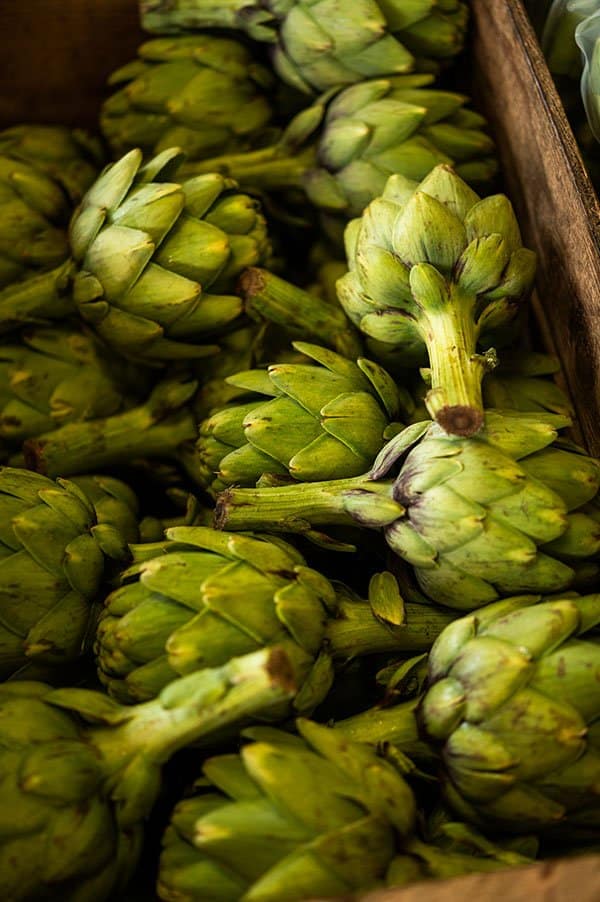
Exploring these local culinary offerings provides a delightful gastronomic tour, highlighting the versatility of the artichoke and the creativity of [California]’s chefs.
Pairing with Local Wines
The Central Coast is also a renowned wine region, producing exceptional varietals that pair beautifully with artichoke dishes. Look for crisp white wines like Sauvignon Blanc or un-oaked Chardonnay from the Monterey Bay or Salinas Valley appellations. Their bright acidity and fruity notes can cut through the artichoke’s sometimes challenging flavor profile (due to cynarin), enhancing the overall dining experience. Light-bodied Pinot Noir, another signature wine of the region, can also be a delightful pairing with grilled or roasted artichoke preparations.
Beyond the Bud: Exploring the [Monterey Bay] Region
While artichokes may be the initial draw, a visit during the peak season offers a golden opportunity to explore the wider Monterey Bay region, a destination rich in natural beauty, history, and diverse attractions. Integrating an artichoke-focused trip with broader tourism activities transforms a culinary outing into a comprehensive [California] adventure.
Scenic Drives and Coastal Marvels
The Central Coast is renowned for its breathtaking scenic drives. Highway 1, one of the world’s most iconic coastal roads, skirts the artichoke fields before winding south through dramatic cliffs and ocean vistas. A drive along [Highway 1] offers unparalleled photographic opportunities and stunning views of the Pacific Ocean, linking the agricultural heartland with the majestic coastline. Traveling between [Castroville] and charming towns like [Monterey] or [Carmel-by-the-Sea] becomes an experience in itself.
Coastal Towns and Iconic Attractions
The artichoke-growing region serves as an excellent base for exploring some of [California]’s most beloved coastal destinations:
- [Monterey]: Historic [Monterey] offers the famous Monterey Bay Aquarium, a world-class marine research and conservation institution. Cannery Row, once a sardine canning district immortalized by John Steinbeck, now bustles with shops, restaurants, and hotels. The Old Fisherman’s Wharf provides a taste of the city’s fishing heritage and opportunities for whale watching tours.
- [Carmel-by-the-Sea]: This quaint village is famed for its fairy-tale cottages, art galleries, boutique shops, and pristine white-sand beach. It’s a perfect spot for a leisurely stroll, fine dining, or simply soaking in the charming atmosphere.
- [Pacific Grove]: Known as “America’s Last Hometown,” [Pacific Grove] boasts beautiful Victorian homes, a picturesque lighthouse, and a vibrant monarch butterfly sanctuary (active seasonally). Its scenic coastal path is ideal for walking or cycling.
- [Pebble Beach]: Home to world-renowned golf courses and the iconic 17-Mile Drive, [Pebble Beach] offers stunning oceanfront vistas, cypress trees, and luxurious surroundings. While typically a paid drive, the views are spectacular.
These towns provide a diverse range of activities, from educational marine encounters to leisurely beachcombing and upscale shopping, ensuring there’s something for every traveler.
Outdoor Activities and Nature Immersion
Beyond the towns, the Monterey Bay area is a haven for outdoor enthusiasts.
- Whale Watching: The nutrient-rich waters of the [Monterey Bay] Canyon attract a variety of marine life, making it one of the best places in the world for whale watching. Grey whales migrate through during winter and spring, while humpbacks and blue whales are often seen in summer and fall.
- Hiking and Cycling: Numerous trails wind through coastal parks, redwood forests, and along the scenic coastline, catering to all fitness levels.
- Kayaking and Paddleboarding: Explore the calm waters of the bay, often encountering sea otters, harbor seals, and various seabirds up close.
By combining the culinary delights of artichoke season with the myriad attractions of the [Monterey Bay] region, visitors can craft an unforgettable [California] travel experience, blending gastronomy with natural beauty and cultural exploration.
Planning Your Artichoke Adventure: Tips for Travelers
To make the most of your artichoke adventure in [California], a little planning goes a long way. Here are some practical tips for travelers aiming to immerse themselves in this unique culinary and cultural experience.
Best Time to Visit
For the most vibrant experience, plan your trip during the spring season (March to May), particularly if you wish to attend the [Castroville Artichoke Food & Wine Festival]. This is when the artichokes are most abundant, and the coastal weather is typically mild and pleasant. If you prefer fewer crowds and slightly cooler temperatures, the fall season (September to October) still offers excellent artichokes and a more tranquil atmosphere.
Getting There and Around
The Central Coast region is easily accessible by car. It’s approximately a two-hour drive south of the San Francisco Bay Area and about five to six hours north of Los Angeles. Renting a car is highly recommended, as it provides the flexibility to explore the artichoke fields, coastal towns, and scenic drives at your own pace. Public transportation options are limited in the more rural artichoke-growing areas, though regional buses connect the main towns.
Accommodation Options
The Monterey Bay area offers a wide range of accommodation choices to suit every budget and preference.
- Boutique Hotels and Inns: In towns like [Carmel-by-the-Sea] and [Pacific Grove], charming boutique hotels and historic inns provide a cozy and luxurious stay.
- Chain Hotels: [Monterey] offers a good selection of well-known hotel chains, providing reliable comfort and amenities, often with easy access to attractions.
- Vacation Rentals: For a more home-like experience, especially for families or longer stays, consider vacation rentals in [Monterey], [Pacific Grove], or even closer to [Castroville].
- Budget-Friendly Options: There are also motels and more economical lodging choices, particularly along the main highways and in less tourist-centric areas.
Book accommodations in advance, especially if you plan to visit during the spring festival or other popular events, as the region can fill up quickly.
What to Pack
Coastal [California] weather can be famously unpredictable, even within the same day. Layered clothing is essential. Be prepared for cool mornings and evenings, even in spring and summer, with warmer afternoons. A light jacket or sweater, comfortable walking shoes, and sun protection (hat, sunglasses, sunscreen) are highly recommended. If you plan on hiking or engaging in water activities, pack appropriate gear.
Responsible Tourism
When visiting artichoke country, embrace responsible tourism practices. Support local farmers by purchasing artichokes and other produce directly from roadside stands and farmers’ markets. Dine at locally owned restaurants that champion regional ingredients. Be respectful of agricultural lands and private property, and always practice Leave No Trace principles when exploring natural areas. Your visit helps sustain the unique agricultural heritage and vibrant communities of the Central Coast.
By following these tips, travelers can ensure a fulfilling and memorable experience, delving deep into the heart of [California]’s artichoke season and discovering the broader charms of the [Monterey Bay] region.
LifeOutOfTheBox is a participant in the Amazon Services LLC Associates Program, an affiliate advertising program designed to provide a means for sites to earn advertising fees by advertising and linking to Amazon.com. Amazon, the Amazon logo, AmazonSupply, and the AmazonSupply logo are trademarks of Amazon.com, Inc. or its affiliates. As an Amazon Associate we earn affiliate commissions from qualifying purchases.