
For lovers of the creamy, emerald-green fruit, there’s nothing quite like a perfectly ripe avocado. And when it comes to avocados, California stands as a beacon, producing the vast majority of the nation’s supply. Understanding when avocado season peaks in the Golden State isn’t just a matter of culinary curiosity; it’s a key piece of knowledge for any tourist planning to experience the vibrant local culture, food scene, and agricultural beauty that defines much of its coastal regions. An avocado-centric trip to California offers a unique blend of gastronomic delight, scenic beauty, and authentic local experiences, making the timing of your visit paramount. This guide will delve into the intricacies of California’s avocado season, offering insights for travelers keen to savor this beloved fruit at its finest.
Understanding California’s Avocado Bounty
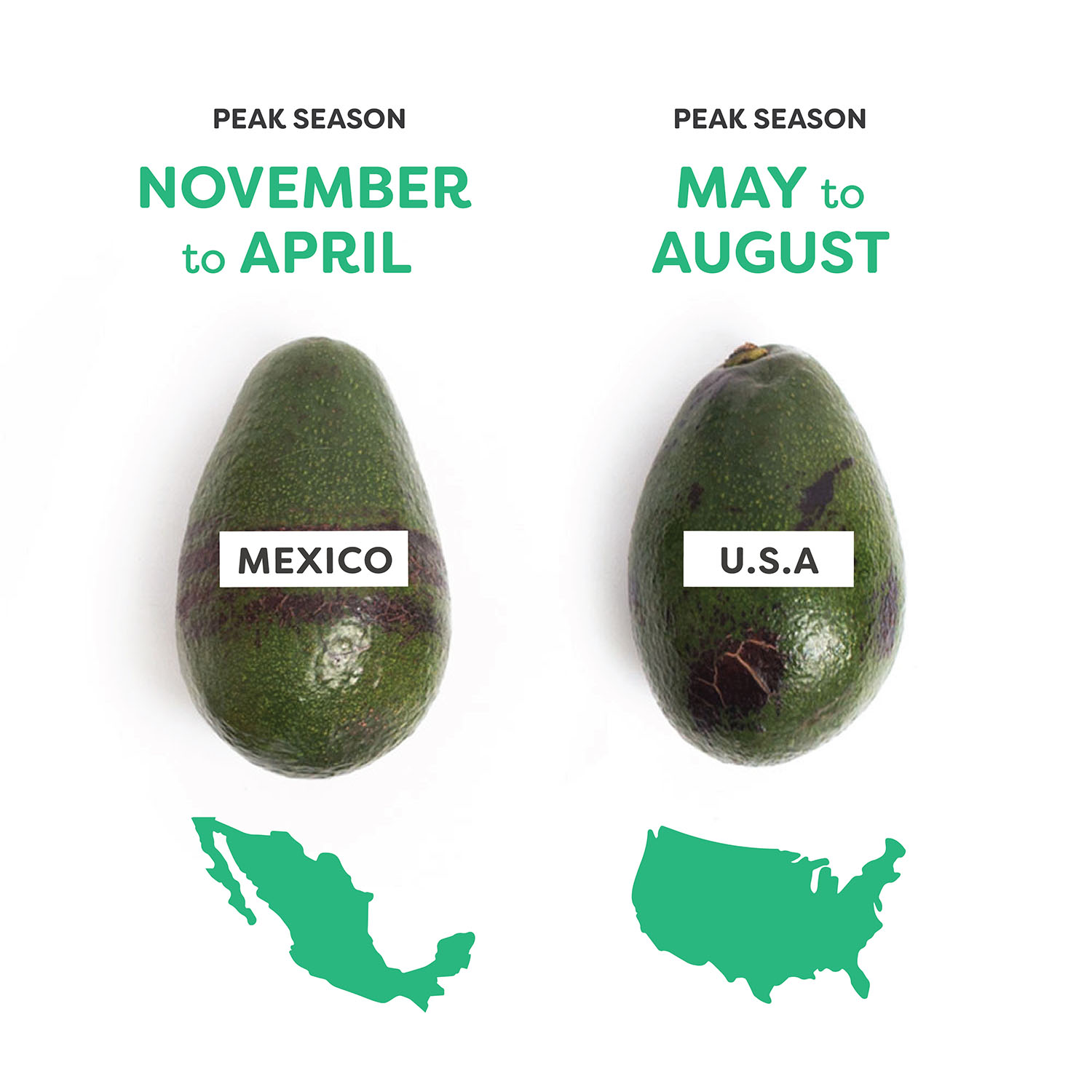
California’s unique Mediterranean climate, characterized by warm, dry summers and mild, wet winters, creates an ideal environment for avocado cultivation. While many might associate “avocado season” with a single, distinct period, the reality is far more nuanced, thanks to the diversity of avocado varieties grown across different microclimates within the state. This extended harvest period allows for a nearly year-round supply of locally grown avocados, albeit with specific peak times for the most popular varieties.
The Diverse Avocado Varieties and Their Seasons
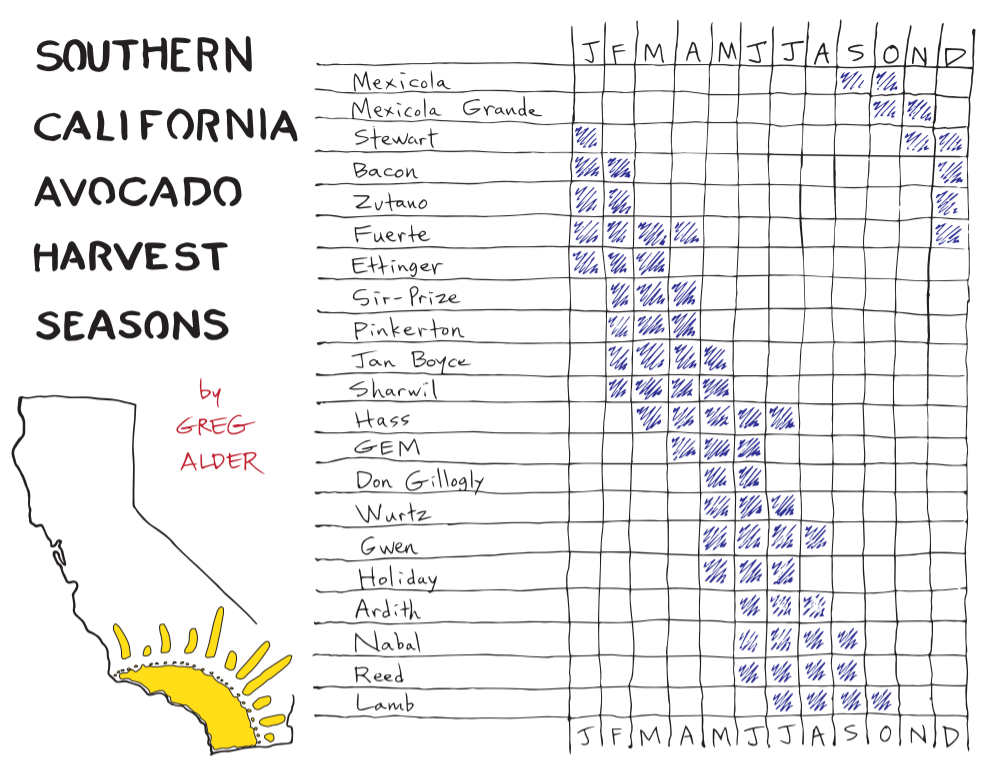
The avocado world is far richer than just the ubiquitous Hass avocado, though Hass certainly reigns supreme in terms of commercial production and consumer familiarity. Each variety boasts its own flavor profile, texture, and, critically, its own optimal harvest window.
- Hass: Accounting for approximately 95% of California’s avocado crop, the Hass avocado is the star. Its season typically runs from late winter through fall, with its peak often considered to be spring and summer (April to September). Known for its rich, nutty flavor and creamy texture, the skin darkens as it ripens, making it easy to identify. For most tourists, seeking out fresh Hass avocados will be the primary objective.
- Fuerte: This pear-shaped variety, one of the original avocados grown in California, has a lighter, somewhat grassy flavor and smooth, easy-to-peel green skin that stays green even when ripe. Fuerte avocados are typically harvested from late fall through spring (November to May), offering a delicious alternative during the cooler months.
- Reed: A large, round avocado with thick, green skin that doesn’t change color much when ripe. Reed avocados have a slightly nutty flavor and a creamy texture, often with a higher oil content than Hass. Their season is generally from summer into early fall (June to October), making them a great find during warmer weather.
- Zutano: Known for their shiny, thin green skin and large size, Zutano avocados have a milder flavor and lower oil content compared to Hass. They are an early-season variety, typically available from late fall through winter (October to February).
- Pinkerton: Another pear-shaped variety with thick, green, easy-to-peel skin. Pinkerton avocados are known for their small seed and creamy, flavorful flesh. Their season generally overlaps with Fuerte, from winter to spring (December to April).
Understanding these varieties and their respective seasons allows tourists to appreciate the full spectrum of California’s avocado offerings and plan their trip to coincide with their preferred type.
Geographical Impact: How Different Regions Contribute
Avocado cultivation in California is concentrated in the southern coastal and inland valleys, where the climate is most favorable. The distinct microclimates within these regions lead to slightly varied harvest times and specialties.
- San Diego County: Often hailed as the “Avocado Capital of the World,” San Diego County is the leading producer of California avocados. Towns like Fallbrook are particularly famous. Its warm days and cool ocean breezes create ideal conditions for Hass and other varieties, with a typically extended season.
- Ventura County: North of Los Angeles, Ventura County is another significant growing region. Its diverse terrain, from coastal plains to inland valleys, supports a robust avocado industry.
- Santa Barbara County: Moving further north, Santa Barbara County (especially areas around Carpinteria) benefits from similar coastal influences, producing excellent avocados.
- Riverside County: Inland regions like those around Temecula in Riverside County also contribute significantly, though their climate can lead to slightly different harvest timings compared to the immediate coast.
Tourists exploring these regions will find roadside stands, local markets, and farm-to-table restaurants that highlight the freshest local produce, making a culinary journey through these areas incredibly rewarding.
Peak Season for the Perfect Avocado Experience
While avocados are available year-round in California due to diverse varieties and growing regions, there’s definitely a “sweet spot” when the quality and abundance are at their absolute best.
General Timelines: When to Expect the Best
For the quintessential California avocado experience, the spring and summer months (roughly April to September) are generally considered prime time. This period is when the dominant Hass variety is at its peak harvest. During these months, avocados are typically larger, richer in flavor, and more consistently available at farmers’ markets, grocery stores, and restaurants throughout the state. The warmth of the spring sun and the longer daylight hours contribute to the fruit’s optimal oil content and creamy texture.
Visiting during this peak season ensures that travelers will have the widest selection of the freshest, most flavorful avocados directly from the source, enhancing any food-related touring activities.
Factors Influencing Harvest: Climate and Cultivation Practices
Avocado harvest is not an exact science, as it’s heavily influenced by environmental factors. A particularly warm spring might accelerate ripening, while a cooler, wetter season could delay it. Experienced growers continuously monitor their groves, testing fruit for oil content and dry matter to determine the precise moment of optimal ripeness for harvest. This meticulous approach ensures that only the highest quality fruit reaches consumers.
Sustainable cultivation practices also play a role, with many California growers adopting water-efficient irrigation and integrated pest management to ensure long-term productivity and environmental health. Tourists interested in the agricultural aspect of their food can often find opportunities to learn about these practices directly from the farmers themselves.
Embracing Avocado Tourism in California
For the dedicated avocado enthusiast, a trip to California during peak season offers more than just delicious fruit; it presents a chance to immerse oneself in a unique culinary and cultural landscape.
Avocado Festivals and Events
One of the most vibrant ways to celebrate California’s avocado bounty is by attending one of its dedicated festivals. These events are a fantastic opportunity for tourists to sample a wide array of avocado-inspired dishes, learn about cultivation, and enjoy local entertainment.
- California Avocado Festival (Carpinteria): Held annually in Carpinteria, Santa Barbara County, typically in early October, this is one of the largest avocado festivals in the world. It features live music, arts and crafts vendors, a wide variety of avocado dishes (from guacamole to avocado ice cream), and educational exhibits on avocado growing. While Hass season might be winding down, late-season varieties like Reed or early Fuertes might be available, and the celebration itself is worth the visit.
- Fallbrook Avocado Festival (Fallbrook): The “Avocado Capital of the World” naturally hosts its own festival, usually in April. This event in San Diego County is a must for those wanting to experience the heart of avocado country, featuring a parade, entertainment, and, of course, an abundance of fresh avocados and avocado-themed creations.
Attending these festivals offers an unparalleled sensory experience, allowing visitors to engage directly with the local culture surrounding this cherished fruit.
Farm Tours and Roadside Stands
For a more intimate experience, exploring the avocado groves directly is highly recommended. Many farms, particularly in San Diego County around Fallbrook and Temecula in Riverside County, offer tours that provide insights into the agricultural process, from planting to harvest. Visitors can learn about different avocado varieties, sustainable farming practices, and even pick their own fruit in some instances.
Roadside stands, particularly prevalent along scenic routes in growing regions, offer a charming way to purchase freshly harvested avocados directly from local growers. These often provide the best value and the freshest produce, allowing tourists to taste the true difference of a locally sourced, perfectly ripe avocado. Some farms may also have small shops selling avocado-based products like oils, lotions, and salsas.
Culinary Experiences: Restaurants and Recipes
California’s culinary scene fully embraces the avocado. During peak season, restaurants across the state—from casual cafes to high-end dining establishments in cities like Los Angeles and San Francisco—feature avocados prominently on their menus. This is the ideal time to indulge in classic dishes like authentic guacamole, avocado toast, and innovative avocado-infused creations, knowing that the fruit is at its prime.
Many farm-to-table restaurants in towns nestled within avocado country, such as Ojai or San Luis Obispo, pride themselves on sourcing the freshest local produce, making them perfect stops for an avocado-centric meal. Tourists can also find cooking classes that often highlight seasonal ingredients, including avocados, allowing them to take home not just the taste but also the skills to recreate California’s avocado magic.
Planning Your Avocado-Centric California Trip
To make the most of California’s avocado season, a little strategic planning goes a long way.
Best Times to Visit for Specific Experiences
- For Peak Hass Avocados & Festivals: Aim for April to September, with specific emphasis on April for the Fallbrook festival and October for the Carpinteria festival. The overlap of peak Hass season with spring and summer ensures the best fruit quality for general enjoyment.
- For Winter Varieties (Fuerte, Zutano, Pinkerton): Consider a trip from November to March. While Hass availability might be lower, these months offer a chance to explore the unique flavors of other, lesser-known but equally delicious, avocado types.
- For Farm Tours: Most farm tours are available year-round, but visiting during the warmer months allows for more comfortable exploration of the groves.
Tips for Selecting and Enjoying Avocados
When visiting markets or roadside stands, here are some tips for selecting the best avocados:
- Hass: Look for fruit that yields to gentle pressure when squeezed. The skin color should be dark green to purplish-black.
- Green-skinned varieties (Fuerte, Reed, Zutano, Pinkerton): These varieties retain their green skin when ripe. Feel for a slight softness; avoid overly soft or hard fruit.
- Storage: If buying unripe, store at room temperature until ready. To speed up ripening, place in a paper bag with an apple or banana. Once ripe, refrigerate to extend freshness.
Don’t be afraid to ask local vendors for advice on ripeness and best uses for different varieties. They are often happy to share their knowledge.
Beyond the Fruit: Avocado-Related Products and Souvenirs
The avocado’s versatility extends beyond just eating. Tourists will find an array of avocado-related products that make excellent souvenirs or gifts.
- Avocado Oil: A healthy and flavorful cooking oil, often cold-pressed from local avocados.
- Avocado Skincare Products: The oil is highly moisturizing and used in soaps, lotions, and balms.
- Avocado-themed Crafts: From kitchenware to apparel, local artisans often incorporate avocado motifs into their creations, especially at festivals.
These products offer a way to take a piece of California’s avocado culture home with you, extending the experience long after your trip concludes.
In conclusion, while California provides avocados year-round, the peak season for the highly sought-after Hass variety runs from late winter through fall, with a particular abundance in spring and summer. Planning your visit during these times, especially coinciding with local avocado festivals, will unlock the most authentic and delicious avocado tourism experience. From farm tours to culinary delights, California’s avocado season is a vibrant testament to its agricultural heritage and a treat for every traveler’s palate.
LifeOutOfTheBox is a participant in the Amazon Services LLC Associates Program, an affiliate advertising program designed to provide a means for sites to earn advertising fees by advertising and linking to Amazon.com. Amazon, the Amazon logo, AmazonSupply, and the AmazonSupply logo are trademarks of Amazon.com, Inc. or its affiliates. As an Amazon Associate we earn affiliate commissions from qualifying purchases.