
The question of “When is crawfish season in New Orleans?” is more than just a culinary inquiry; it’s a gateway to understanding the rhythm of New Orleans and its vibrant culture. This crustacean, often called “mudbugs” or “crawdads,” holds a special place in the heart of the Louisiana culinary scene, and its availability dictates a significant portion of local festivities, restaurant menus, and the overall gastronomic experience of the city. For any traveler planning a trip to the Big Easy with the specific aim of indulging in this seasonal delicacy, timing is paramount.
The Essence of Crawfish Season
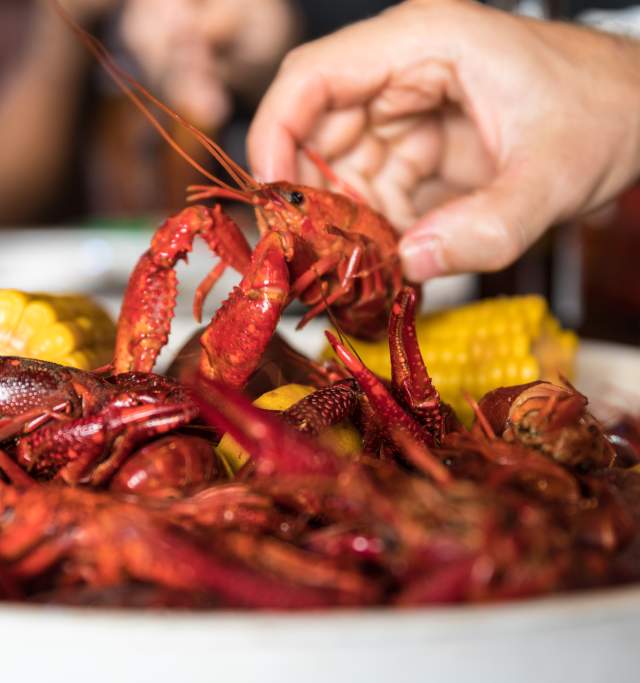
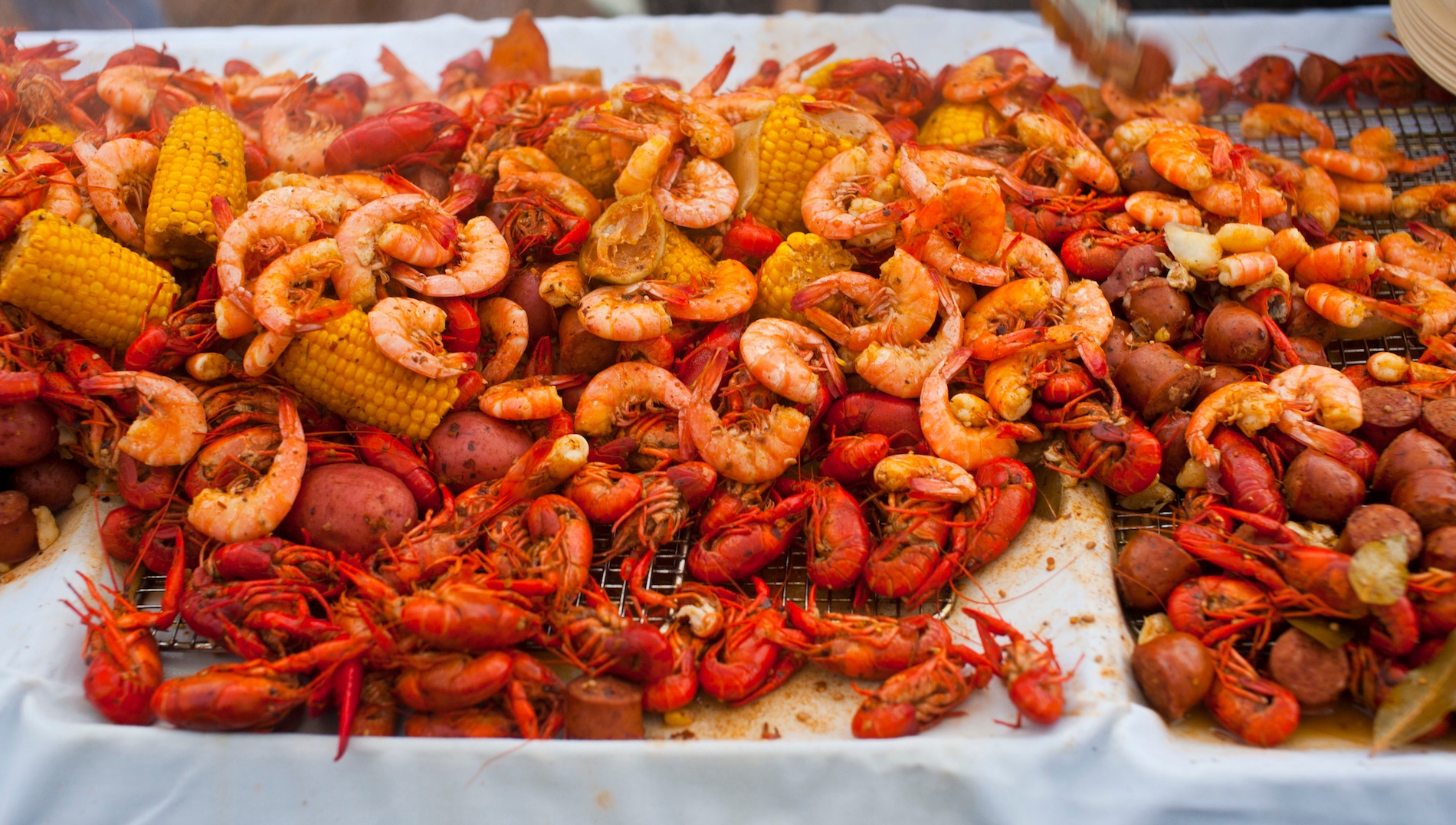
Crawfish season in New Orleans is a deeply ingrained part of the city’s identity, intertwined with its history, its people, and its way of life. It’s not simply a period of time when a particular food is available; it’s an event, a celebration, and an integral component of the Louisiana culture. The anticipation builds as the colder months wane, and the first signs of warm weather herald the arrival of these beloved creatures. Locals eagerly await the opening of the “crawfish boils,” communal gatherings where mounds of spicy, perfectly seasoned crawfish are piled high on newspaper-covered tables, ready to be peeled and devoured by hand.
The entire experience is a sensory delight. The aroma of simmering crawfish, infused with Louisiana spices like cayenne pepper, garlic, and paprika, fills the air. The vibrant red shells glisten under the bright lights of a backyard boil or the warm ambiance of a local restaurant. The communal aspect of a crawfish boil is equally important. Families and friends gather, sharing laughter and stories as they meticulously peel each crawfish, extracting the succulent meat from the tail and savoring the rich “head cheese.” This shared ritual fosters a sense of connection and community, a testament to the importance of food in New Orleans life.
Beyond the boils, crawfish finds its way into a multitude of classic New Orleans dishes. From the rich and roux-laden crawfish étouffée, a comforting stew served over rice, to the flavorful crawfish beignets, a crispy fried appetizer, the versatility of this ingredient is astounding. Crawfish pasta dishes, crawfish cornbread, and even crawfish-stuffed mirlitons showcase the culinary creativity inspired by the season. For the adventurous palate, a dive into New Orleans cuisine during crawfish season is an unforgettable journey.
Understanding the Factors Influencing Seasonality
The precise timing of crawfish season is not a fixed date on the calendar. Instead, it’s a dynamic period influenced by a confluence of environmental factors, primarily weather patterns. The abundance and quality of crawfish are intrinsically linked to the Louisiana ecosystem, and understanding these influences can help visitors plan their trips more effectively.
The Crucial Role of Weather
The most significant determinant of crawfish season is the weather. Crawfish, being cold-blooded crustaceans, are highly sensitive to water temperatures. They become most active and reproduce when the water warms up. This typically occurs in the late winter and early spring. A mild winter generally leads to an earlier start to the season, while a harsh, cold winter can delay the emergence of crawfish.
Rainfall also plays a critical role. Crawfish thrive in freshwater environments, particularly in shallow ponds, marshes, and bayous. Adequate rainfall replenishes these habitats, creating ideal conditions for crawfish to grow and multiply. Drought conditions, conversely, can negatively impact crawfish populations and shorten the season.
The Life Cycle of the Crawfish
The life cycle of the crawfish further dictates the seasonal availability. After mating, the female crawfish carry their eggs attached to their swimmerets until they hatch. The young crawfish then remain with the mother for a period before becoming independent. As the water temperature rises, these juvenile crawfish begin to mature, and by late winter and early spring, they reach a size and maturity suitable for harvesting.
The peak of the season, when crawfish are most abundant and largest, generally occurs in the spring months. This is when you’ll find the most impressive displays at markets and the most plentiful offerings on restaurant menus. As the water temperatures continue to rise into the summer, crawfish can become less active and potentially smaller, signaling the winding down of the season.
When to Plan Your New Orleans Crawfish Adventure
Based on the interplay of weather and the crawfish life cycle, we can pinpoint the most opportune times to visit New Orleans for the ultimate crawfish experience. While the exact start and end dates can fluctuate year by year, there’s a generally accepted window that seasoned locals and culinary travelers keep a close eye on.
The Prime Season: Late Winter to Mid-Spring

The crawfish season typically kicks off in earnest around January or February. However, this early period might offer smaller catches and a less consistent supply. The real magic begins to unfold as we move into March, April, and sometimes even into May.
March and April are often considered the sweet spot for crawfish season in New Orleans. During these months, the weather is usually pleasant, and the crawfish populations are at their peak. You’ll find an abundance of crawfish at every price point, from backyard boils hosted by locals to high-end restaurants showcasing creative crawfish dishes. The weather in New Orleans during this time is generally mild and inviting, perfect for outdoor dining and exploring the city’s vibrant streets.
While the season can extend into May, the availability and size of crawfish may begin to diminish as the summer heat sets in. However, for those who can’t make it during the traditional spring months, late spring can still offer a rewarding experience, especially in restaurants that prioritize sourcing the best available product.
Beyond the Peak: Early and Late Season Considerations
While March and April are ideal, it’s worth noting that crawfish can sometimes be found in smaller quantities outside of this core period. Some dedicated fishermen and restaurateurs will work to provide crawfish even in the shoulder seasons.
- Early Season (Late January – February): If you visit New Orleans in late January or February, you might be lucky enough to catch the very beginning of the season. However, expect fewer options and potentially higher prices. The crawfish might also be smaller in size. This is a good time for the true aficionado who wants to be among the first to experience the new season’s bounty.
- Late Season (Late May – Early June): As New Orleans heats up in late May and early June, the crawfish season naturally starts to wind down. While some areas might still have crawfish available, they are often smaller and less plentiful. However, some places might continue to offer them until the supply runs out.
Factors That Can Alter the Schedule
It’s important to remember that the crawfish season is not an exact science. Several unpredictable factors can influence its duration and intensity:
- Unusual Weather Patterns: A particularly cold snap in spring can halt activity, while an unusually warm winter can bring the season on earlier. Extreme weather events like hurricanes can also disrupt the delicate ecosystem crawfish depend on.
- Market Demand: The demand for crawfish can sometimes influence how long fishermen continue to harvest. If there’s strong demand, they may extend their efforts as long as it’s economically viable.
Experiencing Crawfish Season in New Orleans
To truly immerse yourself in the crawfish season, consider these tips for experiencing it like a local. New Orleans offers a spectrum of opportunities, from casual backyard gatherings to sophisticated culinary explorations.
Where to Find the Best Crawfish
New Orleans is brimming with fantastic spots to enjoy crawfish. The type of experience you’re looking for will help guide your choices.
- Local Dive Bars and Neighborhood Joints: These are often the heart of the crawfish scene. Places like Poche’s Restaurant in Breaux Bridge (though a drive from New Orleans, it’s a legendary spot) or numerous unnamed neighborhood bars in New Orleans itself offer authentic, no-frills crawfish boils. Expect picnic tables, plastic bibs, and a lively atmosphere.
- Dedicated Crawfish Restaurants: As the season peaks, many restaurants shift their focus to crawfish. You’ll find places specializing in boiled crawfish, as well as those offering innovative crawfish dishes on their menus. Look for restaurants with outdoor seating, as many enjoy their crawfish al fresco.
- Festivals and Events: Throughout crawfish season, New Orleans and surrounding towns often host crawfish festivals. These are fantastic opportunities to sample crawfish from various vendors, enjoy live music, and soak in the festive atmosphere. The New Orleans Jazz & Heritage Festival often coincides with the peak of crawfish season, offering a chance to combine culinary and musical delights.
Making the Most of Your Visit
Planning your trip around crawfish season requires a bit of foresight, but the rewards are immense. Here are some additional considerations:
- Accommodation: Book your hotel in New Orleans well in advance, especially if you’re traveling during a popular period like March or April, or during major events like the New Orleans Jazz & Heritage Festival. Options range from luxurious hotels in the French Quarter like the Roosevelt New Orleans, A Waldorf Astoria Hotel, to charming boutique hotels and vacation rentals throughout the city.
- Dining Reservations: For highly sought-after restaurants, making reservations is crucial, particularly if you’re planning to dine during prime crawfish season.
- Transportation: While New Orleans is a walkable city, especially in areas like the French Quarter, having a plan for getting to different neighborhoods for a specific crawfish experience is helpful. Ride-sharing services and streetcars are convenient options.
- Embrace the Experience: Don’t be afraid to get your hands dirty! Crawfish boils are meant to be hands-on. Peel, eat, and enjoy the messy, delicious process. Don’t forget to try the “mudbug” shooters (the flavorful broth left in the pot) and any unique crawfish appetizers offered.
In conclusion, the question of “When is crawfish season in New Orleans?” is an invitation to a delicious and culturally rich experience. By understanding the seasonality and planning your visit accordingly, you can unlock the full potential of this cherished Louisiana tradition and savor some of the finest culinary delights the Big Easy has to offer.
LifeOutOfTheBox is a participant in the Amazon Services LLC Associates Program, an affiliate advertising program designed to provide a means for sites to earn advertising fees by advertising and linking to Amazon.com. Amazon, the Amazon logo, AmazonSupply, and the AmazonSupply logo are trademarks of Amazon.com, Inc. or its affiliates. As an Amazon Associate we earn affiliate commissions from qualifying purchases.