
For many outdoor enthusiasts and seasoned hunters, the prospect of deer season in Alabama represents more than just a pursuit; it’s a cherished annual tradition, a lifestyle, and often, a catalyst for memorable travel experiences. Alabama, known as the “Heart of Dixie,” boasts a rich natural landscape, from the Appalachian foothills to the coastal plains, offering diverse habitats that support a thriving deer population. This makes it a prime destination for hunters across the nation. But beyond the thrill of the hunt, a trip to Alabama during deer season opens up a world of tourism opportunities, blending outdoor adventure with cultural exploration, culinary delights, and comfortable accommodation options.
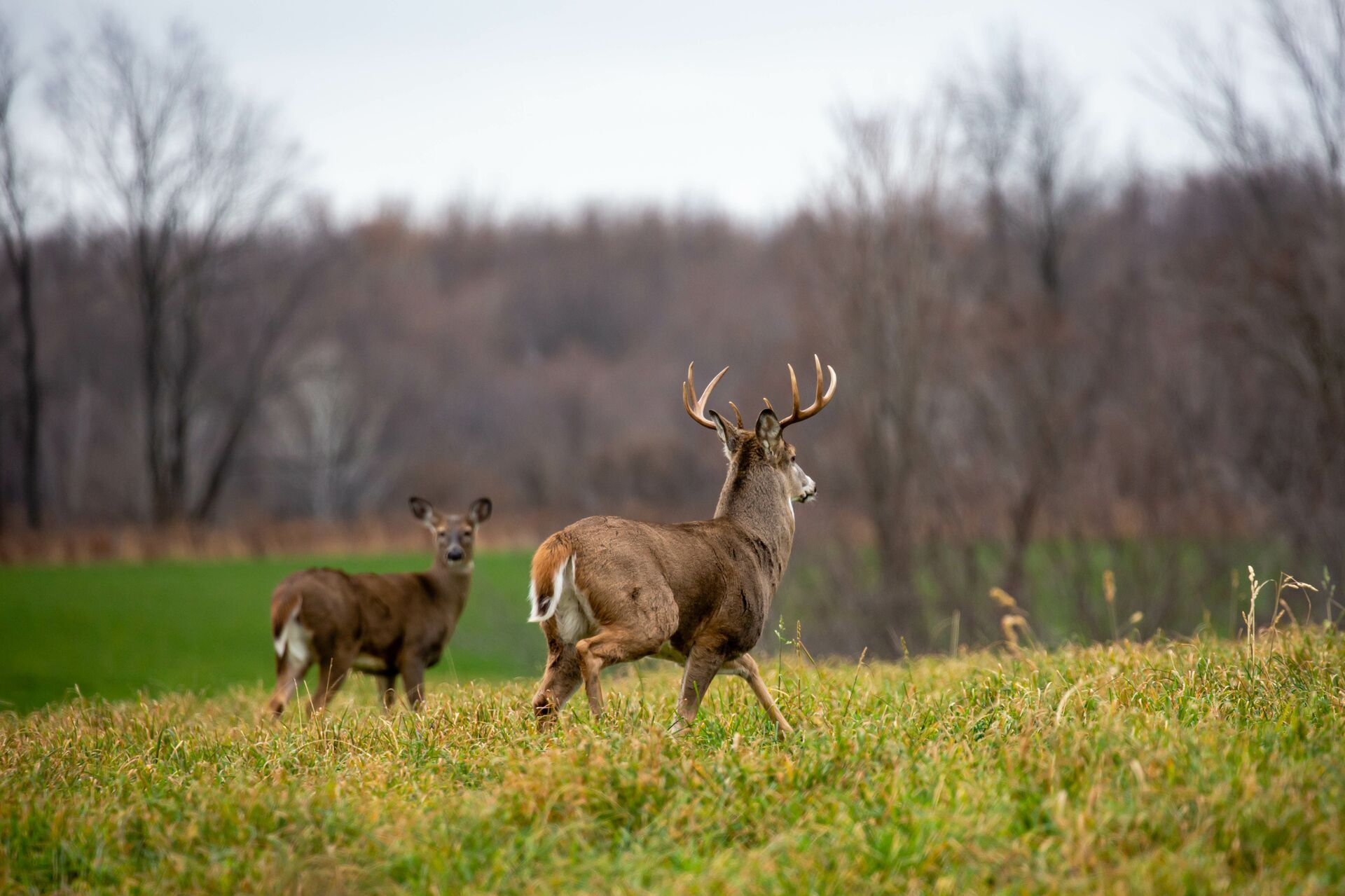
This comprehensive guide aims to not only pinpoint when deer season unfolds in Alabama but also to unveil the broader travel experience awaiting those who journey to this Southern state. Whether you’re planning a dedicated hunting expedition, a family vacation incorporating outdoor activities, or simply curious about the rhythm of Alabama’s seasons, understanding the nuances of deer season is your first step toward crafting an unforgettable adventure. We’ll delve into the precise dates, essential regulations, and then pivot to explore how your hunting trip can transform into a full-fledged Alabama travel itinerary, complete with stunning landmarks, exquisite dining, and ideal places to stay.
Unveiling Alabama’s Deer Hunting Seasons: A Comprehensive Guide for Travelers
The question “When is deer season in Alabama?” doesn’t have a single, simple answer, as the state thoughtfully divides its hunting periods by weapon type and geographical zones to ensure sustainability and provide varied opportunities. This structured approach means hunters can enjoy a prolonged season, adapting their methods to different phases of the deer cycle and their personal preferences. Understanding these distinctions is crucial for anyone planning a hunting trip, whether you’re a seasoned local or a visitor from afar.
Understanding Alabama’s Diverse Deer Zones and Dates
Alabama’s deer season typically kicks off in mid-October with archery season and can extend well into February for certain areas and weapon types. The state is broadly divided into zones, primarily affecting antlered buck regulations and, in some cases, season length. While the specific dates are set annually by the Alabama Department of Conservation and Natural Resources (ADCNR), a general overview provides a good starting point for planning.
Archery Season: Archery season usually begins around October 15th statewide, offering bowhunters the first crack at the deer population. This early season is highly favored by those seeking a challenge and a more primitive hunting experience, often extending through the entire gun season. The peace and quiet of the woods during the crisp autumn months, combined with the heightened senses required for archery hunting, make this a truly immersive experience.
Muzzleloader and Special Firearms Season: Following archery, a dedicated muzzleloader season typically opens in late October or early November, providing another unique hunting opportunity before the general gun season. This season often lasts for a week or two, allowing hunters to utilize traditional black powder firearms.
Gun/Rifle Season: The general gun season, the most popular and widespread, usually commences in mid-November and runs through January 31st. This is when the majority of deer hunting activity occurs across the state. It’s important to note that antlered buck hunting regulations, such as antler restrictions (e.g., specific point counts or beam diameter), can vary by zone (North, Central, South, and the Black Belt zone) to promote healthier herd dynamics. The Black Belt region, stretching across the central part of the state, is particularly renowned for its fertile soils and large deer, making it a hotspot for serious hunters.
Extended Opportunity: In some areas, particularly the Black Belt and Southwest zones, the season for unantlered deer (does) can extend into early to mid-February, providing additional opportunities for herd management and meat harvesting. This extended period is crucial for managing population levels and ensuring a balanced ecosystem. Always consult the current year’s ADCNR Hunting and Fishing Digest for the precise dates, zone maps, and specific regulations before planning your trip.
Essential Licensing, Regulations, and Safety Guidelines
Participating in Alabama’s deer season requires adherence to specific licensing and regulatory frameworks designed to ensure safety and preserve wildlife resources. All hunters, whether residents or non-residents, must possess a valid Alabama hunting license. Non-residents will find various license options, including annual and short-term (e.g., 3-day or 10-day) licenses, which can be purchased online through the ADCNR website or at authorized vendors across the state.
Hunter Education: Anyone born on or after August 1, 1977, must complete an approved hunter education course to hunt in Alabama. This requirement underscores the state’s commitment to safety and ethical hunting practices. While non-residents can present certification from other states, it’s vital to ensure compliance before heading into the field.
Bag Limits and Antler Restrictions: Alabama typically has a daily bag limit of one antlered buck per day and three antlered bucks per season. The unantlered deer bag limit can vary by zone, often allowing one per day. Antler restrictions, which dictate the minimum antler size or number of points an antlered buck must possess to be legally harvested, are particularly important to understand. These regulations are in place to allow younger bucks to mature, leading to healthier and more robust deer populations in the long run.
Safety First: Beyond regulations, safety is paramount. Always handle firearms responsibly, be aware of your surroundings and hunting partners, and wear hunter orange where required. Adhering to these guidelines not only ensures your safety but also contributes to a positive and sustainable hunting culture for everyone.
Beyond the Blind: Exploring Alabama’s Rich Tourism and Natural Wonders
While deer hunting may be the primary draw for many, a trip to Alabama offers far more than just time in the woods. The state is a treasure trove of natural beauty, historical significance, and vibrant Southern culture, making it an ideal destination for broader tourism. Integrating non-hunting activities into your itinerary, especially if traveling with family or friends who don’t hunt, can elevate your experience from a simple hunting trip to a multifaceted lifestyle adventure.
Iconic Landmarks and Outdoor Adventures for Every Traveler
Alabama’s landscape is incredibly diverse, offering a wide array of landmarks and outdoor activities. For those who appreciate nature, the state boasts several stunning National Forests and State Parks. The Talladega National Forest in the central part of the state provides miles of hiking trails, including sections of the Pinhoti Trail, offering breathtaking views and opportunities for bird watching. Similarly, the Bankhead National Forest in northwest Alabama is home to the majestic Sipsey Wilderness, often called the “Land of 1,000 Waterfalls,” perfect for serene hikes and photography.

For a change of scenery, the coastal regions of Alabama around Gulf Shores and Orange Beach offer pristine white-sand beaches, ideal for relaxation, fishing charters, or enjoying fresh seafood. Gulf State Park provides an excellent blend of nature and recreation, with biking trails, kayak rentals, and even a pier for fishing. Further inland, cities like Huntsville invite visitors to explore the wonders of space at the U.S. Space & Rocket Center, a must-see for families and science enthusiasts. Birmingham, the state’s largest city, offers cultural attractions such as the Birmingham Civil Rights Institute and the vibrant Avondale Park. For history buffs, a visit to Montgomery and Selma can be incredibly moving, tracing significant moments of the Civil Rights Movement along the Civil Rights Trail.
Culinary Delights and Local Culture: A Taste of Alabama
No travel experience is complete without indulging in local cuisine, and Alabama delivers with its rich Southern culinary traditions. From savory barbecue joints that dot the landscape to upscale restaurants in metropolitan areas, there’s something to satisfy every palate. Iconic Southern dishes like fried chicken, collard greens, grits, and pecan pie are staples. The coastal areas, particularly around Mobile and the Gulf Coast, are renowned for their fresh seafood, offering delectable shrimp, oysters, and fish prepared in various Southern styles.
Beyond food, Alabama’s culture is deeply rooted in music, history, and hospitality. Consider visiting Muscle Shoals, a legendary hub for music history, where iconic studios like FAME Studios and Muscle Shoals Sound Studio recorded countless hits. Exploring local farmers’ markets or small-town festivals can offer a genuine glimpse into Alabama’s charm and the warmth of its people. Embrace the slower pace, engage with locals, and savor the unique blend of tradition and modernity that defines the state.
Your Home Away From Home: Premier Accommodation Options for Your Hunting Trip
After a day spent in the field, comfortable and convenient accommodation is essential. Alabama offers a wide spectrum of lodging options, catering to solo hunters, groups, and families. The choice largely depends on your budget, desired amenities, and whether your trip is solely focused on hunting or includes broader recreational activities. From rustic retreats nestled deep in the woods to luxurious resorts near bustling towns, you’ll find an ideal base for your Alabama adventure.
Rustic Retreats and Luxury Resorts for Hunters
For the dedicated hunter seeking proximity to prime hunting grounds, specialized hunting lodges and private cabins are often the top choice. These accommodations are typically located on or near private hunting leases or public lands, offering direct access to the wilderness. Many lodges provide an all-inclusive experience, complete with guided hunts, meals, and game processing facilities, making the logistics of your trip seamless. Websites like Airbnb and VRBO are excellent resources for finding private cabin rentals, ranging from basic facilities to more upscale dwellings with modern amenities. These options provide a sense of immersion in nature and a true “hunter’s experience.”
Alternatively, if you prefer more comfort and amenities while still being within a reasonable drive of hunting areas, there are numerous excellent hotels and resorts in nearby towns and cities. Consider properties along the Robert Trent Jones Golf Trail for a luxurious stay that also offers world-class golfing opportunities. Many boutique hotels in cities like Birmingham, Mobile, or Montgomery offer sophisticated lodging with fine dining options, providing a perfect blend of rugged outdoor adventure and urban comfort. These choices are particularly appealing if you plan to combine your hunting trip with other sightseeing or cultural experiences.
Family-Friendly Stays: Integrating Your Trip with Loved Ones
When the hunting trip involves the entire family, finding accommodation that caters to diverse interests becomes paramount. Many hotels in Alabama’s larger cities and popular tourism areas offer family-friendly suites, swimming pools, and proximity to attractions. For example, staying in Huntsville allows easy access to the Space & Rocket Center and family-oriented museums, while providing a comfortable base for hunters to venture out to nearby public lands or private leases.
The Alabama Gulf Coast is an exceptional choice for family-integrated trips. Condo rentals in Gulf Shores or Orange Beach offer spacious living areas, multiple bedrooms, full kitchens, and direct beach access, providing ample space and activities for non-hunting family members. While one member enjoys the deer hunt inland, others can revel in beach activities, Dauphin Island’s natural beauty, or the area’s many attractions. Many state parks, such as Cheaha State Park (the highest point in Alabama), also offer cabins or campgrounds that combine rustic charm with family-friendly amenities and access to hiking and fishing, making them a great choice for outdoors-loving families. When booking, always look for properties that can accommodate your group size and offer features that will keep everyone engaged and comfortable.
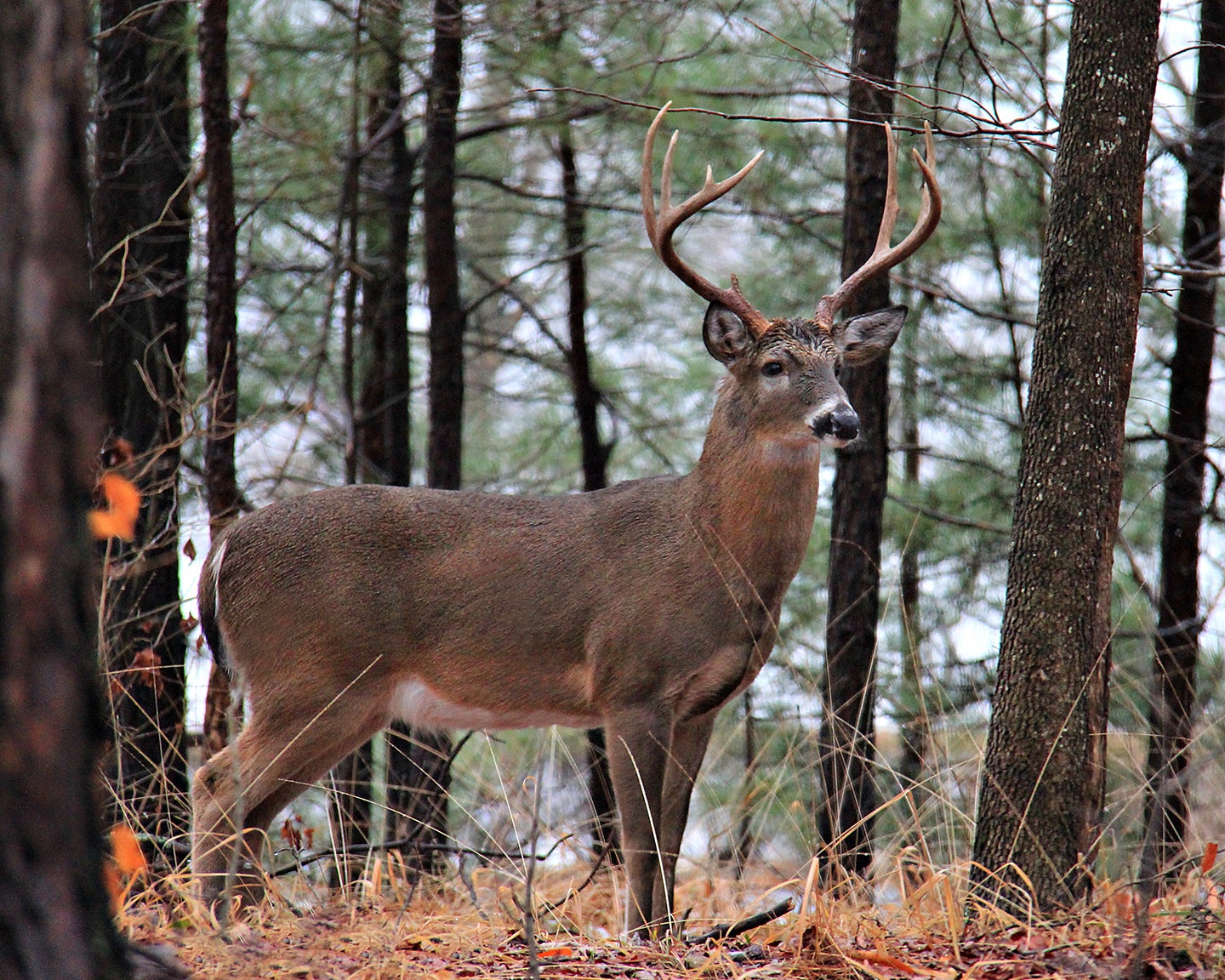
Crafting Your Ultimate Alabama Hunting Experience: Tips for a Memorable Lifestyle Adventure
Planning a deer hunting trip to Alabama is an exciting endeavor, but meticulous preparation can transform it into a truly memorable lifestyle adventure. It’s about more than just securing your game; it’s about embracing the entire travel experience, from the moment you begin planning until you return home with stories and perhaps, a trophy.
Plan Ahead and Secure Your Spots: Given the popularity of Alabama as a hunting destination, especially during peak deer season, it’s advisable to plan and book your accommodation and any guided hunts well in advance. Premier hunting lodges and popular resorts fill up quickly, particularly for prime dates in November and December. Early booking not only guarantees your spot but often secures better rates. Also, ensure all your licensing and hunter education requirements are met long before your arrival to avoid any last-minute complications.
Consider a Guided Hunt: For non-resident hunters or those unfamiliar with Alabama’s terrain and deer behavior, a guided hunt can significantly enhance your chances of success and overall enjoyment. Professional guides offer invaluable local knowledge, access to private lands, and expertise in tracking and field dressing. This can be especially beneficial if you’re looking for a specific type of deer or a particular hunting experience. Many guides also offer packages that include lodging and meals, streamlining your trip.
Pack Smart for Variable Weather: Alabama weather during deer season can be quite unpredictable. Early season (October/November) can still be warm and humid, while late season (January/February) can bring freezing temperatures. Layering your clothing is key. Pack appropriate hunting gear, including rainwear, insulated clothing, waterproof boots, and safety essentials like a first-aid kit and communication devices. Don’t forget bug spray for the warmer days and hand warmers for the colder ones.
Embrace the Broader Experience: Encourage yourself and your travel companions to look beyond the hunting blind. Build in time to explore the natural beauty, historical sites, or cultural attractions Alabama has to offer. Enjoy a delicious Southern meal, visit a local museum, or simply relax and soak in the peaceful ambiance of the countryside. Integrating diverse activities creates a more holistic and rewarding vacation experience for everyone.
Practice Responsible Tourism and Hunting: Always adhere to ethical hunting practices and respect wildlife and the environment. Leave no trace, follow all conservation guidelines, and be mindful of private property rights. Supporting local businesses, from restaurants to gear shops, also contributes positively to the communities you visit.
In conclusion, deer season in Alabama is a dynamic period offering incredible opportunities for hunters. By understanding the season dates, regulations, and blending your hunting aspirations with Alabama’s rich tapestry of tourism, culture, and diverse accommodation options, you can craft a truly unforgettable lifestyle adventure. Whether you’re drawn by the call of the wild or the charm of Southern hospitality, Alabama during deer season promises an experience that goes far beyond the hunt itself.
LifeOutOfTheBox is a participant in the Amazon Services LLC Associates Program, an affiliate advertising program designed to provide a means for sites to earn advertising fees by advertising and linking to Amazon.com. Amazon, the Amazon logo, AmazonSupply, and the AmazonSupply logo are trademarks of Amazon.com, Inc. or its affiliates. As an Amazon Associate we earn affiliate commissions from qualifying purchases.