
Texas, a land of vast open spaces, diverse ecosystems, and a rich outdoor heritage, stands as a premier destination for hunters across the United States and beyond. For many, the allure of the Lone Star State is synonymous with its exceptional deer hunting opportunities. Whether you’re a seasoned hunter planning your next adventure or a newcomer curious about the sport, understanding the intricacies of the Texas deer season is paramount. This comprehensive guide delves into the specifics of when and where to hunt, offering insights into the diverse species, regional variations, and essential planning tips to ensure a memorable and successful experience. From the rugged Trans-Pecos mountains to the dense South Texas Brush Country, Texas offers a hunting season unlike any other, blended with unique travel, accommodation, and lifestyle experiences that extend far beyond the hunting blind.

Unraveling the Texas Deer Hunting Calendar
The Texas Parks and Wildlife Department (TPWD) meticulously manages deer seasons, segmenting the state into various zones to account for ecological differences, deer populations, and management objectives. This structured approach ensures sustainable hunting practices while maximizing opportunities for enthusiasts.
A Hunter’s Paradise: Understanding Texas Deer Species
Texas is primarily renowned for two native deer species: the White-tailed Deer and the Mule Deer. Each offers a distinct hunting experience, often in different geographical regions of the state.
- White-tailed Deer (Whitetail): By far the most popular game animal in Texas, whitetails are abundant across much of the state, particularly in the Edwards Plateau and South Texas Brush Country. Their season is the longest and most varied, catering to different weapon types and hunter demographics.
- Mule Deer: Found predominantly in the western reaches of Texas, especially the Trans-Pecos and Panhandle regions, mule deer are prized for their impressive antlers and the challenging terrain they inhabit. Hunting them often involves spot-and-stalk techniques in wide-open, mountainous landscapes.
Understanding the habits and habitats of these species is crucial for planning a successful hunt. The seasons are carefully crafted to align with their breeding cycles and population health.
Key Dates for White-tailed Deer Season
The White-tailed Deer season is divided into several categories, each with specific dates and regulations:
- Archery Season (Statewide): This typically kicks off in early October and runs for about a month. It offers bowhunters an exciting opportunity to pursue whitetails before the general firearms season begins, often in milder weather. For example, in recent years, it has commenced around September 30th and concluded in early November.
- General Season (North Zone): Covering the northern two-thirds of the state, the North Zone general season for firearms usually begins in early November and extends through the first week of January. This is the most popular period for many hunters, coinciding with the rut in many areas.
- General Season (South Zone): Encompassing the southern third of Texas, this zone’s general season for firearms typically starts mid-November and runs until mid-January. The later start accounts for a later rut in these warmer regions.
- Special Late Season: Following the general season, many counties offer a “Special Late Season” for firearms, usually spanning a couple of weeks in mid to late January. This provides an additional opportunity, often for antlerless deer or spike bucks, to manage populations.
- Youth-Only Seasons: To encourage younger hunters, TPWD designates special youth-only weekends, typically in late October (before the general season) and early January (after the general season). These mentored hunts are excellent for introducing the next generation to ethical hunting practices.
- Muzzleloader Season: While not a statewide season, some counties offer specific muzzleloader season dates, usually overlapping with or immediately following portions of the general season.
It’s critical for hunters to consult the current year’s Texas Parks and Wildlife Outdoor Annual for precise dates, bag limits, and county-specific regulations, as these can vary slightly year to year.
Navigating Mule Deer Seasons in West Texas
Hunting Mule Deer offers a vastly different experience, primarily concentrated in the challenging landscapes of West Texas.
- Trans-Pecos Mule Deer Season: This season is typically very short, often just 9-17 days in late November to early December. Due to the limited population and specific habitat, permits are highly sought after, often allocated through a lottery system for public lands or managed meticulously on private ranches.
- Panhandle Mule Deer Season: Similar to the Trans-Pecos, the Panhandle also has a restricted season, usually overlapping the same late November to early December window, with limited permits.
The demanding terrain and often colder weather conditions in these regions require robust planning and preparation.
Exotic Deer and Year-Round Opportunities
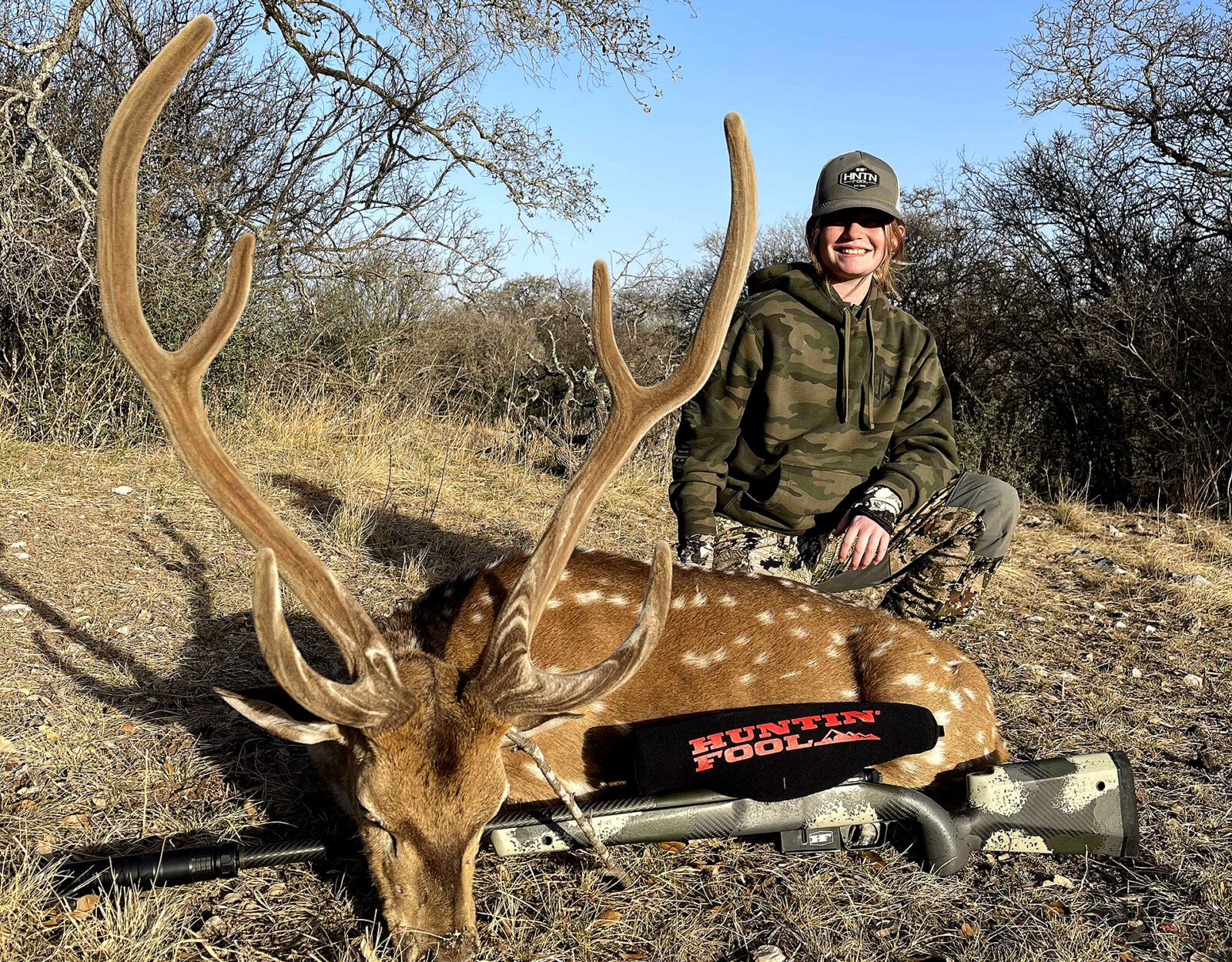
Beyond the native species, Texas is also famous for its thriving populations of exotic deer and antelope species, primarily found on private ranches. These include Axis, Fallow, Blackbuck, Sika, and others.
- No Closed Season: A significant draw for hunters, there is generally no closed season or bag limit for exotic deer species on private lands in Texas. This allows for year-round hunting opportunities, providing flexibility for travel plans and catering to hunters who might miss the native deer seasons.
- Guided Hunts: Most exotic hunts are conducted as guided experiences on large private ranches, which often include luxurious accommodation, meals, and expert guides. This “hunt of a lifetime” can be a fantastic way to experience Texas wildlife outside the traditional season framework.
The ability to hunt exotics year-round makes Texas a unique destination for international and domestic hunters alike, allowing for highly flexible travel arrangements and custom-tailored experiences.
Planning Your Texas Deer Hunting Adventure: Beyond the Trigger
A successful Texas deer hunt involves more than just knowing the season dates; it requires careful planning, adherence to regulations, and an understanding of the diverse hunting landscapes.

Choosing Your Hunting Grounds: Public vs. Private Lands
Texas is predominantly private land, meaning most hunting occurs on ranches, leases, or through guided outfitters. However, public land opportunities do exist.
- Private Ranches and Leases: This is the most common way to hunt deer in Texas.
- Guided Hunts: Many ranches offer all-inclusive guided packages, providing access to prime hunting land, lodging, meals, and experienced guides. These can range from rustic cabin stays to opulent resort experiences.
- Season Leases: Hunters can lease hunting rights for a season or year, providing exclusive access to a designated parcel of land. This option is popular for groups of friends or families.
- Day Hunts/Weekend Hunts: Some ranches offer shorter, more flexible hunting opportunities for specific dates.
- Wildlife Management Areas (WMAs): TPWD manages numerous WMAs across the state, offering public hunting opportunities, often through a limited permit draw system. These can provide a more challenging, public land hunting experience, similar to what one might find in other western states. Applying for these draws typically occurs in late summer.
- Popular Hunting Regions:
- Edwards Plateau (Hill Country): Known for its high deer density and beautiful landscapes, offering abundant whitetail opportunities. Towns like Fredericksburg and Kerrville are popular hubs.
- South Texas Brush Country: Famed for producing large-antlered whitetails due to rich genetics and dense cover, this region offers trophy-class hunting.
- Trans-Pecos: The primary domain for mule deer, characterized by rugged mountains and vast deserts.
- East Texas: Pineywoods region, offering dense forest hunting for whitetails.
Choosing your hunting grounds will largely dictate the type of experience, cost, and travel logistics involved.
Essential Gear and Licensing
Before embarking on your hunt, ensure all legal and practical requirements are met.
- Hunter Education: All hunters born on or after September 2, 1971, must complete a hunter education course. Proof of certification is required.
- Licenses and Permits: A valid Texas hunting license is mandatory for all hunters, including non-residents. Additional permits, such as a federal duck stamp (if hunting waterfowl), or specific draw permits for WMAs, may be required. Licenses are available online, at TPWD offices, and at authorized retailers throughout the state.
- Weaponry: Familiarize yourself with regulations regarding legal firearms, archery equipment, and ammunition. For general season, most hunters use centerfire rifles.
- Clothing and Gear: Texas weather can be unpredictable. Be prepared for warm days and cold nights, especially during late fall and winter. Layers are essential. Good quality optics (binoculars, rangefinder) are crucial, especially in open country. A cooler for game transport, field dressing kit, and GPS or maps are also advisable.
- Vehicle: A reliable vehicle, preferably with four-wheel drive if accessing remote hunting areas, is recommended.
Ensuring a Responsible and Ethical Hunt
Adhering to regulations and practicing ethical hunting are cornerstones of the sport.
- Bag Limits and Antler Restrictions: Specific bag limits for bucks and antlerless deer apply and vary by county and zone. Some counties have antler restrictions to promote the harvest of older, more mature bucks.
- Tagging and Reporting: All harvested deer must be immediately tagged with the appropriate hunting license tag. For some species or specific public lands, mandatory check stations or online reporting may be required.
- Chronic Wasting Disease (CWD) Regulations: TPWD has specific regulations in place for CWD zones, which may include mandatory sampling or restrictions on transporting deer carcasses out of affected areas. Always check current regulations.
- Conservation: Hunters play a vital role in wildlife conservation. By following regulations and supporting organizations like TPWD, you contribute to the health and sustainability of Texas’s deer populations for future generations.
Making the Most of Your Stay: Accommodation and Travel in Texas
A deer hunting trip to Texas isn’t just about the hunt itself; it’s an opportunity to experience the state’s vibrant culture, diverse landscapes, and warm hospitality. Careful consideration of accommodation and travel logistics can elevate your trip from a simple hunt to an unforgettable vacation.
Lodging Options for Every Hunter
Texas offers a spectrum of lodging choices, from rustic to opulent, catering to every budget and preference.
- Luxury Ranches and Resorts: For those seeking an all-encompassing, high-end experience, many hunting ranches double as luxury resorts. These often include gourmet dining, spa services, swimming pools, and other recreational activities for non-hunting companions. Examples include the JW Marriott San Antonio Hill Country Resort & Spa or the Tapatio Springs Hill Country Resort, which offer resort amenities alongside access to hunting or proximity to prime hunting areas. These are ideal for family trips where not everyone is hunting.
- Budget-Friendly Stays: If your focus is purely on the hunt and you prefer to keep costs down, local motels and budget hotels are available in almost every town. Smaller towns like Junction or Brady, often near popular hunting grounds, offer basic, clean, and affordable options.
- Cabins and Vacation Rentals: For a more private or family-friendly experience, consider renting a cabin, guesthouse, or a full vacation home through platforms like Airbnb or VRBO. This option provides kitchen facilities, which can be great for preparing meals and offers more space, particularly for groups. Many hunting leases also include basic cabin accommodations.
- Camping: For the truly outdoorsy or budget-conscious, camping is an option in or near some Wildlife Management Areas (WMAs) or state parks. Always check regulations and availability in advance, especially during peak hunting season.
Beyond the Hunt: Exploring Texas Culture and Cuisine
Extend your hunting trip into a full Texas experience by exploring the state’s rich cultural offerings and renowned cuisine.
- Vibrant Cities: If your hunting grounds are near major metropolitan areas, consider adding a few days to explore. San Antonio, with its historic The Alamo and picturesque San Antonio’s Riverwalk, offers a blend of history and leisure. Austin, the “Live Music Capital of the World,” boasts a thriving Austin’s Live Music Scene and eclectic food truck culture. Houston provides world-class museums and dining, while Dallas and Fort Worth offer a blend of urban sophistication and cowboy heritage.
- Texas Hill Country Wine Region: Located in the heart of prime whitetail country, the Texas Hill Country is also a rapidly growing wine region. Wineries around Fredericksburg offer tastings and tours, providing a relaxing diversion after a day in the field.
- Culinary Delights: No trip to Texas is complete without indulging in its legendary cuisine. Savor authentic Texas BBQ, from succulent brisket to smoky ribs, or dive into spicy Tex-Mex dishes that define the state’s culinary identity. Local diners and small-town eateries often serve up hearty, home-style meals perfect for hungry hunters.
- Other Outdoor Activities: Depending on the season and location, you might also explore state parks for hiking, birdwatching, or photography. The Big Bend National Park in West Texas offers stunning desert landscapes, while the Gulf Coast provides opportunities for fishing or visiting attractions like Padre Island National Seashore.
Travel Logistics: Getting to Your Destination
Texas’s vast size necessitates careful planning for travel to and from your hunting destination.
- Major Airports: The state is served by several large international airports, providing excellent connectivity.
- Dallas/Fort Worth International Airport (DFW)
- George Bush Intercontinental Airport (IAH) (Houston)
- Austin-Bergstrom International Airport (AUS)
- San Antonio International Airport (SAT)
- El Paso International Airport (ELP) (for West Texas mule deer hunts)
- Car Rentals and Driving: Given the distances involved, renting a car is almost essential for getting to most hunting properties, especially those off the beaten path. Book well in advance, particularly during peak hunting season. Remember that Texas highways are well-maintained, but rural roads can vary. Ensure your vehicle has adequate clearance if you plan to traverse rough terrain.
- Firearm Transportation: If flying with firearms, adhere strictly to Transportation Security Administration (TSA) and airline regulations for checking firearms and ammunition. Always check current rules before travel.
A Texas deer hunting trip offers more than just the thrill of the chase; it’s an immersive experience that combines the rugged beauty of the outdoors with the unique charm and hospitality of the Lone Star State. By understanding the diverse hunting seasons, planning your accommodation and travel meticulously, and embracing the broader cultural opportunities, you’re set for an adventure that will create lasting memories, whether you’re stalking a trophy whitetail in the brush country or enjoying a savory BBQ meal under a starlit Texas sky.
LifeOutOfTheBox is a participant in the Amazon Services LLC Associates Program, an affiliate advertising program designed to provide a means for sites to earn advertising fees by advertising and linking to Amazon.com. Amazon, the Amazon logo, AmazonSupply, and the AmazonSupply logo are trademarks of Amazon.com, Inc. or its affiliates. As an Amazon Associate we earn affiliate commissions from qualifying purchases.