
The crisp air, the vibrant foliage, and the promise of an exhilarating pursuit – for many, these are the hallmarks of autumn. In Kansas, this season is intrinsically linked with the opening of deer season, a period eagerly anticipated by both seasoned hunters and outdoor enthusiasts. Understanding the nuances of deer season, from its various categories and specific dates to essential preparation and ethical considerations, is paramount for a safe and rewarding experience. This guide delves into the heart of Kansas deer hunting, offering insights into the regulations, the diverse opportunities, and the spirit of the hunt that draws people to the Sunflower State each year.
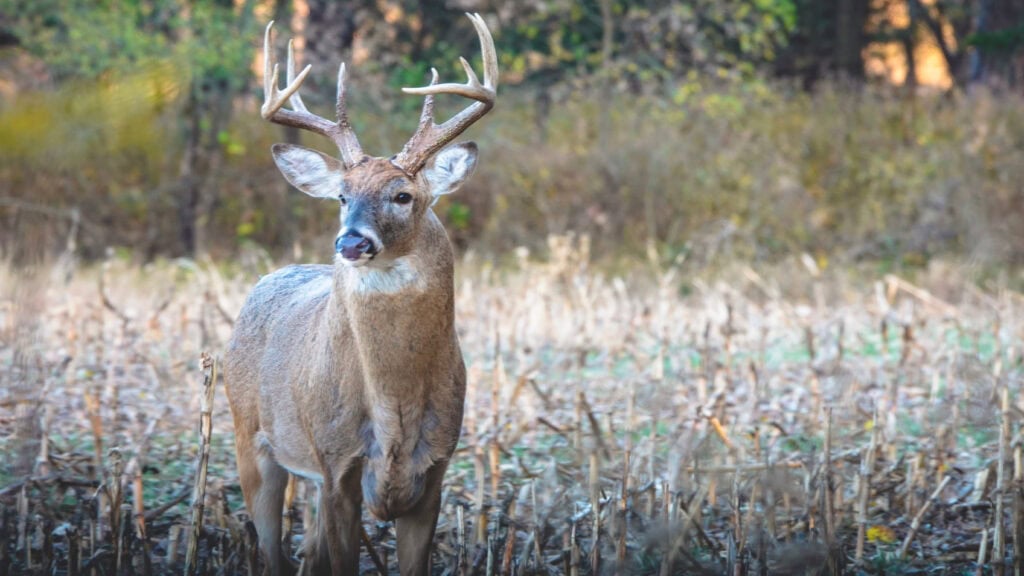
Understanding Kansas Deer Seasons
The Kansas Department of Wildlife and Parks meticulously manages the state’s deer population through a structured and multi-faceted hunting season framework. This approach ensures sustainable harvesting while providing a variety of hunting experiences tailored to different preferences and skill levels. The state typically designates several distinct seasons, each with its own set of rules, permitted equipment, and target species.
Archery Season
The archery season generally kicks off the deer hunting calendar, often beginning in early September and extending through early January. This extended period offers hunters a prolonged opportunity to pursue deer using bows and arrows. Archery hunting demands a unique blend of stealth, patience, and precision. Hunters must be skilled in stalking, stand hunting, and close-range marksmanship, often requiring them to get within 20-40 yards of their target. The draw of archery season lies in its intimate connection with nature, the quiet anticipation of a stalk, and the challenge of a clean, ethical harvest with minimal noise and impact. Many hunters find this period to be the most immersive, allowing them to truly experience the wild.
Regular Firearm Season
The regular firearm season is perhaps the most widely recognized and anticipated deer season in Kansas. Typically held over a week-long period in late November or early December, this season allows the use of rifles and other centerfire firearms. This is when many hunters converge on the state, drawn by the opportunity to harvest mature bucks and does. The firearm season is characterized by higher hunter numbers and a more active pursuit, as hunters often work together in drives or utilize strategically placed stands. The dates for this season are critical for planning and are usually announced well in advance by the Kansas Department of Wildlife and Parks.
Muzzleloader Season
Following the regular firearm season, Kansas often hosts a muzzleloader season. This period caters to hunters who prefer the challenge and historical tradition of using muzzleloading rifles. These firearms, while effective, require a different approach to marksmanship due to their slower reload times and often less precise accuracy at extended ranges compared to modern rifles. The muzzleloader season typically occurs in early to mid-December, offering another opportunity for firearm hunters to pursue deer with a more traditional method. The emphasis here is on patience, understanding the effective range of the firearm, and a commitment to ethical shooting.
Extended Archery/Firearm Seasons
In certain units or under specific management plans, Kansas may offer extended seasons that blend archery and firearm capabilities, or provide additional opportunities outside the primary seasons. These can include late-season archery hunts that extend into January, or specialized firearm seasons in areas with specific population control needs. These extended periods are designed to provide additional flexibility and opportunities for hunters while continuing to manage the deer population effectively.
Planning Your Kansas Deer Hunting Trip
A successful deer hunting trip in Kansas requires meticulous planning, encompassing licensing, scouting, and selecting the right hunting grounds. The state’s diverse landscape, from the rolling prairies of the west to the wooded river bottoms of the east, offers a variety of habitats that support healthy deer populations.
Licensing and Permits
The first and most crucial step for any aspiring deer hunter in Kansas is to obtain the necessary licenses and permits. The Kansas Department of Wildlife and Parks oversees the licensing process, which typically involves purchasing a hunting license and a specific deer permit. These permits are often categorized by weapon type (archery, firearm, muzzleloader) and sometimes by specific geographic units within the state. Demand for certain permits, particularly for either-sex whitetail buck tags in popular units, can be high, and application periods often occur well in advance of the season. Understanding the draw system and application deadlines is vital. Non-resident hunters will find specific requirements and fees associated with obtaining licenses and permits in Kansas.
Scouting and Habitat Analysis
Effective scouting is a cornerstone of successful deer hunting. Before the season opens, hunters are encouraged to research and scout potential hunting areas. This involves identifying prime deer habitat, such as food sources (agricultural fields, oak groves), water sources, and travel corridors between bedding areas and feeding grounds. Understanding deer behavior patterns, including their movement during different times of the day and in response to weather changes, is also crucial. Utilizing topographic maps, aerial imagery, and even trail cameras can provide valuable insights into deer activity. Kansas offers a mix of public and private lands for hunting. Public lands, managed by the Kansas Department of Wildlife and Parks and other agencies, provide accessible opportunities, while private land leases or landowner permissions can offer access to areas with less hunting pressure.
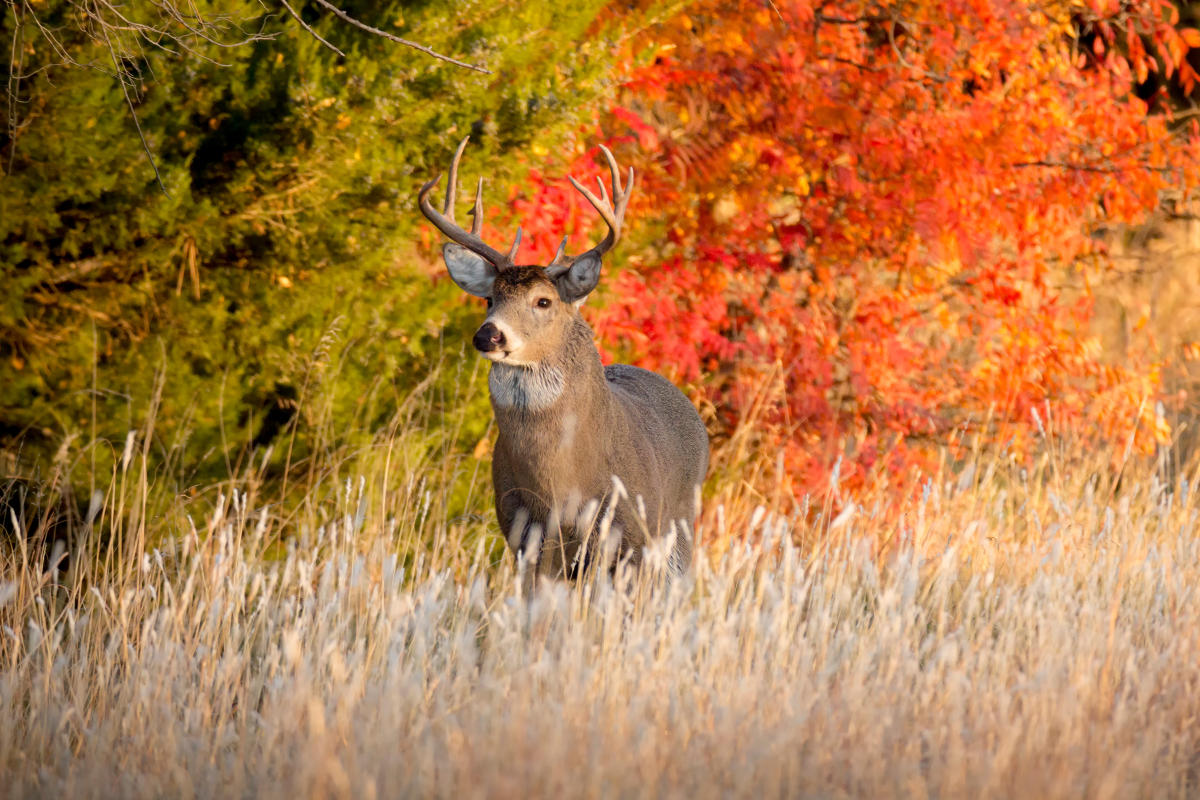
Choosing Your Hunting Location
Kansas is divided into different hunting units, each with its own regulations and deer population characteristics. Some units are known for their high densities of whitetail deer, while others may offer opportunities for mule deer, particularly in the western part of the state. Hunters should research these units to determine which best aligns with their hunting goals. Factors to consider include the type of deer they wish to pursue, the expected success rates, the terrain, and the available hunting methods. For instance, the Flint Hills region offers unique grassland and scattered timber habitat, while the eastern third of the state is characterized by more dense woodlands and agricultural interfaces, ideal for whitetail deer.
Essential Gear and Safety Considerations
Beyond the hunting equipment itself, a well-prepared hunter will have a comprehensive understanding of the gear needed for comfort, safety, and successful harvesting, as well as a commitment to responsible hunting practices.
What to Bring
The essential gear for a Kansas deer hunt will vary slightly depending on the season and chosen method. However, a few items are universally important:
- Hunting Apparel: Layered, camouflage clothing suitable for the expected weather conditions is crucial. This includes waterproof and windproof outer layers, thermal base layers, and insulated mid-layers. Blaze orange is often required during firearm seasons for visibility and safety.
- Firearms/Bows: Properly sighted-in rifles, shotguns (where legal), or bows that comply with Kansas regulations. Ammunition or arrows must be appropriate for harvesting deer ethically.
- Optics: Binoculars are essential for glassing fields and spotting deer at a distance. A spotting scope can be beneficial for long-range observations.
- Navigation: A GPS device or a reliable map and compass are vital for navigating unfamiliar terrain, especially on public lands.
- Field Dressing Kit: Sharp knives, game bags, and gloves are necessary for properly field dressing and transporting harvested game.
- Safety Gear: A first-aid kit, a flashlight or headlamp with extra batteries, and a signaling device (whistle or mirror) are important safety items.
- Water and Food: Ample water and high-energy food supplies are necessary to stay hydrated and fueled throughout long hunting excursions.
- Deer Stand/Blind (Optional): If hunting from a stationary position, a treestand or ground blind can provide concealment and comfort.
Safety First
Safety is paramount in any hunting endeavor. Hunters in Kansas are strongly advised to:
- Know Your Firearm/Bow: Be proficient with your chosen weapon and understand its effective range. Never point a firearm or nocked arrow at anything you do not intend to shoot.
- Treat Every Firearm as Loaded: Always keep the safety on until ready to fire. Unload firearms immediately upon entering a vehicle or designated safe zone.
- Hunter Education: Completing a hunter education course is mandatory for new hunters in many states, including Kansas, and is highly recommended for all to reinforce safe practices.
- Be Aware of Your Surroundings: Recognize the presence of other hunters, especially during busy seasons. Wear blaze orange as required by law to increase visibility.
- Communicate Your Plans: Inform someone of your hunting location, expected return time, and who to contact if you do not check in.
- Respect Wildlife: Observe and appreciate wildlife from a safe distance. Never feed wild animals.
Ethical Hunting and Conservation
Deer hunting in Kansas is more than just a pursuit; it’s an act deeply rooted in conservation and respect for the natural world. Ethical hunters understand their role in managing wildlife populations and ensuring the sustainability of this tradition for future generations.
Fair Chase and Respect for Game
The principle of “fair chase” is central to ethical hunting. This means engaging in a sporting manner that does not take unfair advantage of the animal. It involves pursuing game with the intent of a swift, clean kill, minimizing suffering, and respecting the animal’s natural behaviors and instincts. Ethical hunters also practice waste avoidance, utilizing as much of the harvested animal as possible. This includes proper field dressing, butchering, and potentially donating meat to local food banks if the hunter cannot consume it all.
Conservation Efforts in Kansas
The Kansas Department of Wildlife and Parks plays a critical role in the conservation of deer populations and their habitats. Revenue generated from hunting licenses and permits directly supports wildlife management programs, habitat restoration projects, and research initiatives. Hunters themselves are often the frontline stewards of the land, reporting poaching, assisting with population surveys, and contributing to habitat improvement efforts. By adhering to regulations, practicing ethical hunting, and supporting conservation organizations, hunters become active participants in the long-term health of Kansas wildlife. Understanding the biology and ecology of deer, including their life cycles and habitat needs, further enhances a hunter’s appreciation and commitment to conservation.
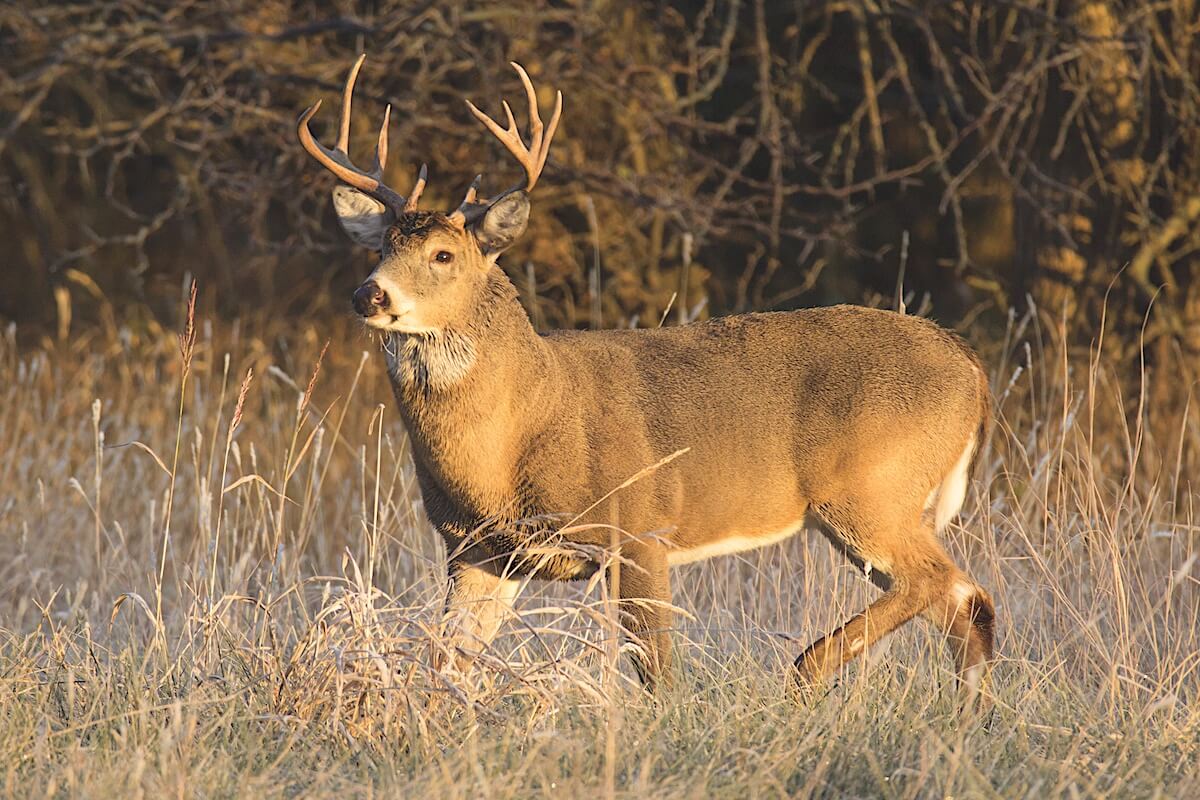
Understanding Regulations and Seasons
Strict adherence to the hunting regulations set forth by the Kansas Department of Wildlife and Parks is non-negotiable for ethical hunters. This includes respecting season dates, bag limits, legal shooting hours, and specific weapon restrictions for each season and unit. Ignorance of the law is not an excuse, and violations can result in significant penalties, including fines, loss of hunting privileges, and confiscation of equipment. Staying informed about any changes or updates to regulations is an ongoing responsibility for all hunters.
The opening of deer season in Kansas is a significant event for many, offering a profound connection with the outdoors and a chance to participate in a time-honored tradition. By understanding the season structures, preparing diligently, prioritizing safety, and embracing ethical hunting practices, individuals can ensure a memorable and responsible experience in the heart of the Sunflower State.
LifeOutOfTheBox is a participant in the Amazon Services LLC Associates Program, an affiliate advertising program designed to provide a means for sites to earn advertising fees by advertising and linking to Amazon.com. Amazon, the Amazon logo, AmazonSupply, and the AmazonSupply logo are trademarks of Amazon.com, Inc. or its affiliates. As an Amazon Associate we earn affiliate commissions from qualifying purchases.