
California, a state renowned for its diverse landscapes and abundant natural resources, offers exceptional angling opportunities throughout the year. From the Pacific Ocean’s vast expanse to the pristine mountain lakes and winding rivers, the Golden State is a paradise for anglers of all skill levels. Understanding the nuances of fishing seasons is paramount for a successful and enjoyable trip. This guide delves into the prime times for various fishing pursuits across California, ensuring you can plan your next adventure with precision.
Understanding California’s Diverse Fishing Environments
California’s geography is a significant factor in its varied fishing seasons. The state can be broadly divided into several distinct angling regions, each with its own ecological calendar and preferred game fish.
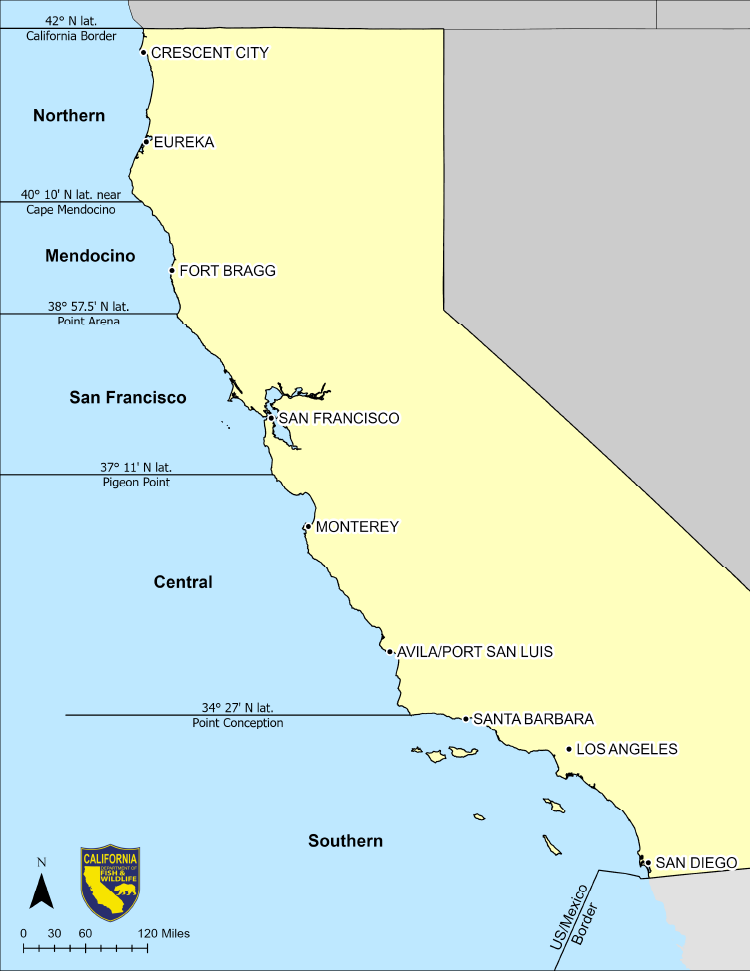
Coastal Angling
The California coastline, stretching over 840 miles, is a rich source of diverse marine life. Pacific Ocean waters teem with species like rockfish, lingcod, salmon, halibut, and tuna. The specific fishing seasons for these species are influenced by migration patterns, water temperatures, and spawning cycles.
Freshwater Fishing in Inland Waters
Inland California presents a wealth of freshwater fishing experiences. The Sierra Nevada mountains boast crystal-clear lakes and streams filled with trout, while the state’s extensive network of rivers and reservoirs supports populations of bass, catfish, crappie, and panfish. Northern California’s rivers are renowned for their salmon and steelhead runs, while Southern California’s warmer waters are ideal for largemouth bass.
Anadromous Fish Runs
A significant portion of California’s angling excitement revolves around anadromous fish – species that migrate from saltwater to freshwater to spawn. King salmon and steelhead trout are the stars of these runs, drawing anglers from far and wide to renowned fishing grounds. The timing of these runs is critical for success and varies by river system.
Prime Fishing Seasons by Species and Region
Navigating California’s fishing calendar requires an understanding of specific species and their preferred times to bite.
Trout Fishing
Trout fishing is a quintessential California experience, particularly in the mountain regions.
Freshwater Trout
- Spring (March – May): As the snowmelt begins and water temperatures rise, trout become more active. This is an excellent time for both stocked and wild trout in rivers and lakes. Many of the popular fishing destinations in the Sierra Nevada and Shasta Cascade regions see active fishing.
- Summer (June – August): While lakes can warm up, higher elevation lakes and streams remain cool and productive. This is peak season for many anglers seeking brook, brown, and rainbow trout. The Eastern Sierra is particularly renowned during this period.
- Fall (September – November): As water temperatures cool, trout begin to prepare for spawning, making them more aggressive feeders. This is often considered one of the best times for trout fishing, especially for larger, mature fish.
- Winter (December – February): While many high-country waters freeze over, lower elevation lakes and tailwaters below dams remain open and can offer excellent winter fishing, particularly for stocked trout.
Anadromous Trout (Steelhead)
Steelhead, migratory rainbow trout, offer a thrilling fishing experience.
- Winter Run Steelhead: These fish typically enter rivers from November through April, with peak action often occurring between December and February in rivers like the Klamath River and the Eel River.
- Summer Run Steelhead: Found in some Northern California rivers, these steelhead enter during the warmer months and can be targeted from late spring through fall, though they are less common than their winter counterparts.
Salmon Fishing

California’s Pacific coast and its major river systems are famous for salmon runs.
- King Salmon (Chinook Salmon):
- Ocean Salmon: The ocean salmon season typically opens in late spring or early summer and runs through fall, with specific dates and bag limits set annually by the California Department of Fish and Wildlife (CDFW). Popular areas include the waters off San Francisco and Fort Bragg.
- River Salmon: Inland, the fall salmon runs are legendary. In the Sacramento River and its tributaries, anglers can target salmon from late summer through fall, with the peak often in September and October. The Feather River and American River are also prime locations.
Bass Fishing
California is a premier destination for bass fishing, particularly largemouth bass, with opportunities year-round in many areas, especially in Southern California.
- Spring (March – May): This is spawning season for largemouth bass, making them highly active and aggressive. Shallow water fishing is particularly productive. Lakes like Lake Castaic and Lake Havasu are popular.
- Summer (June – August): Bass often move to deeper, cooler water during the heat of summer, but early mornings and late evenings can still yield excellent results. Topwater lures can be very effective.
- Fall (September – November): As water temperatures begin to drop, bass become more active again, feeding heavily in preparation for winter. This is another prime time for bass anglers.
- Winter (December – February): While bass activity slows in colder waters, they can still be caught, especially in warmer lakes. Slower presentations and targeting deeper areas are key. Smallmouth and spotted bass also have distinct seasonal patterns, often becoming more active as water temperatures rise in spring.
Saltwater Fishing
The California Coast offers a dynamic saltwater fishing experience with various species available throughout the year, though specific seasons and regulations apply.
- Rockfish and Lingcod: These bottom dwellers are generally available year-round, but fishing is often best from spring through fall when waters are calmer and warmer. Regulations on species and bag limits are crucial to follow. Popular ports include San Diego, Los Angeles, and Santa Barbara.
- Halibut: California halibut can be targeted from shore or boat. The season generally picks up in spring and continues through summer and fall, with many anglers finding success around sandy bottoms and near kelp beds.
- Tuna: For the adventurous angler, offshore tuna fishing, particularly for yellowfin and bluefin, is a summer and fall pursuit. This typically involves longer boat trips and a focus on specific offshore locations.
Important Considerations for California Anglers
Beyond understanding the general seasons, several factors are essential for a successful fishing trip in California.
Regulations and Licenses
The California Department of Fish and Wildlife (CDFW) sets and enforces all fishing regulations. Anglers must possess a valid fishing license, which can be purchased online or from licensed vendors. It is imperative to familiarize yourself with the specific regulations for the body of water and species you intend to target, including size limits, bag limits, and gear restrictions. Seasons can vary significantly even within different sections of the same river or lake. Special permits may be required for certain activities, such as sturgeon fishing.
Best Times of Day
While seasons dictate broader opportunities, the time of day can significantly impact catch rates.
- Dawn and Dusk: These are often considered the “magic hours” for many fish species, as they are more active and feeding. This is especially true for bass and trout.
- Midday: In warmer months, many fish will retreat to cooler, deeper waters during the heat of the day. This can still be a productive time for bottom-dwelling species or in shaded areas.
- Night Fishing: Some species, like catfish and certain types of bass, are highly active at night, offering a unique angling experience.
Weather and Water Conditions
California’s diverse climate means weather can be a significant factor. Always check the forecast before heading out.
- Water Temperature: This is a primary driver of fish activity. Warmer water generally means more active fish, but extreme heat can push them into hiding. Colder water slows metabolism but can still be productive, especially for species adapted to it.
- Water Clarity: Murky water can make it harder for fish to see lures, while clear water may require more stealthy approaches.
- Flow Rates: For river fishing, especially for salmon and steelhead, river flow rates are critical. High flows can make fishing difficult or impossible, while low flows might concentrate fish but also make them more wary.

Choosing Your Destination
California offers a vast array of fishing destinations, from the bustling piers of Santa Monica to the remote alpine lakes of the Yosemite National Park. Researching specific locations based on the species you want to target and the type of fishing experience you desire is crucial. Local bait and tackle shops, as well as regional fishing forums, can be invaluable resources for up-to-date information on conditions and seasonal patterns.
By understanding the general fishing seasons for various species and regions, coupled with attention to regulations, weather, and local conditions, anglers can unlock the incredible angling potential that California has to offer throughout the year. Whether you dream of battling a giant tuna off the coast or casting for trout in a mountain stream, knowing when to go is the first step to an unforgettable fishing adventure.
LifeOutOfTheBox is a participant in the Amazon Services LLC Associates Program, an affiliate advertising program designed to provide a means for sites to earn advertising fees by advertising and linking to Amazon.com. Amazon, the Amazon logo, AmazonSupply, and the AmazonSupply logo are trademarks of Amazon.com, Inc. or its affiliates. As an Amazon Associate we earn affiliate commissions from qualifying purchases.