
Planning a trip to the stunning islands of Hawaii from the mainland United States, specifically from California, requires a keen understanding of the time difference. This seemingly small detail can have a significant impact on your travel plans, from booking flights and hotels to simply knowing when to call home. Navigating the intricacies of time zones across the Pacific can feel a bit disorienting, but with a little knowledge, you can ensure a seamless transition. This guide will demystify the time difference between these two popular destinations, offering practical advice for travelers.
Understanding Pacific Time Zones
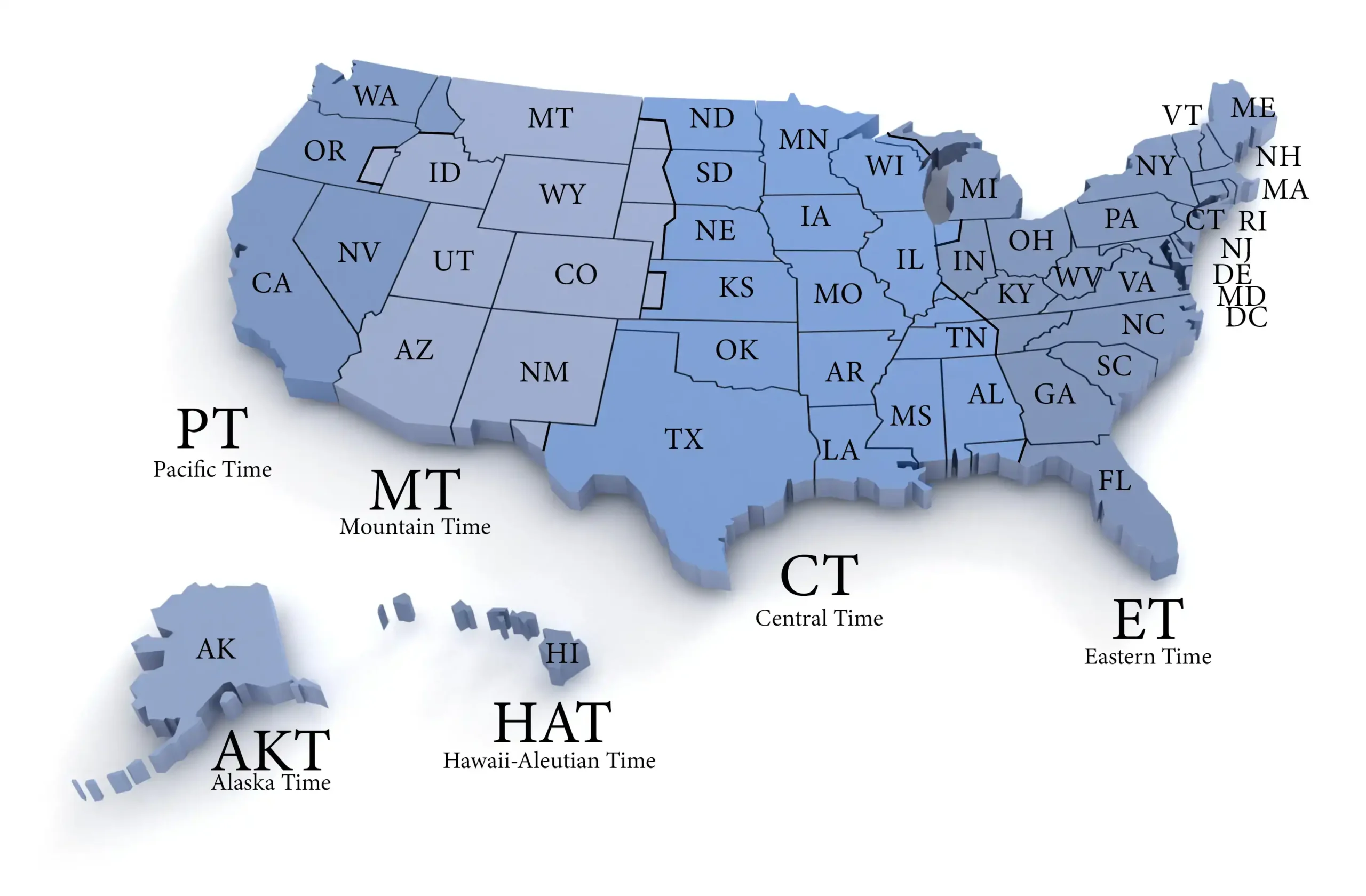
The United States spans multiple time zones, each observing a specific standard time. For travelers moving between California and Hawaii, the key is to recognize that both regions operate under the umbrella of Pacific Time, but with a crucial distinction.
Pacific Standard Time (PST) and Pacific Daylight Time (PDT) in California
California observes Pacific Time. This means it follows either Pacific Standard Time (PST) during the winter months or Pacific Daylight Time (PDT) during the spring and summer months when daylight saving time is in effect.
- Pacific Standard Time (PST): This is UTC-8. It is typically observed from the first Sunday in November to the second Sunday in March.
- Pacific Daylight Time (PDT): This is UTC-7. It is observed from the second Sunday in March to the first Sunday in November.
When you are in California, you are either in PST or PDT, depending on the time of year. This is a critical piece of information for establishing a baseline for calculating the difference with Hawaii.
Hawaii Standard Time (HST)
Unlike most of the continental United States, the state of Hawaii does not observe daylight saving time. Hawaii operates year-round on Hawaii Standard Time (HST), which is UTC-10. This consistent observance of HST is what creates a predictable time difference between California and the islands.
Calculating the Time Difference
The calculation of the time difference between California and Hawaii hinges on whether California is observing PST or PDT.
When California is on Pacific Standard Time (PST)
During the months when California is on PST (UTC-8), the time difference with Hawaii (UTC-10) is:
- UTC-8 (California) – UTC-10 (Hawaii) = 2 hours.
- This means Hawaii is 2 hours behind California.
- For example, if it is 10:00 AM PST in Los Angeles, it is 8:00 AM HST in Honolulu.
This period typically runs from early November through early March.
When California is on Pacific Daylight Time (PDT)

During the months when California is on PDT (UTC-7), the time difference with Hawaii (UTC-10) becomes:
- UTC-7 (California) – UTC-10 (Hawaii) = 3 hours.
- This means Hawaii is 3 hours behind California.
- For example, if it is 10:00 AM PDT in San Francisco, it is 7:00 AM HST in Honolulu.
This period typically runs from early March through early November.
Practical Implications for Travelers
Understanding this time difference is crucial for a smooth travel experience. Here are some key areas where it directly impacts your trip:
Flight Bookings
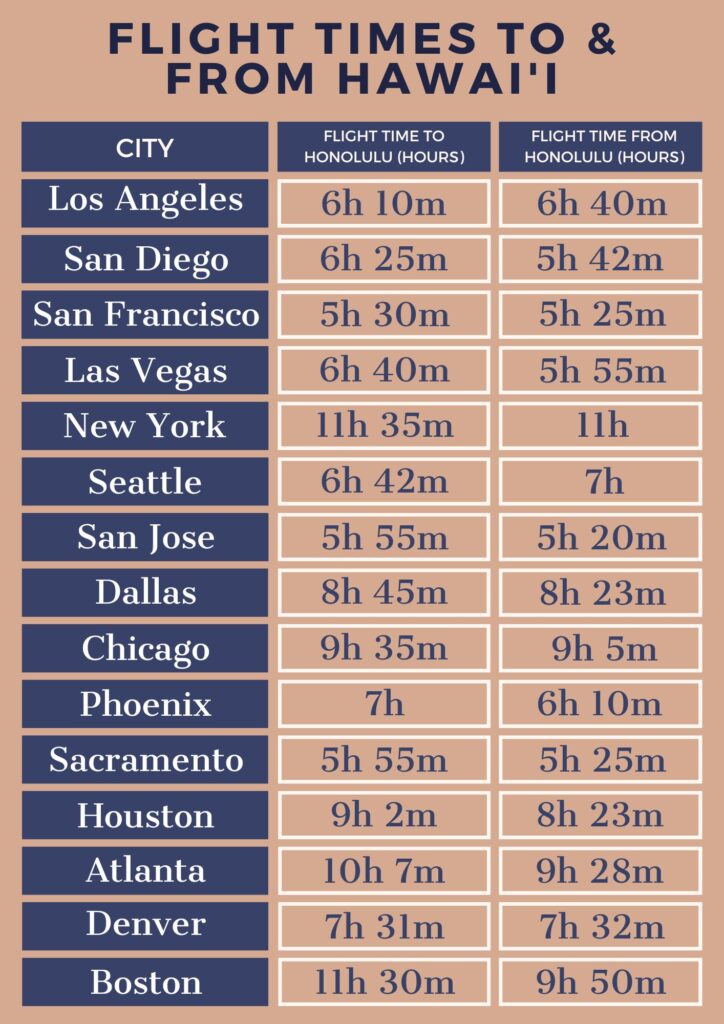
When booking flights, you’ll notice that the departure and arrival times are always listed in local time for each location. So, a flight departing Los Angeles at 8:00 AM PST and arriving in Honolulu at 11:00 AM HST means that the flight duration is approximately 5 hours (8 AM to 1 PM in PST terms). The difference in arrival time might seem shorter than the actual flight time due to the time zone shift. Always double-check the departure and arrival times listed in local time for both ends of your journey.
Accommodation and Activities
- Check-in/Check-out Times: Hotel check-in and check-out times are based on local time. If you’re arriving in Hawaii after a long flight, remember that the clock will go back, making it feel earlier than it might if you had stayed on California time. Conversely, if you’re departing Hawaii, remember you gain time back, making your departure feel later.
- Activity Bookings: If you book tours or activities in Hawaii, confirm the start times in local HST. Booking a 9:00 AM snorkeling trip in Maui means you should be ready at 9:00 AM HST, which would be 12:00 PM or 11:00 AM PST in California.
- Dining Reservations: Similar to activities, ensure your dining reservations in Hawaii are confirmed for the correct local time.
Staying Connected
- Calling Home: If you plan to call friends or family back in California while you’re in Hawaii, be mindful of the time difference. Calling someone at 8:00 AM in Hawaii means it’s 11:00 AM or 10:00 AM in California. You’ll want to avoid calling too early in the morning or too late at night for them.
- Business Operations: If you’re traveling for business, remember that business hours in California will be shifted relative to Hawaii business hours. This can affect communication and the availability of services.
Adjusting to Hawaii Time
The transition to Hawaii time, often referred to as “island time,” can be a welcome change. Because you are losing time, your body might initially feel like it’s earlier in the day than your internal clock suggests. This can lead to waking up earlier than usual for the first few days, which can be a great opportunity to catch the sunrise or enjoy a quiet morning on the beach before the crowds arrive.
Many travelers find that the reduced time difference compared to traveling to the East Coast makes adjusting relatively easy. Some choose to immediately adopt local Hawaii time upon arrival, while others prefer to gradually adjust. For short trips, some may even try to maintain their home time zone as much as possible, though this can often lead to more jet lag. The general recommendation is to embrace the local time as soon as possible to fully enjoy your vacation.
Tips for a Smooth Transition
- Hydrate: Drink plenty of water during your flight and upon arrival.
- Adjust Meal Times: Try to eat meals at local Hawaii times.
- Get Sunlight: Exposure to natural sunlight in the morning can help reset your body’s internal clock.
- Limit Caffeine and Alcohol: Especially before bedtime, as they can disrupt sleep patterns.
- Rest When Needed: Don’t fight sleep if you feel tired, especially on your first day or two.
Conclusion
The time difference between California and Hawaii is a consistent 2 or 3 hours, depending on whether California is observing standard or daylight saving time. While not a dramatic shift, being aware of this difference is essential for seamless travel planning, from booking flights and hotels to managing your schedule and staying connected. By understanding these simple time zone mechanics, you can better prepare for your journey and ensure that your experience in the beautiful islands of Hawaii is as relaxing and enjoyable as possible. Aloha!
LifeOutOfTheBox is a participant in the Amazon Services LLC Associates Program, an affiliate advertising program designed to provide a means for sites to earn advertising fees by advertising and linking to Amazon.com. Amazon, the Amazon logo, AmazonSupply, and the AmazonSupply logo are trademarks of Amazon.com, Inc. or its affiliates. As an Amazon Associate we earn affiliate commissions from qualifying purchases.