
Navigating the regulations surrounding the transportation of portable restroom black tanks within Colorado is a crucial aspect for event organizers, construction companies, and portable sanitation providers. While the question might seem niche, it touches upon public health, environmental protection, and logistical planning that are vital for the smooth operation of any gathering or project in the Centennial State. Understanding the legal framework and best practices is not merely about compliance; it’s about ensuring responsible waste management that safeguards Colorado’s pristine landscapes and public well-being. This exploration delves into the specific considerations and requirements that govern the movement of these essential, albeit unglamorous, components of temporary facilities.
Regulatory Landscape and Environmental Considerations
The transportation of black tanks, which contain human waste, is subject to stringent regulations designed to prevent the spread of disease and environmental contamination. These regulations are typically enforced by state and local health departments, as well as environmental protection agencies. In Colorado, the primary concern is the potential for leaks or spills, which could contaminate groundwater, surface water, and soil. This is particularly relevant in a state known for its extensive natural beauty and outdoor recreational activities, where the impact of such incidents would be magnified.
Health and Safety Standards
State health departments are typically the custodians of regulations pertaining to the handling and transportation of human waste. These standards often dictate the types of containers that can be used, the methods of containment, and the protocols for emptying and cleaning. For portable restroom black tanks, this means ensuring that the tanks themselves are robust, leak-proof, and designed for the specific purpose of holding sanitary waste. Furthermore, any vehicle used for transportation must be equipped to secure these tanks safely, preventing any movement or tipping during transit.
Environmental Protection Laws
The Colorado Department of Public Health and Environment (CDPHE) plays a pivotal role in setting and enforcing environmental protection laws. These laws cover a broad spectrum, including wastewater management and hazardous materials transport. While black tank contents are not classified as hazardous in the same vein as industrial chemicals, they are recognized as a potential source of pollution. Therefore, regulations focus on preventing the release of untreated or inadequately treated waste into the environment. This includes strict guidelines on where waste can be transported and disposed of, usually at approved wastewater treatment facilities or specialized disposal sites.
Local Ordinances and Permitting
Beyond state-level regulations, individual Colorado counties and municipalities may have their own specific ordinances concerning waste transport. These can vary widely depending on local infrastructure, population density, and environmental sensitivities. For instance, a densely populated urban area like Denver might have different requirements than a remote mountain community. Event organizers and sanitation companies must research and comply with all applicable local rules, which may include obtaining specific permits for transporting waste within city limits or across county lines. Ignorance of these local rules is not a valid defense and can lead to significant fines.
Practicalities of Black Tank Transportation
Beyond the legal framework, the actual process of transporting black tanks involves practical considerations that ensure efficiency, safety, and compliance. This includes the type of vehicles used, the methods of securing the tanks, and the training of personnel involved in the operation.
Vehicle Requirements and Modifications
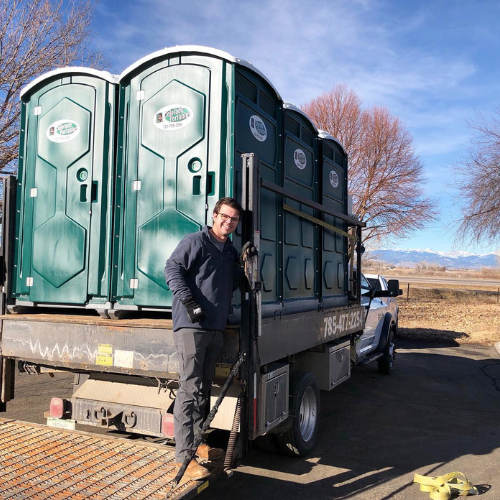
The vehicles designated for transporting portable restroom black tanks must meet specific criteria. They are often specialized trucks or trailers designed to handle heavy loads and prevent spills. These vehicles might be equipped with:
- Secure Mounting Systems: Custom-built racks or locking mechanisms to firmly hold the tanks, preventing them from shifting or tipping during transit, even on Colorado’s sometimes challenging terrain.
- Spill Containment Features: Integrated containment trays or secondary containment systems to capture any minor leaks that might occur.
- Appropriate Ventilation: Systems to manage odors and prevent pressure buildup within the tanks.
- Visibility and Signage: Vehicles must be clearly marked to indicate the nature of their cargo, often with specific hazard or waste transport symbols, as mandated by transportation authorities.
Securing and Handling Protocols
The safe handling of black tanks is paramount. This involves proper procedures for connecting and disconnecting tanks, ensuring seals are intact, and minimizing exposure to personnel and the environment.
- Pre-Transport Checks: Thorough inspection of tanks and securing mechanisms before each journey.
- Loading and Unloading Procedures: Utilizing appropriate equipment like forklifts or cranes, operated by trained personnel, to carefully maneuver tanks onto and off the transport vehicle.
- Route Planning: Selecting routes that minimize travel through sensitive environmental areas or heavily populated zones, and avoiding routes with steep inclines or sharp turns where possible.
Personnel Training and Certification
Individuals involved in the transportation of black tanks, from drivers to ground crew, must receive comprehensive training. This training should cover:
- Regulatory Compliance: Understanding all relevant federal, state, and local regulations.
- Safe Handling Practices: Proper techniques for operating equipment, securing loads, and responding to emergencies.
- Emergency Response: Procedures to follow in the event of a spill or accident, including containment, cleanup, and reporting.
- Health and Safety Precautions: Personal protective equipment (PPE) requirements and awareness of potential health hazards associated with handling waste.
In many cases, professional sanitation companies will ensure their staff hold relevant certifications for waste transport.
Disposal and Treatment in Colorado
The final and perhaps most critical stage of the black tank lifecycle is its disposal and treatment. Improper disposal can have severe environmental consequences, making compliant practices essential.
Approved Disposal Facilities
Colorado has designated specific facilities for the disposal of human waste collected from portable restrooms. These are typically municipal wastewater treatment plants or private facilities equipped to handle and process such waste safely. Transportation companies must ensure they are taking the black tanks to an authorized disposal site. The CDPHE maintains lists of approved facilities and may have specific requirements for the type of waste they can accept.
Treatment Processes
Upon arrival at an approved facility, the contents of the black tanks undergo various treatment processes. These can include:
- Screening and Grit Removal: Initial removal of solid debris.
- Primary Treatment: Settling of solids and removal of floating materials.
- Secondary Treatment: Biological processes that break down organic matter.
- Tertiary Treatment: Further refinement of the wastewater to remove nutrients and pathogens before discharge or reuse.
The goal of these processes is to render the waste safe for the environment, meeting strict discharge standards set by regulatory bodies.
record-keeping and Manifests
For compliance purposes, it is often mandatory to maintain detailed records of waste transportation and disposal. This typically involves a manifest system, where each load of waste is documented from its origin point to its final disposal location. This manifest serves as proof of compliance and allows authorities to track waste streams. For portable restroom providers operating in Colorado, maintaining accurate and up-to-date manifests is a non-negotiable aspect of their operations.
Conclusion: Responsible Planning for Portable Sanitation in Colorado
In summary, the transportation of black tanks in portable restrooms within Colorado is a regulated activity with significant health and environmental implications. While there isn’t a blanket prohibition, strict adherence to state and local regulations, coupled with responsible operational practices, is essential. Event planners, construction managers, and sanitation service providers must engage in thorough due diligence, ensuring that all aspects of black tank transport—from the choice of vehicle and securing methods to personnel training and destination disposal—are compliant and environmentally sound. By prioritizing these considerations, Colorado can continue to host vibrant events and support necessary projects while preserving its natural heritage.
LifeOutOfTheBox is a participant in the Amazon Services LLC Associates Program, an affiliate advertising program designed to provide a means for sites to earn advertising fees by advertising and linking to Amazon.com. Amazon, the Amazon logo, AmazonSupply, and the AmazonSupply logo are trademarks of Amazon.com, Inc. or its affiliates. As an Amazon Associate we earn affiliate commissions from qualifying purchases.