
Understanding the California DMV Permit Test: A Gateway to California Exploration
Embarking on an immersive journey through California often means more than just arriving at a destination; it means embracing the freedom to explore at your own pace, to venture off the beaten path, and to discover the state’s diverse wonders on your terms. For many, this freedom is intrinsically linked to the ability to drive. Whether you’re a new resident planning to settle into the vibrant California lifestyle or a long-term visitor contemplating an extended stay, navigating the state’s expansive landscapes necessitates a fundamental understanding of its driving regulations. The first crucial step in achieving this autonomy is successfully passing the California Department of Motor Vehicles (DMV) permit test. This isn’t merely a bureaucratic hurdle; it’s an initiation into the driving culture of one of the most iconic states in the United States, essential for anyone who wishes to truly experience California beyond the confines of organized tours.

Why a California Driver’s Permit Matters for Tourism
California’s allure lies in its vast and varied topography, offering everything from sun-drenched beaches and bustling metropolises to serene national parks and rugged mountain ranges. Public transport, while effective in major urban centers like Los Angeles or San Francisco, cannot fully connect you to the sprawling beauty of the Redwood National Park, the majestic Sierra Nevada mountains, or the scenic drives along Highway 1. A valid California driver’s permit, followed by a full license, empowers you to rent a car and design your own itinerary, allowing for spontaneous detours to charming small towns, hidden vineyards, or breathtaking overlooks. This level of access transforms a standard vacation into a deeply personal and unforgettable adventure. For those considering a temporary relocation or a prolonged stay, obtaining a local driving credential is not just convenient; it becomes a necessity for daily life, from grocery shopping to exploring local culture and connecting with communities. Understanding the permit test, therefore, is not just about passing an exam; it’s about unlocking the true potential of your California experience.
Overview of the Permit Test Process
The process for obtaining a California driver’s permit begins with visiting a California DMV office. After completing the application form, providing proof of identity and residency, and undergoing a vision test, applicants proceed to the written knowledge exam. This test is designed to assess your understanding of California traffic laws, road signs, and safe driving practices, all of which are thoroughly detailed in the official California Driver Handbook. Passing this exam is the gateway to acquiring your provisional permit, which then allows you to practice driving with a licensed adult, setting the stage for the practical driving test and ultimately, your California driver’s license.
Deconstructing the California DMV Knowledge Exam
The core of the permit application process is the written knowledge test, and one of the most common questions aspirants ask is, “How many questions is the California Department of Motor Vehicles (DMV) permit test in California?” The answer is straightforward: the standard California DMV permit test consists of 36 questions. To pass, applicants must correctly answer at least 30 of these questions, which translates to a passing score of approximately 83%. This threshold ensures a solid grasp of the essential rules governing California’s roadways.
The 36 questions are drawn from a comprehensive pool of topics covered in the California Driver Handbook. These topics generally fall into three main categories:
- Traffic Laws: This section covers regulations regarding speed limits, right-of-way, lane usage, signaling, turning, parking, and specific laws related to driving under the influence (DUI) or distracted driving. Understanding these laws is paramount not only for personal safety but also for the safety of other road users, a critical aspect of responsible tourism.
- Road Signs: A significant portion of the test focuses on identifying and understanding the meaning of various road signs. This includes regulatory signs (e.g., STOP, YIELD), warning signs (e.g., curve ahead, pedestrian crossing), and guide signs (e.g., highway markers, destination signs). Correctly interpreting these signs is vital for navigation and reacting appropriately to changing road conditions, particularly when exploring unfamiliar areas of California.
- Safe Driving Practices: Beyond explicit laws, the test also assesses knowledge of defensive driving techniques, such as maintaining safe following distances, reacting to emergencies, driving in adverse weather conditions (which can range from dense fog in coastal areas to heavy snow in the Sierra Nevada), and sharing the road with pedestrians, cyclists, and motorcyclists.
Common pitfalls often include questions related to specific distance requirements (e.g., how many feet before turning you must signal), the nuances of right-of-way at intersections, and the legal implications of alcohol and drug consumption while driving. Given the relatively high passing score, a thorough understanding of all sections of the California Driver Handbook is essential, rather than simply memorizing answers to practice questions. For international visitors or new residents, some of California’s driving rules might differ from those in their home countries or states, making dedicated study all the more important.
Preparing for Success: Maximizing Your Chances
Successfully passing the California DMV permit test requires diligent preparation. Approaching the exam with a strategic study plan will not only boost your confidence but also ensure you acquire the necessary knowledge to drive safely and legally across California’s diverse terrain.
Essential Study Resources and Strategies
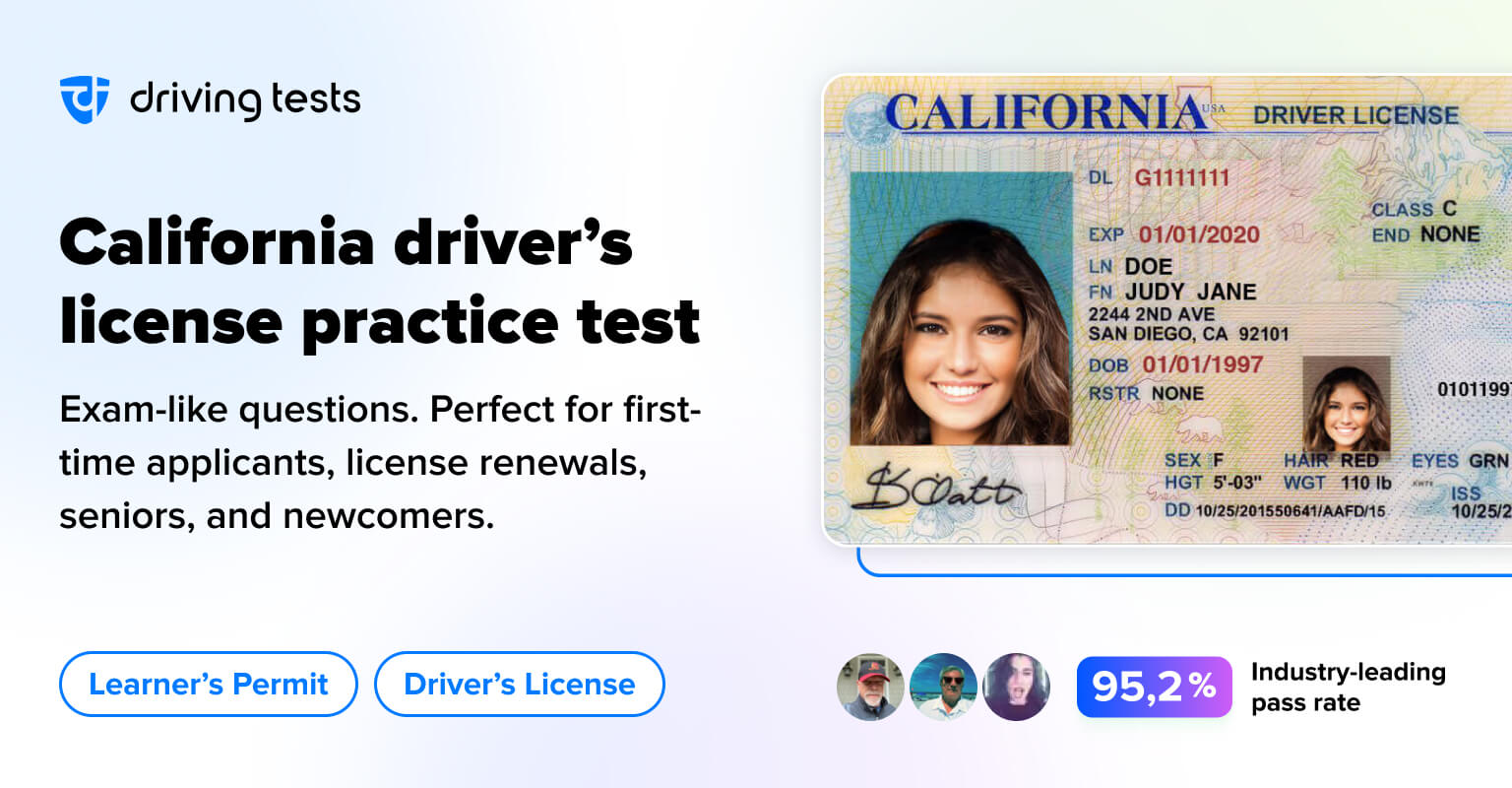
The single most important resource for your permit test preparation is the official California Driver Handbook. This comprehensive guide is available for free on the California DMV website, and hard copies can be obtained at any DMV office. It is crucial to read this handbook thoroughly, not just skim it. Pay particular attention to:
- Road Signs and Markings: Spend time memorizing the shapes, colors, and meanings of all standard road signs. Visual recognition is key.
- Traffic Laws and Rules of the Road: Focus on specific regulations concerning speed limits, lane changes, turns, parking, and right-of-way. These are frequently tested areas.
- Safety Practices and Defensive Driving: Understand concepts like maintaining a safe following distance, dealing with hazardous conditions, and interacting with other road users.
- Special California Laws: Be aware of California-specific regulations, such as those pertaining to cell phone use, carpool lanes, and pedestrian safety.
Supplementing your handbook study with online practice tests is highly recommended. Many reputable websites offer free practice exams designed to mimic the actual DMV test format and question types. These practice tests help you:
- Identify areas where your knowledge is weak.
- Become familiar with the phrasing of questions.
- Manage your time effectively under simulated test conditions.
Repetition is key. Review sections of the handbook that you find challenging and take multiple practice tests until you consistently achieve a passing score.
What to Expect on Test Day
When your test day arrives, being prepared for the administrative process is just as important as being ready for the exam itself. It is generally advisable to make an appointment online through the California DMV website, as walk-in wait times can be extensive, especially in popular locations like Los Angeles or San Diego.
You will need to bring several required documents:
- Proof of Identity: Typically, a valid passport or U.S. birth certificate.
- Proof of Residency: Two different documents showing your California address (e.g., utility bill, rental agreement).
- Social Security Number: Your Social Security card or a document containing your SSN.
- Completed Application Form: Form DL 44, which can often be started online.
- Application Fee: Be prepared to pay the required fee.
Before taking the written test, you will also undergo a vision test to ensure your eyesight meets the minimum requirements for driving. The knowledge test can be taken in various languages, so inquire about available options if English is not your primary language. If you do not pass the knowledge test on your first attempt, you are typically allowed to retake it after a waiting period, often seven days, though a new application fee might be required after a certain number of attempts. Stay calm, read each question carefully, and trust your preparation.
Beyond the Permit: Planning Your California Adventures
Securing your California DMV permit is a significant milestone, but it’s just the beginning of your journey towards independent travel in the Golden State. The provisional permit allows you to practice driving under the supervision of a licensed adult, honing your skills and gaining confidence behind the wheel.
The Provisional License and Its Implications
Once you pass your driving test, you’ll receive a provisional California driver’s license. For drivers under 18, this license comes with certain restrictions, such as limitations on driving unaccompanied at night or transporting passengers under 20 years old for the first 12 months. Understanding these specific rules is crucial for remaining compliant with California law. For those over 18, the provisional period is less restrictive, offering more immediate freedom to explore. This license signifies your full readiness to navigate California’s extensive road network safely and legally, empowering you to truly immerse yourself in the state’s diverse tourism offerings.

Experiencing California with Freedom
With a valid driver’s license, the vast and varied tapestry of California opens up before you. Imagine the possibilities:
- Coastal Drives: Cruise down Highway 1 from San Francisco to Southern California, stopping at picturesque towns like Carmel-by-the-Sea and marveling at the dramatic cliffs of Big Sur.
- National Parks: Drive into the heart of Yosemite National Park to witness its iconic waterfalls and granite giants, or explore the surreal landscapes of Death Valley National Park.
- Wine Country Escapes: Take a leisurely drive through Napa Valley or Sonoma County, stopping at world-renowned wineries for tastings and tours.
- Urban Explorations: Navigate the freeways to iconic attractions like Disneyland in Anaheim, the Hollywood Sign in Los Angeles, or the Golden Gate Bridge in San Francisco.
- Mountain Adventures: Head to the Sierra Nevada for skiing in Lake Tahoe or hiking in the Ansel Adams Wilderness.
The ability to drive independently transforms your approach to California tourism. It allows for flexibility, spontaneity, and a deeper connection to the destinations you visit. From the bustling energy of its cities to the tranquil beauty of its natural wonders, California offers an unparalleled array of experiences. Your journey begins with those 36 questions, and mastering them is the first step toward a lifetime of memorable California adventures.
LifeOutOfTheBox is a participant in the Amazon Services LLC Associates Program, an affiliate advertising program designed to provide a means for sites to earn advertising fees by advertising and linking to Amazon.com. Amazon, the Amazon logo, AmazonSupply, and the AmazonSupply logo are trademarks of Amazon.com, Inc. or its affiliates. As an Amazon Associate we earn affiliate commissions from qualifying purchases.