
California, a state renowned for its sun-drenched beaches, iconic landmarks, and vibrant culture, often evokes images of perfect weather. Yet, a persistent question lingers for many visitors and residents: why does this Pacific coastline seem largely immune to the destructive force of hurricanes that frequently batter the Atlantic coast and the Gulf of Mexico? While the occasional tropical storm might skirt the southern fringes, full-blown hurricanes are a rarity, a phenomenon rooted in a complex interplay of oceanic and atmospheric conditions. Understanding these factors offers a fascinating glimpse into the meteorological uniqueness of the Golden State.

The Ocean’s Unwelcoming Embrace: The Cold Current Factor
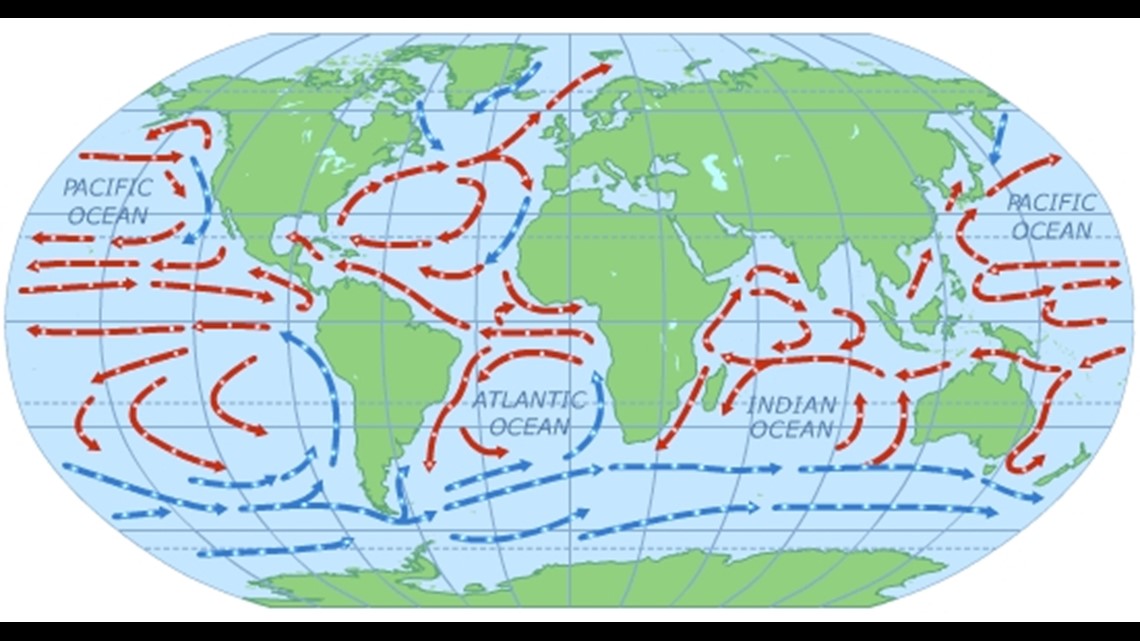
The primary reason for California’s hurricane-free status lies in the Pacific Ocean itself, specifically the presence of the California Current. This vast, cold ocean current flows southward along the entire coast of California. Hurricanes, like all tropical cyclones, are heat engines; they require warm ocean waters, typically above 26.5 degrees Celsius (80 degrees Fahrenheit), to form and sustain themselves.
The Thermal Barrier
The California Current acts as a significant thermal barrier, keeping the surface waters off the California coast consistently cooler than the tropical waters where hurricanes are born. These cooler temperatures rob a developing or approaching storm of the essential energy it needs to intensify. Even if a storm manages to form further south in warmer waters and begins to track northward, its passage over the chilled waters of the California Current would drastically weaken it, often reducing it to a mere tropical storm or even just a rain-producing system before it could make landfall as a hurricane.
Upwelling: Nature’s Air Conditioning
This cooling effect is further amplified by a phenomenon known as upwelling. Prevailing winds along the California coast, particularly during the spring and summer months, push surface waters away from the shore. To compensate for this displacement, cooler, nutrient-rich waters from the ocean depths rise to replace them. This process significantly lowers the sea surface temperature, creating a natural, persistent cooling system that is highly unfavorable for hurricane development and sustenance.
Atmospheric Influences: The Prevailing Patterns
Beyond the ocean’s temperature, atmospheric conditions play a crucial role in dictating weather patterns. For California, several prevailing atmospheric features work in concert to steer away tropical systems and suppress their development.
The Pacific High-Pressure System
A dominant feature of Pacific weather, especially during the summer and fall when hurricane season is at its peak, is the subtropical high-pressure system. This semi-permanent area of descending air creates stable atmospheric conditions and clear skies over much of the northeastern Pacific Ocean. This high-pressure ridge acts as a formidable barrier, effectively deflecting or weakening any nascent tropical systems that might attempt to move eastward towards the West Coast. The prevailing winds associated with this high-pressure system generally blow from northwest to southeast, pushing storms away from California and out into the open ocean.
Wind Shear: The Disruptor
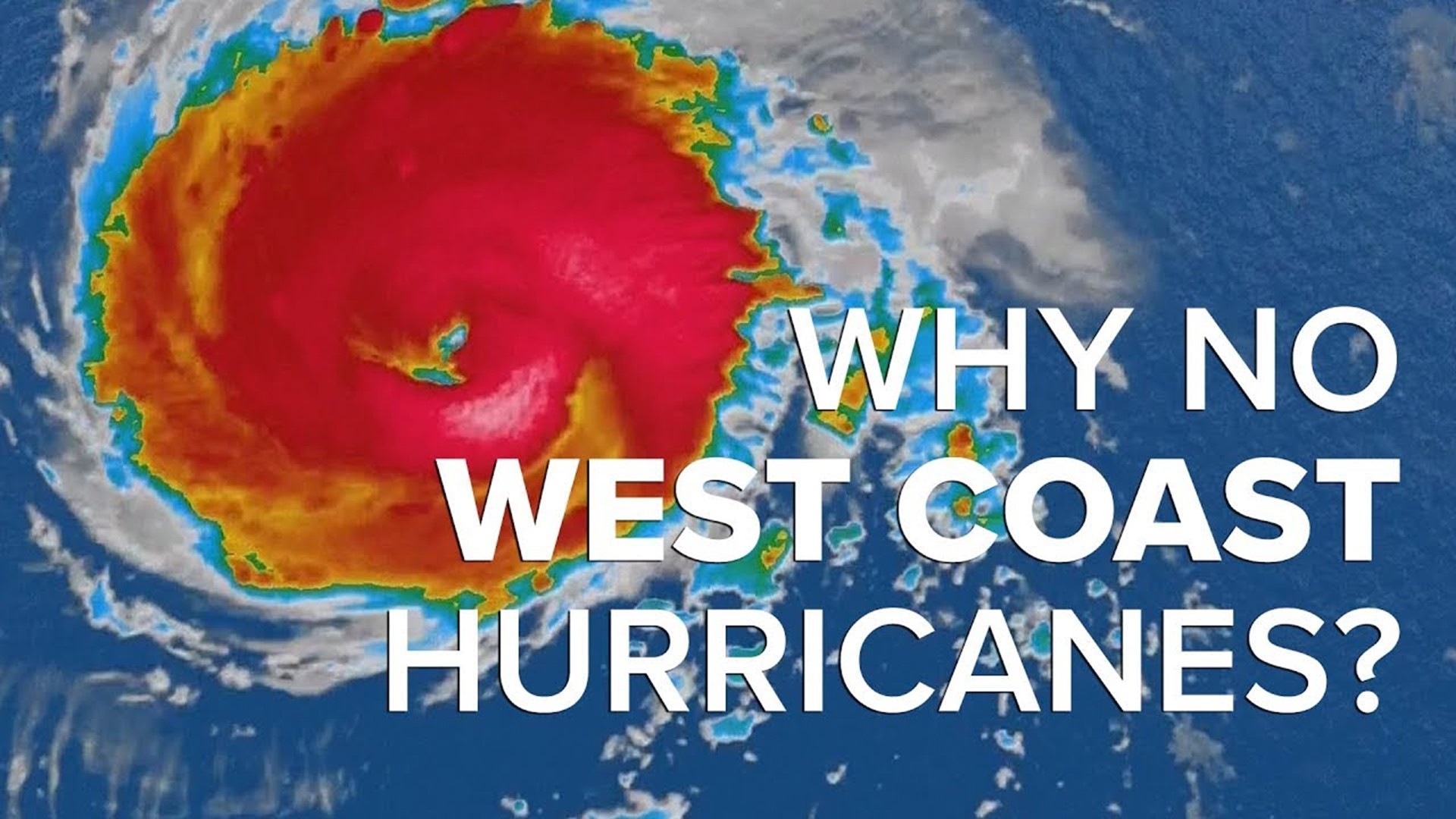
Another critical atmospheric factor is wind shear. Wind shear refers to the change in wind speed and direction with altitude. Hurricanes require a very specific, low-wind-shear environment to organize and strengthen. In the vicinity of California, particularly during the seasons when tropical systems are most likely to form, there is often significant vertical wind shear present. This shear acts to tear apart the delicate structure of a developing storm, preventing it from consolidating its circulation and intensifying into a hurricane. The upper-level winds, often flowing from the west, can effectively shred a budding tropical cyclone before it has a chance to mature.
The Exception: Tropical Storms and Remnants
While hurricanes are exceedingly rare, California is not entirely immune to tropical moisture. Occasionally, a tropical storm or the weakened remnants of a former hurricane can track northward into the region. This typically happens when the typical atmospheric patterns are disrupted, or when a storm forms unusually far to the west in the Pacific Ocean.
Historical Occurrences
In recorded history, there have been a few instances of tropical storms impacting California. One notable event was Tropical Storm Kay in September 2022, which brought significant rainfall, gusty winds, and coastal flooding to parts of Southern California, although it did not make landfall as a hurricane. Historically, the most significant tropical cyclone event was the San Diego Tropical Storm of October 1976, which brought heavy rains and flooding. These events are typically characterized by strong winds and substantial precipitation, but lack the devastating storm surge and extreme wind speeds associated with true hurricanes.
The Role of El Niño
During El Niño events, there can be a slight increase in the probability of tropical moisture reaching California. El Niño is characterized by warmer-than-average sea surface temperatures in the central and eastern Pacific Ocean, which can sometimes allow tropical storms to form further east than usual. However, even during El Niño years, the fundamental oceanic and atmospheric barriers still largely prevent true hurricanes from forming or reaching the coast with significant intensity.
A Climate of Coastal Calm: The Broader Implications
The absence of hurricanes has a profound impact on California’s coastal development, infrastructure, and tourism industry. Unlike the southeastern United States or the Caribbean, which must contend with regular hurricane threats and build resilient infrastructure accordingly, California has been spared this particular meteorological challenge.
Tourism and Infrastructure
This relative meteorological stability contributes to the appeal of California as a year-round tourist destination. Beaches in places like San Diego, Los Angeles, and Santa Barbara are generally safe from the devastating storm surges that plague other coastal regions. Coastal resorts, such as those in Malibu or the Orange County coast, can be built with less emphasis on hurricane-proofing, although seismic resilience remains a significant consideration. The iconic piers and boardwalks that dot the coastline are not constantly under threat of being obliterated by Category 3 or higher storms.
Long-Term Planning and Preparedness
While California doesn’t need to prepare for hurricanes, it does face its own set of natural disaster challenges, most notably earthquakes and wildfires. The focus of disaster preparedness in the state is thus oriented towards these other threats, with building codes and emergency management plans reflecting these realities. The absence of hurricanes allows for a different kind of urban planning and infrastructure investment, one that prioritizes resilience against tremors and fire rather than cyclonic winds and flooding.
In conclusion, the meteorological tapestry that keeps hurricanes at bay from California is woven from the cool embrace of the California Current, the consistent offshore upwelling, the dominant influence of the Pacific High-Pressure System, and disruptive wind shear. While the state may occasionally receive welcome rainfall from tropical remnants, the specter of a direct hurricane landfall remains a distant, and for most, an unexperienced, threat to the Golden State’s shores.
LifeOutOfTheBox is a participant in the Amazon Services LLC Associates Program, an affiliate advertising program designed to provide a means for sites to earn advertising fees by advertising and linking to Amazon.com. Amazon, the Amazon logo, AmazonSupply, and the AmazonSupply logo are trademarks of Amazon.com, Inc. or its affiliates. As an Amazon Associate we earn affiliate commissions from qualifying purchases.