
Planning a dream getaway to the vibrant shores of Puerto Rico is an exciting prospect, filled with visions of sun-drenched beaches, historic cobblestone streets, and lush tropical rainforests. However, like many destinations in the Caribbean, understanding the island’s hurricane season is crucial for a smooth and enjoyable travel experience. While the thought of a tropical storm might seem daunting, with the right information and preparation, you can still have an incredible adventure, even during these months. This comprehensive guide will help you navigate the nuances of Puerto Rico’s weather patterns, offering insights into when to visit, what to expect, and how to safeguard your trip.
Understanding Puerto Rico’s Hurricane Season
The official Atlantic hurricane season, which includes Puerto Rico, runs from June 1st to November 30th each year. This six-month window is when tropical storms and hurricanes are most likely to form and affect the region. While it’s important to acknowledge this period, it doesn’t mean that every day within these months brings severe weather. In fact, many days during hurricane season are perfectly sunny and beautiful, offering fantastic opportunities for travel with fewer crowds and often lower prices.
Key Dates and Peak Activity
Within the official hurricane season, there is a period of heightened activity known as the peak season. This typically falls between mid-August and late October, with September often cited as the most active month for storm development. During these weeks, the sea surface temperatures are at their warmest, providing ample fuel for tropical systems to strengthen.
Understanding this peak helps travelers make informed decisions. While early June, July, and late November are technically within the season, they generally see a lower probability of significant storm activity compared to the peak months. For instance, traveling in early June might offer the benefit of post-spring break calm, pleasant weather, and the very beginning of the “off-season” travel advantages. Similarly, late November often brings cooler temperatures and a significant decrease in storm threats, leading into the drier, cooler, and more popular winter travel season.
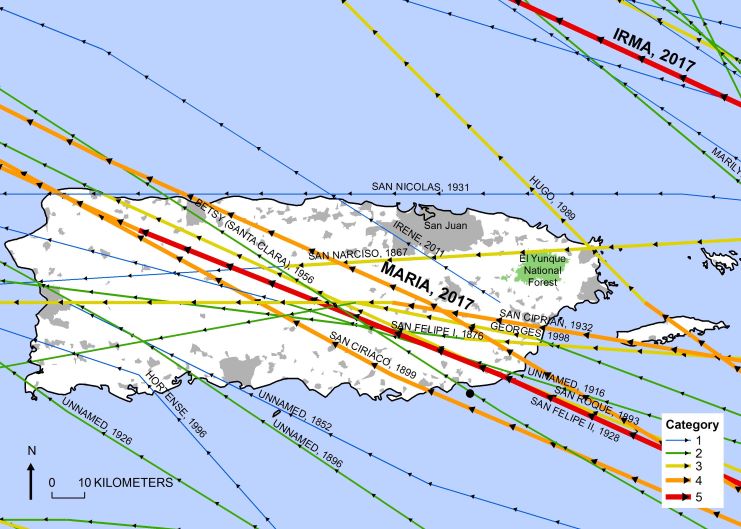
It’s also important to differentiate between a tropical storm and a hurricane. Tropical storms are less intense, bringing heavy rains and strong winds, but often less destructive than hurricanes. Hurricanes are categorized by wind speed (Category 1-5), with higher categories indicating more severe potential damage. The National Hurricane Center (NHC) is the primary resource for tracking and forecasting these systems.
Historical Context and Impact
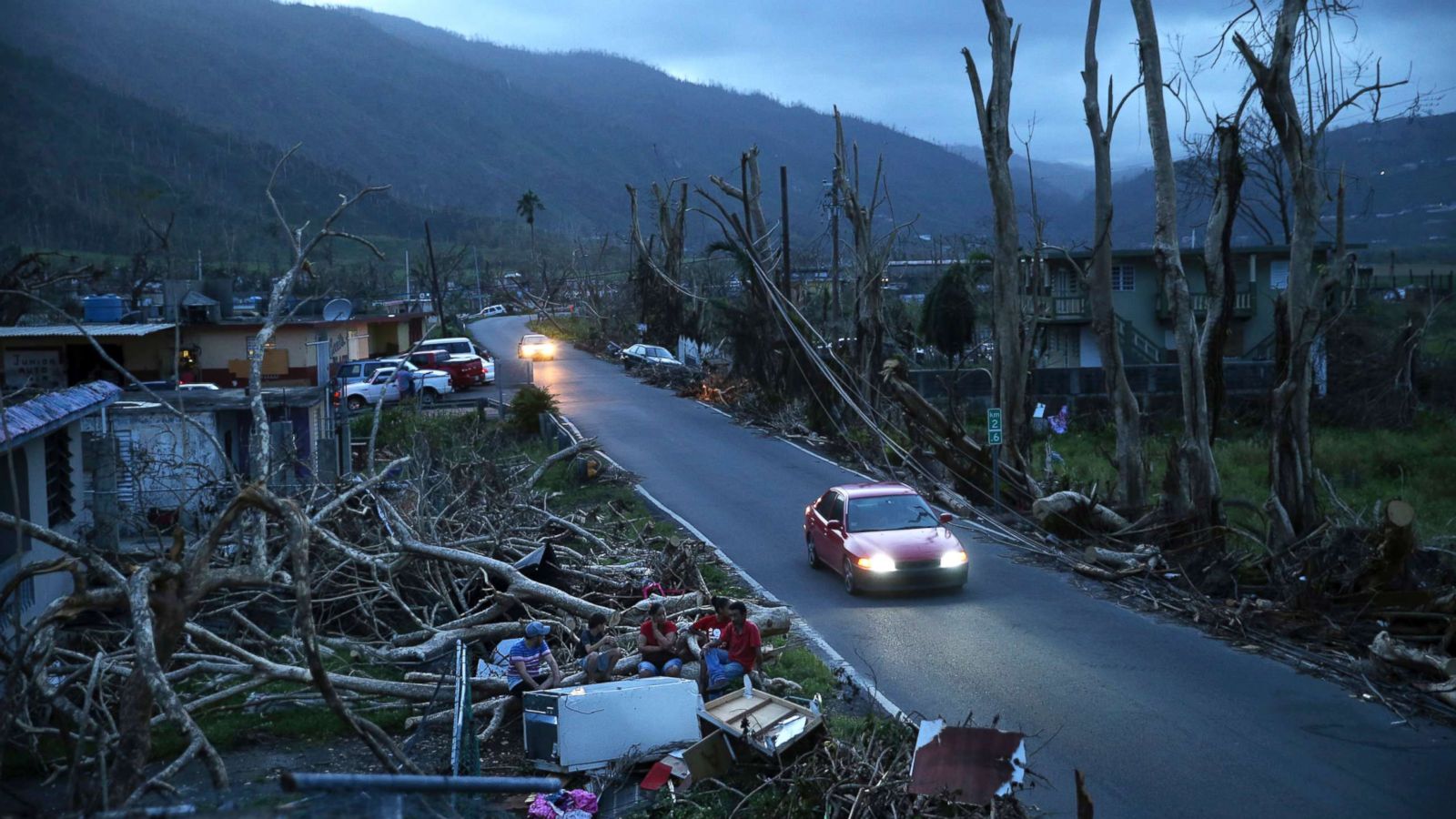
Puerto Rico has a rich history, and unfortunately, this includes encounters with powerful hurricanes. Storms like Hurricane Maria in 2017 serve as stark reminders of the potential impact these natural events can have on the island’s infrastructure, economy, and local communities. Maria was a devastating Category 4 hurricane that caused widespread destruction, leading to prolonged power outages, damage to homes, and a significant disruption to daily life and tourism.
While such events are rare in their severity, their historical impact has led to enhanced preparedness and resilience efforts across Puerto Rico. The island has made significant strides in rebuilding and improving its infrastructure since Maria. Many hotels, resorts, and tourist attractions have invested heavily in storm-resistant construction and emergency protocols. Local authorities and residents are well-versed in hurricane preparedness, having established robust communication channels, emergency shelters, and recovery plans. This historical context underscores the importance of traveler awareness and preparation, rather than discouraging visits outright.
Planning Your Puerto Rico Trip During Hurricane Season
Deciding whether to travel to Puerto Rico during hurricane season involves weighing various factors. While there’s an inherent risk, there are also undeniable benefits, especially for travelers who are flexible and prepared.
Assessing the Risks and Rewards
Risks:
- Storm Disruption: The most obvious risk is the possibility of a tropical storm or hurricane disrupting your travel plans, leading to flight cancellations, closures of attractions, or even requiring you to evacuate.
- Heavy Rainfall: Even without a full-blown hurricane, the season brings increased chances of heavy rainfall, which can sometimes lead to localized flooding and limit outdoor activities.
- Heat and Humidity: The summer months are generally hotter and more humid in Puerto Rico, which might be uncomfortable for some travelers.
Rewards:
- Fewer Crowds: Outside of the peak winter season, Puerto Rico sees fewer tourists. This means less crowded beaches, easier access to popular attractions like El Yunque National Forest, and a more relaxed atmosphere.
- Lower Prices: Hotels, flights, and even some tour operators often offer significant discounts during the off-peak hurricane season to attract visitors. This can make a luxury trip more accessible or allow budget travelers to extend their stay.
- Lush Scenery: The increased rainfall during these months contributes to the island’s vibrant greenery, making El Yunque and other natural landscapes exceptionally lush and beautiful.
For many, the rewards of fewer crowds and better deals outweigh the manageable risks, especially when proper precautions are taken.
Travel Insurance: A Non-Negotiable
If you plan to visit Puerto Rico during hurricane season, comprehensive travel insurance is not just recommended; it’s practically a necessity. A good policy should cover:
- Trip Cancellation/Interruption: Reimburses you for non-refundable expenses if your trip is cut short or canceled due to a hurricane warning at your destination or departure point.
- Flight Delays/Cancellations: Covers costs associated with unexpected overnight stays or rebooking flights.
- Medical Emergencies: Essential for any trip, but particularly important if a storm causes disruptions to local medical services or requires emergency evacuation.
- Baggage Loss/Delay: Useful in situations where travel chaos might lead to misplaced luggage.
It’s crucial to read the fine print of any insurance policy, especially regarding “named storms.” Some policies might exclude coverage for a storm that has already been named before you purchase the insurance. Therefore, it’s best to buy travel insurance as soon as you book your trip.
Monitoring Weather Updates
Staying informed is your best defense against unexpected weather. Before and during your trip, make it a habit to regularly check reliable weather sources.
- National Hurricane Center (NHC): Provides official advisories, forecasts, and storm tracks for the Atlantic basin. Their website and social media channels are invaluable.
- Local Weather Stations: Websites and apps for local Puerto Rico news outlets often offer more granular, localized forecasts and updates.
- Hotel Communications: Many resorts and hotels in Puerto Rico have robust communication plans to keep guests informed of any potential threats and provide guidance on safety protocols. Ensure your accommodation has your contact information and that you understand their emergency procedures upon check-in.
By proactively monitoring the weather, you can make timely decisions, whether it’s adjusting your itinerary, moving to a different part of the island, or evacuating if necessary.
What to Do If a Hurricane Threatens Your Stay
While the chances of a direct hit are statistically low, knowing what to do in the unlikely event of a hurricane threat is paramount for your safety and peace of mind.
Emergency Preparedness: Before You Go
Preparation begins long before you arrive in Puerto Rico.
- Pack Smart: In addition to your regular vacation attire, consider packing a small emergency kit. This might include a portable power bank for your phone, a first-aid kit, copies of important documents (passports, insurance details), and any essential medications.
- Digital Backups: Scan and save copies of your passport, driver’s license, credit cards, and insurance information to a cloud service or email them to yourself. This way, if physical documents are lost or damaged, you have access to digital copies.
- Local Contacts: Familiarize yourself with emergency numbers in Puerto Rico (e.g., 911 for emergencies). Know the address and phone number of your accommodation.
- Communication Plan: Inform family or friends back home of your itinerary and check-in regularly. Establish a plan for how you will communicate with them if phone lines or internet service are disrupted.
During the Storm: Safety Protocols
If a hurricane is forecast to impact Puerto Rico during your stay, your accommodation will likely have established protocols.
- Follow Hotel Instructions: Your hotel or resort will be your primary source of instruction. They will advise on whether to shelter in place, move to a designated safe area within the property, or evacuate to an official shelter. Listen carefully to all announcements.
- Stay Indoors: Once a storm approaches, remain indoors and away from windows. Large resorts like the Ritz-Carlton, San Juan or the St. Regis Bahia Beach Resort are built to withstand strong winds and have emergency plans in place.
- Conserve Resources: Be mindful of electricity and water usage. Charge your devices when power is available.
- Stay Calm: While a hurricane can be frightening, maintaining a calm demeanor helps you think clearly and follow instructions effectively.
Aftermath: Recovery and Rebuilding Efforts
After a storm passes, the immediate aftermath involves assessing damage and beginning recovery.
- Patience is Key: Infrastructure might be damaged, leading to power outages, water supply issues, and limited transportation. Be patient and understanding with local authorities and service providers.
- Stay Informed: Continue to monitor official news and advisories regarding road conditions, curfews, and service availability.
- Offer Support: If possible, patronize local businesses that are open and operational. Your tourism dollars can play a vital role in the island’s recovery. Puerto Rico is incredibly resilient, and its people are dedicated to rebuilding and welcoming visitors. Experiencing the island’s recovery first-hand can be a powerful and humbling experience.
Enjoying Puerto Rico Off-Peak: The Shoulder Season Advantage
While the hurricane season spans several months, the periods just outside the peak — the shoulder seasons of late spring/early summer (May-July) and late fall (November) — offer a sweet spot for travelers.
Benefits of Visiting Outside Peak Hurricane Months
Traveling during May, June, July, or November often means you still reap many of the benefits of the off-peak season without as high a risk of a major storm.
- May and Early June: These months typically offer beautiful weather with lower humidity than the height of summer, fewer crowds, and attractive prices before the peak hurricane season really kicks in. The waters are warm, perfect for swimming and snorkeling.
- July: While hotter, July can still be a good time, especially earlier in the month. The chances of a significant hurricane are still relatively low compared to September.
- November: After the intense peak of hurricane season, November generally sees clearer skies, slightly cooler temperatures, and a much lower chance of storms. It’s an excellent month to enjoy the island before the busy holiday season begins.
These shoulder months provide a fantastic balance for those seeking a tranquil and value-oriented Puerto Rico experience. You can often find great deals on luxurious accommodations, such as suites at the Condado Vanderbilt Hotel or villas overlooking the ocean, making a high-end trip more affordable.
Best Times to Visit Puerto Rico for Optimal Weather
For travelers prioritizing absolutely minimal risk of tropical storms and the most comfortable weather, the winter and spring months (December through April) are generally considered the best time to visit Puerto Rico.
- December to February: These months are characterized by cooler, drier weather, lower humidity, and abundant sunshine. This is peak tourist season, so expect higher prices and larger crowds at popular spots like Old San Juan and Flamenco Beach.
- March and April: These months continue the excellent weather pattern, with temperatures beginning to warm slightly. It’s still a very popular time, especially around Easter and Spring Break, but often less crowded than the height of winter.
While these months offer optimal weather, they also come with a premium price tag. For those willing to accept a manageable level of risk, the shoulder seasons within or directly bordering hurricane season can provide a more unique and often more budget-friendly experience.
Experiencing Puerto Rico: Attractions and Activities Year-Round
Regardless of when you choose to visit, Puerto Rico offers an incredible array of experiences that cater to every type of traveler. From historic sites to natural wonders and vibrant cultural scenes, the island is rich in opportunities.
Iconic Landmarks and Cultural Immersion
Puerto Rico’s history is palpable, particularly in its capital city, San Juan.
- Old San Juan: A designated UNESCO World Heritage Site, Old San Juan is a colorful tapestry of cobblestone streets, colonial architecture, and centuries-old fortresses. Wander through its narrow lanes, admire the brightly painted buildings, and discover hidden plazas.
- Castillo San Felipe del Morro: This majestic 16th-century fortress, perched on a promontory overlooking the Atlantic, is a must-see. Explore its ramparts, tunnels, and watchtowers, imagining its role in defending the city.
- Castillo de San Cristobal: Another impressive fortification, Castillo de San Cristobal is the largest Spanish-built fortification in the New World. Its vast grounds and intricate defense system offer a fascinating glimpse into military history.
- La Fortaleza: The official residence of the Governor of Puerto Rico, this stunning blue palace is the oldest continuously used executive mansion in the Americas and another UNESCO site.
- Museums and Art Galleries: San Juan boasts numerous museums, such as the Museo de Arte de Puerto Rico and the Museo de las Américas, offering insights into the island’s art, history, and culture.
Cultural immersion extends beyond San Juan. Consider a day trip to Ponce, the “Pearl of the South,” known for its unique architectural style, charming plazas, and the iconic Parque de Bombas.
Culinary Delights and Local Flavors
Puerto Rican cuisine is a delicious fusion of Taino, Spanish, and African influences. Food is a central part of the island’s culture and a highlight for any visitor.
- Mofongo: A quintessential Puerto Rican dish made from mashed fried plantains with garlic, olive oil, and pork cracklings, often served with chicken, beef, or seafood.
- Lechón Asado: Slow-roasted whole suckling pig, incredibly tender and flavorful, a staple for celebrations and available at “lechoneras” in the countryside, particularly along the famous Pork Highway in Guavate.
- Pasteles: Similar to tamales, these are made from grated green plantains, yautía, and calabaza (squash), filled with meat, and wrapped in banana leaves.
- Bacalaítos: Crispy codfish fritters, a popular street food snack.
- Piña Coladas: Invented in Puerto Rico, this iconic cocktail is a must-try. Visit Barrachina or Caribe Hilton, both claiming to be its birthplace.
- Coffee Plantations: Explore the scenic coffee regions in the central mountains, such as Hacienda Buena Vista, to learn about Puerto Rico’s rich coffee-growing heritage and sample exquisite local brews.
Food tours in Old San Juan or visits to local markets like La Placita de Santurce offer fantastic opportunities to delve into the local culinary scene.
Adventure and Nature Exploration
Puerto Rico’s diverse landscapes provide endless opportunities for outdoor adventure.
- El Yunque National Forest: The only tropical rainforest in the U.S. National Forest System, El Yunque is a haven of biodiversity. Hike its trails, swim in natural pools beneath waterfalls like La Mina Falls, and listen for the distinctive call of the coquí frog.
- Bioluminescent Bays: Puerto Rico is home to three of the world’s five bioluminescent bays. Kayaking through Mosquito Bay in Vieques or Laguna Grande in Fajardo at night, as microscopic organisms light up the water with every paddle stroke, is a magical and unforgettable experience.
- Beach Hopping: With nearly 300 miles of coastline, Puerto Rico offers an incredible variety of beaches. From the calm, crystal-clear waters of Flamenco Beach on Culebra, often ranked among the world’s best, to the vibrant surfing waves of Rincón on the west coast, there’s a beach for every preference.
- Caves and Karst Country: Explore the impressive subterranean world of the Río Camuy Cave Park, featuring vast cave systems and an underground river. For the adventurous, rappelling and caving tours are available in the central karst region.
- Snorkeling and Diving: The clear waters surrounding Puerto Rico and its smaller islands, Vieques and Culebra, are teeming with marine life and vibrant coral reefs, perfect for snorkeling and diving enthusiasts.
Whether you’re seeking relaxation on a luxury resort’s private beach, an adrenaline-pumping zip-lining adventure, or an immersive journey through history, Puerto Rico provides a captivating backdrop for any type of vacation. By understanding the island’s hurricane season and preparing accordingly, you can confidently plan a trip that is both unforgettable and safe.
LifeOutOfTheBox is a participant in the Amazon Services LLC Associates Program, an affiliate advertising program designed to provide a means for sites to earn advertising fees by advertising and linking to Amazon.com. Amazon, the Amazon logo, AmazonSupply, and the AmazonSupply logo are trademarks of Amazon.com, Inc. or its affiliates. As an Amazon Associate we earn affiliate commissions from qualifying purchases.