
Essential Health Planning for the Modern Lifestyle Traveler
For individuals embracing a flexible lifestyle, whether as digital nomads, long-term explorers, or those considering a significant move, understanding healthcare options is paramount. While the allure of new experiences and destinations often takes center stage, the practicalities of maintaining well-being cannot be overlooked. For those whose journey brings them to or through California with plans for an extended stay or even residency, navigating the state’s health insurance landscape becomes a critical component of their lifestyle planning. This includes recognizing the significance of Covered California and its annual open enrollment period.
Understanding the Importance of Health Coverage for Extended Stays
A lifestyle that prioritizes freedom and exploration often comes with unique considerations, especially regarding health and safety. While short-term travel insurance can cover medical emergencies abroad, it rarely provides comprehensive, ongoing care for those establishing temporary or permanent residency within a U.S. state. For a prolonged stay in California, relying solely on out-of-state or international plans can lead to significant financial risk and limited access to local healthcare providers. Comprehensive health insurance ensures access to primary care physicians, specialists, preventative services, and emergency care without the burden of exorbitant out-of-pocket costs, allowing individuals to maintain their desired lifestyle with greater peace of mind.
For families embarking on extended trips or relocation, securing robust health coverage is even more vital. Children require regular check-ups, and unexpected illnesses or injuries can disrupt even the most meticulously planned family adventure. Similarly, business travelers or those exploring new professional opportunities in California need to ensure their health is protected, allowing them to focus on career growth and networking without healthcare anxieties. The decision to secure local health coverage isn’t merely a compliance issue; it’s a fundamental aspect of responsible and sustainable lifestyle management.
Covered California: A Key Resource for California-Based Lifestyles
Covered California serves as the state’s health insurance marketplace, established under the Affordable Care Act (ACA). It provides a platform where eligible individuals and families can compare health insurance plans from various providers and enroll in coverage that fits their needs and budget. Importantly, it’s also the only place where individuals can access financial assistance (subsidies) to help reduce the cost of monthly premiums and out-of-pocket expenses. This financial aid can be a game-changer for budget-conscious travelers or those navigating a transitional phase in their lifestyle, making quality healthcare significantly more accessible.
For anyone planning to make California their home base for a significant period, understanding Covered California is essential. It offers a structured and transparent way to secure health coverage, eliminating much of the guesswork associated with navigating the complex health insurance market. The plans offered through Covered California meet federal standards for essential health benefits, providing comprehensive coverage across a range of services. This resource is particularly relevant for self-employed individuals, independent contractors, or those not offered insurance through an employer—common scenarios for many adopting a flexible, modern lifestyle.
Navigating the 2024 Open Enrollment Period
The concept of “open enrollment” is crucial for anyone seeking to secure health insurance through Covered California. This is a specific window of time each year when individuals can sign up for a new health plan, switch plans, or renew their existing coverage. Missing this period can leave individuals without essential health coverage for the coming year, underscoring the importance of staying informed and planning ahead.
Key Dates and Deadlines for Health Plan Selection
The open enrollment period for Covered California typically runs for several weeks, providing ample opportunity to research, compare, and select a suitable health plan. For 2024 coverage, the official open enrollment period in California generally commences on November 1st of the preceding year (e.g., November 1, 2023, for 2024 plans). It usually extends through January 31st of the coverage year (e.g., January 31, 2024, for 2024 plans).
However, specific deadlines within this window are critical for ensuring coverage begins when desired:
- December 15th (for January 1st coverage): To ensure your new health plan takes effect on January 1st, you must enroll and pay your first premium by December 15th. This is particularly important for individuals who want continuous coverage from the start of the new year, avoiding any gaps in protection.
- January 31st (final deadline for February 1st coverage): If you miss the December 15th deadline but enroll by January 31st, your coverage will typically begin on February 1st. This is the absolute last day to enroll during the standard open enrollment period for the year.
These dates are pivotal for individuals integrating health insurance into their lifestyle plans. Missing the open enrollment window means you generally cannot enroll in a plan for the year unless you qualify for a Special Enrollment Period. For those moving to California or undergoing other significant life changes, these dates need to be marked prominently on their planning calendar.

Special Enrollment Periods: Flexibility for Life’s Transitions
While open enrollment is the primary time to secure coverage, Covered California recognizes that life events don’t always align with a fixed schedule. Special Enrollment Periods (SEPs) provide a crucial safety net for individuals experiencing qualifying life events outside of the standard open enrollment window. These SEPs allow people to enroll in or change health plans within 60 days of the event.
Qualifying life events that trigger an SEP are often relevant to the dynamic lifestyles of many modern travelers and individuals undergoing transitions:
- Loss of other health coverage: This could include losing job-based coverage, expiring COBRA, aging off a parent’s plan, or losing eligibility for Medi-Cal or other government programs.
- Change in household size: Getting married, having a baby, adopting a child, or placing a child for foster care.
- Moving: Permanently moving to or within California and gaining access to new health plans. This is particularly pertinent for digital nomads or those relocating for an extended period.
- Change in citizenship or immigration status: Becoming a U.S. citizen, national, or lawfully present individual.
- Release from incarceration: Becoming eligible for coverage after being released.
- Significant income changes: Experiencing changes that affect eligibility for subsidies or Medi-Cal.
Understanding SEPs is vital for those with unpredictable life paths. They offer flexibility, ensuring that individuals can adapt their health coverage as their lifestyle evolves. If you’re planning a move to California outside of the typical open enrollment window, researching if your move qualifies as an SEP event is a crucial step in your transition.
Beyond Enrollment: Choosing the Right Plan for Your Lifestyle
Enrolling is just the first step. The true art of integrating health insurance into a flexible lifestyle lies in selecting a plan that genuinely supports your unique needs, budget, and travel habits. Covered California offers a range of options, and a thoughtful selection process ensures that your healthcare complements rather than hinders your chosen way of life.
Factors to Consider: Budget, Coverage Needs, and Travel Habits
When choosing a health plan, several factors should weigh heavily in your decision:
- Budget: Health insurance costs can vary significantly. Consider your monthly premium tolerance, as well as potential out-of-pocket costs like deductibles, co-payments, and co-insurance. For budget travelers or those managing finances closely, finding a balance between premium cost and financial protection is key. Remember to factor in potential subsidies from Covered California when assessing affordability.
- Coverage Needs: What are your typical healthcare needs? Do you have chronic conditions requiring regular medication or specialist visits? Are you generally healthy and primarily seeking catastrophic coverage? Do you need maternity care, mental health services, or prescription drug coverage? A thorough assessment of your past and anticipated health needs will guide you toward plans with appropriate benefits.
- Network and Provider Access: For those who might move between cities within California (e.g., between Los Angeles and San Francisco) or plan to be mobile, understanding the plan’s provider network is crucial. HMOs (Health Maintenance Organizations) typically require you to choose a primary care physician within their network and get referrals for specialists, offering less flexibility but often lower costs. PPOs (Preferred Provider Organizations) offer more flexibility to see out-of-network providers (though at a higher cost) and usually don’t require referrals, which might suit a more transient lifestyle better.
- Travel Habits within California: If your lifestyle involves frequent travel within California, consider the geographical reach of the plan’s network. Some plans might be regional, while others offer broader statewide coverage. Ensure that your chosen plan allows you access to care wherever your travels take you within the state.
Understanding Subsidies and Financial Assistance
One of the most significant benefits of enrolling through Covered California is the availability of financial assistance, often referred to as subsidies. These come in two main forms:
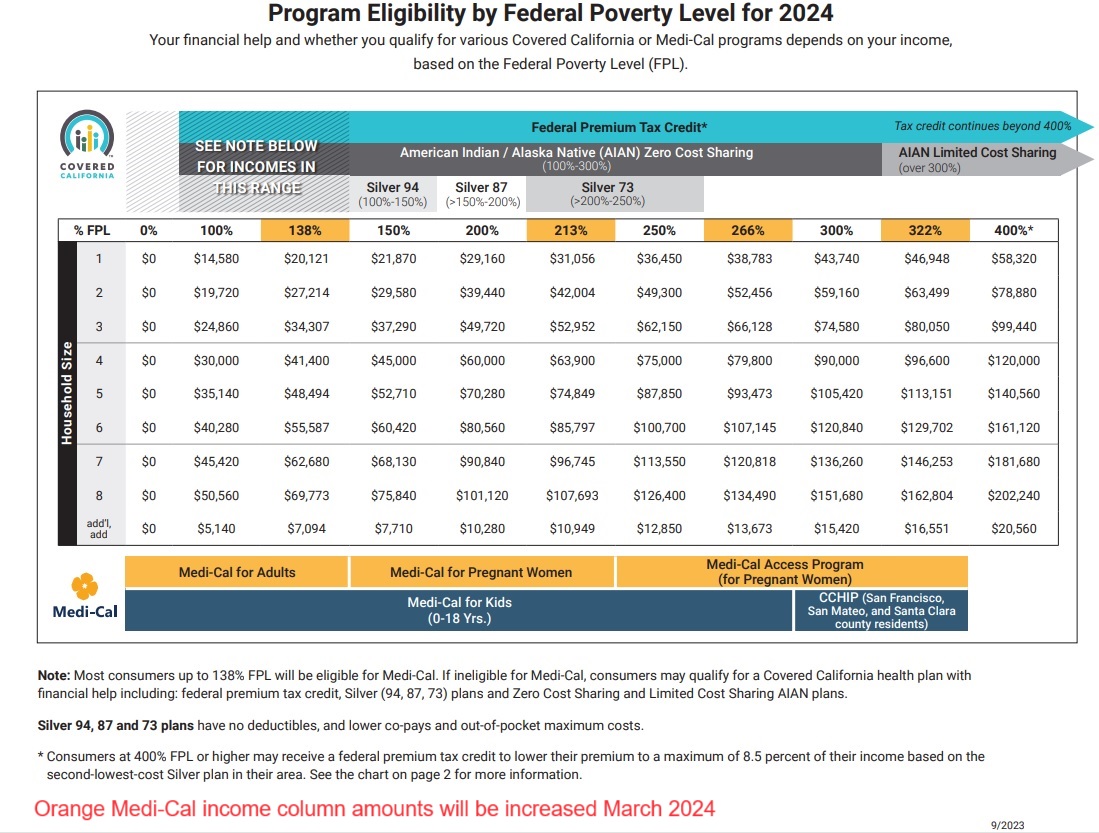
- Premium Assistance (Advance Premium Tax Credits – APTC): These subsidies reduce your monthly health insurance premium. Eligibility is based on household income and size relative to the federal poverty level. Many individuals and families, including those with moderate incomes, qualify for substantial premium reductions, making health insurance significantly more affordable.
- Cost-Sharing Reductions (CSRs): These subsidies help lower your out-of-pocket costs, such as deductibles, co-payments, and co-insurance. CSRs are available to individuals and families with lower incomes who enroll in a Silver-level plan. By reducing your out-of-pocket expenses, CSRs provide an additional layer of financial protection, which can be invaluable for unexpected medical events.
When using the Covered California platform, your eligibility for these subsidies will be automatically calculated based on the information you provide about your income and household. Understanding these financial aids is critical for maximizing your budget and ensuring that healthcare expenses don’t derail your chosen lifestyle. Many people are surprised to find they qualify for assistance, significantly reducing the perceived cost barrier to comprehensive health coverage.

Resources and Next Steps for a Seamless Transition
Navigating health insurance can seem daunting, especially when integrated into a dynamic lifestyle. However, Covered California provides numerous resources to simplify the process. Their website is an excellent starting point, offering detailed information on plans, eligibility, and the application process.
For personalized assistance, individuals can connect with certified enrollment counselors or insurance agents who are trained to guide applicants through plan comparisons, subsidy estimations, and the enrollment process. These experts can offer invaluable insights tailored to specific lifestyle needs, ensuring a smooth transition into California’s healthcare system.
Securing health coverage during the open enrollment period for Covered California for 2024 is more than a bureaucratic task; it’s an empowering decision that supports a sustainable and worry-free lifestyle. By proactively planning for health needs, whether you’re a long-term visitor, a relocating professional, or an adventurous digital nomad, you ensure that your focus remains on experiencing life to the fullest, wherever your journey takes you within the Golden State.
LifeOutOfTheBox is a participant in the Amazon Services LLC Associates Program, an affiliate advertising program designed to provide a means for sites to earn advertising fees by advertising and linking to Amazon.com. Amazon, the Amazon logo, AmazonSupply, and the AmazonSupply logo are trademarks of Amazon.com, Inc. or its affiliates. As an Amazon Associate we earn affiliate commissions from qualifying purchases.