
California, renowned for its breathtaking landscapes, vibrant cities, and unparalleled lifestyle, is a dream destination for travelers, a prime location for property investors, and a beloved home for millions. From the sun-drenched beaches of San Diego to the majestic redwoods of the north, and the bustling metropolises of Los Angeles and San Francisco, the Golden State offers an extraordinary array of experiences. For those considering a long-term stay, investing in a vacation rental, or making California their permanent residence, understanding the local property tax system is an essential part of financial planning.

Property taxes are a fundamental aspect of homeownership, directly impacting one’s financial capacity for travel, luxury accommodations, or even future property investments. Whether you’re a prospective buyer eyeing a beachfront villa in Malibu, an investor considering rental properties in Orange County, or simply relocating and need to budget, knowing when property taxes are due is crucial. This guide demystifies California’s property tax schedule, helping you navigate the financial landscape of this dynamic West Coast paradise.
Understanding California’s Property Tax System: A Key Aspect of West Coast Living
Property taxes in California are assessed annually on real property and are a significant source of revenue for local governments, funding essential services like schools, fire departments, and local infrastructure that enhance the quality of life and tourism appeal of various destinations. This system operates on a fiscal year that runs from July 1st to June 30th. For anyone planning a long-term stay or considering property as an investment vehicle, particularly in popular tourist areas like Napa Valley or near Yosemite National Park, understanding these deadlines is paramount to avoiding penalties and managing your finances effectively.
The Annual Property Tax Cycle: Dates to Remember
The property tax cycle in California begins with the “lien date,” which is January 1st of each year. On this date, taxes for the upcoming fiscal year become a lien against the property. This means that if you own property on January 1st, you are liable for the property taxes for the fiscal year beginning the following July 1st.
Following the lien date, county assessors determine the taxable value of your property. Property tax bills are typically mailed by the county tax collector around September or October each year. These bills cover the fiscal year from July 1st through June 30th of the following year. It’s important to note that even if you do not receive a bill, the responsibility for paying property taxes remains with the property owner. This makes it crucial for homeowners, especially those who travel frequently or own vacation homes, to keep their mailing address updated with the county assessor’s office or opt for electronic notifications where available. If you’ve just purchased a new home or are managing a rental property from afar, proactively checking with the county tax collector’s website is a smart move.
Primary Installment Deadlines: Don’t Miss Out
California property taxes are typically paid in two equal installments. These installments have specific due dates and delinquency dates that homeowners must adhere to to avoid penalties.
-
First Installment:
- Due Date: The first installment is due on November 1st.
- Delinquency Date: It becomes delinquent if not paid by 5:00 PM on December 10th. If December 10th falls on a weekend or holiday, the delinquency date is extended to the next business day.
- Penalty: A 10% penalty is added if the first installment is not paid by the delinquency date.
-
Second Installment:
- Due Date: The second installment is due on February 1st.
- Delinquency Date: It becomes delinquent if not paid by 5:00 PM on April 10th. Similar to the first installment, if April 10th falls on a weekend or holiday, the delinquency date is extended to the next business day.
- Penalty: A 10% penalty plus a $10 cost is added if the second installment is not paid by the delinquency date.
These dates are etched in the minds of seasoned California property owners. For those new to the state, perhaps having moved to Silicon Valley for a tech job or seeking a relaxed retirement near Lake Tahoe, setting calendar reminders for these deadlines is highly recommended. Missing these dates can quickly escalate costs, eating into your budget for future travel or lifestyle enhancements.
Supplemental Taxes: Navigating Property Changes
Beyond the annual property tax bill, homeowners in California might encounter “supplemental taxes.” These are unique to California and are triggered by a “change in ownership” or “completion of new construction.” When such an event occurs, the property is reappraised to its new market value.
- When they apply: Supplemental taxes cover the period between the date of the change in ownership (or new construction completion) and the end of the current fiscal year (June 30th). This means you could receive a supplemental tax bill even if you’ve already paid your regular annual property taxes.
- Billing: Supplemental tax bills are mailed separately from regular property tax bills and have their own distinct due dates. Typically, the first supplemental installment is due on the last day of the month following the month in which the bill was mailed, and becomes delinquent if not paid by the last day of the second month. The second installment is due the last day of the fourth month following the month in which the bill was mailed, and becomes delinquent if not paid by the last day of the fifth month.
- Important Note: These bills can arrive at any time during the year and often catch new homeowners by surprise. If you’ve recently purchased a property, for example, a vacation home in Palm Springs or an investment property in Pasadena, be prepared for these additional bills. They are calculated based on the difference between the old assessed value and the new assessed value, prorated for the remainder of the fiscal year.
Beyond the Basics: Special Considerations for California Property Owners
Navigating property ownership in California extends beyond understanding basic deadlines. Various programs and practices can significantly impact your tax obligations and overall financial planning, especially for those who view property as part of their broader lifestyle and investment strategy.
Exemptions and Relief Programs: Saving on Your Investment
California offers several exemptions and relief programs that can reduce your property tax burden, directly impacting your available funds for travel, luxury experiences, or other investments.
- Homeowners’ Exemption: This is the most common and valuable exemption for owner-occupied primary residences. It reduces the assessed value of your home by $7,000, which translates to a saving of about $70-$80 on your annual tax bill (depending on the local tax rate). If you plan to make California your permanent home, perhaps settling down in Santa Barbara or Monterey, applying for this exemption is a must. The deadline to file for the full exemption is February 15th for the upcoming fiscal year.
- Other Exemptions: California also provides exemptions for disabled veterans, properties used for religious, charitable, or educational purposes, and certain types of historical properties. While these are more niche, they highlight the state’s commitment to supporting various community segments and preserving its rich heritage, which often draws tourists.
- Property Tax Postponement: For eligible low-income seniors, blind, or disabled citizens, the State Controller’s Office offers a property tax postponement program. This allows qualified individuals to defer payment of property taxes on their primary residence. This can be a lifesaver for those on fixed incomes, helping them maintain their lifestyle in expensive areas like San Jose or Berkeley.

Exploring these exemptions and programs can yield substantial savings, freeing up resources for dream vacations, luxury hotel stays, or other lifestyle enhancements that make living in California so appealing.
Understanding Tax Bills and Payment Options: Seamless Management
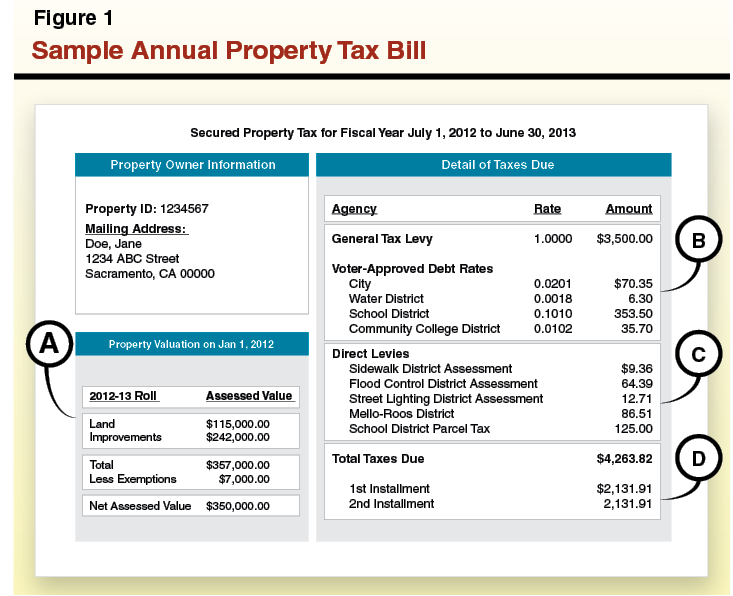
Your annual property tax bill provides a detailed breakdown of your tax obligations. It typically includes:
- Assessed Value: The taxable value of your property determined by the county assessor.
- Tax Rate: The combined rate of various local levies, including the 1% basic property tax rate under Proposition 13, plus any voter-approved bonds or special assessments.
- Breakdown of Charges: Details on which agencies (schools, cities, counties, special districts) receive your tax dollars.
- Payment Coupons: For both installments, with due and delinquency dates clearly marked.
Payment Options: California counties offer a variety of convenient ways to pay your property taxes, which is particularly helpful for busy homeowners or those managing properties remotely.
- Online: Most counties, including those for Los Angeles County and San Francisco County, have secure online portals where you can pay by electronic check (e-check) for free or by credit/debit card, often for a small convenience fee. This is ideal for homeowners who might be traveling during tax season.
- Mail: You can mail a check or money order using the payment coupons provided with your bill. Ensure it is postmarked by the delinquency date to avoid penalties.
- In-Person: Payments can be made in person at the county tax collector’s office. This option is useful if you prefer direct interaction or need to make a last-minute payment, perhaps combining it with a local tourism visit to Sacramento or Fresno.
- Impound Accounts: Many mortgage lenders require homeowners to pay their property taxes and insurance through an impound (escrow) account. If you have an impound account, your lender will typically make the property tax payments on your behalf. However, it’s always wise to verify that payments have been made by checking your county’s tax collector website. This is a common arrangement for property managers of vacation rentals or those owning multiple properties.
The Impact of Property Taxes on Lifestyle and Investment Decisions
The property tax structure in California significantly influences lifestyle and investment choices. High property values, while beneficial for equity growth, also mean higher tax bills. This can affect decisions ranging from where to buy a family home to where to invest in a short-term rental property.
For travelers who enjoy extended stays, understanding the local tax implications of property ownership is crucial. Buying a second home in a popular spot like Big Bear Lake for winter getaways or near Disneyland for family vacations offers incredible personal enjoyment but comes with ongoing financial commitments. Similarly, for those looking to invest in the robust California tourism market through vacation rentals, accurate property tax budgeting is vital for calculating potential returns and profitability. High taxes in prime locations like Beverly Hills might necessitate higher rental rates, impacting demand. Conversely, more affordable areas may offer better returns on investment despite attracting less high-end tourism.
Ultimately, your property tax obligations directly influence your disposable income. A well-managed tax strategy can free up funds for exploring California’s many attractions, from strolling the Hollywood Walk of Fame to relaxing on the Santa Monica Pier, or embarking on international adventures.
Navigating Property Ownership in California: Tips for Travelers, Investors, and New Residents
Whether you’re enchanted by the prospect of a permanent residence in Carlsbad, eyeing a lucrative investment in Oakland, or dreaming of a vacation getaway in Carmel-by-the-Sea, being well-informed about property taxes in California is a critical step towards realizing your goals.
Planning Your Financial Future in the Golden State
Sound financial planning is the cornerstone of comfortable living and successful investing in California. When budgeting for property ownership, always factor in more than just the mortgage payment. Property taxes, along with insurance and potential HOA fees, are recurring expenses that can significantly impact your monthly outflow.
- Automate Payments: If you don’t have an impound account, consider setting up automatic payments through your bank or the county tax collector’s website. This minimizes the risk of missing deadlines, especially if you lead a travel-heavy lifestyle.
- Create a Buffer: Allocate extra funds for property taxes, especially during the first year of ownership when supplemental bills might surprise you. This buffer can also cover unexpected property maintenance or a spontaneous trip to Lake Tahoe.
- Consult Professionals: Engage with a local real estate agent, a financial advisor, or a tax professional familiar with California property laws. They can provide tailored advice, help you understand the nuances of specific county taxes (e.g., Ventura County vs. Riverside County), and assist with exemption applications.
Key Considerations for Vacation Homeowners and Rental Investors
For those who view property in California as part of their travel and investment portfolio, specific considerations apply.
- Research Local Tax Rates: Property tax rates can vary slightly by county and even within cities due to special assessments. Research the specific rates for areas like Long Beach, Anaheim, or Santa Monica before purchasing a vacation home or rental unit. Higher taxes can eat into your rental income or increase the cost of your leisure property.
- Account for Rental Income Taxes: In addition to property taxes, rental income generated from your California property is subject to state and federal income taxes. Factor these into your financial projections.
- Property Management: If you don’t live near your investment property, consider hiring a property management company. They can handle not only tenant relations but also ensure bills, including property taxes, are paid on time, saving you stress and potential penalties while you explore California’s stunning natural landmarks like Big Sur or Joshua Tree National Park.
Resources for New Residents and Property Buyers
The key to successfully managing property taxes in California is proactive engagement with official resources.
- County Tax Collector Websites: Every California county has a tax collector’s website where you can look up your property tax bill, review payment history, find important dates, and explore payment options. This is your primary source of information. For example, search for ““San Joaquin County Tax Collector” or ““Contra Costa County Property Taxes.”
- County Assessor Websites: The assessor’s office is responsible for determining your property’s value. Their website can provide information on how your property is assessed, details on the homeowners’ exemption, and procedures for appealing an assessment if you believe it’s inaccurate.
- State Board of Equalization (BOE): The California State Board of Equalization provides general oversight and guidance on property tax matters across the state. Their website offers comprehensive publications and FAQs that can help clarify complex issues.
In conclusion, understanding when property tax is due in California is more than just remembering a few dates; it’s a vital part of responsible property ownership that underpins your overall financial health and lifestyle choices in the Golden State. By staying informed, utilizing available exemptions, and leveraging convenient payment methods, you can seamlessly integrate property tax management into your life, ensuring that your California dream remains a financially sound and enjoyable reality. Whether you’re commuting to San Jose, enjoying the beaches of Huntington Beach, or investing in a vacation rental near Lake Tahoe, intelligent property tax planning empowers you to fully experience all the incredible travel, accommodation, and lifestyle opportunities this state has to offer.
LifeOutOfTheBox is a participant in the Amazon Services LLC Associates Program, an affiliate advertising program designed to provide a means for sites to earn advertising fees by advertising and linking to Amazon.com. Amazon, the Amazon logo, AmazonSupply, and the AmazonSupply logo are trademarks of Amazon.com, Inc. or its affiliates. As an Amazon Associate we earn affiliate commissions from qualifying purchases.