
Colorado, a state synonymous with towering Rocky Mountains and unparalleled winter wonderlands, beckons snow enthusiasts from around the globe. The allure of its powdery slopes, charming mountain towns, and world-class resorts makes planning a ski trip a top priority for many. Understanding the nuances of Colorado’s skiing season is paramount to maximizing your experience, from catching the freshest powder to enjoying fewer crowds and vibrant après-ski scenes. This comprehensive guide will delve into the typical timings, regional variations, and the factors that influence when the ski boots come out in the Centennial State.
The Definitive Colorado Skiing Season Timeline
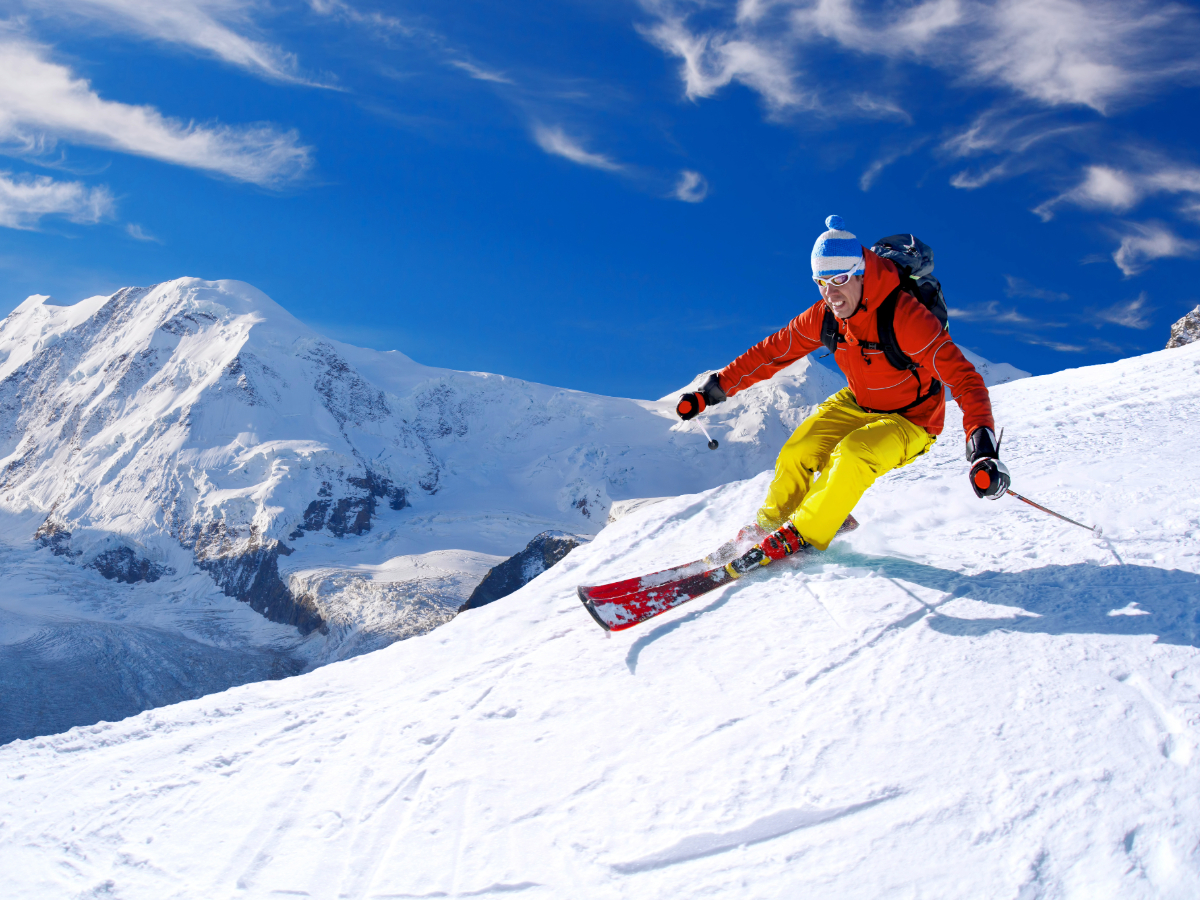
While the exact opening and closing dates can fluctuate year to year due to weather patterns, the general ski season in Colorado typically spans a considerable period, offering ample opportunities for winter sport lovers.
Early Season: The First Tracks
The anticipation for ski season often begins long before the first snowflake falls in earnest. Many resorts strategically aim for early November openings, especially those at higher elevations with more reliable snowfall.
November: The Kick-off
By November, several resorts begin firing up their lifts. These early season operations are often concentrated on select high-altitude terrain, prioritizing reliable snow coverage. Resorts like Keystone Resort and Breckenridge Ski Resort are frequently among the first to open, thanks to their elevation and snowmaking capabilities. While not all runs may be open, these early weeks offer a fantastic opportunity for skiers and snowboarders to get a head start, often with fewer crowds and a more intimate resort experience. It’s an excellent time for those who are eager to carve their first turns of the season and experience the crisp mountain air before the peak holiday rush.
Mid-Season: The Peak Performance
From December through February, Colorado’s ski resorts are in their prime. This period is characterized by consistent snowfall, cold temperatures ideal for maintaining snow quality, and the full operational capacity of most resorts.
December: The Holiday Rush and Prime Conditions
December marks the true beginning of the peak ski season. Snowfall generally becomes more frequent and substantial, blanketing the mountains in deep, fluffy powder. Many resorts will have opened all their terrain by this month, offering a full spectrum of runs for all skill levels. However, this is also a period of high demand, especially around the Christmas and New Year holidays. Expect larger crowds and higher accommodation prices. For those seeking the quintessential Colorado ski experience – abundant powder, lively après-ski, and a festive atmosphere – December is an excellent choice, provided you book well in advance.
January: The Snowiest Month
January is often hailed as the snowiest month in Colorado. The cold, dry air characteristic of the high plains combines with Pacific storm systems to deliver consistent and significant snow accumulations. This translates to prime powder days, where fresh snow can fall for days on end, creating epic conditions for off-piste adventures and groomed runs alike. Resorts like Snowmass, Aspen Highlands, and Telluride Ski Resort are renowned for their exceptional snow quality and challenging terrain during this period. While crowds may slightly decrease after the holiday exodus, January remains a highly sought-after month for serious skiers and snowboarders.
February: Consistent Snowfall and Longer Days
February continues the trend of excellent skiing conditions. Snowfall remains robust, and the days begin to noticeably lengthen, offering more daylight hours to enjoy the slopes. This month often strikes a balance between excellent snow and manageable crowds. Many resorts will have established a solid snow base, ensuring good coverage even between storm cycles. The overall experience in February can be remarkably consistent, offering reliable skiing without the intense peak demand of December or the very coldest temperatures of January.
Late Season: Spring Skiing and Shoulder Season Perks
As winter begins to wane, Colorado’s ski season gracefully transitions into spring. This period, often spanning March and April, offers a unique set of advantages, including warmer weather, longer days, and a different kind of snow experience.
March: The Sweet Spot for Spring Skiing
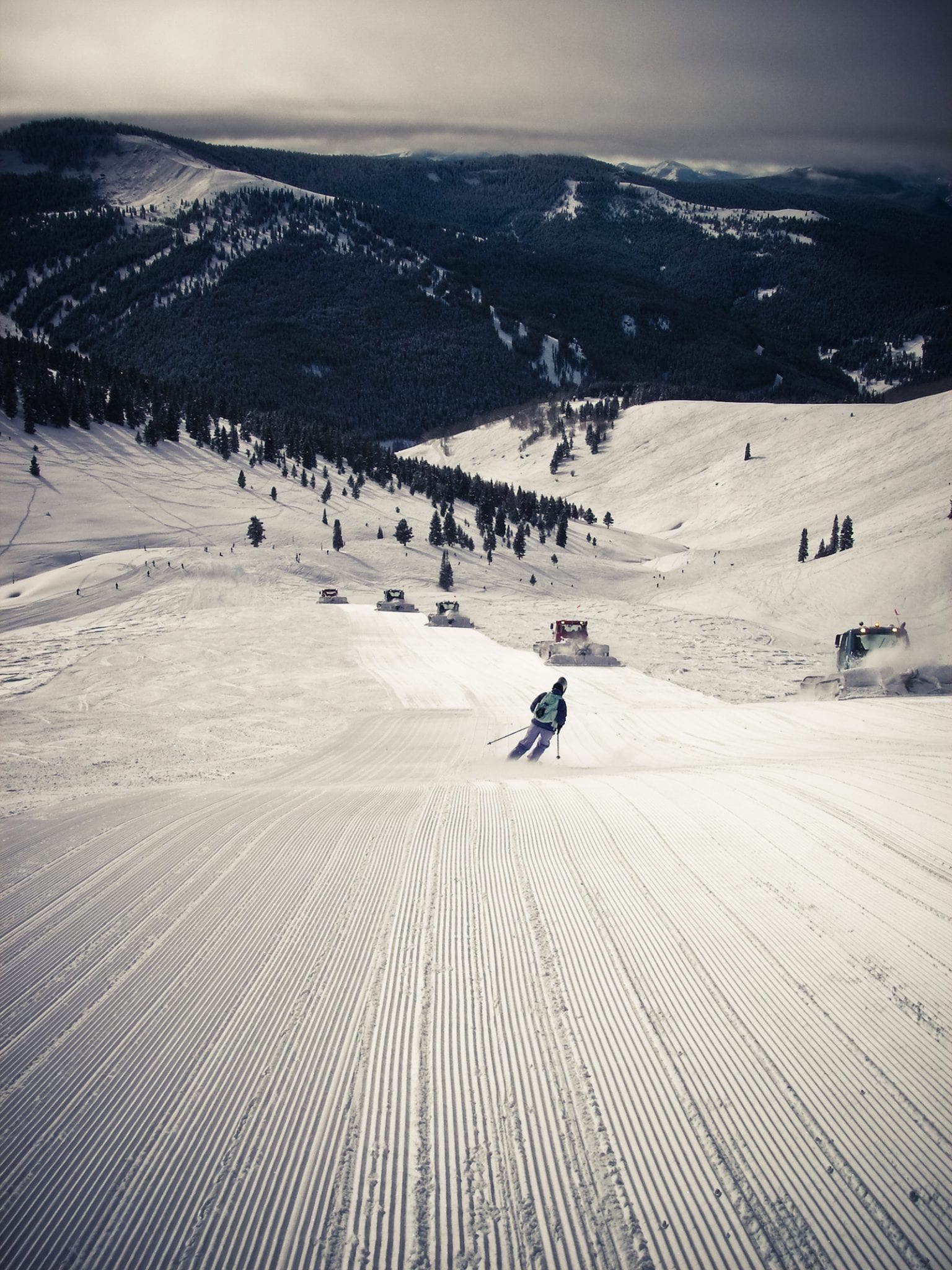
March is a highly popular month for its “spring skiing” conditions. The sun’s angle is higher, leading to warmer temperatures on the slopes. This often results in softer, more forgiving snow in the afternoons, a pleasant change from the firm, cold conditions of mid-winter. Many resorts continue to receive significant snowfall, meaning you can still experience powder days, often combined with bluebird skies and comfortable temperatures. This makes March an ideal time for families and less experienced skiers who benefit from the softer snow and warmer weather. Resorts like Vail Ski Resort and Park City Mountain Resort (though technically in Utah, it’s part of the broader Intermountain West ski culture) often maintain excellent conditions well into this month.
April: The Grand Finale
The skiing season in Colorado can extend into April, particularly at the highest elevation resorts. While some lower-altitude areas may close by mid-April, resorts known for their extensive high-alpine terrain, such as Winter Park Resort and parts of Steamboat Ski Resort, often remain open through the end of the month, and sometimes even into early May. Spring skiing in April can be a fantastic experience, with significantly fewer crowds and potentially lower prices for accommodations and lift tickets. The snow can become slushy in the midday sun but often refreezes overnight, creating a delightful corn snow in the mornings. It’s a time for relaxed skiing, patio lunches, and soaking in the final rays of sunshine on the mountain.
Factors Influencing the Ski Season
Several key elements contribute to the precise timing and quality of the ski season in Colorado, making each year’s experience unique.
Elevation and Aspect
The altitude of a resort and the orientation of its slopes play a crucial role in snow retention. Resorts located at higher elevations, such as those in the San Juan Mountains or near the Continental Divide, tend to receive more snow and maintain it longer due to colder temperatures. Similarly, north-facing slopes, often referred to as “shady sides,” retain snow better and for longer periods than south-facing slopes, which are more exposed to the sun. This is why resorts like Alta Ski Area (again, Utah, but relevant for comparative understanding) and certain areas within Colorado often boast extended seasons.
Snowfall Patterns
Colorado’s snow patterns are influenced by a variety of meteorological factors. The most significant is the influence of Pacific storm systems, which bring moisture from the west. The strength and frequency of these storms dictate the overall snowpack. El Niño and La Niña cycles can also impact snowfall amounts, with El Niño years sometimes bringing more precipitation to Colorado, while La Niña years can be more variable. Monitoring weather forecasts and snow reports from reliable sources like the Colorado Avalanche Information Center is essential for understanding current conditions and predicting upcoming snowfall.
Snowmaking Technology
Modern snowmaking technology has become an indispensable tool for ski resorts, allowing them to supplement natural snowfall and ensure consistent conditions, especially during the early and late parts of the season. Resorts invest heavily in sophisticated snowmaking systems that can operate at warmer temperatures than previously possible, helping to open terrain earlier and extend the season later, even in years with less natural snowfall. This technology is a key reason why many resorts can offer reliable skiing from November through April, regardless of minor natural snow fluctuations.
Planning Your Colorado Ski Trip
To make the most of your Colorado skiing adventure, understanding the season’s nuances is just the first step. Consider your personal preferences and priorities when choosing the best time to visit.
Choosing the Right Time for Your Skiing Style
- For Powder Hounds: January and February are typically your best bet for consistently deep powder.
- For Families and Beginners: March offers warmer temperatures and softer snow, making it more forgiving and enjoyable for those less experienced or with younger children.
- For Budget Travelers and Crowd Avoiders: Early November, late March, and April can offer significant savings and a more relaxed experience, provided you are flexible with conditions.
- For Those Seeking a Festive Atmosphere: December, especially the weeks before and after the holidays, provides a vibrant, celebratory mountain environment.
Key Considerations for Booking
- Book in Advance: Especially for peak season (December holidays, January, and February), accommodations and flights should be booked months in advance to secure the best options and prices.
- Lift Tickets and Passes: Consider purchasing multi-resort passes like the Ikon Pass or Epic Pass if you plan to visit multiple Colorado resorts, as they often provide significant savings over day tickets.
- Transportation: Many resorts are accessible via Denver International Airport, with shuttle services or rental car options. Consider the best way to reach your chosen destination, factoring in potential winter driving conditions.
By carefully considering the timing of Colorado’s ski season, the factors that influence it, and your personal preferences, you can plan a truly unforgettable winter escape to the heart of the Rocky Mountains.
LifeOutOfTheBox is a participant in the Amazon Services LLC Associates Program, an affiliate advertising program designed to provide a means for sites to earn advertising fees by advertising and linking to Amazon.com. Amazon, the Amazon logo, AmazonSupply, and the AmazonSupply logo are trademarks of Amazon.com, Inc. or its affiliates. As an Amazon Associate we earn affiliate commissions from qualifying purchases.