
Florida, the Sunshine State, is renowned for its spectacular natural beauty, and a significant part of that allure is its breathtaking sunsets. Whether you’re a local resident planning your evening or a traveler seeking a memorable travel experience, understanding when to witness this daily spectacle is key to maximizing your enjoyment. The timing of sunset in Florida isn’t a fixed event; it’s a dynamic phenomenon influenced by geographical location, time of year, and adherence to Daylight Saving Time.
The Science Behind Florida Sunsets
Sunsets are a product of Earth’s rotation and its axial tilt. As the Earth spins, different parts of the planet face away from the sun, causing daylight to diminish and eventually cease. The specific timing of sunset in any given location is determined by its longitude and latitude. In Florida, its position in the southeastern United States means it experiences sunsets a few minutes earlier than states further west.
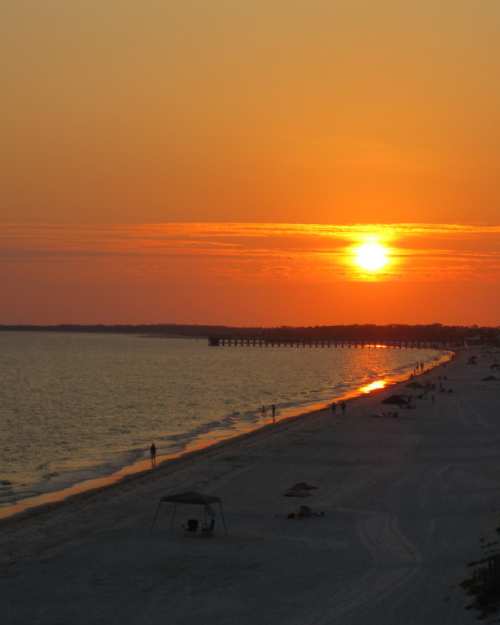
Latitude and Longitude’s Influence
Florida stretches over a significant north-south distance, from the panhandle down to the Florida Keys. This geographical spread means there’s a slight variation in sunset times from one end of the state to the other. For instance, a sunset in Pensacola in the panhandle will occur a few minutes earlier than a sunset in Key West at the southern tip. The difference is subtle, usually within a range of 10-20 minutes depending on the season, but it’s a crucial factor for those aiming for precise viewing.
Daylight Saving Time (DST)
A significant factor that directly impacts when sunset is observed in Florida is Daylight Saving Time. Like most of the United States, Florida observes DST, where clocks are set forward by one hour during the spring and backward by one hour in the fall. This effectively shifts the perceived time of sunset later in the evening during the spring and summer months.
- Spring Forward: Typically begins in March, making sunsets appear later by an hour.
- Fall Back: Usually occurs in November, bringing sunsets an hour earlier.
It’s important to note that while most of Florida observes DST, a small portion of the panhandle, particularly counties bordering Alabama, might have differing DST observance practices based on their proximity to the Central Time Zone. However, for the vast majority of the state, DST plays a noticeable role in the evening sky’s transformation.
Seasonal Variations in Florida Sunsets
The Earth’s axial tilt, which causes the seasons, is the primary driver behind the changing sunset times throughout the year. Florida, like the rest of the Northern Hemisphere, experiences longer days and earlier sunsets in the winter and shorter days with later sunsets in the summer.
Summer Solstice: The Longest Days
Around June 20th or 21st, the Northern Hemisphere reaches its summer solstice. This marks the longest day of the year, meaning the sun rises earliest and sets latest. In Florida, you can expect to see the sun dip below the horizon well after 8:00 PM, often closer to 8:30 PM or even later in the southern parts of the state, especially when DST is in effect. This extended daylight is perfect for extended beach activities, evening strolls along the coast, or enjoying an al fresco dinner with a view.
Winter Solstice: The Shortest Days
Conversely, around December 21st or 22nd, the winter solstice signifies the shortest day of the year. The sun rises latest and sets earliest. During this period, sunsets in Florida can occur as early as 5:30 PM or 5:45 PM, particularly in the northern regions of the state and before DST is considered. This calls for an earlier planning of evening excursions to catch the twilight hues.
Equinoxes: The Balance
The spring and autumn equinoxes, around March 20th and September 22nd respectively, represent periods of roughly equal day and night. Sunset times during these transitions are more moderate, falling between the extremes of the solstices. These times are excellent for travelers who prefer milder daylight hours for their sightseeing.
Practical Tips for Witnessing Florida Sunsets
Knowing the general principles of sunset timing is helpful, but for practical planning, especially for travelers and locals looking to experience the best of Florida’s evening beauty, a few specific tips can enhance the experience.
Utilizing Online Resources and Apps
The most accurate and readily available method to determine the exact sunset time for any given day and location in Florida is through online tools and smartphone applications. Websites like the U.S. Naval Observatory or various weather apps provide precise sunrise and sunset times based on your specified location. Many travel and weather websites also offer dedicated “sunset calculators” or local forecast sections.
- Search for: “Sunset time [city name], [Florida]” or “Sunset [date] [city name]”.
- Downloadable Apps: Consider reputable weather apps that include sunrise and sunset data, often with customizable alerts.
Best Locations for Sunset Viewing

Florida boasts numerous spectacular vantage points to witness the sun’s descent. The western coast, often referred to as the “Gulf Coast,” is particularly famous for its unobstructed ocean views and vibrant sunset displays. However, many inland lakes and eastern coastal areas also offer unique and beautiful perspectives.
-
Gulf Coast:
- Clearwater Beach: Renowned for its powdery white sand and stunning western-facing views.
- Siesta Key: Another gem on the Gulf Coast, offering expansive horizons.
- Sanibel Island and Captiva Island: Known for their serene beaches and often dramatic sunsets.
- St. Pete Beach: Offers a classic Florida beach experience with glorious sunset views.
- Naples: The iconic Naples Pier is a popular spot for sunset viewing.
-
Atlantic Coast: While the sun sets over land on the Atlantic coast, the unique atmospheric conditions can still produce striking colors, often seen reflecting off the water or silhouetting landmarks.
- Miami: Watching the sunset from a rooftop bar or a westward-facing restaurant can be quite enjoyable.
- Key West: While sunsets here are often enjoyed looking west over the Gulf, the vibrant atmosphere at Mallory Square is legendary.
-
Inland and Panhandle:
- Lake Okeechobee: Offers vast, open skies for an expansive sunset.
- Destin and Panama City Beach: Located in the panhandle, these areas provide beautiful sunset vistas over the Gulf of Mexico.
Planning Your Sunset Experience
To make the most of a Florida sunset, arrive at your chosen location at least 30-60 minutes before the scheduled sunset time. This allows ample time to find a good spot, settle in, and observe the gradual shift in light and color. The sky often begins to transform well before the sun actually disappears below the horizon, with vibrant oranges, pinks, and purples painting the clouds.
Consider the weather: While clear skies offer a brilliant visual of the sun’s disc, partly cloudy conditions can create dramatic silhouettes and vibrant light refractions, leading to some of the most memorable displays.
Factors Affecting Perceived Sunset Time
Beyond the fundamental astronomical and seasonal influences, several other factors can affect how one perceives the timing and beauty of a sunset. These are particularly relevant for travelers aiming to capture the perfect shot or simply enjoy a serene moment.
Cloud Cover and Atmospheric Conditions
The presence and type of clouds significantly impact the visual spectacle of a sunset. A completely overcast sky might obscure the sun, resulting in a duller end to the day. However, scattered clouds, especially at higher altitudes, can act as canvases, catching the sun’s rays and scattering them into a spectacular array of colors. Dust particles, pollution, and humidity in the atmosphere can also enhance the vibrancy of sunset colors by scattering sunlight. This is why some of the most vivid sunsets occur after a period of rain or in areas with particular atmospheric compositions.
Local Topography and Obstructions
The landscape surrounding your viewing point plays a crucial role. A clear, unobstructed view of the western horizon is ideal for traditional sunset viewing. Mountains, tall buildings, or even dense tree lines can block the direct view of the sun as it descends. This is why coastal areas, with their flat terrain and expansive ocean views, are often favored for sunset appreciation. However, even inland, a strategically chosen high vantage point or a location with a clear view over a large body of water can offer a rewarding experience.
Time Zones
Florida observes two time zones: the Eastern Time Zone and the Central Time Zone. The majority of the state, including major population centers like Miami, Orlando, and Tampa, is in the Eastern Time Zone. However, the westernmost portion of the panhandle, from roughly Pensacola eastwards to the Apalachicola River, falls within the Central Time Zone. This means that while the clocks in the Eastern Time Zone show one time, it will be an hour earlier in the Central Time Zone. When checking sunset times, it’s essential to be aware of which time zone your specific location in Florida is in to avoid confusion. For example, a sunset at 6:00 PM in Tallahassee (Eastern Time) will be equivalent to 5:00 PM in Pensacola (Central Time) on the same day.
Experiencing the Magic: Beyond the Clock
While knowing the precise time of sunset is practical for planning, the true magic lies in the experience itself. Florida offers countless opportunities to immerse yourself in this daily natural wonder.
Sunset Cruises and Tours
Many coastal towns and cities, from Fort Lauderdale to Sarasota, offer sunset cruises. These excursions provide a unique perspective from the water, often accompanied by commentary or simply the gentle rhythm of the waves. Imagine sipping a cool drink as the sky ignites with color, with the silhouette of the coastline unfolding before you. Some tours even include dinner or live music, turning a simple sunset viewing into a full evening’s entertainment.
Beachfront Dining and Resorts
Numerous restaurants and hotels throughout Florida are strategically situated to offer prime sunset views. Dining with an oceanfront table or enjoying a cocktail from a resort’s verandah as the sun dips below the horizon is a quintessential Florida experience. Locations like Amelia Island, Palm Beach, and the Florida Keys are particularly known for their luxurious accommodations that capitalize on these stunning views. Booking a room with a west-facing balcony or a table at a restaurant with an unobstructed view can transform your evening.

Local Gatherings and Traditions
In some communities, sunset viewing has become a local tradition. Mallory Square in Key West, for instance, hosts a nightly “Sunset Celebration” with street performers, artisans, and food vendors, drawing crowds eager to share in the spectacle. These gatherings foster a sense of community and shared appreciation for nature’s grandeur. Even without a formal celebration, many Floridians simply head to their favorite beach, park, or scenic overlook to witness the day’s end in quiet contemplation or with friends and family.
Ultimately, when is sunset in Florida? It’s a question with a precise answer that changes daily and by location, but it’s also an invitation to embrace the beauty of the present moment. By understanding the variables and utilizing available resources, you can ensure you’re perfectly positioned to witness one of nature’s most captivating performances.
LifeOutOfTheBox is a participant in the Amazon Services LLC Associates Program, an affiliate advertising program designed to provide a means for sites to earn advertising fees by advertising and linking to Amazon.com. Amazon, the Amazon logo, AmazonSupply, and the AmazonSupply logo are trademarks of Amazon.com, Inc. or its affiliates. As an Amazon Associate we earn affiliate commissions from qualifying purchases.