
Absolutely, yes. As of 2024, gay couples can unequivocally obtain marriage certificates in California, just as they have been able to for many years. The right to marry for same-sex couples is firmly established by both state and federal law, making California a leading state for LGBTQ+ equality and a welcoming place for all couples to celebrate their unions. This enduring legal framework and cultural acceptance position California as a beacon of marital freedom, profoundly impacting the lifestyle choices and planning opportunities for countless individuals and families.
The Enduring Landscape of Marriage Equality in California
The journey to marriage equality in California reflects a broader national narrative of progress and legal affirmation. While the question in 2024 might seem elementary to those familiar with the legal landscape, it underscores the importance of understanding the robust protections in place.

Historically, California played a pivotal, albeit sometimes complex, role in the national debate. In 2008, the state briefly allowed same-sex marriages before voters passed Proposition 8, which banned them. However, legal challenges quickly ensued, culminating in federal court decisions that ultimately struck down the ban. The landmark 2015 Supreme Court ruling in Obergefell v. Hodges affirmed the constitutional right to marry for same-sex couples nationwide, based on the Equal Protection Clause and the Fourteenth Amendment of the United States Constitution. This decision solidified marriage equality across all 50 states, permanently overriding any state-level bans or restrictions.
Fast forward to 2024, and these protections have only been strengthened. In December 2022, the United States Congress passed, and President Biden signed into law, the Respect for Marriage Act. This federal statute codifies the right to same-sex and interracial marriage into federal law, ensuring that all states recognize these marriages performed legally in other states. While not creating an affirmative federal right for same-sex couples to marry should Obergefell v. Hodges ever be overturned (a scenario considered highly unlikely but not impossible by some legal scholars), it mandates federal recognition and provides a crucial backstop, safeguarding against any future attempts to restrict these rights at the state level. For couples in California, this means their marriages are not only legal and recognized within the state but are also secure under federal law, offering an unparalleled level of certainty and peace of mind.
Navigating the Marriage Certificate Process in California
For gay couples planning to tie the knot in California, the process for obtaining a marriage certificate is identical to that for heterosexual couples. It’s a straightforward procedure designed to be accessible to all residents and visitors alike.
Eligibility Requirements
To obtain a marriage license in California, couples must meet a few fundamental criteria:
- Age: Both individuals must be at least 18 years old. Minors aged 16 or 17 may marry with parental consent and court order.
- Marital Status: Neither party can currently be married to someone else. If either individual was previously married, they must provide the date of divorce, death, or dissolution.
- Identification: Valid government-issued identification (e.g., driver’s license, passport) is required to verify identity and age.
- Blood Test: California does not require a blood test to obtain a marriage license.
- Residency: There is no residency requirement to marry in California. Couples from any state or country can obtain a marriage license here, making it a popular destination for weddings.
Steps to Obtain a License
The path to securing a marriage license in California involves a few key steps, primarily handled through the County Clerk’s office in any of the state’s 58 counties.
- Locate a County Clerk’s Office: Couples can apply for a marriage license at any County Clerk’s office in California. Popular urban centers like Los Angeles, San Francisco, San Diego, Orange County, and Sacramento offer numerous locations, but smaller county offices are equally equipped. It’s advisable to check the specific county’s website for hours, appointment requirements, and any unique procedures.
- Complete the Application: Many counties allow couples to begin the application process online, which can save time during an in-person visit. However, both parties must typically appear together at the County Clerk’s office to sign the application under oath.
- Provide Required Documents and Pay Fees: Bring your valid photo identification. Fees vary slightly by county but are generally under $100. Some counties accept cash, while others prefer credit/debit cards or money orders.
- License Issuance and Validity: Once the application is complete and fees are paid, the marriage license is issued immediately. A California marriage license is valid for 90 days from the date of issuance. The ceremony must take place within this 90-day window, or the license will expire, requiring a new application and fee.
The Ceremony and Registration
After obtaining the license, the next exciting step is the marriage ceremony itself.
- The Officiant: A wide range of individuals are authorized to solemnize a marriage in California. This includes judges, retired judges, commissioners of civil marriage, and any religious officiant authorized by their church or denomination. Ship captains at sea and even county clerks can officiate ceremonies. Furthermore, any adult may become a temporary deputy commissioner of civil marriage for a day to solemnize a specific wedding, adding a personal touch for many couples.
- The Ceremony: The marriage ceremony does not have to follow a specific script but must include a declaration by the parties that they take each other as spouses, and a declaration by the officiant that the parties are married.
- Returning the License: Following the ceremony, the officiant must complete the marriage license and return it to the County Clerk’s office where it was issued within 10 days. This is a crucial step for the marriage to be legally registered.
- Obtaining Certified Copies: After the license is recorded, certified copies of the marriage certificate can be ordered from the County Clerk or Recorder’s office. These certified copies are essential for official purposes, such as changing names on legal documents, updating insurance policies, or establishing spousal benefits.
Lifestyle Implications: Beyond the Ceremony

The ability for gay couples to legally marry in California extends far beyond the joyous wedding day itself, profoundly impacting their everyday lives and future planning. Marriage equality provides a foundational pillar for a stable and recognized lifestyle, offering numerous legal, financial, and social benefits.
Legal and Financial Benefits
Marriage brings a host of practical advantages that contribute significantly to a couple’s long-term lifestyle and security:
- Joint Tax Filing: Married couples can file federal and state income taxes jointly, which can offer significant tax advantages depending on their individual incomes.
- Inheritance Rights: Spouses automatically have inheritance rights, ensuring that assets pass to the surviving partner without complex legal challenges or estate planning workarounds.
- Spousal Benefits: This includes eligibility for Social Security spousal or survivor benefits, pensions, and employer-sponsored health insurance plans. These benefits contribute to financial security and access to essential services.
- Medical Decision-Making: Marriage grants automatic hospital visitation rights and the legal standing to make medical decisions for an incapacitated spouse, a critical protection in times of crisis.
- Immigration Benefits: For binational couples, marriage provides a clear path to spousal visas and residency, facilitating family unity.
- Adoption and Parental Rights: Marriage strengthens the legal framework for adoption and parental rights, ensuring both spouses are recognized as legal parents, which is vital for building and protecting families.
- Property Rights: Married couples often have community property rights in California, which means assets acquired during the marriage are equally owned.
Social and Emotional Impact
Beyond the legalities, marriage has immense social and emotional value, shaping a couple’s lifestyle in profound ways:
- Validation and Recognition: Legal marriage provides public validation of a couple’s commitment and love, fostering a sense of belonging and respect within society.
- Family Planning and Building a Legacy: It offers a recognized framework for family planning, whether through adoption, surrogacy, or other means, allowing couples to build and secure their legacy.
- Community Support and Celebration: Weddings provide opportunities for families and communities to celebrate love and commitment, reinforcing social bonds.
- Reduced Discrimination and Stigma: While challenges may persist, the legal recognition of marriage contributes to a reduction in discrimination and stigma, promoting greater acceptance and equality in daily life.
Planning Your California Wedding: A Lifestyle Choice
For gay couples, getting married in California is not just a legal act; it’s a lifestyle choice rich with possibilities for personal expression and celebration. The state offers an incredibly diverse array of settings and services to help couples craft their dream wedding.
Diverse Wedding Venues
California’s landscape provides an unparalleled variety of wedding venues to suit every taste and budget:
- Urban Elegance: Bustling cities like San Francisco and Los Angeles offer chic hotels, historic ballrooms, rooftop venues with stunning cityscapes, and unique art spaces. Areas like West Hollywood are particularly renowned for their vibrant LGBTQ+ communities and inclusive wedding services.
- Wine Country Romance: The picturesque vineyards of Napa Valley and Sonoma County provide a sophisticated backdrop for romantic ceremonies and receptions, often with gourmet dining experiences.
- Coastal Beauty: From the dramatic cliffs of Big Sur to the sandy beaches of Laguna Beach and Santa Barbara, coastal venues offer breathtaking views and ocean breezes.
- Desert Oasis: Palm Springs offers a unique mid-century modern aesthetic, stunning mountain backdrops, and a relaxed, resort-style atmosphere, making it a popular choice for LGBTQ+ weddings.
- Rustic Charm: Inland areas and national parks offer rustic barns, serene ranches, and majestic natural settings for those seeking a more laid-back or adventurous celebration.
Crucially, California’s wedding industry is highly inclusive and experienced in catering to same-sex couples. From planners and photographers to caterers and florists, couples will find a wealth of vendors who are not only affirming but also adept at bringing diverse wedding visions to life.
Celebrating Your Union
Beyond the ceremony and reception, California provides endless opportunities for celebrating a union in a way that reflects a couple’s unique lifestyle. Whether it’s an intimate elopement in Yosemite National Park, a grand celebration in a San Francisco mansion, or a relaxed beach party, the state accommodates all preferences. Pre-wedding celebrations, such as engagement parties, showers, and bachelor/bachelorette trips, can also be tailored to explore California’s diverse attractions, from theme parks to wine tastings to hiking trails. Many couples also choose to honeymoon within the state, enjoying its varied landscapes and vibrant cities.
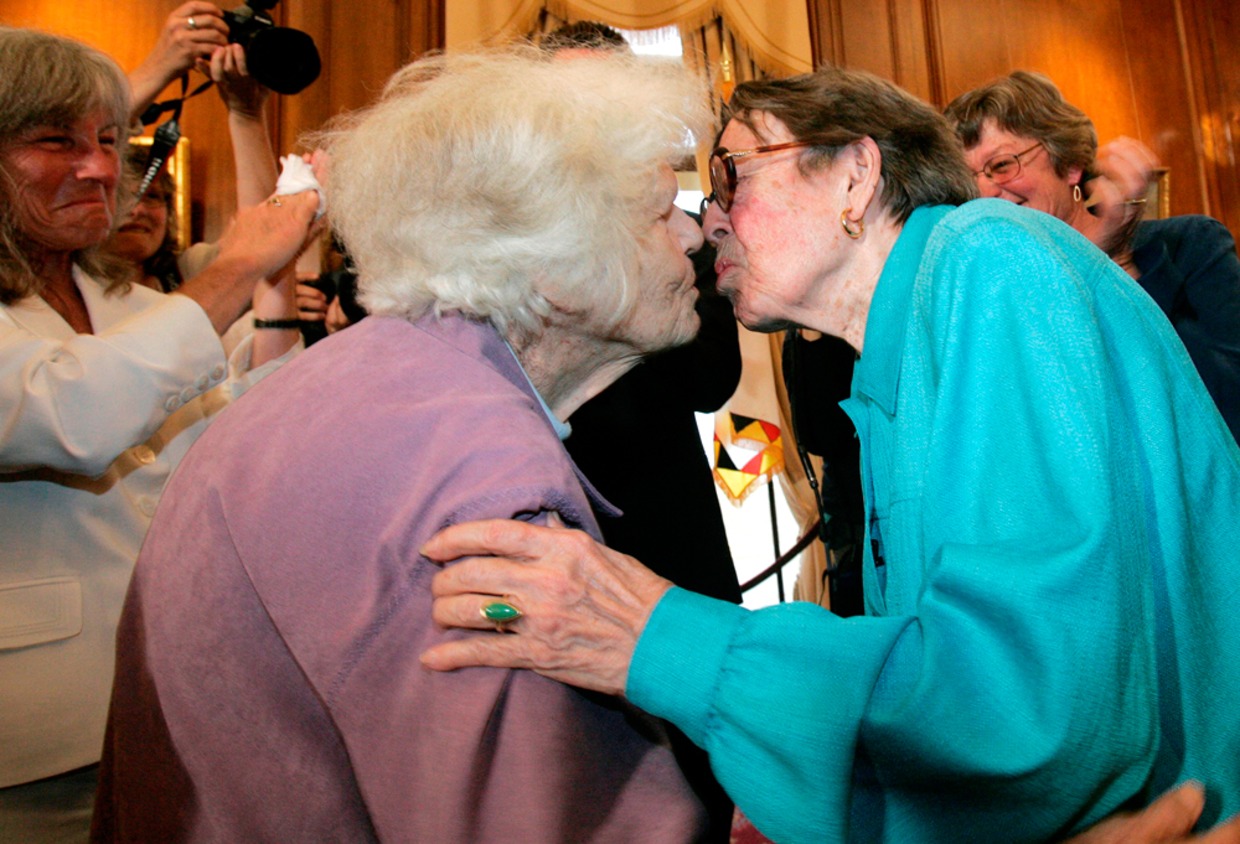
Looking Ahead: The Future of Marriage Equality
While marriage equality is firmly established in California and across the United States in 2024, the broader lifestyle of LGBTQ+ individuals still benefits from ongoing vigilance and advocacy. The Respect for Marriage Act provides a strong federal safeguard, but the push for full equality in all aspects of life—including housing, employment, healthcare, and parental rights—continues.
California remains at the forefront of this movement, often setting precedents for other states. For gay couples, this means not only the right to marry but also a supportive legal and social environment that champions their rights and dignity. The ability to marry freely, build families, and live openly without fear of legal reprisal contributes to a richer, more authentic, and more fulfilling lifestyle for countless individuals, cementing California’s reputation as a true leader in LGBTQ+ inclusion.
LifeOutOfTheBox is a participant in the Amazon Services LLC Associates Program, an affiliate advertising program designed to provide a means for sites to earn advertising fees by advertising and linking to Amazon.com. Amazon, the Amazon logo, AmazonSupply, and the AmazonSupply logo are trademarks of Amazon.com, Inc. or its affiliates. As an Amazon Associate we earn affiliate commissions from qualifying purchases.